Category: Debt

  • how to pay salary advance loan

    Navigating through the process of paying for a salary advance loan can be straightforward if you’re equipped with the right information. Whether it’s due to an unexpected expense or a temporary financial shortfall, a salary advance loan can provide much-needed relief. However, it’s crucial to approach repayment methodically to avoid any financial hiccups. Here’s how you can efficiently manage your salary advance loan repayment.

    Understanding Salary Advance Loans

    Before diving into the repayment process, it’s essential to understand what a salary advance loan is. It’s a short-term loan that allows you to borrow against your future earnings. Typically, these loans are meant to be repaid within one to two months, and the full amount is deducted from your next paycheck1.

    Steps to Repay Your Salary Advance Loan

    1. Review Your Loan Agreement

    Start by reviewing the terms and conditions of your loan. Pay close attention to the interest rate, repayment schedule, and any fees associated with late payments.When reviewing your loan agreement before starting salary advance repayments, there are several critical issues you should pay close attention to. These will help ensure that you fully understand your obligations and protect your interests throughout the loan term:

    Remember that a well-drafted loan agreement protects both parties and ensures clarity regarding repayment terms. If you have any doubts, seek legal advice to safeguard your interests

    2. Budget for Repayment

    Since the loan amount will be deducted from your upcoming paycheck, adjust your budget accordingly. Ensure you have enough funds to cover your regular expenses plus the loan repayment.

    3. Set Up Automatic Deductions

    If possible, arrange for automatic deductions from your paycheck. This ensures timely payments and helps avoid late fees.

    4. Pay More Than the Minimum

    Whenever you can, pay more than the minimum required amount. This reduces the principal balance and the total interest paid over the loan term2.

    5. Keep Track of Your Payments

    Maintain a record of your repayments. Regularly check your statements to monitor your progress and ensure that you’re on track to pay off the loan as agreed.

    Benefits of Timely Repayment

    Repaying your salary advance loan on time has several benefits:

    • Avoids Additional Interest and Fees: Late payments can lead to extra charges, increasing the cost of your loan.
    • Protects Your Credit Score: Even though salary advance loans may not always be reported, timely repayment can contribute to a positive borrowing history.
    • financial Stability: Clearing your debt promptly helps maintain financial stability and prepares you for any future borrowing needs.

    Conclusion

    Salary advance loans can be a convenient solution during financial emergencies. By following these steps, you can ensure that you repay your loan efficiently and maintain your financial health. Remember, it’s always better to be proactive about repayments to avoid any unnecessary stress or financial strain.
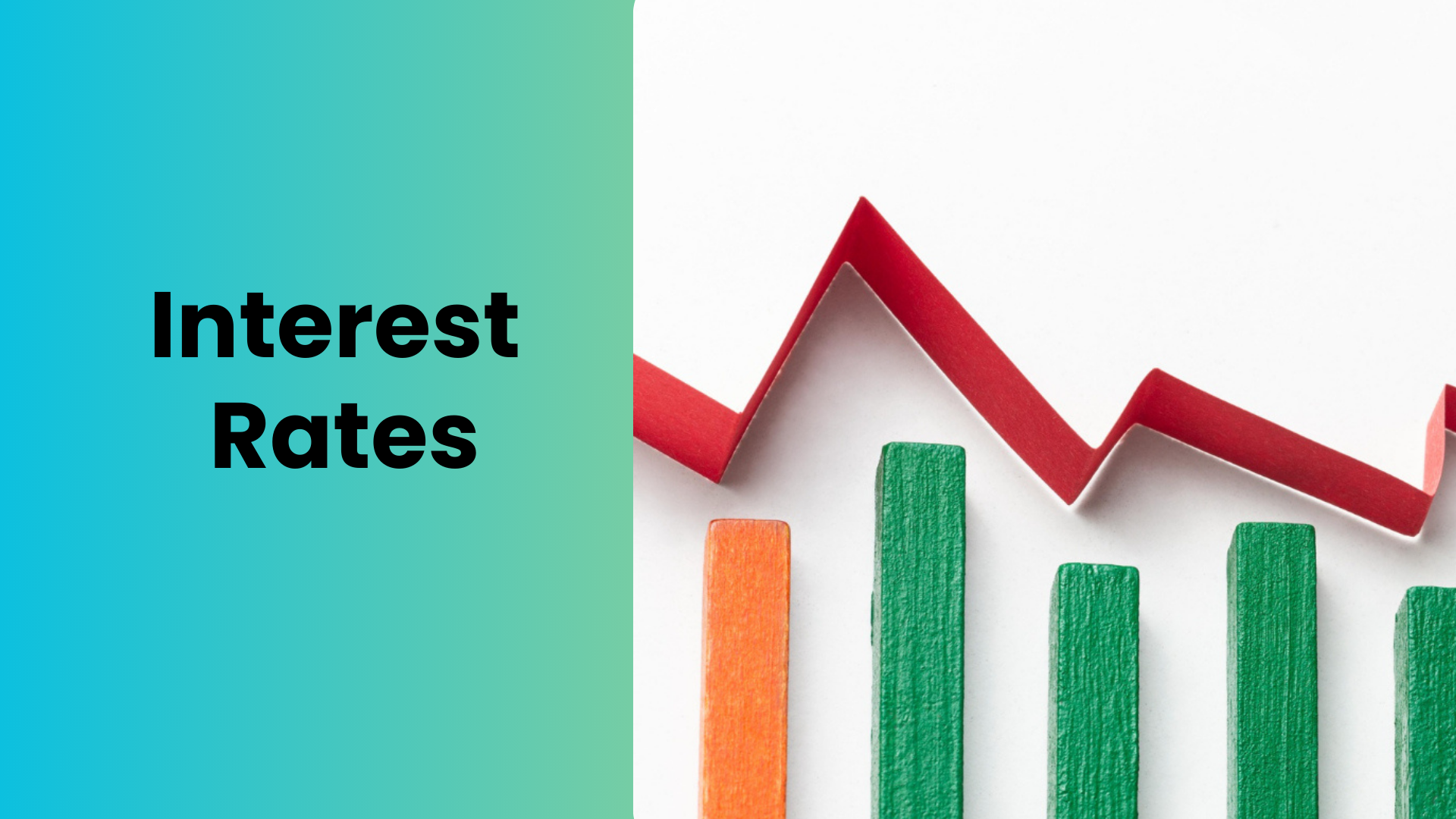
  • Introduction to Interest Rates and Their Importance in the Economy

    Introduction to Interest Rates and Their Importance in the Economy

    Interest rates are pivotal to the economic landscape, serving as the price of money and a key determinant of borrowing and lending decisions. They influence various economic variables, including consumption, investment, inflation, exchange rates, and overall economic growth. Central banks often adjust interest rates as a tool to achieve macroeconomic objectives such as price stability, full employment, and sustainable growth.

    1. Cost of Borrowing

    Higher interest rates increase the cost of borrowing for individuals and businesses, impacting their ability to finance purchases, investments, and operations. This can discourage borrowing for consumption and investment purposes, affecting individual and business financial decisions. On the macro level, elevated borrowing costs can dampen aggregate demand and slow down economic activity.

    2. Reduced Consumer Spending

    With higher borrowing costs, consumers may have less disposable income available for spending on goods and services, leading to reduced consumption. Businesses across various sectors may experience lower sales and revenues as a result. On the macro level, decreased consumer spending can contribute to economic slowdown or recession if it persists over time.

    3. Impact on Investments

    Rising interest rates can increase the cost of capital for businesses, potentially reducing their willingness to invest in new projects, equipment, or research and development. This can affect firms’ profitability and competitiveness in the market. On the macro level, decreased investment can hinder productivity growth and limit the economy’s long-term potential for expansion.

    4. Exchange Rate Dynamics

    Higher interest rates may attract foreign investors seeking higher returns on investments denominated in the local currency. This increased demand can strengthen the exchange rate, making exports more expensive and imports cheaper. This can impact businesses involved in international trade. On the macro level, exchange rate movements affect trade balances and competitiveness, influencing overall economic performance.

    5. Impact on Inflation

    Micro-level Implication: Higher interest rates can reduce consumer spending and investment, potentially alleviating demand-pull inflationary pressures. However, they may also increase production costs for businesses, contributing to cost-push inflation. On the macro level, central banks may adjust interest rates to manage inflation and maintain price stability, which is essential for sustainable economic growth.

    6. Government Debt Servicing

    Higher interest rates increase the cost of servicing government debt, potentially leading to higher budget deficits and crowding out spending on essential public services. This can impact government borrowing costs and fiscal sustainability. On the macro level, elevated government debt servicing costs can strain investor confidence, impacting overall economic stability and growth prospects.

    7. Savings Incentives

    Higher interest rates can incentivize saving by offering higher returns on savings deposits and other interest-bearing accounts. This can encourage individuals and households to save more, potentially impacting consumption patterns in the short term. On the macro level, higher savings rates can contribute to increased capital accumulation and investment, fostering long-term economic growth.

    8. Debt Burden for Borrowers

    For individuals and businesses with existing debt obligations, higher interest rates can increase the cost of servicing debt, potentially leading to financial strain or default in extreme cases. This can impact creditworthiness and access to financing for future borrowing needs. On the macro level, a high debt burden for borrowers can hinder economic recovery and contribute to financial instability.

    9. Asset Price Volatility

    Changes in interest rates can influence asset prices, including stocks, bonds, and real estate. Higher interest rates may lead to lower bond prices and higher dividend yields, impacting investment returns for bondholders and shareholders. On the macro level, asset price volatility can affect investor confidence and wealth distribution, impacting overall economic stability.

    10. Business Profitability and Investment Decisions

    Higher interest rates can reduce businesses’ profitability by increasing borrowing costs and debt servicing obligations. This may lead to reduced investment in expansion, innovation, and hiring, impacting long-term growth prospects. On the macro level, decreased business investment can slow down economic growth and limit job creation, affecting overall employment levels and income distribution.

  • 5 indicators you are deep in debt

    5 indicators you are deep in debt

    Being in constant debt poses a multifaceted challenge that extends beyond financial strain, impacting emotional well-being, and future prospects. High-interest payments, reduced financial flexibility, and strained relationships characterize the financial aspect, while stress, anxiety, and depression mark the emotional toll. This might lead to long-term consequences including perpetuating a cycle of debt, limiting opportunities, and potentially facing legal repercussions. It is imperative that you keep track of your debt situation and you can use these five indicators to measure your level of debt.

    High debt Balances

    High credit card balances can be a significant indicator of financial strain and potential debt issues. When you consistently carry large balances on your credit cards, it often signifies that you’re relying on credit to cover expenses beyond your means. This includes having multiple mobile loans to cover your day-to-day expenses.

    Issues with high debt and mobile loan balances

    • Interest Accumulation: High balances accrue more interest, making it harder to pay off the debt.
    • Credit Score Impact: Utilization ratio (the ratio of your credit card balances to credit limits) heavily influences your credit score. High balances can lower your score.
    • Debt Spiral: Failure to pay down balances can lead to a cycle of debt, where minimum payments barely cover interest charges.

    How to Take Care of High credit and mobile loan balances

    • Budgeting: Create a budget to allocate funds towards paying off credit card debt.
    • Debt Snowball or Avalanche: Use either method to systematically pay off debts.
    • Negotiate Lower Interest Rates: Contact creditors to see if they can lower your interest rates, making it easier to pay off the balance.

    Late or Missed debt Payment

    Consistently missing due dates or making late payments on bills, loans, or credit cards is a red flag for financial instability and potential debt problems. It indicates a lack of organization or insufficient funds to meet financial obligations.

    Issues with Late payments

    • Fees and Penalties: Late payments often incur fees and penalties, increasing the debt burden.
    • Credit Score Impact: Payment history is a significant factor in credit scoring. Late payments can severely damage your credit score.
    • Creditor Relations: Repeated late payments can strain relationships with creditors, potentially leading to collection actions.

    How to Take Care of Late Payments

    • Set up Automatic Payments: Schedule automatic payments for bills to ensure they’re paid on time.
    • Calendar Reminders: Set reminders for due dates to avoid missing payments.
    • Negotiate Payment Plans: If you’re unable to make payments on time, contact creditors to negotiate payment plans or alternative arrangements.

    Relying on debt for Basic Expenses

    Using loans or credit cards to cover everyday expenses like groceries, utilities, or rent suggests that your income isn’t sufficient to meet your basic needs, leading to a reliance on borrowed funds.

    Issues with Relying on loans for basic expenses

    • Debt Accumulation: Continuously relying on credit for basic expenses can lead to increasing debt levels.
    • Financial Instability: Depending on loans or credit cards for essentials indicates a lack of financial stability.
    • Interest Costs: Borrowing for everyday expenses incurs interest costs, further straining finances.

    How to Take Care of Basic Needs Without Loans

    • Budget Adjustment: Reevaluate your budget to prioritize essential expenses and cut discretionary spending.
    • Increase Income: Explore opportunities to increase your income through additional work or side hustles.
    • Seek Financial Assistance: Consider seeking financial assistance from government programs, charities, or community organizations.

    Constantly Borrowing Money

    Frequent borrowing from friends, family, or payday lenders to cover expenses suggests ongoing financial difficulties and potential debt issues. It’s a sign that your income isn’t sufficient to meet your financial obligations.

    Issues with constantly borrowing Money

    • Dependency: Constant borrowing indicates a dependency on external sources for financial support.
    • Strained Relationships: Borrowing money frequently can strain relationships with friends and family.
    • High Costs: Payday loans or other forms of borrowing often come with high interest rates, increasing the overall debt burden.

    How to stop constant borrowing

    • Create a Repayment Plan: Develop a plan to repay borrowed funds, prioritizing high-interest debts first.
    • Financial Counseling: Seek guidance from a financial counsellor to address underlying financial issues and develop strategies for managing money effectively.
    • Emergency Fund: Build an emergency fund to cover unexpected expenses and reduce the need for borrowing in the future.

    Stress and Anxiety About Finances

    Persistent worry, stress, or anxiety about finances is a common emotional response to being deep in debt. It can negatively impact mental health and overall well-being.

    issues with constant anxiety about finances

    • Mental Health: Stress and anxiety about finances can lead to depression, anxiety disorders, and other mental health issues.
    • Impact on Relationships: Financial stress can strain relationships with family, friends, and colleagues.
    • Decreased Productivity: Constant worry about finances can reduce productivity and impair decision-making abilities.

    How to Take Care of finance induced anxiety

    • Seek Support: Reach out to friends, family, or mental health professionals for emotional support.
    • Financial Education: Educate yourself about personal finance to better understand your situation and develop strategies for improvement.
    • Mindfulness and Relaxation Techniques: Practice mindfulness, meditation, or relaxation techniques to manage stress and anxiety effectively.
  • Why your loan repayment plan should be a priority in 2024

    Why your loan repayment plan should be a priority in 2024

    In a world where cash is king and debts lurk around every corner, handling your loans might feel like navigating a minefield. But guess what? It’s not a mission impossible; it’s a mission “get your financial act together.” Let’s dive into why, in the grand scheme of things, making your loan repayment plan a rockstar priority this year is the secret sauce for keeping your wallet happy and your stress levels chill. So, buckle up, because it’s time to decode the mysteries of adulting without turning it into a snoozefest.

    I. Dodging the Loan Stress Grenades

    Ever felt the weight of financial stress crushing down on you? It’s like having a ton of bricks on your chest, right? Prioritizing your loan repayments is your superhero cape – it swoops in, lifts the burden, and lets you breathe a sigh of relief. No more sleepless nights or awkward avoidance of the mailbox; it’s time to take control and kick financial stress to the curb.

    Why Less Stress is Best

    Think of it as a mental health spa day for your wallet. By focusing on your loan repayments, you’re not just avoiding collection calls; you’re giving yourself the mental space to grow personally and professionally. Stress less, thrive more – that’s the motto.

    6 Factors that Affect Loan Interest rate in Kenya

    Credit Scores: Your Financial Superpower against Loan Defaults

    Ever tried to buy a house or snag a sweet deal with a lousy credit score? It’s like trying to enter a VIP party with last year’s party pass – not happening. Prioritizing loan repayments isn’t just about settling debts; it’s about boosting your credit score. A high credit score is your golden ticket to better interest rates, dream homes, and maybe even a high-five from your future self.

    II. Long-Term Financial Goals: Your Financial Avengers Assemble!

    We all have dreams – a house with a picket fence, a business empire, or sipping cocktails on a beach while your money works for you. Turns out, your loan repayment plan is the Avengers, ready to assemble and make those dreams a reality.

    Home Sweet Home – Faster Loan Repayment

    The path to homeownership is often paved with mortgage payments. But fear not, intrepid dreamer! By focusing on loan repayments, you’re not just meeting deadlines; you’re turbocharging your journey to owning that dream castle. Plus, a well-managed repayment plan makes mortgage lenders do a happy dance.

    Business Dreams Take Flight

    Entrepreneurial spirit burning bright? Your loan repayment plan is the fuel to launch your business dreams into orbit. Say goodbye to drowning in debt and hello to financial freedom. Nothing says “boss” like managing debt like a champ.

    Retirement: The Grand Finale

    Picture this: sipping mojitos on a beach, free from work woes. Retirement goals, right? Prioritizing loan repayments isn’t just about clearing debts; it’s about freeing up cash for that grand finale. Secure your bag, stash your cash, and let the beach daydreams commence.

    III. Crushing Interest Monsters: Your Financial Excalibur

    Interest rates – the lurking monsters under your financial bed. But worry not, because your loan repayment plan is the Excalibur to slay those interest dragons and save your hard-earned cash.

    Compound Interest: Your Secret Nemesis

    Compound interest is the silent villain eating away at your funds. But guess what? By tackling your loan repayments head-on, you’re the hero in this story. Cut down on compound interest, and watch your savings grow faster than a superhero in a blockbuster movie.

    Late Fees and Penalties – Vanquished

    Missed a payment and now facing the wrath of late fees and penalties? Not cool. Your loan repayment plan is the superhero sidekick ensuring you never dance with financial penalties again. Timely payments mean more money in your pocket and less lining someone else’s.

    IV. Surviving Economic Twists: Your Financial Shield

    In this unpredictable financial game, having a solid shield is key. Life throws curveballs, but your loan repayment plan can be your financial shield against economic uncertainties.

    7 things you need to know about Fixed Deposit Accounts in Kenya

    Job Loss and Income Jitters

    Economic downturns and job instability are like unexpected plot twists. Fear not, financial warrior! A well-managed loan repayment plan is your shield against income instability. It’s like having a financial fortress, ready to weather any storm.

    Emergency Fund: Your Financial First Aid Kit

    Life emergencies happen, whether it’s a flat tire or a global pandemic. Your loan repayment plan is your ticket to building a robust emergency fund. So, when life throws lemons, you’re not just making lemonade – you’re sipping it on a beach paid for by your emergency fund.

    Unleash Your Financial Superpowers

    In the grand saga of adulting, your loan repayment plan is the hero you didn’t know you needed. It’s not about turning finance into a snoozefest but discovering the superpowers hidden within your wallet. So, as we step into the adventures of 2024, make your loan repayment plan the protagonist of your financial story. Let’s turn this year into a blockbuster hit, where financial stress takes a backseat, dreams become reality, and you emerge as the ultimate financial superhero. Suit up, fellow financial warriors – it’s time to unleash those superpowers!

  • The Benefits of Taking a Payday Loan When You Need Cash for Your Business

    The Benefits of Taking a Payday Loan When You Need Cash for Your Business

    Introduction

    In the dynamic and often unpredictable world of business, having access to quick and reliable sources of cash is crucial for maintaining operations and seizing opportunities. One financial tool that has gained both popularity and controversy is the payday loan. Typically associated with personal financial emergencies, payday loans can also serve as a valuable resource for businesses facing cash flow challenges. This essay explores the benefits of taking a payday loan when your business needs an immediate cash infusion.

    Understanding Payday Loans

    Before delving into the advantages, it’s essential to understand what payday loans are and how they work. Payday loans are short-term, unsecured loans designed to provide individuals or businesses with immediate access to a small amount of cash. These loans are often intended to cover unexpected expenses or bridge financial gaps until the next payday or revenue stream.

    Benefits of Payday Loans for Businesses

    1. Quick Access to Cash: One of the primary advantages of payday loans is the speed at which funds can be obtained. Traditional loans from banks or financial institutions often involve a lengthy application process, requiring extensive documentation and thorough credit checks. In contrast, payday loans can be approved within hours, providing businesses with the prompt financial assistance they need to address urgent matters.
    2. Flexibility in Use: Unlike traditional loans with specific usage restrictions, payday loans offer flexibility in how the funds can be utilized. Whether it’s covering operational costs, purchasing inventory, or addressing unforeseen expenses, businesses have the freedom to allocate the funds as they see fit. This adaptability can be particularly valuable in dynamic and unpredictable business environments.
    3. No Collateral Required: Payday loans are unsecured, meaning businesses are not required to provide collateral to secure the loan. This can be advantageous for small businesses or startups that may lack substantial assets. The absence of collateral reduces the risk for the business owner, making payday loans a viable option for those who may not qualify for traditional loans.
    4. Accessibility for Small Businesses: Small businesses often face challenges when seeking financing through conventional channels. Banks may be hesitant to lend to smaller enterprises with limited operating histories or lower credit scores. Payday loans, however, are more accessible to businesses of all sizes, providing a lifeline for smaller ventures during challenging financial periods.
    5. Streamlined Application Process: Traditional loan applications can be time-consuming and complex, requiring extensive paperwork and documentation. Payday loan applications are typically straightforward, with minimal documentation required. This simplicity expedites the approval process, ensuring that businesses can access funds swiftly when time is of the essence.
    6. Temporary Financial Assistance: Payday loans are designed to provide short-term financial relief. This can be advantageous for businesses facing temporary cash flow challenges, allowing them to bridge gaps until a more stable financial situation is restored. The temporary nature of payday loans prevents businesses from being burdened with long-term debt commitments.
    7. Credit Score Impact: Unlike traditional loans, payday loans may not have a significant impact on the borrower’s credit score. This can be beneficial for businesses that are concerned about the potential negative effects on their creditworthiness. Payday loans provide a means of obtaining quick cash without leaving a lasting mark on the business’s credit history.

    Conclusion

    While payday loans have faced criticism for their high interest rates, they also offer undeniable benefits for businesses in need of immediate financial assistance. The speed, flexibility, and accessibility of payday loans can make them a valuable tool for managing short-term financial challenges. However, businesses must approach payday loans responsibly, understanding the terms and implications before deciding to utilize this financial resource. Ultimately, when used judiciously, payday loans can be a viable solution for businesses navigating the complexities of cash flow management in a rapidly evolving economic landscape.

  • 5 IMPORTANT Rules To Consider While Lending Money To Family And Friends

    5 IMPORTANT Rules To Consider While Lending Money To Family And Friends

    When your relatives or friends are struggling financially, lending money to them can be a kind gesture. However, it can become troublesome if your efforts to assist result in conflicts or you encounter financial problems as a result.

    Truth is, we have all found ourselves in a situation where we could not say ‘no’ to our loved ones when they sought monetary assistance. Unfortunately, this is an emotional decision that comes with its consequences.

    So, what do you do when loved ones borrow money from you?

    Here are 5 tips you need to follow while lending money to friends or relatives:

    1. Ask yourself if you can afford it 

    Before lending money to a friend or a relative, you must first consider your financial circumstances.

    How far can it stretch your existing financial situation? Therefore, it is best to refrain from lending under these circumstances. On the other hand, if you have extra money or no debt, you could assist your friend.

    Also Read: Helapesa Survival Guide: How to raise your C.R.B status in 6 Months

    2. Ask for collateral and charge interest

    Relations can be ruined by money. Therefore, it is best to keep things clear from the start to preserve the relationship.

    It’s also a good idea to keep your emotions under check around friends and family because they can take things too lightly. Asking for collateral and negotiating a fixed interest rate against the loan amount are the preferable options to prevent this.

    3. Always have a written agree

    Although it may seem strange or challenging to implement, a written agreement can help both parties understand each other’s obligations and resolve any misconceptions.

    This written agreement may be helpful to you if an unpleasant situation arises where you are left with no choice but to sue them to recover your money.

    4. Don’t be led by emotions

    If you believe your friend or family member’s condition to be genuine, you can lend them money. However, you should also take into account their capacity for repayment.

    To do this, you must learn how much money they make and what other financial obligations they have. Particularly in these circumstances, you need to maintain your composure when it comes to your emotions.

    Unfortunately, because there are no strings of interest obligation tied to these loans, some borrowers can take them casually without risking any legal repercussions.

    Additional Reading: Personal finance institutions in Kenya

    5. Be prepared for the worst

    Keep in mind that you shouldn’t lend money merely out of a sense of obligation. Don’t lend money if it doesn’t make sense to you, plain and simple.

    Additionally, you must accept that the borrower won’t repay if you are aware of their debts or poor credit history. Therefore, it is best to refrain from lending money to them.

    Additionally, you have every right to know how the money will be used as a lender. The choice to lend the loan is fully up to you, so if the justification appears unjustified, you can simply nod and refuse.

    Also Read: Borrowing like a Pro: Tips to help you secure loans

    In conclusion

    If you follow the above tips, you will surely protect both your money and your relationship with your family member or friend. In case, your friend or a family member is in dire need of cash, you can suggest a quick credit facility from Hela Pesa.

    Hela Pesa offers Instant Salary Advance Loans through its Hela Pesa Loan App.  Your friend or relative can download the App, register for free and apply for quick cash.

  • Simple ways to avoid defaulting on your loan

    When is a loan considered to be a default?

    A loan is considered to be in default when the borrower fails to repay the loan according to the terms agreed upon in the loan contract. This typically includes missing or late payments, or not paying the full amount owed. The specific definition of default can vary depending on the type of loan and the lender’s policies.

    If a lender sees that you are likely to default, they will send you a default notice to notify you that you are behind payments and will give you a two weeks notice to catch up on your payment. While the notice won’t be put on record, if you do default, it will reflect in your credit history and this will be a major headache for you in the future should you wish to borrow again

    When a lender gives you a line of credit, they also have a set of checklist to see that you are not likely to default on your loan. It’s a system designed to warn the lender early on so that they can take the necessary steps to ensure they don’t lose their repayments. Some of the indicators include:

    1. Late or missed payments: If a client has a history of late or missed payments, it can be a warning sign that they’re struggling to keep up with their loan obligations. this is a major red flag and most lenders could prefer never to lend to the client again.
    2. High debt-to-income ratio: If a client’s existing debt is too high compared to their income, they may be more likely to default on their loan. Like a company, a high debt to income is a clear indication of a person is likely to declare bankruptcy.
    3. Employment change: A change in employment status, such as a job loss or reduction in hours, can increase the risk of default as it may impact their ability to make loan payments.
    4. financial distress: If a client is experiencing financial difficulties, such as high medical expenses or a significant decrease in income, it can increase the risk of default.
    5. Unforeseen events: Unforeseen events, such as natural disasters or personal emergencies, can also increase the risk of default as they can disrupt a client’s financial stability.
    6. Poor credit history: A client with a poor credit history, including a low credit score or a history of defaulting on previous loans, is more likely to default on a new loan.
    7. Loan purpose: If the loan is for a risky or speculative purpose, such as a high-risk investment, the risk of default may be higher.
    8. Inaccurate information: If the information provided by the client in their loan application is inaccurate or incomplete, it can increase the risk of default as they may be unable to repay the loan as agreed.
    9. Insufficient collateral: If the loan is secured, a lack of sufficient collateral can increase the risk of default as the lender may be unable to recover the loan if the borrower defaults.

    These are some of the indicators that a client is likely to default on a loan, but the specific factors may vary depending on the type of loan and the lender’s individual lending policies. this indicator is a good checklist for you as a client to ensure you don’t fall on the wrong side of your lenders books (pan intended). Defaulting on your loan has some major consequences which we covered.

    In the banking industry, a loan account is considered a Non-Performing Asset (NPA) based on a 90- 120 days delinquency.

    What are some of the steps you can take to avoid defaulting?

    1. Create a budget: Start by creating a realistic budget that takes into account all of your expenses, including your loan payments. Your budget should have a comprehensive debt repayment plan which you must follow to ensure your debt obligation are taken care of.
    2. Make timely payments: Make sure to make all of your loan payments on time, as missed or late payments can have a significant impact on your credit score. As we had discussed on indicators of defaulting, late payments are likely to get you peneralized like you have already defaulted. if you are going to be late for an unavoidable reason, call your lender early and inform them of your conandrum so they can advise you accordingly and avoid receiving a default notice which will cause a lot of issues in the future
    3. Stay within your means: Avoid taking on more debt than you can afford to repay, and prioritize paying off high-interest debt first. This way you will always have a good debt-to-income ratio that wont burden your credit score. It is also important to remember that your income must support your persona; expenses and not just repay debts.
    4. Communicate with your lender: If you’re struggling to make your loan payments, reach out to your lender as soon as possible. They may be able to work with you to find a solution. A simple phone call can save you a lot of pain in the future, even your lender is a human being, they want to recover their debt not spend time trying to sale your collateral to recover it.
    5. Consider a loan modification: If you’re unable to make your loan payments, a loan modification may be an option. This involves changing the terms of your loan to make it more manageable.
    6. Seek financial counselling: Consider seeking the help of a financial counsellor or debt management expert if you’re having difficulty managing your debt.
    7. Prioritize essential expenses: If you’re struggling to make ends meet, prioritize your essential expenses, such as food, housing, and transportation.
    8. Avoid additional debt: Avoid taking on additional debt, such as credit card balances, until you’re able to get your current debt under control.
    9. Consider debt consolidation: If you have multiple loans, consider consolidating them into a single loan with a lower interest rate.
    10. Stay informed: Stay informed about changes in your financial situation and any changes to your loan terms to ensure that you’re able to make your loan payments on time.

    By following these tips, you can help avoid defaulting on your loan and maintain a good credit history.

  • Debt Management

    Debt management is a critical issue for individuals, businesses, and governments, and refers to the strategies and practices used to manage and reduce debt. The goal of debt management is to improve financial situations by making it easier to pay off debt and reduce interest rates and monthly payments. In Kenya, debt management is a critical issue and the government also has a debt management strategy in place to ensure the sustainable management of the country’s national debt. In this article, we will discuss some common debt management strategies and techniques including budgeting, negotiating with creditors, consolidating loans, credit counselling, debt management plans, and bankruptcy.

    Debt Management in Kenya

    Debt management in Kenya refers to the strategies and practices used by individuals, businesses, and government agencies to manage and reduce their debt. This can include negotiating with creditors, consolidating loans, creating a budget, and making timely payments. The government of Kenya also has a debt management strategy in place to ensure the sustainable management of its national debt. This includes measures such as debt restructuring, prioritizing debt service payments, and reducing the overall debt burden.

    Sure, in Kenya, debt management is a critical issue for individuals, businesses, and the government. For individuals, debt management typically involves creating a budget, negotiating with creditors, and consolidating loans to reduce interest rates and monthly payments. This can help to improve cash flow and make it easier to pay off the debt over time.

    For businesses, debt management may involve securing additional financing, restructuring existing loans, or implementing cost-cutting measures to improve profitability. This can help to ensure that the business has the financial resources necessary to meet its obligations and continue operating.

    The Kenyan government also has a debt management strategy in place to ensure the sustainable management of the country’s national debt. This includes measures such as debt restructuring, prioritizing debt service payments, and reducing the overall debt burden. This helps to ensure that the government has the necessary resources to fund important public services and infrastructure projects, while also maintaining a sustainable level of debt.

    In addition, The Central Bank of Kenya (CBK) also has a role in debt management in Kenya by setting the monetary policy and ensuring the stability of the financial system. They also issue guidelines for commercial banks to manage their debts and loans, hence the CBK is an important player in the debt management space in Kenya.

    Overall, effective debt management is essential for ensuring the financial stability and growth of Kenya’s economy. It involves a range of strategies and practices, including budgeting, negotiation, consolidation, and government debt management policies, to help individuals, businesses, and government agencies manage and reduce their debt.

    How To Undertake Debt Management in Your Personal Finance

    Debt management is the process of managing and reducing debt through a variety of strategies and techniques. The goal of debt management is to help individuals and organizations improve their financial situation by making it easier to pay off debt and reduce interest rates and monthly payments.

    Here are some common debt management strategies and techniques:

    1. Budgeting: One of the most important aspects of debt management is creating a budget. A budget helps individuals and organizations track their income and expenses, identify areas where they can cut costs, and prioritize their debt payments.
    2. Negotiating with Creditors: Another key aspect of debt management is negotiating with creditors. This can involve requesting a lower interest rate, an extension of the loan term, or a reduction in the amount owed. By negotiating with creditors, individuals and organizations can reduce their monthly payments and make it easier to pay off their debt.
    3. Consolidating Loans: Debt consolidation is a process where multiple loans are combined into one single loan. This can help to reduce interest rates and monthly payments and make it easier to manage multiple debts.
    4. Credit Counseling: Credit counselling is a service that helps individuals and organizations to understand and manage their debt. Credit counselors will work with individuals and organizations to develop a budget and debt management plan, and help them to negotiate with creditors.
    5. Debt Management Plan: A debt management plan is a formal agreement between an individual or organization and its creditors. A debt management plan typically involves reducing interest rates, extending the loan term, and reducing the amount owed.
    6. Bankruptcy: Bankruptcy is a legal process that allows individuals and organizations to have their debt discharged or restructured. Bankruptcy is typically a last resort for individuals and organizations with significant debt that cannot be managed through other means.

    In Kenya, the government also plays a role in debt management through its debt management strategy, which aims to ensure the sustainable management of the country’s national debt. This includes measures such as debt restructuring, prioritizing debt service payments, and reducing the overall debt burden.

    It’s important to note that debt management is not a quick fix, it requires commitment and discipline to stick to the plan. Moreover, it’s always advisable to consult a financial expert or a credit counsellor before making any decisions.

    Conclusion

    In conclusion, debt management is a crucial aspect of financial planning and management in Kenya. It helps individuals, businesses, and the government to manage their debt and reduce the financial burden it causes. By creating a budget, negotiating with creditors, consolidating loans, and utilizing credit counselling services, individuals and organizations can improve their cash flow, reduce interest rates and monthly payments, and make it easier to pay off debt over time. Additionally, the government plays a significant role in debt management by implementing strategies and policies that ensure the sustainable management of the country’s national debt.

    It’s important to remember that debt management is not a one-time solution but a continuous process that requires discipline, commitment, and patience. It’s always advisable to consult a financial expert or a credit counsellor before making any decisions. It’s also important to note that while debt management can be an effective tool for managing debt, it’s not a substitute for sound financial planning and management practices. By implementing these debt management strategies, individuals and organizations can achieve a better financial situation, increased financial stability, and a stronger economy.

  • Dealing with a Loan Default

    What is a default?

    A loan default occurs when a borrower fails to repay a loan according to the terms agreed upon in the loan agreement. This can happen for various reasons, such as the borrower losing their source of income, not having the means to repay the loan, or simply not making payments as required. When a loan is in default, the lender may take legal action to recover the outstanding balance, which can result in wage garnishment, asset seizure, or other collection efforts.

    How long does a default stay on your CRB File?

    In most cases, a loan default will stay on your credit file for up to 7 years. This can have a significant impact on your credit score and ability to obtain credit in the future. However, the length of time that a default stays on your credit file can vary depending on the type of loan, the credit reporting agency, and the laws of your jurisdiction. It’s important to note that paying off a defaulted loan does not necessarily remove it from your credit history. To improve your credit standing after default, you can make an effort to pay your bills on time and reduce your outstanding debt.

    What is a CRB default notice?

    A default notice is a formal notification from a lender or creditor indicating that a borrower has failed to make payments on a loan or debt according to the agreed-upon terms. This notice typically informs the borrower that they are in default and may face legal action if they do not bring the loan current by paying the past-due amount and any additional fees or charges. Default notices serve as a warning to the borrower that they are at risk of losing their collateral (such as a home or car) and damaging their credit standing if they do not take action to rectify the default. In some cases, a default notice may also initiate the start of the foreclosure or repossession process.

    Can I get a loan if I have a default?

    Having a default on your credit history can make it difficult to obtain a loan or mortgage, as it signals to lenders that you have a history of not meeting your debt obligations. However, it’s not impossible to get credit after a default. The extent to which a default affects your ability to get credit depends on various factors, such as the severity of the default, the type of loan, how long ago it occurred, and your current financial situation. In general, the longer you wait after a default to apply for credit, the more likely it is that your credit standing will have improved. Additionally, if you have taken steps to improve your financial situation, such as paying off debt and building savings, you may be more likely to be approved for credit. It’s always a good idea to check your credit report and address any errors or inaccuracies before applying for credit.

    Does my employer have access to my loan defaults?

    In most cases, employers do not have access to your credit information, including defaulted loans. Employers may conduct a background check as part of the hiring process, but this typically includes a review of criminal records, work history, and educational qualifications, rather than credit information. In some cases, employers may be able to see your credit information if they have a legitimate business reason, such as if you are applying for a job that requires handling money or sensitive information. Additionally, certain types of employers, such as banks and government agencies, may have the legal right to access your credit information. If you are concerned about your credit information being accessible to potential employers, you can check your credit report for accuracy and take steps to improve your credit standing.

    How can I reduce the negative impact of a CRB Default listing?

    Yes, it is possible to reduce the negative impact of a CRB default listing on your credit. Here are a few steps that you can take:

    1. Pay off the defaulted debt: Paying off the defaulted debt in full can show lenders that you are committed to meeting your financial obligations. This can help to improve your credit standing over time.
    2. Negotiate with the lender: You may be able to negotiate with the lender to have the default removed from your credit report in exchange for making payments on the debt. This is known as a “pay for delete” agreement.
    3. Dispute errors on your credit report: If there are errors on your credit report, you can dispute them with the credit reporting agency. This may include errors related to the default, such as incorrect information about the debt amount or payment history.
    4. Work to improve your credit: Pay all of your bills on time, reduce your outstanding debt, and avoid taking on new debt. These steps can help to improve your credit score and demonstrate to lenders that you are a responsible borrower.
    5. Wait: The negative impact of a default on your credit will lessen over time, usually after 7 years. Continuously working to improve your credit can help you regain your creditworthiness.

    Remember, the process of repairing your credit after defaulting can take time, and there is no guarantee that your credit standing will fully recover. It’s important to be patient, take a long-term approach, and stay focused on improving your financial situation.

    Can I remove or update a default on my CRB file?

    In some cases, it may be possible to have a default removed from your credit file, or to have it updated to reflect that it has been paid or settled. However, this is not a guarantee, and the process can be complex. Here are a few options to consider:

    1. Dispute errors: If there are errors on your credit report related to the default, such as incorrect information about the debt amount or payment history, you can dispute them with the credit reporting agency.
    2. Negotiate with the lender: You may be able to negotiate with the lender to have the default removed from your credit report in exchange for making payments on the debt. This is known as a “pay for delete” agreement, and the terms will vary depending on the lender and the situation.
    3. Wait: The negative impact of a default on your credit will lessen over time, usually after 7 years. This means that the default will eventually drop off your credit file naturally, without the need for intervention.

    It’s important to note that removing or updating a default on your credit file is not a guaranteed process, and the results will depend on the lender and the credit reporting agency. In some cases, a default may remain on your credit file even after you have paid the debt, or it may still be reflected as a default even if it has been updated to reflect that it has been paid or settled. It’s always a good idea to check your credit report regularly to ensure that the information it contains is accurate and up-to-date.

  • How to improve your credit rating in 2023

    Having a good credit score is important for a variety of reasons, including making it easier to obtain loans and credit cards, qualifying for lower interest rates, and potentially even increasing your employment prospects. In Kenya, credit scores are used by financial institutions and other lenders to assess an individual’s creditworthiness, so it is important to take steps to improve your credit score if you want to achieve your financial goals.

    Here are five ways you can increase your credit score in Kenya:

    Bill payment

    pay your bills on time: Payment history is one of the most important factors that goes into determining your credit score, so it is crucial to pay all of your bills on time. Late payments can have a negative impact on your credit score, so it is important to set up automatic payments or reminders to ensure that you don’t miss any deadlines.

    Credit utilization

    Keep your credit utilization low: Credit utilization refers to the amount of credit you are using relative to the amount of credit available to you. If you are using a high percentage of your available credit, it can have a negative impact on your credit score. To improve your credit utilization, you can either pay down your credit card balances or ask for an increase in your credit limit.

    Credit diversification

    Diversify your credit: Lenders like to see that you have a mix of different types of credit, such as credit cards, mortgages, and personal loans. Having a diverse credit mix can improve your credit score, as it demonstrates that you are able to handle different types of credit responsibly. Having a diverse credit mix can improve your credit score because it shows that you are able to manage different types of credit in a responsible manner. It also shows that you are able to handle different types of financial obligations and can be trusted with more credit. It’s important to note that diversifying your credit doesn’t necessarily mean you should go out and apply for every type of credit available. Instead, you should focus on building a strong credit history by using credit responsibly and paying your bills on time. Over time, you may naturally end up with a diverse credit mix as you take out different types of credit to meet your financial needs.

    Keeping track of credit report

    Check your credit report regularly: It is important to review your credit report regularly to ensure that the information it contains is accurate. If you find any errors or discrepancies, it is important to dispute them with the credit bureau as soon as possible.

    Avoiding too much credit

    Avoid applying for too much credit at once: Each time you apply for credit, it can have a negative impact on your credit score, as it adds a hard inquiry to your credit report. To avoid this, try to limit the number of credit applications you submit. If you do need to apply for credit, try to space out your applications over a longer period of time.

    What goes into determining your credit score in Kenya

    In Kenya, credit scores are used by financial institutions and other lenders to assess an individual’s creditworthiness and determine their ability to pay back loans and other debts. Credit scores are calculated using a variety of factors, including payment history, credit utilisation, length of credit history, types of credit used, and new credit. Here is a more detailed explanation of each factor:

    Payment history: Payment history is one of the most important factors that goes into determining your credit score. It refers to your track record of paying your bills on time. Late payments or missed payments can have a negative impact on your credit score, so it is important to make sure you pay all of your bills on time. This includes everything from credit card bills and mortgage payments to utility bills and car payments.

    Credit utilization: Credit utilization refers to the amount of credit you are using relative to the amount of credit available to you. If you are using a high percentage of your available credit, it can have a negative impact on your credit score. To improve your credit utilization, you can either pay down your credit card balances or ask for an increase in your credit limit. It is generally recommended to keep your credit utilization below 30%, as higher utilization can indicate to lenders that you may be overextending yourself financially.

    Length of credit history: The longer your credit history, the better. A longer credit history demonstrates to lenders that you have a track record of managing credit responsibly over a longer period of time. It also shows that you have experience handling different types of credit and can be trusted with more credit.

    Types of credit used: Lenders like to see that you have a mix of different types of credit, such as credit cards, mortgages, and personal loans. Having a diverse credit mix can improve your credit score, as it demonstrates that you are able to handle different types of credit responsibly.

    New credit: Each time you apply for credit, it can have a negative impact on your credit score, as it adds a hard inquiry to your credit report. To avoid this, try to limit the number of credit applications you submit. If you do need to apply for credit, try to space out your applications over a longer period of time.

    In conclusion, your credit score in Kenya is determined by a variety of factors, including payment history, credit utilization, length of credit history, types of credit used, and new credit. By paying your bills on time, keeping your credit utilization low, building a long credit history, diversifying your credit, and avoiding applying for too much credit at once, you can take steps to improve your credit score and achieve your financial goals. It is important to remember that building and maintaining a good credit score is a long-term process, so it is important to be patient and consistent in your efforts to improve your credit score.

  • 10 tips to help you control your debt

    10 tips to help you control your debt

    Debt can be overwhelming and often feels like a never-ending cycle of payments and interest. I know this feeling all too well, as I used to be buried under a mountain of fuliza debt and personal loans. But, with determination and the right strategies, it is possible to take control of your debt and get back on track to financial stability. In this article, I will share some tips and personal experiences that have helped me take control of my own debt and start building a healthy financial future.

    Why do we need to manage our debts?

    Debt can be dangerous if it is not well managed because it can quickly spiral out of control. When you take on debt, you are borrowing money that you have to pay back, often with interest. If you are not careful, the amount you owe can grow quickly and become overwhelming. 

    This can lead to financial stress and make it difficult to afford your monthly expenses and other obligations. In severe cases, excessive debt can even lead to bankruptcy, which can have long-term consequences on your credit and financial health. It is important to manage your debt carefully and make sure that you can afford your monthly payments. Otherwise, you may find yourself in a difficult financial situation.

    Loans and our personal financials

    Loans are part of modern commerce and personal life. We can accomplish a lot with well-managed debt. Taking a loan can be important and empowering when it is well managed for several reasons. First, a loan can provide you with access to funds that you may not have otherwise. This can be especially helpful in situations where you need to make a large purchase or invest in something that will benefit you in the long run, such as a home or education. By taking out a loan, you can spread the cost of the purchase over time, which can make it more manageable and affordable.

    Additionally, taking out a loan can help you build credit and improve your credit score. When you borrow money and make regular, on-time payments, you demonstrate to lenders that you are a responsible borrower. This can help you qualify for better interest rates and terms on future loans, as well as make it easier to borrow money in the future.

    Finally, managing a loan responsibly can be empowering because it shows that you are in control of your finances and can make smart decisions about borrowing and repayment. By carefully considering the terms of a loan and making sure that you can afford the monthly payments, you can take control of your debt and build a strong financial foundation for the future. Let’s look at some of the tips that have helped me control my debt.

    10 Tips on managing debt

    1. Make a plan. 

    The first step in managing your debt is to make a plan. This means taking stock of your current debts, including interest rates, monthly payments, and minimum payment amounts. This will help you understand how much you owe and what you can afford to pay.

    1. Create a budget

    The second and most important step in managing personal debt is to create a budget. This will help you understand exactly how much money you have coming in and going out each month, so you can see where you can cut back and redirect funds toward paying off your debt. Make sure to include all of your regular expenses, as well as any one-time or irregular expenses, such as medical bills or car repairs.

    1. Prioritize your debts

    Once you have a clear picture of your finances, take a look at your debts and prioritize which ones to pay off first. It is usually a good idea to focus on high-interest debts, such as credit card balances because the interest can add up quickly and make your debt harder to pay off. You may also want to consider consolidating your debts into one loan with a lower interest rate, if possible.

    1. Prioritize paying off high-interest debt

    If you have multiple debts, prioritize paying off the ones with the highest interest rates first. This will save you money in the long run because you will be paying less in interest over time

    1. Cut unnecessary expenses.

    In order to free up more money to put towards your debts, it’s important to cut unnecessary expenses. This means taking a close look at your budget and finding ways to save money, such as reducing your grocery bill or cutting back on entertainment expenses.

    1. Consider consolidating your debts.

    If you have multiple debts with different interest rates and minimum payment amounts, consolidating your debts can make them easier to manage. This involves taking out a new loan to pay off your existing debts, leaving you with a single monthly payment and a potentially lower interest rate.

    1.  Make more than the minimum payment.

    When it comes to paying off your debts, making the minimum payment is better than not making a payment at all. However, if you want to pay off your debts faster, it’s important to make more than the minimum payment. This will help you pay down your debt faster and save money on interest.

    1. Negotiate with creditors

    If you are having trouble making your monthly payments, don’t be afraid to reach out to your creditors and see if they can offer you more favourable terms. Many creditors are willing to work with customers who are struggling and may be able to offer a lower interest rate or a temporary payment plan.

    1. Consider a debt management plan

    If you are overwhelmed by your debt and are not sure how to tackle it on your own, you may want to consider enrolling in a debt management plan. This is a program offered by credit counselling agencies that can help you consolidate your debts and make a single monthly payment. The agency will work with your creditors to try to get them to lower your interest rates and fees, making it easier for you to pay off your debt.

    1. Be disciplined and consistent

    Finally, Managing debt requires discipline and consistency. Make sure to make your monthly payments on time and stick to your budget. Avoid taking on new debt, and try to save a little bit each month to build an emergency fund that can help you avoid falling back into debt in the future. With determination and persistence, you can take control of your debt and achieve financial stability.

  • Potential risks and consequences of defaulting on a loan in Kenya

    Defaulting on a loan payment can have significant consequences for both the borrower and the lender. It can lead to financial problems for the borrower, damage their credit score, and potentially result in legal action being taken against them. In this report, we will explore the risks and consequences of defaulting on a loan payment in greater detail.

    What is Defaulting on a Loan Payment?

    Defaulting on a loan payment occurs when a borrower fails to make their required monthly payment on a loan. This can happen for a variety of reasons, including financial hardship, unemployment, or simply forgetting to make the payment. Depending on the terms of the loan agreement, a borrower may be considered in default if they miss just one payment, or if they are consistently late with their payments.

    Risks of Defaulting on a Loan Payment

    There are several risks associated with defaulting on a loan payment.

    1. Financial Consequences: Defaulting on a loan can lead to financial problems for the borrower. If the borrower is unable to make the required payments, they may end up owing more money in the long run due to late fees and interest charges. This can make it difficult for the borrower to get out of debt and can lead to financial hardship.
    2. Damage to credit score: Defaulting on a check-off loan can have a significant negative impact on the borrower’s credit score. Credit scores are used by lenders to assess the risk of lending to a borrower, and a low credit score can indicate to lenders that the borrower is a high-risk borrower who may be more likely to default on their loans. As a result, defaulting on a check-off loan can result in a significant decrease in the borrower’s credit score, which may make it more difficult for them to obtain credit in the future.
    1. Loss of employment: In some cases, defaulting on a check-off loan may result in the borrower losing their job. Many employers offer check-off loans as a benefit to their employees and may require the borrower to sign an agreement stating that they will repay the loan as agreed. If the borrower defaults on the loan, the employer may consider this to be a breach of the agreement and may choose to terminate the borrower’s employment. This can be particularly risky if the borrower is already struggling to make the loan repayments, as losing their job may make it even more difficult to repay the loan.
    1. legal action: If the borrower defaults on a check-off loan, the lender may take legal action to recover the debt. This could involve filing a lawsuit against the borrower, seeking a court order to garnish the borrower’s wages or seize their assets, or other legal remedies. Legal action can be costly and time-consuming and may result in the borrower incurring additional fees and costs associated with the legal process.
    1. Repossession: If the borrower has used collateral as security for the loan, defaulting on the loan may result in the lender repossessing the collateral. This could be a home, a vehicle, or other personal property. Repossession can be a stressful and difficult experience for the borrower and may result in the borrower losing a valuable asset.
    1. Stress and anxiety: Defaulting on a check-off loan can be a stressful and anxiety-provoking experience for the borrower. It can lead to financial strain and may cause problems in personal relationships and other areas of the borrower’s life. The borrower may experience feelings of shame, guilt, or embarrassment as a result of defaulting on the loan, which can have negative impacts on their mental health and well-being.
    1. Difficulty obtaining credit in the future: Defaulting on a check-off loan can make it more difficult for the borrower to obtain credit in the future, as lenders may view the borrower as a high-risk borrower. This can limit the borrower’s options for borrowing and may make it more difficult for them to finance important purchases or investments. It may also result in the borrower having to pay higher interest rates on future loans, as lenders may consider them to be higher-risk borrowers.
    1. Negative impact on personal relationships: Defaulting on a check-off loan may also have negative impacts on the borrower’s personal relationships. The borrower may experience conflicts with their employer, family, or friends as a result of the default, and may face pressure or criticism from these individuals. The borrower may also feel isolated or unsupported if they are unable to discuss their financial situation with others, which can further exacerbate the stress and anxiety associated with defaulting on the loan.

    The consequences of defaulting on a loan payment can be severe and long-lasting.

    1. Difficulty Obtaining Future Loans: Defaulting on a loan can make it difficult for the borrower to obtain future loans or credit cards. Lenders may be hesitant to lend to someone who has a history of not making their payments on time and may require a higher interest rate as a result.
    2. Damage to Credit Score: As mentioned above, defaulting on a loan can damage the borrower’s credit score. This can make it more difficult for the borrower to obtain future loans or credit cards and may result in higher interest rates on future borrowing.
    3. Legal Action: As mentioned above, lenders may take legal action against borrowers who default on their loans. This can result in a judgment against the borrower, which could have negative consequences such as wage garnishment or the seizure of assets.
    4. Emotional Stress: Defaulting on a loan can also be emotionally stressful for the borrower. The borrower may feel overwhelmed by the financial problems that have resulted from defaulting on the loan and may feel a sense of shame or embarrassment about their situation.

    Overall, defaulting on a check-off loan can have serious consequences for the borrower, including damage to their credit score, legal action, repossession, financial and personal stress, and difficulty obtaining credit in the future. It is important for borrowers to carefully consider the risks and consequences of defaulting on a check-off loan before taking one out, and to make every effort to repay the loan as agreed.