Blog

  • Pay As You Earn (PAYE)

    Pay As You Earn (PAYE) is a method of income tax collection in which an employer deducts tax from an employee’s wages or salary at the time it is paid and remits it directly to the tax authorities. This system ensures that taxes are collected regularly and systematically as the employee earns income, rather than being paid in a lump sum at the end of the tax year. PAYE is used in many countries, including Kenya, to streamline the process of tax collection and compliance.

    Key Features of PAYE

    1. Source Deduction: Taxes are deducted at the source, meaning they are taken out of the employee’s paycheck by the employer before the employee receives it.
    2. Regular Collection: Taxes are collected regularly, typically each pay period (weekly, bi-weekly, or monthly), aligning with the employee’s earnings schedule.
    3. Employer Responsibility: The employer is responsible for calculating, deducting, and remitting the correct amount of tax to the tax authorities.
    4. Progressive Tax Rates: PAYE often involves progressive tax rates, where the tax rate increases with higher levels of income. This ensures that higher earners pay a larger proportion of their income in taxes.
    5. Withholding Allowances and Deductions: Employers consider various allowances and deductions when calculating PAYE. These may include contributions to pension plans, health insurance premiums, and other allowable deductions.
  • how to pay salary advance loan

    Navigating through the process of paying for a salary advance loan can be straightforward if you’re equipped with the right information. Whether it’s due to an unexpected expense or a temporary financial shortfall, a salary advance loan can provide much-needed relief. However, it’s crucial to approach repayment methodically to avoid any financial hiccups. Here’s how you can efficiently manage your salary advance loan repayment.

    Understanding Salary Advance Loans

    Before diving into the repayment process, it’s essential to understand what a salary advance loan is. It’s a short-term loan that allows you to borrow against your future earnings. Typically, these loans are meant to be repaid within one to two months, and the full amount is deducted from your next paycheck1.

    Steps to Repay Your Salary Advance Loan

    1. Review Your Loan Agreement

    Start by reviewing the terms and conditions of your loan. Pay close attention to the interest rate, repayment schedule, and any fees associated with late payments.When reviewing your loan agreement before starting salary advance repayments, there are several critical issues you should pay close attention to. These will help ensure that you fully understand your obligations and protect your interests throughout the loan term:

    Remember that a well-drafted loan agreement protects both parties and ensures clarity regarding repayment terms. If you have any doubts, seek legal advice to safeguard your interests

    2. Budget for Repayment

    Since the loan amount will be deducted from your upcoming paycheck, adjust your budget accordingly. Ensure you have enough funds to cover your regular expenses plus the loan repayment.

    3. Set Up Automatic Deductions

    If possible, arrange for automatic deductions from your paycheck. This ensures timely payments and helps avoid late fees.

    4. Pay More Than the Minimum

    Whenever you can, pay more than the minimum required amount. This reduces the principal balance and the total interest paid over the loan term2.

    5. Keep Track of Your Payments

    Maintain a record of your repayments. Regularly check your statements to monitor your progress and ensure that you’re on track to pay off the loan as agreed.

    Benefits of Timely Repayment

    Repaying your salary advance loan on time has several benefits:

    • Avoids Additional Interest and Fees: Late payments can lead to extra charges, increasing the cost of your loan.
    • Protects Your Credit Score: Even though salary advance loans may not always be reported, timely repayment can contribute to a positive borrowing history.
    • financial Stability: Clearing your debt promptly helps maintain financial stability and prepares you for any future borrowing needs.

    Conclusion

    Salary advance loans can be a convenient solution during financial emergencies. By following these steps, you can ensure that you repay your loan efficiently and maintain your financial health. Remember, it’s always better to be proactive about repayments to avoid any unnecessary stress or financial strain.

  • A Scale of Salary

    A scale of salary, often referred to as a salary scale or pay scale, is a structured system that determines the range of pay for a specific job or position within an organization. It is typically based on factors such as job role, experience, education, skills, and sometimes geographical location. Salary scales ensure that employees are compensated fairly and consistently for their work and help employers manage payroll budgets effectively.

    Key Elements of a Salary Scale:

    1. Grades or Levels: Salary scales are often divided into different grades or levels that represent various job roles or ranks within the organization. Each grade may correspond to a specific level of responsibility, expertise, and seniority.
    2. Salary Range: Each grade or level in the salary scale has a minimum and maximum salary range. This range provides the lowest and highest amount an employee in that grade can earn.
    3. Step Increments: Within each grade, there can be steps or increments that represent increases in salary based on factors like years of service, performance, or skill acquisition. Employees move up steps as they gain experience or meet certain performance criteria.
    4. Pay Bands: Pay bands are similar to salary ranges but can be broader. They group several job roles with similar pay ranges together.

    Example of a Salary Scale:

    Let’s say a company has a salary scale with three grades for a specific department:

    • Grade A (Entry-Level)
      • Salary Range: $30,000 – $40,000
      • Step Increments: $2,000
    • Grade B (Mid-Level)
      • Salary Range: $40,001 – $60,000
      • Step Increments: $3,000
    • Grade C (Senior-Level)
      • Salary Range: $60,001 – $80,000
      • Step Increments: $4,000

    An entry-level employee would start at Grade A and could receive salary increments of $2,000 as they gain experience or perform well. After reaching the maximum of Grade A, they might be promoted to Grade B, starting at the minimum of that grade, and so on.

    Benefits of a Salary Scale:

    1. Equity and Fairness: Ensures that employees with similar roles and responsibilities are paid equitably.
    2. Transparency: Provides a clear structure for how salaries are determined and how employees can progress.
    3. Budget Management: Helps organizations manage payroll costs by providing a predictable salary structure.
    4. Motivation and Retention: Clearly defined salary progression can motivate employees and help retain top talent.

    By implementing a salary scale, organizations can create a structured and transparent system for compensating employees, which can lead to increased satisfaction and productivity.

  • Gross salary

    Gross salary refers to the total amount of money an employee earns before any deductions are made. It includes basic salary, allowances, bonuses, and any other earnings. Gross salary does not account for taxes, social security, retirement contributions, or other deductions that might reduce the actual amount of money the employee takes home (net salary).

    Here’s a simple breakdown:

    1. Basic Salary: The core part of the salary agreed upon for the job role.
    2. Allowances: Additional financial benefits provided, such as housing allowance, transportation allowance, etc.
    3. Bonuses: Any extra money paid, such as performance bonuses or holiday bonuses.
    4. Other Earnings: Any other forms of income included in the salary package.

    Example:

    If an employee has:

    • Basic salary: $3,000
    • Housing allowance: $500
    • Transportation allowance: $200
    • Performance bonus: $300

    The gross salary would be: $3,000 + $500 + $200 + $300 = $4,000

    This amount is before any deductions for taxes, insurance, or other withholding’s.

  • Current Salary

    Current salary refers to the amount of money an employee is currently earning in their present job. It is typically used in the context of job applications, salary negotiations, and performance reviews. The current salary can encompass various components, including the basic salary, allowances, bonuses, and other financial benefits that an employee receives on a regular basis.

    Components of Current Salary

    1. Basic Salary: This is the fixed core amount that an employee is paid, typically on a monthly basis, and does not include any additional earnings or benefits.
    2. Allowances: These are additional payments made to cover specific expenses or compensate for particular conditions related to the job. Common allowances include housing allowance, transport allowance, and medical allowance.
    3. Bonuses: These are additional payments given based on performance, company profits, or other criteria. Bonuses can be regular (e.g., annual bonuses) or irregular (e.g., performance bonuses).
    4. Overtime Pay: Compensation for hours worked beyond the standard work schedule. This is often paid at a higher rate than the regular hourly wage.
    5. Other Benefits: This can include any other financial benefits such as travel reimbursements, meal allowances, and other perks provided by the employer.
  • Pay As You Earn (PAYE) in Kenya

    Pay As You Earn (PAYE) in Kenya

    Pay As You Earn (PAYE) is a method of tax collection on income earned by employees in Kenya. Administered by the Kenya Revenue Authority (KRA), PAYE is a key component of the country’s taxation system, ensuring that income tax is deducted from an employee’s salary or wages by their employer and remitted directly to the government. This essay will provide a comprehensive overview of PAYE in Kenya, including its definition, how it is calculated, the obligations of employers and employees, and its significance within the broader tax system.

    Definition of PAYE

    PAYE is a system where employers deduct income tax from their employees’ salaries or wages at source. The deducted tax is then submitted to the Kenya Revenue Authority on behalf of the employees. This system ensures that taxes are collected regularly and systematically, aligning with the employees’ earnings period, whether it is monthly, weekly, or bi-weekly.

    Calculation of PAYE

    The calculation of PAYE in Kenya involves determining the taxable income and applying the relevant tax rates. The taxable income is the gross income of an employee minus allowable deductions and exemptions. Here’s a step-by-step breakdown of the calculation:

    1. Gross Income: This includes basic salary, bonuses, commissions, allowances, and any other earnings.
    2. Allowable Deductions: These include contributions to registered pension schemes, mortgage interest, and insurance reliefs.
    3. Taxable Income: This is calculated by subtracting allowable deductions from the gross income.

    Tax Rates

    As of 2023, the Kenyan PAYE tax rates are progressive, meaning they increase with higher income levels. The rates are as follows:

    • Up to Ksh 24,000: 10%
    • Ksh 24,001 – Ksh 32,333: 15%
    • Ksh 32,334 – Ksh 48,000: 20%
    • Ksh 48,001 – Ksh 64,000: 25%
    • Above Ksh 64,000: 30%

    Example Calculation

    Let’s consider an employee with the following monthly earnings:

    • Basic Salary: Ksh 50,000
    • Housing Allowance: Ksh 10,000
    • Medical Allowance: Ksh 5,000

    Total Gross Income: Ksh 65,000

    Assuming the employee has a monthly pension contribution of Ksh 5,000 (an allowable deduction):

    • Taxable Income: Ksh 65,000 – Ksh 5,000 = Ksh 60,000

    Applying the progressive tax rates:

    • First Ksh 24,000: 10% of 24,000 = Ksh 2,400
    • Next Ksh 8,333 (24,001 – 32,333): 15% of 8,333 = Ksh 1,250
    • Next Ksh 15,667 (32,334 – 48,000): 20% of 15,667 = Ksh 3,133
    • Remaining Ksh 12,000 (48,001 – 60,000): 25% of 12,000 = Ksh 3,000

    Total PAYE: Ksh 2,400 + Ksh 1,250 + Ksh 3,133 + Ksh 3,000 = Ksh 9,783

    Thus, the employee’s net income after PAYE would be Ksh 60,000 – Ksh 9,783 = Ksh 50,217.

    Also read: 7 things you need to know about Fixed Deposit Accounts in Kenya

    Employer and Employee Obligations

    Employer Obligations

    1. Deduction: Employers are required to deduct the appropriate amount of PAYE from their employees’ salaries.
    2. Remittance: The deducted tax must be remitted to the KRA by the 9th of the following month.
    3. Record Keeping: Employers must maintain accurate records of all payments and deductions for at least five years.
    4. Issuing Payslips: Employers must provide employees with payslips detailing gross pay, deductions, and net pay.
    5. Annual Returns: Employers must submit an annual PAYE return to the KRA, summarizing the total PAYE deducted and remitted for each employee.

    Employee Obligations

    1. Providing Accurate Information: Employees must provide their employers with accurate personal and financial information to ensure correct PAYE deductions.
    2. Reviewing Payslips: Employees should review their payslips to ensure that PAYE deductions are correctly calculated and remitted.
    3. Annual Tax Returns: Employees may need to file annual tax returns to report any additional income and claim tax reliefs or refunds.

    Significance of PAYE

    Revenue Collection

    PAYE is a significant source of revenue for the Kenyan government. It ensures a steady and predictable flow of funds that can be used for public services such as healthcare, education, infrastructure development, and security.

    Compliance and Convenience

    PAYE simplifies tax compliance for employees by automating the tax deduction process. Employees do not have to worry about making periodic tax payments, as this responsibility is transferred to the employer.

    Fairness and Equity

    The progressive nature of PAYE promotes fairness and equity in the tax system. Higher earners pay a larger proportion of their income in taxes, which helps in wealth redistribution and reducing income inequality.

    Administrative Efficiency

    For the KRA, PAYE is an efficient way to collect taxes, reducing the administrative burden associated with tracking and collecting individual tax payments. It also minimizes the risk of tax evasion and improves overall tax compliance.

    Conclusion

    Pay As You Earn (PAYE) is a critical component of Kenya’s tax system, facilitating the systematic collection of income tax from employees. By understanding how PAYE is calculated, the obligations of both employers and employees, and its broader significance, individuals and businesses can better navigate the tax landscape. PAYE not only ensures regular revenue collection for the government but also simplifies tax compliance, promotes fairness, and enhances administrative efficiency. As such, it is a cornerstone of fiscal policy and public finance management in Kenya.

  • Basic Salary vs. Allowances: Understanding the Differences and Implications

    Basic Salary vs. Allowances: Understanding the Differences and Implications

    In the realm of employment compensation, understanding the distinction between basic salary and allowances is crucial for both employers and employees. These two components play significant roles in determining the overall financial package an employee receives, influencing their financial planning, job satisfaction, and overall well-being. This essay delves into the definitions, differences, and implications of basic salary and allowances, providing a comprehensive understanding of these key elements in compensation packages.

    Basic Salary: The Core of Compensation

    The basic salary, often referred to as base pay, is the fixed amount of money that an employee receives before any additional benefits, bonuses, or deductions are applied. It is the foundation of an employee’s earnings and is typically determined based on factors such as job role, experience, qualifications, and industry standards. The basic salary is usually agreed upon at the time of hiring and is often subject to periodic reviews and increments based on performance, tenure, or inflation.

    The primary characteristic of the basic salary is its predictability and stability. Employees can rely on receiving this amount regularly, usually on a monthly basis, which aids in budgeting and financial planning. For employers, the basic salary forms the core of their payroll expenses and is a critical factor in managing overall operational costs. It also serves as a benchmark for calculating various statutory contributions and benefits, such as retirement funds, social security, and taxes.

    Allowances: The Variable Component

    Allowances, on the other hand, are additional payments made to employees to cover specific expenses or compensate for particular conditions related to their job. Unlike the basic salary, allowances are not fixed and can vary widely depending on the employer’s policies, the nature of the job, and the employee’s circumstances. Common types of allowances include housing allowance, transportation allowance, medical allowance, and meal allowance.

    Allowances are designed to provide financial support for costs that employees might incur while performing their job duties or to incentivize certain behaviors. For instance, a housing allowance helps employees afford accommodation near their workplace, reducing commute times and improving work-life balance. Transportation allowances can cover the cost of fuel or public transport, ensuring that employees can travel to work without financial strain. Medical allowances contribute to healthcare expenses, promoting employee health and well-being.

    In addition to these standard allowances, some employers offer special allowances tailored to specific job roles or conditions. For example, employees working in hazardous environments might receive a risk allowance, while those required to travel frequently may be given a travel allowance. These allowances are often subject to company policies and may be adjusted or discontinued based on changing circumstances.

    Differences and Implications

    The primary difference between basic salary and allowances lies in their purpose and predictability. While the basic salary is a stable, fixed component of an employee’s earnings, allowances are variable and contingent on specific needs or conditions. This distinction has several implications for both employees and employers.

    For employees, understanding the difference between basic salary and allowances is essential for effective financial planning. While the basic salary provides a reliable income stream, allowances can fluctuate, making it challenging to rely on them for long-term financial commitments. Employees should consider their basic salary as the primary source of income and view allowances as supplementary support for specific expenses.

    From an employer’s perspective, structuring compensation packages with a combination of basic salary and allowances allows for greater flexibility and cost management. By offering allowances, employers can address individual employee needs and incentivize desired behaviors without committing to permanent salary increases. This approach can enhance employee satisfaction and retention while keeping payroll expenses manageable.

    However, it is important for employers to communicate clearly about the nature and conditions of allowances to avoid misunderstandings. Transparent policies regarding eligibility, calculation, and duration of allowances can help build trust and ensure that employees fully understand their compensation package.

    Conclusion

    In conclusion, both basic salary and allowances are integral components of employee compensation, each serving distinct purposes. The basic salary provides a stable, predictable income that forms the foundation of an employee’s earnings, while allowances offer additional financial support for specific needs and conditions. Understanding the differences and implications of these two components is crucial for employees in managing their finances and for employers in designing effective compensation packages. By balancing basic salary and allowances, employers can create a fair and motivating remuneration structure that supports employee well-being and organizational success.

  • Understanding Gross Salary in Kenya

    Understanding Gross Salary in Kenya

    Gross salary is a critical concept in the realm of employment compensation, representing the total income earned by an employee before any deductions are made. In Kenya, as in many other countries, understanding gross salary is essential for both employers and employees. This essay explores the meaning of gross salary, its calculation, and its implications, highlighting the advantages and disadvantages for employees and employers in Kenya.

    Defining Gross Salary

    Gross salary is the aggregate amount of remuneration that an employee receives before any deductions such as taxes, social security contributions, and other statutory or voluntary deductions. It includes the basic salary along with any additional earnings such as bonuses, overtime pay, allowances, and other financial benefits provided by the employer. Essentially, it reflects the total earning capacity of an employee in a given pay period, typically monthly.

    Components of Gross Salary

    The gross salary comprises several elements:

    1. Basic Salary: The fixed core amount agreed upon at the time of hiring, which does not change regardless of performance or hours worked.
    2. Allowances: Additional payments for specific needs, such as housing, transportation, medical, and meal allowances.
    3. Bonuses and Incentives: Performance-related or company-wide rewards that contribute to the gross salary.
    4. Overtime Pay: Compensation for hours worked beyond the standard work schedule.
    5. Other Benefits: Any other financial perks that are part of the employment contract, such as travel reimbursements or education allowances.

    Calculating Gross Salary

    To calculate the gross salary, all these components are summed up. For example, if an employee in Kenya has a basic salary of Ksh 50,000, a housing allowance of Ksh 10,000, a transport allowance of Ksh 5,000, and receives a performance bonus of Ksh 15,000, the gross salary would be: Gross Salary=Basic Salary+Housing Allowance+Transport Allowance+BonusGross Salary=Basic Salary+Housing Allowance+Transport Allowance+Bonus Gross Salary=50,000+10,000+5,000+15,000=80,000 KshGross Salary=50,000+10,000+5,000+15,000=80,000 Ksh

    Advantages of Gross Salary

    1. Comprehensive Compensation: Gross salary gives employees a clear picture of their total earnings, which helps in understanding the complete value of their remuneration package.
    2. Financial Planning: Knowing the gross salary enables employees to budget effectively and plan for future financial commitments, such as loans and savings.
    3. Motivational Tool: For employers, a well-structured gross salary with various allowances and bonuses can serve as a motivational tool to enhance employee performance and retention.
    4. Tax Calculation: Gross salary is crucial for tax purposes as it forms the basis for determining taxable income. This clarity helps both employees and employers in fulfilling their tax obligations accurately.
    5. Transparency: Presenting the gross salary with a breakdown of components ensures transparency, fostering trust between the employer and the employee.

    Disadvantages of Gross Salary

    1. Misleading Perception: Gross salary can sometimes be misleading as it does not reflect the actual take-home pay. Employees might initially perceive their earnings to be higher without considering the deductions.
    2. Complex Calculations: For employers, calculating gross salary accurately can be complex and time-consuming, especially with numerous allowances and bonuses to consider.
    3. Budgeting Challenges: Employees may face budgeting challenges if they focus on the gross salary instead of the net salary, leading to potential financial mismanagement.
    4. Disputes and Confusion: Discrepancies in understanding gross salary components can lead to disputes between employees and employers. Clear communication is necessary to avoid such issues.
    5. Deduction Variability: The deductions from the gross salary, such as taxes and pension contributions, can vary, causing fluctuations in net pay which might complicate financial planning for employees.

    Implications for Employees in Kenya

    For employees in Kenya, understanding their gross salary is crucial for several reasons. First, it helps in gauging the total value of their employment package. Employees can assess whether they are receiving fair compensation in comparison to industry standards and their peers. Additionally, understanding gross salary aids in financial planning, enabling employees to allocate their income towards essential expenses, savings, and investments.

    However, employees must also be aware of the deductions that will affect their net salary. In Kenya, common deductions include the Pay As You Earn (PAYE) tax, National Social Security Fund (NSSF) contributions, and National Hospital Insurance Fund (NHIF) contributions. Employees should consider these deductions to accurately estimate their take-home pay and avoid financial surprises.

    Implications for Employers in Kenya

    For employers, gross salary is a critical element in designing compensation packages that attract and retain talent. A competitive gross salary package, inclusive of various allowances and bonuses, can differentiate an employer in a competitive job market. It also serves as a tool to motivate and reward employees, enhancing productivity and job satisfaction.

    However, employers must ensure that their salary structures comply with Kenyan labor laws and regulations. Accurate calculation and transparent communication of gross salary components are essential to maintain trust and avoid disputes. Employers should also consider the financial implications of gross salary on their overall payroll expenses and budget accordingly.

    Conclusion

    Gross salary is a fundamental aspect of employment compensation, representing the total earnings of an employee before deductions. In Kenya, understanding gross salary is essential for both employees and employers. While it offers several advantages, such as comprehensive compensation and financial planning, it also presents challenges, including potential misunderstandings and budgeting complexities.

    Employees should focus on both their gross and net salaries to manage their finances effectively, while employers should design transparent and competitive compensation packages to attract and retain talent. By appreciating the nuances of gross salary, both parties can ensure a fair and motivating employment relationship.

  • Understanding How to Calculate Tax Payable on Taxable Salary in Kenya

    Understanding How to Calculate Tax Payable on Taxable Salary in Kenya

    Taxation is a fundamental aspect of any economy, serving as a primary source of government revenue. In Kenya, understanding how to calculate tax payable on a taxable salary is crucial for both employees and employers. This essay delves into the intricacies of the Kenyan tax system, specifically focusing on how to calculate tax payable on taxable salary, the components involved, and the implications for taxpayers.

    The Kenyan Tax System

    In Kenya, the tax system is administered by the Kenya Revenue Authority (KRA). The primary tax on employment income is the Pay As You Earn (PAYE) tax, which is deducted directly from employees’ salaries by their employers. This system ensures that taxes are collected efficiently and reduces the burden on individuals to make periodic tax payments.

    Components of Taxable Salary

    Before delving into the tax calculation, it is essential to understand what constitutes a taxable salary. In Kenya, taxable salary includes the basic salary and any additional earnings such as bonuses, allowances, commissions, and other benefits that an employee receives from their employer. However, not all allowances are taxable. For instance, reimbursable allowances for business expenses are typically non-taxable.

    Steps to Calculate Tax Payable on Taxable Salary

    1. Determine the Gross Salary: The first step is to determine the gross salary, which includes the basic salary and any additional taxable benefits. For example, if an employee has a basic salary of Ksh 50,000, a housing allowance of Ksh 10,000, and a transport allowance of Ksh 5,000, the gross salary would be: Gross Salary=50,000+10,000+5,000=65,000 KshGross Salary=50,000+10,000+5,000=65,000 Ksh
    2. Identify Taxable and Non-Taxable Allowances: Separate the taxable allowances from non-taxable ones. For instance, if a meal allowance of Ksh 3,000 is non-taxable, it should be excluded from the taxable salary calculation: Taxable Salary=65,000 (Gross Salary)−3,000 (Non-Taxable Allowance)=62,000 KshTaxable Salary=65,000 (Gross Salary)−3,000 (Non-Taxable Allowance)=62,000 Ksh
    3. Calculate the Tax Reliefs and Deductions: In Kenya, employees are entitled to various tax reliefs and deductions that reduce the taxable income. The most common relief is the personal relief, which as of 2024 is Ksh 2,400 per month. Other deductions might include pension contributions to the National Social Security Fund (NSSF) and contributions to the National Hospital Insurance Fund (NHIF). Assuming an NSSF contribution of Ksh 1,080: Taxable Salary after Deductions=62,000−1,080=60,920 KshTaxable Salary after Deductions=62,000−1,080=60,920 Ksh
    4. Apply the Tax Bands and Rates: The KRA provides a graduated tax rate structure. As of 2024, the rates are as follows:
      • 10% for the first Ksh 24,000
      • 15% for the next Ksh 8,333
      • 20% for the next Ksh 8,333
      • 25% for the next Ksh 8,334
      • 30% for any amount above Ksh 49,000
      To calculate the tax: Tax on First Ksh 24,000=24,000×0.10=2,400 KshTax on First Ksh 24,000=24,000×0.10=2,400 Ksh Tax on Next Ksh 8,333=8,333×0.15=1,250 KshTax on Next Ksh 8,333=8,333×0.15=1,250 Ksh Tax on Next Ksh 8,333=8,333×0.20=1,667 KshTax on Next Ksh 8,333=8,333×0.20=1,667 Ksh Tax on Next Ksh 8,334=8,334×0.25=2,084 KshTax on Next Ksh 8,334=8,334×0.25=2,084 Ksh Tax on Remaining Ksh 11,920=11,920×0.30=3,576 KshTax on Remaining Ksh 11,920=11,920×0.30=3,576 Ksh Total Tax=2,400+1,250+1,667+2,084+3,576=10,977 KshTotal Tax=2,400+1,250+1,667+2,084+3,576=10,977 Ksh
    5. Subtract Tax Reliefs: Finally, subtract the monthly personal relief from the total tax payable: Tax Payable=10,977−2,400=8,577 KshTax Payable=10,977−2,400=8,577 Ksh

    Therefore, the tax payable on a taxable salary of Ksh 62,000 is Ksh 8,577.

    Advantages of Understanding Tax Calculations

    1. Financial Planning: Knowing how to calculate tax payable helps employees plan their finances better. They can estimate their net income accurately and make informed decisions about savings, investments, and expenditures.
    2. Compliance: Understanding tax calculations ensures that employees and employers comply with tax regulations, avoiding legal penalties and fines.
    3. Transparency: Employees can verify the accuracy of tax deductions from their salaries, fostering transparency and trust between them and their employers.
    4. Empowerment: Employees are empowered with knowledge about their earnings and deductions, enabling them to address any discrepancies or issues proactively.

    Disadvantages and Challenges

    1. Complexity: The tax calculation process can be complex, especially with varying allowances, deductions, and tax bands. This complexity can lead to errors if not handled carefully.
    2. Time-Consuming: For employers, calculating taxes for multiple employees can be time-consuming, requiring meticulous attention to detail.
    3. Regulatory Changes: Tax laws and rates are subject to change, and staying updated with these changes can be challenging for both employees and employers.
    4. financial Burden: High tax rates, especially for higher income brackets, can be a financial burden for employees, reducing their disposable income significantly.

    Implications for Employees and Employers

    Understanding tax calculations has significant implications for both employees and employers. For employees, accurate tax knowledge translates into better financial management and planning. It ensures that they are aware of their net income, can plan for savings, and meet their financial obligations without surprises. Employees who understand their tax liabilities are also more likely to comply with tax regulations, reducing the risk of legal issues.

    For employers, accurate tax calculations are critical for maintaining compliance with KRA regulations. It is essential to ensure that the correct amount of tax is deducted and remitted to the tax authorities on time. Employers who understand the tax system can also provide better financial advice and support to their employees, enhancing job satisfaction and retention.

    Conclusion

    In conclusion, understanding how to calculate tax payable on taxable salary in Kenya is crucial for both employees and employers. It involves determining the gross salary, identifying taxable allowances, applying tax reliefs and deductions, and using the graduated tax rates provided by the KRA. While the process can be complex and time-consuming, the benefits of accurate tax calculations far outweigh the challenges. It promotes financial planning, compliance, and transparency, ultimately contributing to a more efficient and fair taxation system. By staying informed and proactive, both employees and employers can navigate the intricacies of the Kenyan tax system effectively.

  • Understanding Net Salary in Kenya

    Understanding Net Salary in Kenya

    Net salary is a critical concept in the world of employment compensation, representing the actual take-home pay that an employee receives after all deductions have been made. In Kenya, as in many other countries, understanding net salary is essential for both employees and employers. This essay explores the meaning of net salary, how it is calculated, the various components involved, and the implications for employees and employers in Kenya.

    Defining Net Salary

    Net salary, also known as take-home pay, is the amount of money an employee receives after all mandatory and voluntary deductions are subtracted from the gross salary. It is the actual income that an employee can use for personal expenses and savings. Net salary is crucial for financial planning and budgeting as it reflects the real earnings of an individual.

    Components of Net Salary

    To understand net salary, it is important to comprehend the various components that contribute to its calculation. The primary elements include:

    1. Gross Salary: The total earnings of an employee before any deductions. This includes the basic salary, allowances, bonuses, overtime pay, and other financial benefits provided by the employer.
    2. Mandatory Deductions: These are statutory deductions required by law. In Kenya, the main mandatory deductions include:
      • Pay As You Earn (PAYE) Tax: A progressive income tax deducted at source based on the employee’s earnings.
      • National Social Security Fund (NSSF): Contributions towards the national pension scheme.
      • National Hospital Insurance Fund (NHIF): Contributions towards national health insurance.
    3. Voluntary Deductions: These are optional deductions that may include:
      • Pension Contributions: Additional retirement savings beyond NSSF.
      • Savings and Loan Repayments: Contributions to savings plans or repayment of loans.
      • Union Dues: Payments to labor unions for membership.
    4. Other Deductions: Any other deductions as agreed upon between the employer and the employee, such as insurance premiums or charity donations.

    Calculating Net Salary

    To calculate net salary, the following steps are typically followed:

    1. Determine the Gross Salary: Calculate the total earnings, including basic salary, allowances, bonuses, and other benefits. For example, if an employee has a basic salary of Ksh 50,000, a housing allowance of Ksh 10,000, and a transport allowance of Ksh 5,000, the gross salary would be: Gross Salary=50,000+10,000+5,000=65,000 KshGross Salary=50,000+10,000+5,000=65,000 Ksh
    2. Calculate PAYE Tax: The PAYE tax is calculated based on progressive tax rates provided by the Kenya Revenue Authority (KRA). As of 2024, the tax bands are as follows:
      • 10% for the first Ksh 24,000
      • 15% for the next Ksh 8,333
      • 20% for the next Ksh 8,333
      • 25% for the next Ksh 8,334
      • 30% for any amount above Ksh 49,000
      Using the gross salary of Ksh 65,000, the PAYE tax calculation would be: Tax on First Ksh 24,000=24,000×0.10=2,400 KshTax on First Ksh 24,000=24,000×0.10=2,400 Ksh Tax on Next Ksh 8,333=8,333×0.15=1,250 KshTax on Next Ksh 8,333=8,333×0.15=1,250 Ksh Tax on Next Ksh 8,333=8,333×0.20=1,667 KshTax on Next Ksh 8,333=8,333×0.20=1,667 Ksh Tax on Next Ksh 8,334=8,334×0.25=2,084 KshTax on Next Ksh 8,334=8,334×0.25=2,084 Ksh Tax on Remaining Ksh 16,000=16,000×0.30=4,800 KshTax on Remaining Ksh 16,000=16,000×0.30=4,800 Ksh Total PAYE Tax=2,400+1,250+1,667+2,084+4,800=12,201 KshTotal PAYE Tax=2,400+1,250+1,667+2,084+4,800=12,201 Ksh
    3. Subtract NSSF Contribution: The NSSF contribution is currently a fixed rate, typically Ksh 200 for employees. However, this amount can vary based on changes in government policy. NSSF Contribution=200 KshNSSF Contribution=200 Ksh
    4. Subtract NHIF Contribution: NHIF contributions are based on the employee’s gross salary, with rates ranging from Ksh 150 to Ksh 1,700. For a gross salary of Ksh 65,000, the NHIF contribution would be Ksh 1,700. NHIF Contribution=1,700 KshNHIF Contribution=1,700 Ksh
    5. Calculate Other Deductions: Add any other voluntary or agreed-upon deductions. For instance, if the employee contributes Ksh 2,000 to a pension scheme and Ksh 1,000 towards a loan repayment, the total additional deductions would be: Other Deductions=2,000+1,000=3,000 KshOther Deductions=2,000+1,000=3,000 Ksh
    6. Calculate Net Salary: Subtract all deductions from the gross salary to arrive at the net salary: Net Salary=65,000−(12,201+200+1,700+3,000)=65,000−17,101=47,899 KshNet Salary=65,000−(12,201+200+1,700+3,000)=65,000−17,101=47,899 Ksh

    Thus, the net salary for an employee with a gross salary of Ksh 65,000 and the specified deductions would be Ksh 47,899.

    Advantages of Understanding Net Salary

    1. Accurate Financial Planning: Knowing the net salary enables employees to budget effectively and plan for personal expenses, savings, and investments. It provides a realistic view of the income available for spending.
    2. Transparency and Trust: Understanding the deductions and their purposes fosters transparency and trust between employees and employers. It ensures that employees are aware of their contributions towards taxes and social security.
    3. Compliance: Employees can ensure that their employers are complying with statutory requirements by correctly deducting and remitting taxes and contributions.
    4. Informed Decision-Making: With a clear understanding of their net salary, employees can make informed decisions regarding job offers, negotiations for salary increments, and career changes.

    Disadvantages and Challenges

    1. Complexity: The process of calculating net salary can be complex, especially with multiple allowances, bonuses, and varying deduction rates. This complexity can lead to errors if not managed carefully.
    2. Variability: Net salary can vary from month to month due to changes in bonuses, overtime, and other variable components, making it challenging to maintain a consistent budget.
    3. Lack of Clarity: Employees who do not understand their pay slips and the various deductions may feel uncertain about their actual earnings, leading to potential dissatisfaction.
    4. Changes in Legislation: Frequent changes in tax laws and social security rates require employees and employers to stay updated, which can be burdensome and confusing.

    Implications for Employees and Employers

    For employees, understanding net salary is crucial for effective financial management. It helps in making accurate budgets, saving for the future, and ensuring that all legal obligations are met. Employees who are well-informed about their net salary and the deductions involved are more likely to feel secure and satisfied in their roles.

    For employers, accurately calculating and communicating net salary is essential for compliance with Kenyan labor laws and maintaining employee trust. Employers must ensure that all deductions are correctly applied and that employees receive their due net pay on time. Transparency in salary calculations can enhance employee morale and reduce turnover.

    Conclusion

    In conclusion, net salary is a fundamental aspect of employment compensation that reflects the actual take-home pay of an employee after all deductions. In Kenya, understanding how to calculate net salary involves determining the gross salary, applying mandatory and voluntary deductions, and subtracting these from the total earnings. While the process can be complex, the benefits of accurate net salary calculations are significant for both employees and employers. Employees gain better financial control and transparency, while employers ensure compliance and foster trust within the workplace. By staying informed and proactive, both parties can navigate the intricacies of salary calculations effectively, contributing to a fair and efficient compensation system in Kenya.

  • The Integrated Payroll and Personnel Database (IPPD)

    The Integrated Payroll and Personnel Database (IPPD) is a system used by the Kenyan government to manage payroll and human resource information for public sector employees. The IPPD system integrates various HR functions to streamline and enhance the efficiency of managing personnel data and payroll processes. Here are the key features and functions of the IPPD system:

    Key Features of IPPD

    1. Payroll Management:
      • Automates the payroll process to ensure accurate and timely salary payments to public sector employees.
      • Calculates salaries, allowances, bonuses, and other earnings.
      • Manages statutory deductions such as PAYE (Pay As You Earn) tax, NSSF (National Social Security Fund) contributions, and NHIF (National Hospital Insurance Fund) contributions.
    2. Personnel Management:
      • Maintains detailed records of employees, including personal details, employment history, qualifications, and job assignments.
      • Tracks employee leave, performance appraisals, and training and development activities.
    3. Integration with Other Systems:
      • Integrates with other government HR systems, such as the Government Human Resource Information System (GHRIS), to provide a comprehensive HR management solution.
    4. Reporting and Analytics:
      • Generates various HR and payroll reports to support decision-making and strategic planning.
      • Provides data analytics to monitor and analyze workforce trends and performance.
    5. Compliance and Audit:
      • Ensures compliance with government policies, labour laws, and statutory regulations.
      • Facilitates audits by providing accurate and detailed records of payroll and personnel information.

    IPPD Payslip Overview

    1. Personal Information:
      • The payslip contains basic personal details of the employee, such as their name, employee number, and department.
    2. Pay Period:
      • Details the specific pay period covered by the payslip, typically a month.
    3. Earnings:
      • Lists all types of earnings for the period, including:
        • Basic salary
        • Overtime pay
        • Allowances (housing, travel, medical, etc.)
        • Bonuses and any other income.
    4. Deductions:
      • Details all the deductions from the gross pay, such as:
        • PAYE (Pay As You Earn) tax
        • National Social Security Fund (NSSF) contributions
        • National Hospital Insurance Fund (NHIF) contributions
        • Pension contributions
        • Loan repayments (if any)
        • Other statutory or voluntary deductions.
    5. Net Pay:
      • The amount left after all deductions have been subtracted from the gross pay. This is the actual take-home pay for the employee.
    6. Employer Information:
      • Includes details about the employer, such as the name of the ministry or department, and contact information.

    Employees can typically access their IPPD payslips through their respective HR departments or through an online portal if one is provided by their employer. This system works in conjunction with other HR tools like GHRIS to streamline and enhance human resource management within the Kenyan public sector.

    Significance of IPPD Payslip

    • Transparency and Accountability:
      • Provides a clear breakdown of earnings and deductions, ensuring transparency in how salaries are calculated and distributed.
    • Financial Planning:
      • Helps employees manage their finances better by understanding their net income and planning for expenses.
    • Record Keeping:
      • Serves as an official record of income, which can be used for various purposes such as applying for loans or other financial services.
    • Compliance:
      • Ensures that all statutory deductions are accurately accounted for, aiding in compliance with tax and social security regulations.
    • Employee Confidence:
      • Builds trust in the payroll system, as employees can see a detailed and accurate record of their earnings and deductions.

    Functions of IPPD

    1. Salary Processing:
      • Calculates and processes monthly salaries for government employees.
      • Manages all components of the salary structure, including basic pay, allowances, and deductions.
    2. Deductions Management:
      • Handles statutory deductions (taxes, social security contributions) and other deductions (loans, advances).
    3. Leave Management:
      • Tracks and manages employee leave requests, approvals, and balances.
    4. Performance Management:
      • Facilitates performance appraisals and evaluations, helping to set and track performance goals.
    5. Recruitment and Staffing:
      • Supports recruitment processes, including job postings, applications, shortlisting, and hiring.
    6. Training and Development:
      • Manages employee training programs, tracks training needs, schedules sessions, and records completed training.
    7. Employee Self-Service:
      • Provides a self-service portal for employees to access their personal information, view payslips, apply for leave, and update their records.
    8. Data Security:
      • Ensures the security and confidentiality of employee data through secure access controls and data encryption.

    Users of IPPD

    The IPPD system is used by various stakeholders within the Kenyan public sector, including:

    • Government Employees: To view payslips, apply for leave, and update personal information.
    • HR Managers and Officers: To manage employee records, process payroll, handle recruitment, and conduct performance appraisals.
    • Payroll Officers: To automate and streamline payroll processes.
    • Supervisors and Managers: To oversee team management, approve leave requests, and evaluate performance.
    • Government Agencies and Departments: To ensure compliance with HR policies, generate reports, and support decision-making.

    Overall, the IPPD system is a crucial tool for managing payroll and personnel information efficiently, ensuring accuracy, transparency, and accountability within the Kenyan public sector.

  • The Government Human Resource Information System (GHRIS)

    The Government Human Resource Information System (GHRIS) in Kenya is an online platform designed to streamline and manage human resource processes within the Kenyan public sector. It serves as a comprehensive system for automating various HR functions, thereby enhancing efficiency, transparency, and accountability in the management of public service employees’ data.

    Key Features and Functions of GHRIS

    1. Employee Records Management:
      • Maintains detailed and up-to-date records of all government employees, including personal information, job history, qualifications, and performance data.
    2. Payroll Management:
      • Facilitates accurate and timely processing of employee salaries, integrating with payroll systems to manage earnings, allowances, and deductions.
    3. Leave Management:
      • Automates the process of leave application, approval, and tracking, ensuring proper record-keeping and management of leave balances.
    4. Performance Appraisal:
      • Supports the performance appraisal process by allowing for the setting of performance goals, tracking progress, and conducting evaluations.
    5. Recruitment and Staffing:
      • Streamlines recruitment processes, including job postings, application management, shortlisting, and hiring.
    6. Training and Development:
      • Manages employee training programs by tracking training needs, scheduling sessions, and recording training outcomes.
    7. HR Analytics and Reporting:
      • Provides tools for generating various HR reports and conducting data analytics to support decision-making and strategic planning.
    8. Employee Self-Service:
      • Offers a self-service portal where employees can access their personal information, view payslips, apply for leave, and update their records.
    9. Compliance and Policy Management:
      • Ensures adherence to government HR policies, regulations, and labor laws, providing a standardized approach to HR management across the public sector.

    Users of GHRIS

    1. Government Employees:
      • Public sector employees use GHRIS to manage their personal information, access payslips, apply for leave, and track their performance and training records.
    2. Human Resource Managers:
      • HR managers and officers use GHRIS to manage employee records, process payroll, handle recruitment and staffing, manage leave and benefits, and conduct performance appraisals.
    3. Payroll Officers:
      • Payroll officers use GHRIS to ensure accurate and timely salary processing and to manage payroll-related functions.
    4. Training and Development Officers:
      • Officers responsible for training and development use GHRIS to manage training programs, track employee training needs, and record training outcomes.
    5. Supervisors and Managers:
      • Supervisors and managers use GHRIS to evaluate employee performance, set performance goals, approve leave requests, and oversee team management.
    6. Government Agencies and Departments:
      • Various government agencies and departments use GHRIS to ensure compliance with HR policies, generate reports, and make informed decisions based on HR data and analytics.
    7. Policy Makers and Administrators:
      • Senior government officials, policymakers, and administrators use GHRIS to monitor and analyze HR trends, support strategic planning, and ensure efficient management of the public workforce.

    Benefits of GHRIS

    • Enhanced Efficiency: Streamlines HR processes and reduces administrative burdens.
    • Improved Transparency: Provides clear and accessible records of HR activities and decisions.
    • Better Decision-Making: Offers comprehensive data and analytics for informed decision-making.
    • Compliance: Ensures adherence to regulations and policies, reducing the risk of non-compliance.
    • Employee Empowerment: Enables employees to manage their own HR-related tasks through a self-service portal.

    Overall, GHRIS is a crucial tool for modernizing and improving human resource management within the Kenyan public sector.

  • Steps to Obtain a P9 Form from GHRIS

    A P9 form in Kenya is a tax document provided to employees, detailing their earnings and the taxes deducted within a given financial year. For government employees, accessing the P9 form through the Government Human Resource Information System (GHRIS) portal is a common process. Here’s a step-by-step guide on how to obtain your P9 form from the GHRIS portal:

    1. Open a Web Browser:
      • Launch your preferred web browser (e.g., Google Chrome, Mozilla Firefox, Safari).
    2. Visit the GHRIS Portal Website:
    3. Login to Your Account:
      • Enter your employee number and password in the designated fields on the GHRIS login page.
      • Complete any captcha verification if prompted.
      • Click the “Login” or “Sign In” button.
    4. Navigate to the P9 Form Section:
      • Once logged in, locate the menu or navigation bar.
      • Look for an option related to “Tax” or “P9 Form.” This might be under sections like “My Records,” “Payroll,” or “Tax Reports.”
    5. Download the P9 Form:
      • Select the relevant financial year for which you need the P9 form.
      • Click on the “Download” or “View” button to access the form.
      • The P9 form will be displayed, and you can download it to your computer or print it directly.
    6. Check the Details:
      • Ensure that all the details on the P9 form are correct, including your personal information, earnings, and tax deductions.

    Troubleshooting Common Issues

    1. Forgot Password:
      • If you have forgotten your password, use the “Forgot Password” link on the login page.
      • Follow the instructions to reset your password, which may involve answering security questions or receiving a reset link via email.
    2. Account Registration:
      • If you are a new user, you may need to register an account. Look for the “Register” or “New User” link on the login page and follow the instructions to create an account.
    3. Technical Issues:
      • If you encounter technical issues while accessing the GHRIS portal, try clearing your browser cache or using a different browser.
      • Ensure you have a stable internet connection.
    4. Contact HR Support:
      • If you are unable to access your P9 form or have any other issues, contact your HR department or the GHRIS support team for assistance.

    Importance of the P9 Form

    • Tax Filing: The P9 form is essential for filing annual tax returns with the Kenya Revenue Authority (KRA).
    • Proof of Income: It serves as official proof of income and tax deductions for the financial year.
    • Loan Applications: The P9 form can be used as proof of income when applying for loans or other financial services.

    By following these steps, you should be able to easily obtain your P9 form from the GHRIS portal, ensuring you have the necessary documentation for tax filing and other financial needs.

  • Civil Servant Payslip

    A civil servant payslip in Kenya typically includes various details that provide a comprehensive breakdown of the employee’s earnings, deductions, and other relevant information. Here’s a detailed look at what you can expect to find on a Kenyan civil servant’s payslip:

    Key Components of a Civil Servant Payslip in Kenya

    1. Personal Information:
      • Employee Name: The full name of the civil servant.
      • Employee Number: A unique identification number assigned to the employee.
      • Designation: The job title or position of the employee.
      • Department/Ministry: The specific department or ministry where the employee works.
    2. Pay Period:
      • Pay Month/Year: The month and year for which the salary is being paid.
      • Pay Date: The date when the salary is disbursed.
    3. Earnings:
      • Basic Salary: The core salary before any additions or deductions.
      • Allowances: Various allowances may be included, such as:
        • House Allowance: Compensation for housing costs.
        • Transport Allowance: Compensation for transportation expenses.
        • Medical Allowance: Coverage for medical expenses.
        • Risk Allowance: For jobs involving certain risks.
        • Responsibility Allowance: For additional responsibilities.
    4. Deductions:
      • PAYE (Pay As You Earn): Income tax is deducted based on the employee’s earnings.
      • NHIF (National Hospital Insurance Fund): Mandatory health insurance contributions.
      • NSSF (National Social Security Fund): Mandatory retirement savings contributions.
      • Loan Repayments: Any deductions for loans taken by the employee, such as personal loans or salary advances.
      • Union Dues: Deductions for union membership if applicable.
      • Other Deductions: Any other applicable deductions, such as pension contributions or insurance premiums.
    5. Net Pay:
      • The amount remaining after all deductions have been subtracted from the total earnings. This is the take-home pay.
    6. Employer Information:
      • Details about the employer, usually including the name of the ministry or department and any relevant contact information.
    7. Tax Information:
      • Taxable Income: The portion of the salary that is subject to taxation.
      • Non-Taxable Income: Any earnings that are exempt from tax.
    8. Year-to-Date (YTD) Totals:
      • Cumulative totals of earnings and deductions for the current financial year up to the current pay period.

    Example of a Civil Servant Payslip Breakdown

    1. Personal Details:
      • Employee Name: John Doe
      • Employee Number: 123456
      • Designation: Senior Officer
      • Department: Ministry of Health
    2. Pay Details:
      • Pay Month: May 2024
      • Pay Date: 30th May 2024
    3. Earnings:
      • Basic Salary: KES 80,000
      • House Allowance: KES 15,000
      • Transport Allowance: KES 10,000
      • Medical Allowance: KES 5,000
      • Total Earnings: KES 110,000
    4. Deductions:
      • PAYE: KES 15,000
      • NHIF: KES 1,700
      • NSSF: KES 200
      • Loan Repayment: KES 5,000
      • Union Dues: KES 500
      • Total Deductions: KES 22,400
    5. Net Pay:
      • KES 87,600
    6. Year-to-Date Totals (if applicable):
      • Total Earnings YTD: KES 550,000
      • Total Deductions YTD: KES 112,000

    Importance of a Payslip

    • Financial Management: Helps employees manage their finances by providing a clear breakdown of earnings and deductions.
    • Loan Applications: Required as proof of income when applying for loans or mortgages.
    • Tax Filing: Essential for preparing and filing annual tax returns.
    • Employment Verification: Serves as proof of employment and income.

    Accessing the Payslip

    For further details and a real-time sample payslip, you can refer to official government resources or HR departments within the specific ministry or department.

  • Introduction to Interest Rates and Their Importance in the Economy

    Introduction to Interest Rates and Their Importance in the Economy

    Interest rates are pivotal to the economic landscape, serving as the price of money and a key determinant of borrowing and lending decisions. They influence various economic variables, including consumption, investment, inflation, exchange rates, and overall economic growth. Central banks often adjust interest rates as a tool to achieve macroeconomic objectives such as price stability, full employment, and sustainable growth.

    1. Cost of Borrowing

    Higher interest rates increase the cost of borrowing for individuals and businesses, impacting their ability to finance purchases, investments, and operations. This can discourage borrowing for consumption and investment purposes, affecting individual and business financial decisions. On the macro level, elevated borrowing costs can dampen aggregate demand and slow down economic activity.

    2. Reduced Consumer Spending

    With higher borrowing costs, consumers may have less disposable income available for spending on goods and services, leading to reduced consumption. Businesses across various sectors may experience lower sales and revenues as a result. On the macro level, decreased consumer spending can contribute to economic slowdown or recession if it persists over time.

    3. Impact on Investments

    Rising interest rates can increase the cost of capital for businesses, potentially reducing their willingness to invest in new projects, equipment, or research and development. This can affect firms’ profitability and competitiveness in the market. On the macro level, decreased investment can hinder productivity growth and limit the economy’s long-term potential for expansion.

    4. Exchange Rate Dynamics

    Higher interest rates may attract foreign investors seeking higher returns on investments denominated in the local currency. This increased demand can strengthen the exchange rate, making exports more expensive and imports cheaper. This can impact businesses involved in international trade. On the macro level, exchange rate movements affect trade balances and competitiveness, influencing overall economic performance.

    5. Impact on Inflation

    Micro-level Implication: Higher interest rates can reduce consumer spending and investment, potentially alleviating demand-pull inflationary pressures. However, they may also increase production costs for businesses, contributing to cost-push inflation. On the macro level, central banks may adjust interest rates to manage inflation and maintain price stability, which is essential for sustainable economic growth.

    6. Government Debt Servicing

    Higher interest rates increase the cost of servicing government debt, potentially leading to higher budget deficits and crowding out spending on essential public services. This can impact government borrowing costs and fiscal sustainability. On the macro level, elevated government debt servicing costs can strain investor confidence, impacting overall economic stability and growth prospects.

    7. Savings Incentives

    Higher interest rates can incentivize saving by offering higher returns on savings deposits and other interest-bearing accounts. This can encourage individuals and households to save more, potentially impacting consumption patterns in the short term. On the macro level, higher savings rates can contribute to increased capital accumulation and investment, fostering long-term economic growth.

    8. Debt Burden for Borrowers

    For individuals and businesses with existing debt obligations, higher interest rates can increase the cost of servicing debt, potentially leading to financial strain or default in extreme cases. This can impact creditworthiness and access to financing for future borrowing needs. On the macro level, a high debt burden for borrowers can hinder economic recovery and contribute to financial instability.

    9. Asset Price Volatility

    Changes in interest rates can influence asset prices, including stocks, bonds, and real estate. Higher interest rates may lead to lower bond prices and higher dividend yields, impacting investment returns for bondholders and shareholders. On the macro level, asset price volatility can affect investor confidence and wealth distribution, impacting overall economic stability.

    10. Business Profitability and Investment Decisions

    Higher interest rates can reduce businesses’ profitability by increasing borrowing costs and debt servicing obligations. This may lead to reduced investment in expansion, innovation, and hiring, impacting long-term growth prospects. On the macro level, decreased business investment can slow down economic growth and limit job creation, affecting overall employment levels and income distribution.

  • Race to Financial Freedom: 9 Habits to Get You There

    Race to Financial Freedom: 9 Habits to Get You There

    Achieving financial freedom is a journey that requires discipline, commitment, and smart financial habits. Here are nine habits to help you reach financial freedom:

    1. Set Clear Financial Goals

    Setting clear financial goals is the foundation of financial planning. It involves identifying specific objectives, such as saving for retirement, buying a home, or building an emergency fund, to provide direction and motivation for your financial journey.

    Clear financial goals serve as a roadmap, guiding your financial decisions and behaviours. They help prioritize your spending and saving, ensuring that your resources are allocated effectively towards achieving your objectives. Without clear goals, it’s easy to lose focus and drift aimlessly in your financial life.

    Regularly review and reassess your financial goals to ensure they remain relevant and achievable. Monitor your progress towards each goal, tracking your savings, investment growth, and milestones reached. Adjust your goals as needed based on changing life circumstances or financial priorities.

    2. Create a Budget and Stick to It

    Creating a budget involves planning and tracking your income and expenses to ensure that your spending aligns with your financial goals. Sticking to a budget helps you live within your means and prioritize your spending based on your values and priorities.

    A budget provides a clear overview of your financial situation, highlighting areas where you may be overspending or undersaving. It allows you to make informed decisions about where to allocate your resources, helping you avoid debt, build savings, and work towards your long-term goals.

    Regularly review your budget to track your actual spending against your planned budget. Identify any discrepancies or areas where you may be overspending and adjust your budget accordingly. Monitor your progress towards your savings goals and make adjustments as needed to stay on track.

    3. Pay Yourself First

    Paying yourself first involves prioritizing saving by setting aside a portion of your income before paying for other expenses. This habit ensures that saving becomes a non-negotiable expense and helps you build a financial cushion for the future.

    By paying yourself first, you prioritize your long-term financial security and goals over short-term spending. It helps cultivate a savings mindset and ensures that you consistently allocate resources towards building wealth and achieving financial freedom.

    Monitor your savings contributions to ensure that you’re consistently paying yourself first. Automate your savings transfers to make it easier to stick to this habit. Regularly review your savings accounts to track your progress towards your savings goals and adjust your contributions as needed.

    Also read: A Salary loan in Kenya

    4. Live Below Your Means

    Living below your means involves spending less than you earn and avoiding lifestyle inflation. It requires discipline and conscious decision-making to prioritize savings and investments over unnecessary expenses.

    Living below your means is essential for building wealth and achieving financial freedom. It allows you to save and invest more, increasing your financial security and flexibility. By avoiding excessive spending, you reduce financial stress and increase your ability to weather economic downturns or unexpected expenses.

    Regularly track your spending and expenses to ensure that you’re living below your means. Identify areas where you can cut back or reduce expenses to increase your savings rate. Monitor your debt levels and avoid taking on unnecessary debt that could hinder your ability to live below your means.

    5. Invest Wisely for the Long Term:

    Investing wisely for the long term involves allocating your resources into assets that have the potential to grow in value over time. It requires understanding your risk tolerance, diversifying your investments, and adopting a disciplined approach to investing.

    Investing is essential for building wealth and achieving financial freedom. It allows your money to work for you, generating returns and compounding over time. By investing for the long term, you can harness the power of compound interest and grow your wealth steadily over time.

    Regularly review your investment portfolio to ensure that it remains aligned with your financial goals and risk tolerance. Monitor the performance of your investments and make adjustments as needed to optimize your returns. Stay informed about market trends and economic developments that could impact your investment strategy.

    By adopting these nine habits and consistently implementing them in your financial life, you can set yourself on the path to achieving financial freedom and enjoying greater control over your financial future.

  • 6 reasons why you should hire a professional financial planner

    6 reasons why you should hire a professional financial planner

    Navigating the complexities of personal finance can be daunting, particularly as financial landscapes evolve and individuals face increasingly diverse investment options and retirement considerations. In this intricate realm, a professional financial planner emerges as a beacon of expertise and guidance.

    Who is a Financial Planner?

    A financial planner is a trained and certified professional who specializes in helping individuals and families manage their finances effectively. Their primary objective is to assist clients in achieving their financial goals, whether it’s saving for retirement, purchasing a home, funding education, or building wealth for the future. Financial planners employ a comprehensive approach, taking into account various factors such as income, expenses, assets, liabilities, risk tolerance, and long-term objectives to craft personalized strategies.

    What do they do?

    The job of a financial planner encompasses a wide array of responsibilities, all aimed at providing clients with sound financial advice and strategies tailored to their unique circumstances. Here are six reasons why hiring a professional financial planner can be invaluable;

    1. Financial Expertise

    Financial planners possess specialized knowledge and expertise in various aspects of finance, including investment management, tax planning, and risk management.

    Given the complexity and ever-changing nature of financial markets, having a professional with deep expertise is crucial. Financial planners can analyze market trends, identify opportunities, and navigate risks effectively on behalf of their clients.

    With their expertise, financial planners can devise customized strategies that optimize clients‘ financial situations, maximize returns, and minimize risks. This expertise ensures that clients receive informed guidance tailored to their specific needs and goals.

    2. Goal Setting and Planning

    A fundamental aspect of financial planning is setting clear, achievable goals and developing strategies to reach them.

    Many individuals struggle to articulate their financial goals or develop actionable plans to achieve them. Financial planners facilitate this process by guiding clients through goal-setting exercises and creating personalized financial plans aligned with their aspirations.

    By helping clients define their financial objectives and creating roadmaps to achieve them, financial planners empower individuals to take control of their financial futures. This clarity and direction increase the likelihood of success in reaching long-term financial goals.

    3. Risk Management

    Financial planning involves assessing and mitigating various risks that could impact an individual’s financial well-being.

    Unexpected events such as market downturns, illness, or disability can have significant financial implications. Financial planners evaluate clients’ risk tolerance and implement strategies to protect against these risks, ensuring their financial security.

    Financial planners help clients safeguard their assets through prudent risk management strategies and achieve greater financial resilience. This proactive approach minimizes the impact of adverse events and preserves clients’ long-term financial stability.

    4. Investment Management

    Building and managing investment portfolios is a core aspect of financial planning, aimed at achieving clients’ financial goals.

    Constructing a well-diversified investment portfolio requires expertise in asset allocation, security selection, and risk management. Financial planners leverage their knowledge and experience to design portfolios tailored to client’s objectives and risk preferences.

    By overseeing clients’ investment portfolios and making strategic adjustments as needed, financial planners aim to optimize returns while mitigating risks. Their proactive management ensures that clients’ investments remain aligned with their financial goals and evolving market conditions.

    7 things you need to know about Fixed Deposit Accounts in Kenya

    5. Tax Planning

    Tax planning is integral to financial planning, as it aims to minimize clients’ tax liabilities and optimize their after-tax returns.

    Taxes can significantly erode investment returns and overall wealth accumulation. Financial planners employ various tax-efficient strategies to help clients maximize deductions, minimize tax liabilities, and optimize their overall tax situation.

    Through effective tax planning, financial planners help clients retain more of their hard-earned money and enhance their overall financial outcomes. By structuring investments and transactions in a tax-efficient manner, they ensure that clients’ wealth is preserved and enhanced over time.

    6. Ongoing Monitoring and Adjustments

    Financial planning is a dynamic process that requires regular monitoring and adjustments to remain effective.

    Financial markets and individual circumstances can change rapidly, necessitating ongoing review and adaptation of financial plans. Financial planners provide continuous monitoring and make necessary adjustments to ensure that clients remain on track to meet their goals.

    By staying actively engaged in clients’ financial lives and making timely adjustments to their plans, financial planners help mitigate risks, capitalize on opportunities, and optimize outcomes. This ongoing support fosters greater financial confidence and resilience, even in the face of uncertainty or market volatility.

  • 7 things you need to know about Fixed Deposit Accounts in Kenya

    7 things you need to know about Fixed Deposit Accounts in Kenya

    What is a fixed deposit account?

    A fixed deposit account, commonly known as an FD account, is a type of savings account offered by banks and financial institutions. In a fixed deposit account, customers deposit a certain sum of money for a specified period, ranging from a few months to several years, at a fixed interest rate. The deposited amount and the interest rate are predetermined and remain unchanged throughout the tenure of the deposit.

    Features of a fixed deposit account typically include:

    • Fixed Tenure: The money is deposited for a fixed period, and withdrawal before the maturity date may attract penalties.
    • Fixed Interest Rate: The interest rate is predetermined and remains constant throughout the tenure of the deposit.
    • Interest Payout: Interest can be paid out at regular intervals (monthly, quarterly, annually) or compounded and paid at the end of the tenure.
    • Minimum Deposit Amount: Banks usually require a minimum deposit amount to open an FD account.
    • Tax Implications: Interest earned on fixed deposits is generally taxable as per the prevailing tax laws of the country.
    • Safety: Fixed deposits are typically considered safe investments because they are backed by the government or regulatory authorities up to a certain limit (e.g., deposit insurance).

    How much interest does a fixed deposit account earn

    Fixed deposit accounts in Kenya offer varying interest rates based on the bank and the deposit tenure. Depending on the account, most FD accounts offer between 7%-10% depending on the amount of deposit.

    withdrawing money from a fixed deposit account

    Yes, you can usually withdraw money from a fixed deposit account before its maturity date, but doing so typically incurs penalties or forfeiting of interest. Fixed deposits are intended for a specific period, and premature withdrawals may disrupt the bank’s planning and interest rate calculations.

    Here are some key points to consider regarding withdrawing money from a fixed deposit account:

    • Penalties: Banks often charge penalties for premature withdrawals from fixed deposit accounts. These penalties can vary depending on the bank and the terms of the fixed deposit agreement.
    • Forfeiture of Interest: In addition to penalties, withdrawing money before the maturity date may result in the forfeiture of a portion of the interest earned on the deposit. The bank may pay a reduced interest rate on premature withdrawals.
    • Partial Withdrawals: Some banks may allow partial withdrawals from fixed deposit accounts, but similar penalties and forfeiture of interest may apply to the withdrawn amount.
    • Emergency Withdrawals: In case of emergencies, some banks may allow premature withdrawals from fixed deposit accounts without penalties, but this depends on the bank’s policies and the circumstances of the emergency.
    • Liquidity: Fixed deposits are not as liquid as savings or current accounts. They are designed for individuals who can commit funds for a fixed period without needing immediate access to the money.

    Before withdrawing money from a fixed deposit account, it’s essential to review the terms and conditions of the deposit agreement, including any penalties, forfeiture rules, and potential impacts on interest earnings. If you’re unsure about the terms or consequences of early withdrawal, it’s best to contact your bank for clarification.

    Advantages of a fixed deposit account

    Whether a fixed deposit account is a good option for you depends on your financial goals, risk tolerance, and liquidity needs. Here are some factors to consider when deciding if a fixed deposit account is suitable for you:

    • Safety: Fixed deposits are generally considered safe investments because they are backed by the government or regulatory authorities up to a certain limit (e.g., deposit insurance). If safety and capital preservation are your primary concerns, fixed deposits can be a good choice.
    • Stability: Fixed deposits offer a fixed interest rate for a predetermined period, providing stability and predictability of returns. If you prefer a steady stream of income and are not concerned about higher potential returns from riskier investments, fixed deposits can be a good option.
    • Low Risk: Fixed deposits carry lower risk compared to investments in the stock market or other volatile assets. If you’re risk-averse or have a low tolerance for market fluctuations, fixed deposits can provide peace of mind.
    • Liquidity: Fixed deposits are less liquid than savings or current accounts because withdrawing money before the maturity date may result in penalties or forfeiture of interest. If you require easy access to your funds or anticipate needing them in the short term, fixed deposits may not be the best option.
    • Interest Rates: The interest rates offered on fixed deposits may vary depending on market conditions, economic factors, and the policies of the bank or financial institution. It’s essential to compare interest rates across different banks and consider the impact of taxation on your overall returns.
    • Financial Goals: Consider your financial goals and investment objectives when deciding whether to open a fixed deposit account. If your goal is capital preservation, steady income, or short-term savings for specific financial goals (e.g., buying a car, funding a vacation), fixed deposits can be a suitable choice.

    Overall, fixed deposit accounts can be a good option for individuals seeking safety, stability, and predictable returns on their savings. However, it’s essential to weigh the pros and cons carefully and consider your individual financial circumstances before making a decision. Consulting with a financial advisor can also help you determine the most appropriate investment strategy for your needs.

    Fixed Deposit payout options

    Fixed deposits typically offer two options for interest payouts:

    • Cumulative (at Maturity): In this option, the interest earned on the fixed deposit is compounded and paid along with the principal amount at the end of the deposit tenure. This means you receive the total principal plus accumulated interest upon maturity.
    • Non-Cumulative (Regular Payout): With this option, the interest earned on the fixed deposit is paid out at regular intervals, which could be monthly, quarterly, semi-annually, or annually, depending on the terms of the fixed deposit.

    If you opt for the non-cumulative option, you can receive monthly interest payments. However, not all banks offer monthly interest payouts for fixed deposits. Some banks may offer quarterly, semi-annual, or annual interest payments instead. It ultimately depends on the policies and products offered by the bank where you have the fixed deposit

    Disadvantage of a fixed deposit

    While fixed deposits offer several advantages such as safety, stability, and predictable returns, they also have some disadvantages. Here are some potential drawbacks of fixed deposit accounts:

    1. Low Returns: Fixed deposits generally offer lower returns compared to riskier investments such as stocks, mutual funds, or real estate. The interest rates on fixed deposits may not always keep pace with inflation, meaning that the real (inflation-adjusted) returns could be minimal.
    2. Lack of Liquidity: Fixed deposits are not as liquid as savings or current accounts. Withdrawing money before the maturity date may result in penalties or forfeiture of interest. If you need access to your funds in the short term, fixed deposits may not be the best option.
    3. Interest Rate Risk: Once you lock your money into a fixed deposit at a specific interest rate, you are exposed to interest rate risk. If interest rates rise after you’ve opened the fixed deposit, you may miss out on higher returns available in the market.
    4. Opportunity Cost: By tying up your funds in a fixed deposit, you may miss out on potential investment opportunities that could offer higher returns over the long term. This is especially relevant in a rising interest rate environment or when considering investments with higher growth potential.
    5. Taxation: The interest earned on fixed deposits is generally taxable as per the prevailing tax laws of the country. Depending on your tax bracket and the taxation rules applicable to fixed deposits in your jurisdiction, the after-tax returns from fixed deposits may be lower than expected.
    6. Inflation Risk: Fixed deposits may not provide adequate protection against inflation. If the rate of inflation exceeds the fixed deposit interest rate, the purchasing power of your money may decrease over time.
    7. Minimum Deposit Requirements: Some banks may have minimum deposit requirements for opening a fixed deposit account, which may be higher than what you’re willing or able to invest.

    Withdrawing money from a fixed deposit after maturity

    Withdrawing money from a fixed deposit after maturity is a straightforward process. Here are the typical steps involved:

    1. Notification: Many banks will notify you in advance as the maturity date of your fixed deposit approaches. This notification may be sent via email, SMS, or physical mail, depending on your communication preferences with the bank.
    2. Visit the Bank: On or after the maturity date, visit the bank branch where you hold the fixed deposit account. You will need to bring along identification documents such as your passport, driver’s license, or any other government-issued ID for verification purposes.
    3. Fill Out Withdrawal Form: Request a withdrawal form from the bank staff. You will need to fill out the form with details such as your account number, the amount you wish to withdraw, and your signature.
    4. Provide Fixed Deposit Certificate: Present the fixed deposit certificate or receipt to the bank staff. This document serves as proof of your investment and will be required for processing the withdrawal.
    5. Verify Details: Double-check the details filled out on the withdrawal form to ensure accuracy. Mistakes or discrepancies could delay the processing of your withdrawal.
    6. Submit Form and Certificate: Submit the filled-out withdrawal form along with the fixed deposit certificate to the bank staff. They will process your request and prepare the necessary paperwork for the withdrawal.
    7. Receive Payment: Once the withdrawal request is processed, the bank will either credit the withdrawn amount to your linked bank account or issue a check payable to you, depending on your preference and the bank’s policies.
    8. Closure or Renewal: After withdrawing the funds, you have the option to close the fixed deposit account if you no longer wish to maintain it. Alternatively, you can choose to renew the fixed deposit for another term if you want to continue investing with the bank.

    Loan against a fixed deposit (FD)

    A loan against a fixed deposit (FD) is a financial product offered by banks and financial institutions that allows individuals to borrow money against the security of their fixed deposit accounts. In this arrangement, the fixed deposit serves as collateral for the loan. Here’s how it typically works:

    • Eligibility: To avail a loan against a fixed deposit, you must have an existing fixed deposit account with the bank or financial institution offering the loan. The amount you can borrow typically depends on the value of your fixed deposit.
    • Loan Amount: Generally, banks offer loans of up to a certain percentage (usually 70-90%) of the value of the fixed deposit. The maximum loan amount depends on the policies of the bank and the terms of the fixed deposit agreement.
    • Interest Rate: The interest rate on a loan against a fixed deposit is typically lower compared to other types of loans because the fixed deposit serves as collateral, reducing the risk for the lender. The interest rate may be fixed or variable and is usually slightly higher than the interest rate earned on the fixed deposit.
    • Tenure: The tenure of the loan against the fixed deposit is often linked to the remaining tenure of the fixed deposit. For example, if you have a fixed deposit with a maturity period of one year, you may be eligible for a loan with a tenure of up to one year.
    • Repayment: Repayment of the loan against the fixed deposit can be structured in various ways, including through monthly instalments, bullet payments (where the entire principal and interest are repaid at the end of the loan tenure), or interest-only payments with the principal amount repaid at the end.
    • No Prepayment Penalty: Some banks may allow you to pre-pay the loan against the fixed deposit without any penalty, allowing you to save on interest costs if you have surplus funds.
    • Impact on Fixed Deposit: While the fixed deposit serves as collateral for the loan, it continues to earn interest during the loan tenure. However, the fixed deposit may be partially or fully encashed by the bank in case of default on the loan repayment.

    A loan against a fixed deposit can be a convenient option for individuals who need access to funds without breaking their fixed deposit and losing out on interest earnings. It provides a way to leverage the value of the fixed deposit while retaining ownership of the investment. However, it’s essential to consider the terms and conditions of the loan, including interest rates, fees, and repayment terms, before availing such a loan.

  • Investment Opportunities in Kenyan market

    Investment Opportunities in Kenyan market

    In Kenya, there are several investment vehicles that you can consider to grow your wealth. Here are some popular options:

    1. Equities: Invest in Kenyan equities by purchasing shares in Kenyan companies. You can do this through a stockbroker. Equities offer the potential for high returns but come with higher risk compared to other investment options.
    2. Bonds: Invest in Kenyan bonds by purchasing government or corporate bonds. Bonds are generally considered lower risk than equities but offer lower returns. They are a good choice for more conservative investors
    3. Real Estate: Invest in Kenyan real estate by purchasing property in the country. Real estate can provide income through rental properties or capital appreciation over time. It’s essential to research the market and location before investing in property.
    4. Mutual Funds: Pool your money with other investors to invest in a basket of Kenyan assets through mutual funds. This diversifies your portfolio and helps reduce risk. Consult with a financial advisor to choose the right mutual fund for your investment goals.

    Let’s look at each of the investment vehicles and how to approach each.

    Certainly! Let’s delve into the details of each investment vehicle available in Kenya, along with their advantages, disadvantages, expected returns, and how to access them:

    Equity Investments

    Investing in equities means buying shares of publicly traded companies listed on the Nairobi Securities Exchange (NSE). As a shareholder, you own a portion of the company.

    • Advantages:
      • Potential for High Returns: Equities historically offer higher returns than other asset classes over the long term.
      • Liquidity: Stocks can be easily bought or sold on the stock exchange.
    • Disadvantages:
      • Volatility: Stock prices can be highly volatile, leading to potential losses.
      • Risk: Individual company performance and market conditions impact equity investments.
    • Expected Returns: Varies widely but historically averages around 10% annually.
    • How to Access: Open a brokerage account with a licensed stockbroker to buy and sell shares on the NSE.

    Bond Investments

    Bonds are debt securities issued by the Kenyan government or corporations. Investors lend money to the issuer in exchange for periodic interest payments.

    • Advantages:
      • Stability: Bonds are generally less volatile than stocks.
      • Regular Income: Bonds provide fixed interest payments.
    • Disadvantages:
      • Lower Returns: Bonds typically offer lower returns compared to equities.
      • Interest Rate Risk: Bond prices may fall if interest rates rise.
    • Expected Returns: Varies based on bond type but usually lower than equities.
    • How to Access: Buy government bonds through the Central Bank of Kenya or corporate bonds through a stockbroker.

    Real Estate Investments

    Investing in physical properties such as residential, commercial, or agricultural land.

    • Advantages:
      • Appreciation: Real estate values tend to increase over time.
      • Rental Income: Rental properties generate regular income.
    • Disadvantages:
      • Illiquidity: Real estate transactions take time.
      • Maintenance Costs: Property upkeep can be expensive.
    • Expected Returns: Varies by location and property type.
    • How to Access: Purchase property directly or invest in real estate investment trusts (REITs) listed on the NSE.

    Mutual Fund Investments

    Mutual funds pool money from multiple investors to invest in a diversified portfolio of assets (stocks, bonds, etc.).

    • Advantages:
      • Diversification: Spread risk across various assets.
      • Professional Management: Fund managers handle investments.
    • Disadvantages:
      • Fees: Mutual funds charge management fees.
      • Market Dependency: Returns depend on market performance.
    • Expected Returns: Varies by fund type.
    • How to Access: Invest through licensed fund managers or banks offering mutual funds.

    Remember that your investment decisions should align with your financial goals, risk tolerance, and investment horizon. Consult a financial advisor to create a personalized investment plan based on your circumstances.

  • 5 indicators you are deep in debt

    5 indicators you are deep in debt

    Being in constant debt poses a multifaceted challenge that extends beyond financial strain, impacting emotional well-being, and future prospects. High-interest payments, reduced financial flexibility, and strained relationships characterize the financial aspect, while stress, anxiety, and depression mark the emotional toll. This might lead to long-term consequences including perpetuating a cycle of debt, limiting opportunities, and potentially facing legal repercussions. It is imperative that you keep track of your debt situation and you can use these five indicators to measure your level of debt.

    High debt Balances

    High credit card balances can be a significant indicator of financial strain and potential debt issues. When you consistently carry large balances on your credit cards, it often signifies that you’re relying on credit to cover expenses beyond your means. This includes having multiple mobile loans to cover your day-to-day expenses.

    Issues with high debt and mobile loan balances

    • Interest Accumulation: High balances accrue more interest, making it harder to pay off the debt.
    • Credit Score Impact: Utilization ratio (the ratio of your credit card balances to credit limits) heavily influences your credit score. High balances can lower your score.
    • Debt Spiral: Failure to pay down balances can lead to a cycle of debt, where minimum payments barely cover interest charges.

    How to Take Care of High credit and mobile loan balances

    • Budgeting: Create a budget to allocate funds towards paying off credit card debt.
    • Debt Snowball or Avalanche: Use either method to systematically pay off debts.
    • Negotiate Lower Interest Rates: Contact creditors to see if they can lower your interest rates, making it easier to pay off the balance.

    Late or Missed debt Payment

    Consistently missing due dates or making late payments on bills, loans, or credit cards is a red flag for financial instability and potential debt problems. It indicates a lack of organization or insufficient funds to meet financial obligations.

    Issues with Late payments

    • Fees and Penalties: Late payments often incur fees and penalties, increasing the debt burden.
    • Credit Score Impact: Payment history is a significant factor in credit scoring. Late payments can severely damage your credit score.
    • Creditor Relations: Repeated late payments can strain relationships with creditors, potentially leading to collection actions.

    How to Take Care of Late Payments

    • Set up Automatic Payments: Schedule automatic payments for bills to ensure they’re paid on time.
    • Calendar Reminders: Set reminders for due dates to avoid missing payments.
    • Negotiate Payment Plans: If you’re unable to make payments on time, contact creditors to negotiate payment plans or alternative arrangements.

    Relying on debt for Basic Expenses

    Using loans or credit cards to cover everyday expenses like groceries, utilities, or rent suggests that your income isn’t sufficient to meet your basic needs, leading to a reliance on borrowed funds.

    Issues with Relying on loans for basic expenses

    • Debt Accumulation: Continuously relying on credit for basic expenses can lead to increasing debt levels.
    • Financial Instability: Depending on loans or credit cards for essentials indicates a lack of financial stability.
    • Interest Costs: Borrowing for everyday expenses incurs interest costs, further straining finances.

    How to Take Care of Basic Needs Without Loans

    • Budget Adjustment: Reevaluate your budget to prioritize essential expenses and cut discretionary spending.
    • Increase Income: Explore opportunities to increase your income through additional work or side hustles.
    • Seek Financial Assistance: Consider seeking financial assistance from government programs, charities, or community organizations.

    Constantly Borrowing Money

    Frequent borrowing from friends, family, or payday lenders to cover expenses suggests ongoing financial difficulties and potential debt issues. It’s a sign that your income isn’t sufficient to meet your financial obligations.

    Issues with constantly borrowing Money

    • Dependency: Constant borrowing indicates a dependency on external sources for financial support.
    • Strained Relationships: Borrowing money frequently can strain relationships with friends and family.
    • High Costs: Payday loans or other forms of borrowing often come with high interest rates, increasing the overall debt burden.

    How to stop constant borrowing

    • Create a Repayment Plan: Develop a plan to repay borrowed funds, prioritizing high-interest debts first.
    • Financial Counseling: Seek guidance from a financial counsellor to address underlying financial issues and develop strategies for managing money effectively.
    • Emergency Fund: Build an emergency fund to cover unexpected expenses and reduce the need for borrowing in the future.

    Stress and Anxiety About Finances

    Persistent worry, stress, or anxiety about finances is a common emotional response to being deep in debt. It can negatively impact mental health and overall well-being.

    issues with constant anxiety about finances

    • Mental Health: Stress and anxiety about finances can lead to depression, anxiety disorders, and other mental health issues.
    • Impact on Relationships: Financial stress can strain relationships with family, friends, and colleagues.
    • Decreased Productivity: Constant worry about finances can reduce productivity and impair decision-making abilities.

    How to Take Care of finance induced anxiety

    • Seek Support: Reach out to friends, family, or mental health professionals for emotional support.
    • Financial Education: Educate yourself about personal finance to better understand your situation and develop strategies for improvement.
    • Mindfulness and Relaxation Techniques: Practice mindfulness, meditation, or relaxation techniques to manage stress and anxiety effectively.
  • How to fuliza mpesa loan

    How to fuliza mpesa loan

    In Kenya, where mobile money services have transformed how people transact, Safaricom’s Fuliza M-Pesa loan stands out as an innovative solution. Let’s delve into Fuliza, how it works, and why it matters.

    What Is Fuliza M-Pesa?

    Fuliza M-Pesa loan is a continuous overdraft service offered by Safaricom, in collaboration with the Commercial Bank of Africa (CBA). It caters to M-Pesa users who must complete transactions even when their accounts lack sufficient funds. Think of it as a safety net—a financial bridge that ensures seamless transactions, even in tight spots.

    An overdraft occurs when an account balance goes below zero, and a person or business continues to make transactions. In other words, it’s when you spend more money than you have available in your account. Overdrafts can happen through various means, such as writing a check, using a debit card, or initiating electronic transactions like Fuliza.

    How Does Fuliza Work?

    In Kenya Fuliza an Mpesa loan has become a part of our daily lives. Unlike most loans where you have to secure your loans to get a facility, fuliza is an unsecured facility that uses your history of using Mpesa to assess your creditworthiness. Your frequency of transactions will be used to assess your ability to pay back the loan. Please note that an overdraft is still a loan that attracts fees and interest

    1. Overdraft Facility: Fuliza acts like an overdraft. You can borrow funds within your assigned limit, even if your M-Pesa account balance is low.
    2. Immediate Access: Fuliza allows you to send money, pay bills, and buy goods without worrying about insufficient funds. It tops up the amount you are short on and charges an interest on this facility.
    3. Collaboration: Safaricom collaborates with KCB and CBA to make Fuliza possible.

    How to Register and Fuliza M-Pesa loan

    1. Ensure you have an active Safaricom line registered for M-Pesa.
    2. Dial *234# on your Safaricom mobile phone.
    3. Select “Fuliza M-PESA” from the menu options.

    Follow the prompts to opt into Fuliza.

    If you haven’t registered for Fuliza M-Pesa, you’ll receive an option to join. Once registered, you’ll have access to the following features:

    • Check My Limit: Find out your Fuliza overdraft limit.
    • My Fuliza Balance: Monitor your outstanding balance.
    • Mini Statement: Review recent Fuliza transactions.
    • Query Charges: Understand applicable fees.
    • Know More About M-Pesa: Explore additional M-Pesa services.

    Remember, your Fuliza limit depends on your M-Pesa account history.

    Eligibility and Limit

    To qualify for a fuliza M-pesa loan there are a few things you need to qualify. This includes:

    • M-Pesa customers registered using their national ID, Kenyan passport, or Military ID can activate Fuliza. Foreign passport registrations are not eligible.
    • Upon opting in, you receive a limit defining the maximum overdraft amount you can access. This limit depends on your M-Pesa account history.

    Repayment and Charges

    1. Access Fee: When you borrow, a one-time 1% access fee applies.
    2. Daily Maintenance Fee: Safaricom charges a daily maintenance fee based on your borrowed amount. The maximum daily fee is Ksh. 30.
    3. Repayment Period: Fuliza loans are repayable within 30 days from disbursement.

    Interest: No traditional interest applies; instead, the daily maintenance fee covers the cost

    How to Repay Fuliza Loan

    • Dial *234# on your Safaricom mobile phone.
    • Select “Fuliza M-PESA” from the menu options.
    • Choose “Pay balance” and enter the amount you want to repay.
    • Follow the prompts to complete the repayment.

    If you don’t repay your overdraft fuliza M-pesa loan on the stipulated timeline:

    Activation and Usage

    1. Smartphone Users: Sign up through the Mysafaricom app and access the Fuliza M-Pesa option.
    2. Non-Smartphone Users: Dial *234# and select Fuliza M-PESA. You must be a Safaricom customer registered on M-PESA for at least 6 months.

    Withdrawal Limitations

    • You can use Fuliza funds for:
      • Paying via Lipa Na M-Pesa.
      • Sending money to other M-PESA users.
    • Direct withdrawal of Fuliza M-pesa loan funds is now available. You can withdraw directly from Fuliza

    Default Consequences

    • If you default on repayment:
      • Deposited funds will be used to repay Fuliza.
      • If your M-Pesa account remains empty, your name and accounts may be submitted to Credit Reference Bureaus (CRB).
  • 5 ways to increase M-shwari loan limit from zero

    5 ways to increase M-shwari loan limit from zero

    Mshwari is one of the biggest products in the unsured loan space. They offer both savings and loan services to their customer. It has a very strict assessment to determine the limit a customer gets which can enable them to borrow the amount. If you keep asking yourself why is my Mshwari loan limit 0 year in and year out, today we are going to peel through this issue and see if we can come up with a definitive answer that can finally get your Mshwari financials in order.

    Understanding M-Shwari Loan Limits

    M-Shwari, a revolutionary mobile banking service in Kenya, offers convenient access to loans and savings through your M-Pesa account. But how does it determine your loan limit? Let’s explore:

    1. financial Behavior Matters: M-Shwari evaluates your financial activity, including M-Pesa transactions, savings, and loan repayments. Consistent and responsible behavior positively impacts your loan eligibility.
    2. Savings Influence: Regularly saving in your M-Shwari wallet demonstrates financial discipline. The more you save, the higher your loan limit can grow.
    3. Loan Repayment History: Timely repayment of previous loans boosts your credibility. M-Shwari considers this when calculating your limit.
    4. M-Pesa Usage: Frequent M-Pesa transactions—such as sending money, paying bills, and buying airtime—signal active engagement. These actions contribute to a favorable loan assessment.
    5. Keep Your Line Active: Ensure your M-Pesa line remains active. Inactive lines may impact your eligibility.

    Boosting Your M-Pesa Activity

    Your Savings Journey

    Saving isn’t just about accumulating funds; it impacts your M-Shwari loan limit too. Here’s how:

    1. Regular Deposits: Consistently save in your M-Shwari wallet. Even small amounts add up over time.
    2. Emergency Fund: Set aside funds for emergencies. M-Shwari recognizes responsible saving behavior.
    3. Savings History: A positive savings track record enhances your loan eligibility.
    4. Interest Earnings: M-Shwari offers interest on savings. The more you save, the more you earn.
    5. Loan-Savings Balance: Maintain a balance between loans and savings. It affects your overall financial health.

    Remember, your savings journey directly impacts your loan potential. Start saving today!

     Checking Your Loan Limit

    Quick Steps to Know Your Eligibility

    Curious about your M-Shwari loan limit? Follow these simple steps:

    1. Dial *234#: Access your M-Pesa menu.
    2. Select ‘Loans and Savings’: Navigate to M-Shwari.
    3. Choose ‘Check Loan Limit’: Receive an SMS with your current limit.
    4. Review Your Eligibility: Understand where you stand.

    Remember to check periodically and stay informed about your loan eligibility.

    Unlocking Higher Limits

    Strategies for Loan Growth

    Ready to unlock a higher M-Shwari loan limit? Implement these strategies:

    1. Save More: Regular savings lead to increased eligibility. Aim for consistent deposits.
    2. Transact Frequently: Use M-Pesa actively. Send money, pay bills, and buy airtime.
    3. Timely Repayments: Repay loans promptly. It builds trust and improves your limit.
    4. Keep Your Line Active: An active M-Pesa line is crucial for eligibility.
    5. Financial Discipline: Balance loans and savings wisely. Responsible behavior matters.

    Unlocking higher limits requires commitment. Follow these steps, and watch your M-Shwari loan potential soar!

    Remember, responsible financial habits and active engagement with M-Pesa services pave the way to a to constant increment toward your loan limit.

  • 3 types of M-Kopa cash loans and How to Get each one of them

    3 types of M-Kopa cash loans and How to Get each one of them

    In the ever-evolving landscape of financial services, M-Kopa cash loan stands out as a beacon of empowerment for millions across Africa. Founded in 2010, M-Kopa has revolutionized lending, offering accessible solutions to those traditionally underserved by conventional banking systems. As we step into 2024, M-Kopa continues to break new ground, providing more than just loans—it’s a holistic approach to financial accessibility and sustainability.

    What Is M-Kopa cash loan?

    M-Kopa cash loan is a digital lending platform operating in Kenya, Uganda, Ghana, and Nigeria. With over $1 billion in loan products and a reach of over 3 million customers, M-Kopa has become a household name. Their innovative products include solar heaters, TVs, and the increasingly popular M-Kopa phones.

    Types of Loans and Products Does M-Kopa Cash Loans Offer?

    1. Smartphone Loans with M-Kopa

    Are you tired of your outdated phone? M-Kopa’s Phone Loan plan is your answer. Here’s how it works:

    1. Minimal Deposit: You can get your hands on new smartphone models, such as the Samsung A045 or the Nokia G21, with a minimal deposit.
    2. Payment Schedule: Make regular payments until the agreed amount is complete.
    3. Activation: If you fail to keep up with payments, M-Kopa may only activate the device once dues are cleared.

    2. Solar Products & More

    Besides phones, M-Kopa offers a range of solar products, including solar heaters and light bulbs. For households, the product range extends to fridges and irrigation systems.

    3. Cash Loans: The SOLAPESA

    Existing customers with a commendable repayment record can tap into M-Kopa’s cash loans, also termed SOLAPESA. Here are the details:

    • Loan Amounts: Ranging from KES 5,000 to KES 7,000.
    • Application Process:
      • USSD Code: Dial *685# from your registered M-Kopa phone number, select the cash loan option, and follow the prompts.
      • Mobile App: Download the M-Kopa loan application from Google Play and install it on your phone. Use it to access cash loans and other loan products.

    How Does M-Kopa Work?

    1. Deposit: Deposit a minimal amount for the desired product.
    2. Regular Payments: Make daily, weekly, or monthly payments until the agreed amount is complete.
    3. credit Standing: Regular payments build your credit standing with M-Kopa.
    4. Access to Loans: Once payments are complete, you can access cash loans and other products.

    Should You Get an M-Kopa Loan?

    Consider your needs, financial situation, and repayment capacity. M-Kopa’s innovative products can enhance your life, but responsible borrowing is essential. M-Kopa isn’t just about loans; it’s about unlocking opportunities and progress. Seize the chance to improve your life with M-Kopa’s accessible financial solutions!

  • Why your loan repayment plan should be a priority in 2024

    Why your loan repayment plan should be a priority in 2024

    In a world where cash is king and debts lurk around every corner, handling your loans might feel like navigating a minefield. But guess what? It’s not a mission impossible; it’s a mission “get your financial act together.” Let’s dive into why, in the grand scheme of things, making your loan repayment plan a rockstar priority this year is the secret sauce for keeping your wallet happy and your stress levels chill. So, buckle up, because it’s time to decode the mysteries of adulting without turning it into a snoozefest.

    I. Dodging the Loan Stress Grenades

    Ever felt the weight of financial stress crushing down on you? It’s like having a ton of bricks on your chest, right? Prioritizing your loan repayments is your superhero cape – it swoops in, lifts the burden, and lets you breathe a sigh of relief. No more sleepless nights or awkward avoidance of the mailbox; it’s time to take control and kick financial stress to the curb.

    Why Less Stress is Best

    Think of it as a mental health spa day for your wallet. By focusing on your loan repayments, you’re not just avoiding collection calls; you’re giving yourself the mental space to grow personally and professionally. Stress less, thrive more – that’s the motto.

    6 Factors that Affect Loan Interest rate in Kenya

    Credit Scores: Your Financial Superpower against Loan Defaults

    Ever tried to buy a house or snag a sweet deal with a lousy credit score? It’s like trying to enter a VIP party with last year’s party pass – not happening. Prioritizing loan repayments isn’t just about settling debts; it’s about boosting your credit score. A high credit score is your golden ticket to better interest rates, dream homes, and maybe even a high-five from your future self.

    II. Long-Term Financial Goals: Your Financial Avengers Assemble!

    We all have dreams – a house with a picket fence, a business empire, or sipping cocktails on a beach while your money works for you. Turns out, your loan repayment plan is the Avengers, ready to assemble and make those dreams a reality.

    Home Sweet Home – Faster Loan Repayment

    The path to homeownership is often paved with mortgage payments. But fear not, intrepid dreamer! By focusing on loan repayments, you’re not just meeting deadlines; you’re turbocharging your journey to owning that dream castle. Plus, a well-managed repayment plan makes mortgage lenders do a happy dance.

    Business Dreams Take Flight

    Entrepreneurial spirit burning bright? Your loan repayment plan is the fuel to launch your business dreams into orbit. Say goodbye to drowning in debt and hello to financial freedom. Nothing says “boss” like managing debt like a champ.

    Retirement: The Grand Finale

    Picture this: sipping mojitos on a beach, free from work woes. Retirement goals, right? Prioritizing loan repayments isn’t just about clearing debts; it’s about freeing up cash for that grand finale. Secure your bag, stash your cash, and let the beach daydreams commence.

    III. Crushing Interest Monsters: Your Financial Excalibur

    Interest rates – the lurking monsters under your financial bed. But worry not, because your loan repayment plan is the Excalibur to slay those interest dragons and save your hard-earned cash.

    Compound Interest: Your Secret Nemesis

    Compound interest is the silent villain eating away at your funds. But guess what? By tackling your loan repayments head-on, you’re the hero in this story. Cut down on compound interest, and watch your savings grow faster than a superhero in a blockbuster movie.

    Late Fees and Penalties – Vanquished

    Missed a payment and now facing the wrath of late fees and penalties? Not cool. Your loan repayment plan is the superhero sidekick ensuring you never dance with financial penalties again. Timely payments mean more money in your pocket and less lining someone else’s.

    IV. Surviving Economic Twists: Your Financial Shield

    In this unpredictable financial game, having a solid shield is key. Life throws curveballs, but your loan repayment plan can be your financial shield against economic uncertainties.

    7 things you need to know about Fixed Deposit Accounts in Kenya

    Job Loss and Income Jitters

    Economic downturns and job instability are like unexpected plot twists. Fear not, financial warrior! A well-managed loan repayment plan is your shield against income instability. It’s like having a financial fortress, ready to weather any storm.

    Emergency Fund: Your Financial First Aid Kit

    Life emergencies happen, whether it’s a flat tire or a global pandemic. Your loan repayment plan is your ticket to building a robust emergency fund. So, when life throws lemons, you’re not just making lemonade – you’re sipping it on a beach paid for by your emergency fund.

    Unleash Your Financial Superpowers

    In the grand saga of adulting, your loan repayment plan is the hero you didn’t know you needed. It’s not about turning finance into a snoozefest but discovering the superpowers hidden within your wallet. So, as we step into the adventures of 2024, make your loan repayment plan the protagonist of your financial story. Let’s turn this year into a blockbuster hit, where financial stress takes a backseat, dreams become reality, and you emerge as the ultimate financial superhero. Suit up, fellow financial warriors – it’s time to unleash those superpowers!

  • Elevating the Classroom Experience with Canva: A Guide for TSC Teachers

    Elevating the Classroom Experience with Canva: A Guide for TSC Teachers

    In today’s digitally-driven educational landscape, the fusion of technology and teaching has become indispensable. Canva, renowned for its design prowess, has emerged as a transformative tool for educators. This article explores how TSC educators can strategically incorporate Canva in the classroom, with a focus on optimizing the teaching experience for both teachers and students.

    Canva: A Dynamic Educational Ally

    Revolutionizing Lesson Plans for Teacher’s Success: Canva empowers teachers to craft visually stunning and interactive lesson plans. The user-friendly interface allows for seamless integration of multimedia elements, making complex topics more accessible. This is especially beneficial for teachers preparing for KNEC assessments, as it ensures their teaching methodologies align with modern educational standards.

    Tailored Teaching Resources for All Educators: Creating personalized teaching materials is made effortless with Canvas array of templates. Whether you’re a seasoned teacher or a TSC hopeful, the platform provides the flexibility to adapt resources to cater to the unique needs of diverse learners. Customization is the key to creating impactful materials that resonate with both students and evaluators.

    Engaging Visual Aids to Illuminate Teaching Concepts: Visual aids are integral to effective teaching. Canva facilitates the creation of visually engaging materials such as timelines, diagrams, and posters. By seamlessly integrating visual elements into lessons, teachers enhance understanding and retention, contributing to a more enriching learning experience for both students and TSC assessors.

    Also read: 7 things you need to know about Fixed Deposit Accounts in Kenya

    Fostering Collaboration in Teaching: Canva’s collaborative features extend beyond the classroom. Teachers can assign group projects, encouraging students to collaborate on presentations or design projects. This not only enhances teamwork skills but also aligns with TSC’s emphasis on collaborative teaching methods.

    Professional Development: A Strategic Move for TSC Applicants: TSC applicants can leverage Canva for professional development. Crafting visually appealing resumes and portfolios using Canva templates allows aspiring educators to showcase their achievements effectively.

    Interactive Quizzes and Assessments: A Teaching Game-Changer: Canva’s versatility extends to the creation of interactive quizzes and assessments, transforming traditional evaluation methods. This gamification not only engages students but also provides valuable insights into their comprehension levels—a key aspect of effective teaching highlighted by TSC.

    Conclusion

    In conclusion, Canva serves as a dynamic assistant for educators seeking to elevate their teaching experience. Whether you are a teacher aiming to enhance classroom engagement or a TSC applicant preparing to demonstrate your capabilities, integrating Canva into your toolkit can yield transformative results. By incorporating Canva seamlessly into your teaching strategies, you not only enhance the learning experience but also strategically position yourself in line with the expectations of the Teachers Service Commission.

  • The Benefits of Taking a Payday Loan When You Need Cash for Your Business

    The Benefits of Taking a Payday Loan When You Need Cash for Your Business

    Introduction

    In the dynamic and often unpredictable world of business, having access to quick and reliable sources of cash is crucial for maintaining operations and seizing opportunities. One financial tool that has gained both popularity and controversy is the payday loan. Typically associated with personal financial emergencies, payday loans can also serve as a valuable resource for businesses facing cash flow challenges. This essay explores the benefits of taking a payday loan when your business needs an immediate cash infusion.

    Understanding Payday Loans

    Before delving into the advantages, it’s essential to understand what payday loans are and how they work. Payday loans are short-term, unsecured loans designed to provide individuals or businesses with immediate access to a small amount of cash. These loans are often intended to cover unexpected expenses or bridge financial gaps until the next payday or revenue stream.

    Benefits of Payday Loans for Businesses

    1. Quick Access to Cash: One of the primary advantages of payday loans is the speed at which funds can be obtained. Traditional loans from banks or financial institutions often involve a lengthy application process, requiring extensive documentation and thorough credit checks. In contrast, payday loans can be approved within hours, providing businesses with the prompt financial assistance they need to address urgent matters.
    2. Flexibility in Use: Unlike traditional loans with specific usage restrictions, payday loans offer flexibility in how the funds can be utilized. Whether it’s covering operational costs, purchasing inventory, or addressing unforeseen expenses, businesses have the freedom to allocate the funds as they see fit. This adaptability can be particularly valuable in dynamic and unpredictable business environments.
    3. No Collateral Required: Payday loans are unsecured, meaning businesses are not required to provide collateral to secure the loan. This can be advantageous for small businesses or startups that may lack substantial assets. The absence of collateral reduces the risk for the business owner, making payday loans a viable option for those who may not qualify for traditional loans.
    4. Accessibility for Small Businesses: Small businesses often face challenges when seeking financing through conventional channels. Banks may be hesitant to lend to smaller enterprises with limited operating histories or lower credit scores. Payday loans, however, are more accessible to businesses of all sizes, providing a lifeline for smaller ventures during challenging financial periods.
    5. Streamlined Application Process: Traditional loan applications can be time-consuming and complex, requiring extensive paperwork and documentation. Payday loan applications are typically straightforward, with minimal documentation required. This simplicity expedites the approval process, ensuring that businesses can access funds swiftly when time is of the essence.
    6. Temporary Financial Assistance: Payday loans are designed to provide short-term financial relief. This can be advantageous for businesses facing temporary cash flow challenges, allowing them to bridge gaps until a more stable financial situation is restored. The temporary nature of payday loans prevents businesses from being burdened with long-term debt commitments.
    7. Credit Score Impact: Unlike traditional loans, payday loans may not have a significant impact on the borrower’s credit score. This can be beneficial for businesses that are concerned about the potential negative effects on their creditworthiness. Payday loans provide a means of obtaining quick cash without leaving a lasting mark on the business’s credit history.

    Conclusion

    While payday loans have faced criticism for their high interest rates, they also offer undeniable benefits for businesses in need of immediate financial assistance. The speed, flexibility, and accessibility of payday loans can make them a valuable tool for managing short-term financial challenges. However, businesses must approach payday loans responsibly, understanding the terms and implications before deciding to utilize this financial resource. Ultimately, when used judiciously, payday loans can be a viable solution for businesses navigating the complexities of cash flow management in a rapidly evolving economic landscape.

  • Types of check-off loans

    In Kenya, check-off loans are a type of loan provided by an employer to an employee, with the loan payments being deducted directly from the employee\’s salary. The employer acts as a facilitator of the loan, as they are responsible for deducting the loan payments from the employee\’s salary and forwarding the payments to the lender. Check-off loans can be a convenient way for employees to access credit, as the loan payments are automatically deducted from their salary, making it easier for them to manage their finances.

    There are several different types of check-off loans that may be available in Kenya, including personal loans, car loans, and mortgage loans. Personal loans are unsecured loans that can be used for a variety of purposes, such as paying off debt, making home improvements, or financing a vacation. Car loans are used to finance the purchase of a new or used vehicle and may be offered by the car dealership or through a third-party lender. Mortgage loans are used to finance the purchase of a home, and may be offered by a bank or other financial institution.

    The specific terms and conditions of check-off loans vary depending on the type of loan and the lender. Some common terms and conditions include:

    Personal loans: Personal check-off loans may have loan amounts ranging from KES 10,000 to KES 2 million, with repayment periods of up to 48 months. Interest rates may range from 12% to 24%, and fees and charges may include an origination fee, a processing fee, and a late payment fee.

    Car loans: Car check-off loans may have loan amounts ranging from KES 200,000 to KES 4 million, with repayment periods of up to 72 months. Interest rates may range from 8% to 18%, and fees and charges may include a processing fee, a disbursement fee, and a late payment fee.

    Mortgage loans: Mortgage check-off loans may have loan amounts ranging from KES 1 million to KES 50 million, with repayment periods of up to 20 years. Interest rates may range from 8% to 14%, and fees and charges may include a processing fee, a legal fee, and a valuation fee.

    Education loans: These loans are used to finance the cost of education, such as tuition fees and living expenses. Education check-off loans in Kenya may have loan amounts ranging from KES 50,000 to KES 500,000, with repayment periods ranging from 5 to 15 years.

    It is important for both employers and employees to carefully review the specific terms and conditions of a check-off loan before agreeing to it. Employers should ensure that the terms of the loan are fair and reasonable and that the employee fully understands the terms of the loan and any potential consequences of defaulting on the loan.

    Employees should be aware of the total cost of the loan, including any fees or charges, and make sure that they can afford the loan payments before agreeing to the loan. In addition, it is important for employers to ensure that they are complying with all relevant laws and regulations in relation to check-off loans in Kenya. This includes obtaining any necessary licenses or permits and ensuring that the loan is properly documented and recorded.

    Eligibility criteria for check-off loans

    In Kenya, check-off loans are a type of loan offered by an employer to its employees, where the loan repayments are deducted directly from the employee\’s salary. These loans are often offered as an employee benefit and are usually unsecured, meaning they do not require collateral.

    Eligibility for check-off loans in Kenya may vary depending on the lender and the specific terms and conditions of the loan. However, there are generally some common criteria that borrowers must meet in order to be eligible for a check-off loan.

    • Employment status: In order to be eligible for a check-off loan, the borrower must be an employee of the company offering the loan. The borrower may need to provide proof of employment, such as a letter of employment or pay stubs. This requirement ensures that the lender has a source of repayment for the loan, as the loan repayments are deducted directly from the borrower\’s salary.
    • Length of employment: Some lenders may require borrowers to have been employed with the company for a certain period of time before they are eligible for a check-off loan. This requirement may vary depending on the lender and the specific loan terms, but is typically meant to ensure that the borrower has a stable job and is likely to continue to receive a salary for the duration of the loan.
    • Credit score: Some lenders may require borrowers to have a good credit score in order to be eligible for a check-off loan. A good credit score may be considered to be above 650, depending on the lender. This requirement is meant to ensure that the borrower has a history of responsible borrowing and is likely to repay the loan as agreed. Borrowers with a poor credit score may still be eligible for a check-off loan but may be required to pay a higher interest rate or provide collateral as security for the loan.
    • Income: Lenders may also consider the borrower\’s income when determining eligibility for a check-off loan. Borrowers may need to demonstrate that they have a stable income and are able to afford the loan repayments. This requirement is meant to ensure that the borrower is able to meet their financial obligations and is not taking on more debt than they can handle.
    • Age: Some lenders may have age requirements for check-off loans, with borrowers typically needing to be over 18 years of age. This requirement is meant to ensure that the borrower is of legal age and able to enter into a binding contract for a loan.

    In addition to these common eligibility criteria, borrowers may also need to meet any additional requirements set by the lender, such as providing proof of identity, proof of residence, or other documentation. It is important for borrowers to carefully review the eligibility criteria for check-off loans before applying, in order to understand the requirements and ensure that they meet them. Borrowers who do not meet the eligibility criteria may be rejected for a check-off loan or may need to explore other options for borrowing.

  • The Good, the Crazy, and the Weird of lending to family and friends

    The Good, the Crazy, and the Weird of lending to family and friends

    Money is an integral part of human life, touching every aspect of human existence. As old as money itself is the art of lending. From the dawn of commerce, people have lent each other money and that trend is not about to die. Financial institutions lend us approximately 403 billion shillings in 2023, showing how much lending is entrenched in our lives.

    Though financial institutions have no qualms about lending us money, a good percentage of that lending occurs informally between family and friends. This informality is sometimes necessitated by the idea that lending folks we know, is better for reasons known only to psychology and Advanced Economics. At other times, though, ni kwa sababu wako CRB and thus banks, for a lack of a better word, hate them.

    I’m going to assume that you have friends and family and that means that at some point you’ve had to lend. Lending to family and friends, like everything in life, is not expressly good or bad, but rather like a pendulum swings from good to sometimes absolutely crazy. Thus, as you prepare to lend, you must be aware of the three sides of the coin of borrowing, from the smile-inducing to the cringe-worthy.

    The Good of lending to family and friends

    Fostering deeper and more meaningful relationships

    Lending money to family and friends brings people closer. Probably much closer than love. Show me a man who professes not to love money, and I’ll show you a seven-wheel car. They just don’t exist. Lending money if done right has the likelihood of forging and fostering meaningful relationships amongst family and friends.

    This is because lending money usually is preceded by a given set of problems and therefore when someone comes to you umsort, and for some crazy reason you do it, then to them, you are a god. You become their hero, to the extent that they might even die for you just as long as they don’t lose their lives.

    Further lending money provides you with a platform to teach your potential borrowers about issues such as prudent money management, and financial responsibility. Treat softly on this last one. Nobody likes to be lectured, no matter what their certificates say.

    Also read: A Salary loan in Kenya

    You might be lent when you need it

    Lending money to friends and family sets you up, but sometimes not in a bad way. We all need help. It’s our nature. No human is complete unto themselves unless they\’re a work of art, which of course, they\’re not. Needing and, most importantly, getting financial help can be as painless as it can be but only if you also help. Being approachable, and lending people money now and then, will enable you to get help when you need it.

    However, and I cannot stress this enough, never lend to borrow in the future. If that’s your plan, then I suggest that you procure yourself a nice, big fat vale to fill with your teary disappointments. Humans are funny and some are selfish, only happy with what they can gain. Thus, if you’re prepared to lend do not expect to be lent.

    And if you’ve tried to borrow from family and it’s hit a wall, head over to our website or download our app from the play store and register for a Salary Advance. We will sort you out because we understand that sometimes you need the cash.

    The Crazy

    Repayment might never come

    We’re African. Those two words have multiple folds of hidden meanings that if unraveled can spawn books that could fill the whole world. In the financial context, they mean that how we act in and around money is very different. Money borrowed from family is sometimes never to returned. And that’s that. No matter what financial websites preach and exhort, telling you how you should hammer out a repayment plan with your family before you lend and other financial jawing, we know that it’ll never happen.

     When lil’ bro tells you umsort atakurudishia baadaye, consider that money gone into the ether. That baadaye might occur in the post-apocalyptic world. And when you start hounding him to repay you, brandishing the repayment plan, then you and your money might become the subject of intense study, producing subject matter experts into pockets of your life you never knew even existed.

    So, when lending money, especially to family and friends, you should be aware that it’s not a boomerang.

    You might go broke

    We all love to help but even as you do, you must be careful that you do not over-extend the reach of your finances. Nobody (except sadists) wants to see their loved ones suffer, especially if they can help it. When friends come to you with a certain problem asking for a small loan, you might be inclined to lend. After all, that’s what friends are for.

    If you extend help further that it was designed to go, the likelihood of going broke and landing in debt out of the goodness of your heart might be a real possibility. Too much of a good thing, as they say, might not be good for your health. Be careful.

    The Weird

    You might be resented or even hated

    The fastest way to ruin a perfectly good relationship, be it family or friends, is to ask for ile pesa nilikusaidia. People LOVE borrowing, but absolutely loathe paying back. This is more so for money borrowed from family and friends. Social media is awash with overgrown tales of money borrowed and not repaid. For some reason, not yet understood by academics, people are comfortable paying bank loans without batting an eye, but turn into thermonuclear warheads when it is time to pay what they borrowed from family and friends.

    So, when you extend a loan to Brayo, know that wanting it back might not only irreversibly damage your friendship but also subject you to a resentment that stinks to the high heavens. God might buy have to buy an air freshener.

    Nobody might lend you when you need it

    Lending money to family and friends distorts the lens they use to view you. They’ll think you’re rich and rich people never need financial help, right? When the title of the Family Bank has been unofficially conferred to you, Mon Ami(e), you’re doomed.

    When you lend, therefore, beware that people are not inclined to be as compassionate as you are. But, as the Good Book says, blessed is the hand that gives. Give freely but only if you can afford to lose it.

  • 4 ways you can waste your salary and how you can stop it

    4 ways you can waste your salary and how you can stop it

    4 ways you can waste your salary and how you can stop it

    The man who invented money should be raised from the dead and awarded a Nobel Peace Prize. If not, then he should be awarded one posthumously. Were it not for him, the world of commerce would have been cold, dark, and uninhabitable, devoid of any currency. From the moment we conceptualized that we can exchange a few cowrie shells for whatever we wanted, a much-needed ray of sunshine penetrated an otherwise dank existence that was batter trade.

    Since then money, in its numerous forms, has occupied human thought throughout the millennia. It has not only made commerce easier but also ensured that people do whatever they want as they’re compensated. From the time of the Industrial Revolution, the notion of salary has been the top thought in a working man’s mind. Were it not for money, very few, if any would risk trudging through the waking cycles to go to work on Monday.

    As such, careful spending of your hard-earned money should be a priority. But like most humans, advice follows the path of least resistance going from one ear to the other without having any interaction at all with the brain. Careful spending is thrown out of the window as we let wastefulness in, not knowing that we’re reducing the quality of our lives.

    Here are some of the ways we waste what we’ve worked hard for, and thankfully, how we can avoid it.

    Not negotiating with your employer

    This is probably one of the most overlooked methods of wasting your salary. It’s so featureless and colorless, we never see it at all. The goal of wastage, especially money, is to leave you with less of something, thus causing an inadequacy. Not negotiating enough for your salary smacks right into this. Having less salary, and especially having less because you never negotiated for it, can set you back severely. Though this might not be an active method of wastage, it has brought misery and frustration to new employees when they realize that what they earn is barely enough to support them.  If you do not wish to work for peanuts, negotiate for your salary to ensure that you are paid your work\’s worth.

    Now, I know that work is very scarce nowadays and with the evil twins of post-Covid times, little work and inflation holding the world by the throat, landing a job however unfulfilling, can produce feelings of achievement and exhilaration. However, you shouldn’t forget that you are working for pay. Unless you are in the “find what you love and you’ll never work a day” brigade, chances are that you are working an uninspiring job if only to put food on the table.

    Life doesn’t start or end with putting food on the table. You must be compensated for the amount of work you do, and that means that you must negotiate with your employers when it comes to your salary.

    Keeping up with the Whoever

    This is the sure bet of wasting money and salary. Keeping up with the [insert rich neighbor\’s name], will not only waste your money faster than a sieve can leak but will probably cause you extremely high blood pressure. You have a right to live comfortably. That I agree with, but buying a washing machine because [reuse name here] bought a French-door Samsung refrigerator with Sabbath mode, when your gross untaxed salary is 50,000 blurs the line between madness and stupidity.

    You must live within your bounds if you are to plug wastages that needlessly eat into your salary. Boundless comfort is for billionaires, and dollar billionaires for that matter, which I know you ain’t. Stick to your lane and drive your money according to your level of richness. This statement shouldn’t limit your imagination though. If you need more money, or if your comfort levels cannot fit into your salary, you can look for an extra source of income. Borrowing to touch up your image is a no-no. But you are allowed to borrow to start a business to get more money to finally live like your neighbors. Please head over to our website to register and we’ll give you an unsecured loan to make your dreams come true.

    Excessive indulgence

    There are three types of people in the world. Those who keep meticulous budgets, those who don’t, and those who don’t even know what I’m talking about. But like all things human, this difference is but superficial for there is only one thing that unites them: Entertainment money. This money does crazy things, some are even censored in Hell. Some slot it into their budgets while others spend willy-nilly, not caring where the bill might fall. I’m guessing a large majority are the willy-nellies as Entertainment money has been known to take up as much as 150% of some salaries.

    I am a nice guy, and thus not inclined to crimp the roundedness of your mojo, but if you do not want to murder your salary, I’d suggest you limit your portion of Entertainment money. I have a clear understanding that Kenya runs on Alcohol on weekends but too much entertainment, be it liquid or smoked or live or whatever form your entertainment is, is not only bad for your health but is known to cause one of the worst conditions of the 21st century: Poverty.

    Emotional Spending

    Man is a creature that craves comfort, whether emotional or physical. And if he cannot find it naturally, then he is apt to want to buy it. And for some reason, if he finds he is addicted to it, he\’ll pursue it even with the possibility of destruction. Buying indiscriminately as a means to chase emotional comfort is one way to destroy your hard-earned money. Though it\’s advisable to gift yourself now and then, it’s a pure danger to be dependent on it, as this will make you buy things that you absolutely have no use for. This will make you look and sound not just vain but probably financially illiterate in the end.

    Conclusion

    Cutting back on spending might be a difficult job, and I hear you. But like all good things, they take time, cost too much in terms of emotional price, and have no business associating with a sane human. If you take time, however, and practice, you will overcome. Work hard and you’ll see the fruits of your labor.

  • Buying school supplies Now will be the best decision you’ll ever make. Here’s why

    Buying school supplies Now will be the best decision you’ll ever make. Here’s why

    Remember Loci? Surds? High school maths? Congratulations, me neither. But even as we indulge in selective amnesia, I think you will agree that school is an indispensable part of modern life. Had it not been for school, most wouldn’t be where they are, wherever that is. That’s good. The bad comes when we have to buy supplies for our children at the beginning of every school year. The ugly is when we have to pay school fees.

     Now, I know we’re in Ditheba, in a festive mood, ready to Parte and I’m probably ruining that now but come January 18th, the weirdly crazy, bitter reality will set in and have you queue in bookshops and tailor shops everywhere looking to buy school supplies for CBC and 8-4-4 manenos. Tempers will flare and enough anger will be burnt to probably cause flash floods in Antarctica.

     I have a secret that will get you out of the impending jam and since I care about you, I’ll let you into it. OK, listen (or read) carefully. To avoid all the hassle that comes with January shopping, buy your school supplies now. Capisce?

    Here’s why:

    You are (probably) not broke now

    The Kenyan calendar is the third most unique after the Ethiopian calendar. Ethiopians are in 2015 and we have Njaanuary. That dreaded month that people loathe, and wish to purge off the calendar and have it burn in hell in the company of rainy Mondays. For a majority, this is a month of intense heat, unrelenting brokenness, empty wallets, and small fortunes to pay back to Fuliza and its ilk. What’s worse, they have restored the academic calendar to default settings. Meaning that kids will be heading back to school when you’re at your most broke.

    However, I’m thinking that you’re not as broke now as you will be in January. After all, you have a Hustler Fund Loan. And the best way to use that money would be to do school shopping now. As Warren Buffet once quipped, be greedy when others are fearful, and be fearful when others are greedy. Now is the time to be fearful of spending all your money on merriment. People are greedily spending their cash to indulge themselves, which is a terrific thing, and while I do not wish to be Jeremiah tough times are coming. Do your school shopping now rather than in January and I promise you will not regret it.

    If, however, you are strapped for cash, head over to our website or to the Play Store and download our app. We will sort you out to enable you to buy the books, pens, and Daddie’s new uniform. This way, your loan will quickly be paid via a check-off account for tangible school shopping you can see, rather than have Fuliza gobble up your cash for a hangover you only felt and probably hated.

    You will have premium peace of mind

    The keyword here is premium. The hassles and jostles of January school shopping have seen marked depression among parents to the extent that some have had to take anti-depressants. But that doesn’t need to happen to you, because I know you are smart.

    In the space that is post-modernity, mental health, and wokeness, your peace of mind is the most valuable thing you can have. After all, everything in your life hinges on your sanity, right? Improving mental health does not need to happen in large dollops or in big swoops but in small pellets and little sips. Taking one step at a time, for example by shopping for school materials now will help improve your mental well-being.

    Come January, parents will face the double-edged sword of school fees and shopping with virtually no defence. You, however, will only face a single-edged sword that is school fees. Meaning that you will have a fifty per cent chance of surviving January with your peace of mind intact. Those are odds I’d be very comfortable wagering on.

    You will save money

    This is the Holy Grail of shopping. Saving money. And there is no better way to save than to be early, correct? This especially rings true for seasonal goods like books, pens, and other school supplies. The thing with seasonal goods is that their demand and supply rise and fall based on the time we need them the most. For gumboots and umbrellas, it is during the rainy season. For school supplies, it is January.

    Buying seasonal goods when their peak demand has not been reached yet or has passed is the best way to save cash. Now, for school supplies, they are best bought before they are needed and that is now. Coupled with the need for stock turnover retailers might get you very good deals on them. This, though, will require you to be in the right place at the right time doing the right thing. Which is shopping for your school supplies now before there is a shift and movement in the curves of demand and supply. Head on to Jumia to see what I’m talking about.

    You will have choices

    Shopping early gives you an array of choices. Since you will not be scrambling with other shoppers for goods that are not available because of artificial shortages and hoarding, you will have the pick of the litter. This allows you manoeuvrability in terms of the quality of products that you want to buy, ensuring that you give your children a better start.

    Having a choice further enables you to dodge shortages that might cause havoc to your otherwise impeccable budget. If you are a stickler for quality products, shortages will see you spending more than you anticipated or, conversely, have you buy low-quality products on the market. Either of these routes will see you spend more in the long run and in this era of high inflation, spending more will derail you badly.

    To avoid all this shop early, shop now.

  • Tips to Help You Start Saving For Memorable Holiday in 4 Months

    Tips to Help You Start Saving For Memorable Holiday in 4 Months

    As the year winds down, many of us look forward to the joyous holiday season. However, it can also be a financially demanding time. To make the most of your holiday without draining your bank account, it’s important to plan and save ahead.

    In this article, we will explore practical tips on how to save for the end-of-year holiday, enabling you to enjoy a memorable vacation while staying within budget.

    1. Start Early:

    The key to successful holiday savings is to start as early as possible. The earlier you begin saving, the more time you have to accumulate funds.

    Create a dedicated savings account or envelope specifically for your holiday expenses and contribute regularly to it throughout the year.

    2. Set a Realistic Savings Goal:

    Determine the total amount you need to save for your holiday expenses, including travel, accommodation, activities, gifts, and meals.

    Break down the amount into manageable monthly savings targets. This will help you stay focused and motivated throughout the year.

    3. Budget and Track Your Expenses:

    Review your monthly income and expenses to identify areas where you can cut back and redirect those funds towards your holiday savings.

    Track your expenses carefully, using budgeting apps or spreadsheets, to ensure you stay on track and make adjustments as necessary.

    4. Cut Back on Unnecessary Expenses

    Identify unnecessary expenses that you can temporarily eliminate or reduce. Consider minimizing dining out, entertainment subscriptions, impulse purchases, or other non-essential expenditures. Redirecting this money into your holiday savings will yield significant results over time.

    5. Automate Your Savings

    Take advantage of automation by setting up automatic transfers from your primary account to your dedicated holiday savings account.

    By doing this, you’ll eliminate the temptation to spend the money elsewhere, ensuring consistent progress towards your savings goal.

    6. Explore Travel and Accommodation Alternatives:

    Consider alternative travel options and accommodations to save on costs. Look for discounted flights, off-peak travel dates, or consider road trips if it’s feasible.

    Explore accommodation options such as vacation rentals or staying with friends or family to reduce lodging expenses.

    7. Prioritize Experiences over Material Gifts

    Instead of overspending on elaborate gifts, focus on experiences that create lasting memories. Plan activities such as family outings, game nights, or volunteering together.

    These experiences not only bring joy but can also be more affordable than costly material gifts. 8. Shop Smartly for Gifts: If you do choose to exchange gifts, approach it with a strategic mindset.

    Start shopping well in advance to take advantage of sales and discounts. Make a list of recipients and set a budget for each person. Consider thoughtful and personalized gifts that show your love and care without breaking the bank.

    9. Use Deals and Rewards:

    Harness the power of deals, discounts, and loyalty rewards programs. Keep an eye out for promotions, cashback offers, and coupon codes when making holiday purchases. Utilize rewards earned from credit cards or loyalty programs to reduce expenses.

    10. Plan and Prepare Meals in Advance

    Food expenses often add up during the holiday season. Plan your meals in advance, create a shopping list, and stick to it.

    Take advantage of sales and buy ingredients in bulk. Consider organizing potluck-style gatherings, where attendees can contribute dishes, lowering the burden on your wallet while fostering a sense of community.

    Conclusion:

    Saving for an end-of-year holiday doesn’t have to be overwhelming or stressful. By following these practical tips, you can proactively prepare for your holiday without incurring excessive debt or financial strain.

    Start early, plan wisely, and enjoy a memorable holiday while staying within your budget. With careful planning and disciplined savings, you can create cherished memories without compromising your financial goals.

  • 5 SIMPLE Tips To Help You Survive The Soaring High Cost of Living in Kenya

    5 SIMPLE Tips To Help You Survive The Soaring High Cost of Living in Kenya

    Living in Kenya has become an expensive affair, especially with the rising costs of housing, transportation, and food.

    In 2023, it is expected that the cost of living will continue to increase. However, with the help of HelaPesa, you can navigate these rising costs and manage your finances effectively.

    The cost of living index in Kenya is steadily rising due to various factors. The inflation rate, housing costs, transportation costs, and food expenses all contribute to the overall cost of living in the city.

    In 2023, these expenses are expected to increase further, making it challenging for people to manage their finances.

    How HelaPesa Can Help You Manage Your Finances

    HelaPesa understands the financial challenges faced by Kenyans in 2023. That’s why we offer a personal loan option to help you manage your finances effectively.

    Our loans come with competitive interest rates and flexible repayment options, allowing you to manage your finances in a way that suits your needs. In addition, our financial planning and budgeting tools help you plan your expenses and achieve your financial goals.

    Whether you need a loan to cover unexpected expenses or want to invest in your future, HelaPesa can help you navigate the cost of living in Kenya in 2023. Apply for a loan today and take control of your finances.

    Check out: Why you should take a CHECK-OFF LOAN now if salaried

    Tips for Saving Money in Kenya in 2023

    As the cost of living continues to rise in 2023, it is essential to adopt frugal living techniques and cost-cutting strategies to save money.

    Here are some practical tips:

    • Shop smart: Take advantage of discounts, offers, and sales to save money when shopping for groceries, clothes, and household items.
    • Reduce transportation costs: Use public transport, carpool, or walk and cycle whenever possible. This can save a significant amount of money on fuel and maintenance costs.
    • Downsize: Consider downsizing your home or living with roommates to reduce housing expenses.
    • Eat at home: Cook meals at home instead of eating out or ordering takeout to save money on food expenses.
    • Entertain frugally: Instead of going out to expensive restaurants and clubs, consider hosting potlucks, movie nights, and board game parties at home.

    These tips can help you save money and manage your finances more effectively in Kenya. With the help of HelaPesa’s flexible loans, you can achieve your financial goals and navigate the rising cost of living.

    At HelaPesa, we prioritize our customer’s satisfaction above everything else. We aim to provide a seamless and hassle-free experience for all our customers, ensuring that they feel secure and supported throughout their financial journey with us.

    READ ALSO: Investing vs. Saving: Which one can help you achieve your financial freedom?

    Our customer service team is always available to assist with any queries or concerns. We understand that financial matters can be stressful, so we strive to make the process as simple and transparent as possible.

    We maintain complete transparency with our customers. We disclose all fees and charges upfront, so our customers know exactly what they are getting into. Our goal is to ensure that our borrowers are fully informed and confident in their borrowing decisions.

    In addition to our customer service, we use advanced technology to ensure the security of our customers’ information. Our website is encrypted, ensuring that all data transferred through our platform is secure and confidential.

    Act Now and Secure Your Financial Future

    Don’t let the high cost of living hold you back from achieving your financial goals. Take advantage of HelaPesa’s services today and secure your financial future. 

    Don’t wait any longer. Apply for a Check-Off loan from HelaPesa today and start your journey to financial freedom. Our customer service team is always available to help you with any questions or concerns you may have.

    Additional reading: REVEALING The 5 Top Loan Apps in Kenya in 2023

  • Investing vs. Saving: Which one can help you achieve your financial freedom?

    Investing vs. Saving: Which one can help you achieve your financial freedom?

    In today’s fast-paced world, financial stability is a top priority for many individuals. When it comes to managing our money, two key strategies often come to mind: investing and saving. Both methods aim to grow our wealth and secure our financial future, but they differ greatly in their approach and potential outcomes.

    Understanding the difference between investing and saving

    Investing involves putting our money into assets such as stocks, bonds, or real estate, with the hope of generating returns over time. It is a long-term strategy that focuses on growing our wealth by taking calculated risks. By investing, we aim to outpace inflation and achieve higher returns than what traditional saving methods can offer.

    On the other hand, saving involves setting aside a portion of our income in a safe and accessible account, like a savings account or a fixed deposit, to build up a cash reserve. Saving is often considered a conservative approach to managing money, as it prioritizes the preservation of capital over generating substantial returns.

    While both investing and saving have their merits, understanding their key differences is crucial in determining which strategy is best suited for your financial goals.

    Benefits of investing for financial freedom

    Investing can offer numerous benefits that can help you achieve financial freedom. One of the main advantages is the potential for higher returns compared to traditional saving methods. By investing in assets with growth potential, such as stocks or real estate, you have the opportunity to generate significant profits over time.

    Another benefit of investing is the power of compounding. When you invest, your returns have the potential to earn additional returns, leading to exponential growth. This long-term compounding effect can significantly increase your wealth and accelerate your journey towards financial freedom.

    Additionally, investing allows you to diversify your portfolio. By spreading your investments across different asset classes and sectors, you can reduce the risk associated with any single investment. Diversification helps protect your wealth from market volatility and increases the likelihood of stable returns.

    Risks and benefits of saving money

    While saving may not offer the same potential for high returns as investing, it comes with its own set of benefits and advantages. One of the primary benefits of saving money is the peace of mind it provides. Having a cash reserve can act as a safety net during emergencies or unexpected expenses, ensuring that you are financially prepared for any unforeseen circumstances.

    Saving money also offers a sense of security and stability. Unlike investments, which can fluctuate in value, the money you save is easily accessible and not subject to market volatility. This accessibility allows you to have greater control over your finances and provides a level of certainty in times of economic uncertainty.

    However, one of the main drawbacks of saving money is the potential loss of purchasing power due to inflation. While your savings may retain their nominal value, inflation erodes the purchasing power of your money over time. This means that the value of your savings may not keep up with the rising cost of living, making it harder to achieve long-term financial goals.

    Factors to consider when deciding between investing and saving

    When deciding between investing and saving, several factors should be taken into consideration. Firstly, your financial goals play a crucial role in determining the appropriate strategy. If your primary objective is long-term wealth growth, investing may be the better option. On the other hand, if you prioritize short-term liquidity and stability, saving may be more suitable.

    Risk tolerance is another essential factor to consider. Investing inherently involves some level of risk, as the value of your investments can fluctuate. If you are comfortable with taking on risk and have a longer investment horizon, investing may be a viable choice. However, if you have a low-risk tolerance and prefer the security of guaranteed returns, saving may be the more suitable option.

    It is also important to assess your current financial situation. If you have a stable income and a healthy emergency fund, you may have more flexibility to invest. However, if you are in a precarious financial position or have high levels of debt, it may be wise to focus on saving and building a strong financial foundation before considering investments.

    Creating a financial plan that incorporates both investing and saving

    While investing and saving are often presented as two distinct strategies, the reality is that they can work together to help you achieve financial freedom. By incorporating both approaches into your financial plan, you can strike a balance between growth and stability.

    Start by setting clear financial goals for yourself. These goals can include saving for retirement, purchasing a home, or funding your child’s education. Once you have established your goals, determine how much you need to save and invest to achieve them.

    Consider creating an emergency fund to cover unexpected expenses and ensure you have a safety net in place. This fund should typically cover three to six months’ worth of living expenses and be easily accessible in a high-yield savings account or a money market fund.

    After establishing your emergency fund, focus on saving a portion of your income regularly. This can be done by automating your savings and setting up automatic transfers to a separate savings account. By making saving a habit, you can steadily build up your cash reserves while maintaining financial discipline.

    Simultaneously, allocate a portion of your income towards investments. Begin by educating yourself about different investment options and determining which ones align with your risk tolerance and financial goals. Consider seeking advice from a financial advisor to ensure you are making informed investment decisions.

    Different investment options to consider

    When it comes to investing, there are various options to choose from, each with its own set of risks and potential returns. Here are some popular investment options to consider:

    Stocks: Investing in individual stocks allows you to own a portion of a company’s shares, giving you the potential to benefit from its growth and profitability. However, stocks can be volatile and subject to market fluctuations, so thorough research and diversification are essential.

    Bonds: Bonds are debt instruments issued by governments or corporations. By purchasing bonds, you are essentially lending money to the issuer in exchange for regular interest payments. Bonds are generally considered less risky than stocks and can provide a steady income stream.

    Real Estate: Investing in real estate can offer both income generation and potential capital appreciation. Rental properties, commercial properties, or real estate investment trusts (REITs) can be viable options for diversifying your investment portfolio.

    Mutual Funds: Mutual funds pool money from multiple investors to invest in a diversified portfolio of stocks, bonds, or other assets. They are managed by professional fund managers and offer instant diversification, making them suitable for investors with limited time or knowledge.

    Exchange-Traded Funds (ETFs): Similar to mutual funds, ETFs pool investor funds to invest in a diversified portfolio of assets. However, ETFs are traded on stock exchanges like individual stocks, offering flexibility and liquidity.

    Tips for successful investing and saving

    To maximize the potential benefits of both investing and saving, follow these tips:

    • Set clear financial goals: Clearly define your financial objectives and establish a timeline for achieving them. This will help you stay focused and motivated throughout your financial journey.
    • Diversify your investments: Spreading your investments across different asset classes and sectors can help reduce risk and increase the likelihood of stable returns. Diversification is key to mitigating potential losses.
    • Stay informed: Continuously educate yourself about the investment options available to you. Stay updated on market trends, economic indicators, and changes in regulations that may impact your investment decisions.
    • Automate your savings: Set up automatic transfers to a separate savings account to ensure consistent saving habits. This can help you build up your cash reserves without relying on willpower alone.
    • Seek professional advice: If you are unsure about investing or have complex financial needs, consider consulting a financial advisor. A professional can provide personalized guidance based on your unique circumstances.

    Common mistakes to avoid when investing or saving

    While investing and saving can be effective wealth-building strategies, there are common mistakes that individuals should avoid:

    • Emotional decision-making: Making investment decisions based on fear, greed, or market sentiment can lead to poor outcomes. It is important to approach investing with a rational mindset and base decisions on thorough research and analysis.
    • Neglecting risk management: Failing to assess and manage risk can expose you to potential losses. Consider your risk tolerance and diversify your investments to reduce the impact of volatility.
    • Timing the market: Trying to predict market movements and time your investments can be challenging, if not impossible. Instead, focus on long-term strategies and resist the temptation to make frequent trades based on short-term fluctuations.
    • Not adjusting your strategy: As your financial circumstances evolve, it is important to reassess and adjust your investment and saving strategies accordingly. Regularly review your portfolio and make necessary changes to stay aligned with your goals.
    • Neglecting savings: While investing can offer higher returns, neglecting savings can leave you vulnerable to financial emergencies or unexpected expenses. Maintain a balance between investing and saving to ensure financial stability.

    How investing and saving can work together to achieve financial freedom

    Rather than viewing investing and saving as mutually exclusive strategies, consider them as complementary approaches to achieving financial freedom. By combining the power of investing with the stability of saving, you can strike a balance that aligns with your financial goals and risk tolerance.

    Start by building a strong foundation of savings to provide financial security and cover any unexpected expenses. As your savings grow, you can gradually allocate a portion towards investments to generate higher returns and accelerate your wealth growth.

    Investing can help you outpace inflation, grow your wealth, and achieve long-term financial goals such as retirement or funding your child’s education. Saving, on the other hand, provides stability, liquidity, and peace of mind during uncertain times.

    By incorporating both strategies into your financial plan, you can benefit from the potential upside of investing while having a safety net of savings to fall back on.

    Conclusion: Choosing the right path for your financial goals

    Investing and saving are two powerful strategies that can help you achieve financial freedom. While investing offers the potential for higher returns, it comes with inherent risks and requires careful consideration of your financial goals and risk tolerance. Saving, on the other hand, provides stability and liquidity but may not generate substantial growth.

    The key to achieving financial freedom lies in finding the right balance between these two strategies. By creating a financial plan that incorporates both investing and saving, you can leverage the benefits of each approach to maximize your wealth-building potential.

    Remember to set clear financial goals, diversify your investments, stay informed, and seek professional advice when needed. Avoid common investing and saving mistakes and regularly reassess your strategy to stay on track.

    Ultimately, the path to financial freedom is unique to each individual. By understanding the difference between investing and saving and evaluating your personal circumstances, you can make an informed decision that aligns with your financial aspirations and leads you towards a brighter financial future.
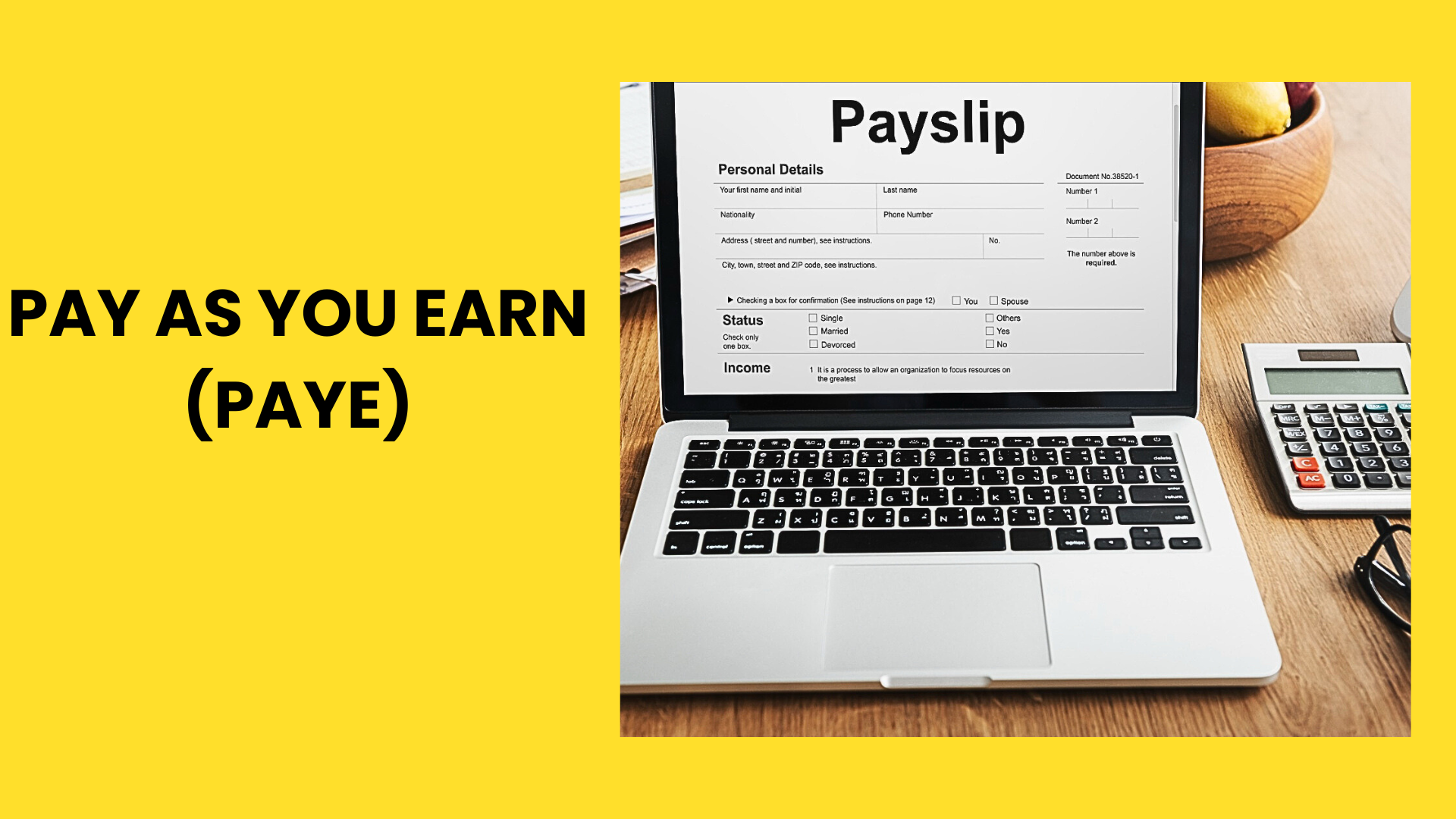

  • Why you should take a CHECK-OFF LOAN now if salaried

    Why you should take a CHECK-OFF LOAN now if salaried

    What comes to mind when you hear check-off loan?

    The first thing to understand about check-off loans is that they are a transaction between the company you work for, the financial institution that gives the loan, yourself (as an employee of the firm), and your income.

    If you need money quickly, a check-off loan is the best option.

    The loan provider will examine your ability to repay the borrowed amount and provide you with an offer based on your repayment capability.

    When to apply for a check-off loan:

    • You need money urgently
    • You need money for an unexpected expense, such as a medical emergency or sudden car repair
    • You want to pay for a wedding, honeymoon or other big events.
    • You want to make some home improvements
    • You want to start a business.
    • You want to pay for education, professional or academic programme

    ALSO READ: REVEALING The 5 Top Loan Apps in Kenya in 2026

    What are the best reasons for a check-off loan?

    There are some things that get neglected when you’re living paycheck to paycheck.

    This is simply because you cannot achieve all of your financial objectives using the only income you have which is from your one salary.

    In such instances, aside from occasional incentives like an annual bonus, the income flow for salaried personnel is essentially stable throughout the year.

    A tailor-made check-off loan for salaried employees can be the perfect solution to meet sporadic contingent or unclassified expenses.

    READ ALSO: “I had 12 loan Apps” – TV host shares her experience borrowing money from digital lenders

    In the current economic situation resulting from the COVID-19 pandemic, we see more and more people resorting to taking check-off loans to meet their emergent monetary requirements, be it long-term or short-term.

    In fact, a check-off loan has come to be the one-size-fits-all solution that is helping salaried employees bridge financial gaps in their lives.

    As the renowned Nelson Mandela once said “There is no passion to be found playing small—in settling for a life that is less than the one you are capable of living.”

    Benefits of a check-off loan for Salaried Employees

    • Easy to apply for.
    • No collateral is required.
    • No guarantor is required.
    • You can access mobile loan
    • Flexible Repayment period of up to 24 months.

    While salary check-off loans are not for everyone, they could be the answer to your financial difficulties.

    You will find that a check-off loan is easier to pay off because you can pay back what was borrowed by using your paycheck as collateral. Just make sure you take care of it so there are not any late fees or bad credit problems in the future!

    You can take a salary check-off loan if your employer has an MOU with Hela Capitals. Click here to check the requirements.

    Hela Capitals has a good track record for offering salary loans to employees working in various Counties, Parastatals and other government institutions. This means that you can be sure that your employer will pay back the amount owed to us by deducting it from your salary as agreed upon in the Memorandum of Understanding.

    Additional Reading: 5 IMPORTANT Rules To Consider While Lending Money To Family And Friends

  • “I had 12 loan Apps” – TV host shares her experience borrowing money from digital lenders

    “I had 12 loan Apps” – TV host shares her experience borrowing money from digital lenders

    According to a survey conducted by the Kenya National Bureau of Statistics, more than 80% of Kenya’s adult population uses mobile money providers, and digital loan services have become an increasingly important avenue for people to access credit, as many are unable to obtain loans from traditional providers such as banks.

    So, why do Kenyans find digital loans appealing?

    It is easy to understand – These loans offer lower interest rates. The lenders deliver loan to your MPesa within few hours. The loans are installment loans, the borrower knows exactly how much they’ll pay every month and for how long.

    What is your experience using loan Apps to borrow money? Have you ever been harassed and ‘debt-shamed’ by a lender after you defaulted?

    Ex-Kiss TV host Angeline Wanjeri shares her experience using Loan Apps:

    In an interview with YouTuber Lynn Ngugi, Angeline Wanjeri, took her time to share her personal experience with using Loan apps.

    According to her, she would borrow money against her belongings. In the process, she lost two refrigerators, two TVs, and her phone, which the loan sharks then sold to recover their losses.

    She was living alone at the time after her father purchased her an apartment after she was repeatedly unable to pay the rent on the house she had been residing in.

    “I had never budgeted because my dad had always provided for me. I was very irresponsible. My dad then bought me an apartment after seeing how much I was struggling. At that time is when I started using loan apps,” says Wanjeri.

    Also Read: 5 IMPORTANT Rules To Consider While Lending Money To Family And Friends

    Wanjeri on why she did she not seek help from her family

    “I was so ashamed because every time I needed help I would call my dad and he would help. I wanted him to feel like I was now responsible. My salary was at the time very little. My behavior was not changing, I remember I once paid 25K on perfume yet I had not paid my bills. I had almost 12 loan apps,”  stated Wanjeri.

    Salary slashed…

    During the Covid 19 pandemic, Wanjeri says her salary was cut and things further went south.

    “When Covid happen our salaries were slashed, and things became heavy. I found a loan on Items Guy. I would take photos of items and send them on Whatsapp, and he would tell you the value, give you the loan and when paying back you pay interest. One time my house was very empty, I would go on TV, make people laugh and I would go back home to an empty house. It became a toxic cycle.”

    Lenders calling her close contacts…

    “The loan shark would call people close to me and tell them that I owe them. They texted and called people in my office, my siblings, and friends. Sometimes my phone would ring more than 100 times in a day.”

    Wanjeri began rethinking her options when the threats got out of hand. She made the decision to quit her job as her father was compelled to settle her loans.

    What lessons can we pick from Wanjeri’s story?

    We take a look at factors to consider when applying for an digital loan:

    1. Read the terms and conditions carefully

    Avoid checking “I agree” on every box. Instead, carefully read the terms and conditions before checking each box. Such an approach will help to avoid unnecessary harassment and stress in the future.

    Understand the interest payable, the repayment date, and any specified penalties for late payment, as well as any third-party charges, if applicable. Prepayment fees, loan cancellation fees, and various legal costs should also be considered.

    Read Also: Simple ways to avoid defaulting on your loan

    2. Evaluate your ability

    Despite the ease with which digital loans are available, it is critical to use them properly in order to better your financial status rather than simply buying things you desire and later struggling to repay.

    So before applying for a digital loan, evaluate all your monthly expenses and needs carefully. How much do you need? and How much can you afford?

    Always, be clear about when you need the funds, for what purpose and how you will repay the loan during the given time.

    Additional Reading: Declined Loan Application? What you should know and what to do about it

    3. Live within your means

    If necessary, draw up a monthly budget to streamline your spending and avoid unwanted or frivolous expenses. A planned budget encourages you to live reasonably well within your means. On the other hand, unplanned spending can increase your debt levels even before you realize what’s happening.

    Create a monthly budget if necessary to streamline your spending and minimize unnecessary or frivolous expenses.

    A well-planned budget encourages you to live comfortably within your means. Unplanned expenditure, on the other hand, might grow your debt levels before you realize it.

    4. Do not use too many Loan Apps

    Do not borrow loans from any lender you come across. This will ensure you’re borrowing for the right reasons from the right source. Build your creditworthiness with a legit lender like HelaPesa which offers you quick salary advance.

    Hela Pesa App is user-friendly, which makes it easy for you to apply for a loan, track your loan status and receive the money immediately. HelaPesa also has a transparent pricing structure, with no hidden fees or charges.

    5. Seek professional help

    If you’re having trouble managing your finances, it may be beneficial to seek expert assistance. A financial advisor can assist you in developing a budget, creating a debt management plan, and investing in your future. They can also offer you essential counsel and help as you seek to achieve financial stability.

    A financial advisor can also assist you in developing a long-term financial plan that includes objectives such as retirement savings, home ownership, and other significant financial milestones.

    They can also guide you through the complex world of investing and offer expert advise on the best investment plans for your specific needs and goals.

    In conclusion…

    Remember, while a loan can be a helpful financial tool, it should be used responsibly and within your means. Borrow only what you need and repay the loan on time to maintain a healthy credit score.

    By using HelaPesa Mobile Salo Loan, you can overcome short-term financial challenges and achieve your goals with ease.

  • 5 IMPORTANT Rules To Consider While Lending Money To Family And Friends

    5 IMPORTANT Rules To Consider While Lending Money To Family And Friends

    When your relatives or friends are struggling financially, lending money to them can be a kind gesture. However, it can become troublesome if your efforts to assist result in conflicts or you encounter financial problems as a result.

    Truth is, we have all found ourselves in a situation where we could not say ‘no’ to our loved ones when they sought monetary assistance. Unfortunately, this is an emotional decision that comes with its consequences.

    So, what do you do when loved ones borrow money from you?

    Here are 5 tips you need to follow while lending money to friends or relatives:

    1. Ask yourself if you can afford it 

    Before lending money to a friend or a relative, you must first consider your financial circumstances.

    How far can it stretch your existing financial situation? Therefore, it is best to refrain from lending under these circumstances. On the other hand, if you have extra money or no debt, you could assist your friend.

    Also Read: Helapesa Survival Guide: How to raise your C.R.B status in 6 Months

    2. Ask for collateral and charge interest

    Relations can be ruined by money. Therefore, it is best to keep things clear from the start to preserve the relationship.

    It’s also a good idea to keep your emotions under check around friends and family because they can take things too lightly. Asking for collateral and negotiating a fixed interest rate against the loan amount are the preferable options to prevent this.

    3. Always have a written agree

    Although it may seem strange or challenging to implement, a written agreement can help both parties understand each other’s obligations and resolve any misconceptions.

    This written agreement may be helpful to you if an unpleasant situation arises where you are left with no choice but to sue them to recover your money.

    4. Don’t be led by emotions

    If you believe your friend or family member’s condition to be genuine, you can lend them money. However, you should also take into account their capacity for repayment.

    To do this, you must learn how much money they make and what other financial obligations they have. Particularly in these circumstances, you need to maintain your composure when it comes to your emotions.

    Unfortunately, because there are no strings of interest obligation tied to these loans, some borrowers can take them casually without risking any legal repercussions.

    Additional Reading: Personal finance institutions in Kenya

    5. Be prepared for the worst

    Keep in mind that you shouldn’t lend money merely out of a sense of obligation. Don’t lend money if it doesn’t make sense to you, plain and simple.

    Additionally, you must accept that the borrower won’t repay if you are aware of their debts or poor credit history. Therefore, it is best to refrain from lending money to them.

    Additionally, you have every right to know how the money will be used as a lender. The choice to lend the loan is fully up to you, so if the justification appears unjustified, you can simply nod and refuse.

    Also Read: Borrowing like a Pro: Tips to help you secure loans

    In conclusion

    If you follow the above tips, you will surely protect both your money and your relationship with your family member or friend. In case, your friend or a family member is in dire need of cash, you can suggest a quick credit facility from Hela Pesa.

    Hela Pesa offers Instant Salary Advance Loans through its Hela Pesa Loan App.  Your friend or relative can download the App, register for free and apply for quick cash.

  • Simple ways to avoid defaulting on your loan

    When is a loan considered to be a default?

    A loan is considered to be in default when the borrower fails to repay the loan according to the terms agreed upon in the loan contract. This typically includes missing or late payments, or not paying the full amount owed. The specific definition of default can vary depending on the type of loan and the lender’s policies.

    If a lender sees that you are likely to default, they will send you a default notice to notify you that you are behind payments and will give you a two weeks notice to catch up on your payment. While the notice won’t be put on record, if you do default, it will reflect in your credit history and this will be a major headache for you in the future should you wish to borrow again

    When a lender gives you a line of credit, they also have a set of checklist to see that you are not likely to default on your loan. It’s a system designed to warn the lender early on so that they can take the necessary steps to ensure they don’t lose their repayments. Some of the indicators include:

    1. Late or missed payments: If a client has a history of late or missed payments, it can be a warning sign that they’re struggling to keep up with their loan obligations. this is a major red flag and most lenders could prefer never to lend to the client again.
    2. High debt-to-income ratio: If a client’s existing debt is too high compared to their income, they may be more likely to default on their loan. Like a company, a high debt to income is a clear indication of a person is likely to declare bankruptcy.
    3. Employment change: A change in employment status, such as a job loss or reduction in hours, can increase the risk of default as it may impact their ability to make loan payments.
    4. financial distress: If a client is experiencing financial difficulties, such as high medical expenses or a significant decrease in income, it can increase the risk of default.
    5. Unforeseen events: Unforeseen events, such as natural disasters or personal emergencies, can also increase the risk of default as they can disrupt a client’s financial stability.
    6. Poor credit history: A client with a poor credit history, including a low credit score or a history of defaulting on previous loans, is more likely to default on a new loan.
    7. Loan purpose: If the loan is for a risky or speculative purpose, such as a high-risk investment, the risk of default may be higher.
    8. Inaccurate information: If the information provided by the client in their loan application is inaccurate or incomplete, it can increase the risk of default as they may be unable to repay the loan as agreed.
    9. Insufficient collateral: If the loan is secured, a lack of sufficient collateral can increase the risk of default as the lender may be unable to recover the loan if the borrower defaults.

    These are some of the indicators that a client is likely to default on a loan, but the specific factors may vary depending on the type of loan and the lender’s individual lending policies. this indicator is a good checklist for you as a client to ensure you don’t fall on the wrong side of your lenders books (pan intended). Defaulting on your loan has some major consequences which we covered.

    In the banking industry, a loan account is considered a Non-Performing Asset (NPA) based on a 90- 120 days delinquency.

    What are some of the steps you can take to avoid defaulting?

    1. Create a budget: Start by creating a realistic budget that takes into account all of your expenses, including your loan payments. Your budget should have a comprehensive debt repayment plan which you must follow to ensure your debt obligation are taken care of.
    2. Make timely payments: Make sure to make all of your loan payments on time, as missed or late payments can have a significant impact on your credit score. As we had discussed on indicators of defaulting, late payments are likely to get you peneralized like you have already defaulted. if you are going to be late for an unavoidable reason, call your lender early and inform them of your conandrum so they can advise you accordingly and avoid receiving a default notice which will cause a lot of issues in the future
    3. Stay within your means: Avoid taking on more debt than you can afford to repay, and prioritize paying off high-interest debt first. This way you will always have a good debt-to-income ratio that wont burden your credit score. It is also important to remember that your income must support your persona; expenses and not just repay debts.
    4. Communicate with your lender: If you’re struggling to make your loan payments, reach out to your lender as soon as possible. They may be able to work with you to find a solution. A simple phone call can save you a lot of pain in the future, even your lender is a human being, they want to recover their debt not spend time trying to sale your collateral to recover it.
    5. Consider a loan modification: If you’re unable to make your loan payments, a loan modification may be an option. This involves changing the terms of your loan to make it more manageable.
    6. Seek financial counselling: Consider seeking the help of a financial counsellor or debt management expert if you’re having difficulty managing your debt.
    7. Prioritize essential expenses: If you’re struggling to make ends meet, prioritize your essential expenses, such as food, housing, and transportation.
    8. Avoid additional debt: Avoid taking on additional debt, such as credit card balances, until you’re able to get your current debt under control.
    9. Consider debt consolidation: If you have multiple loans, consider consolidating them into a single loan with a lower interest rate.
    10. Stay informed: Stay informed about changes in your financial situation and any changes to your loan terms to ensure that you’re able to make your loan payments on time.

    By following these tips, you can help avoid defaulting on your loan and maintain a good credit history.

  • Declined Loan Application? What you should know and what to do about it

    Have you tried to apply for a line of credit and it was denied by your lender? Sometimes it’s not always obvious what you did wrong for your credit to be declined. One of my friends, who runs a wholesale store recently tried to apply for a loan to expand his history and to her shock, it was denied. she has never taken a loan before and her credit rating was good. She asked me to dig around and I found out she had a late payment for her HELB loan when she had finished her diploma and the agency had listed her in CRB. Even though she cleared the HELB loan, her name remained in the CRB and we had to go to the HELB and ask them to purge her name to clear her to get a loan. Cases like this are not unheard of in Kenya, and it’s important to understand the lender’s checklist so that you might not find yourself in a fix when you need a line of credit.

    what are the factors that lenders use to determine who to lend to?

    Lenders use several factors to determine loan eligibility and make lending decisions, here are ten major factors that lenders consider:

    1. Credit history and score: A borrower’s credit history and score reflect their ability to repay the debt on time and in full. A good credit history will give the lender confidence in your repayment ability since they can see you have taken credit before and have come through during payments. To lenders, your ability to repay far outweighs any other criteria on this list. credit score will determine the rate the bank sets for your loan, and it’s important to ensure you keep your credit score high during the entire period of the loan to avoid an increase in your loan interest.
    2. Income: Lenders want to see that the borrower has a stable source of income that will support regular loan payments. Furthermore, your income is likely to be the main deciding factor on how much you can borrow and the time it will take you to repay your loan.
    3. Employment status: The borrower’s current employment status and job stability are important factors for lenders. Lack of employment means you lack a source of income, and no lender will give out a loan without a means of repayment, even with collateral available.
    4. Debt-to-income ratio: Lenders want to see that the borrower has enough income to support loan payments, and not too much-existing debt. if your debt-to-income ratio is too high then there is a chance of defaulting which can give lenders cold feet lending to you.
    5. Collateral: Some loans, such as secured loans, require collateral, which is an asset that the lender can seize if the borrower defaults on the loan.
    6. Loan purpose: The lender wants to understand the purpose of the loan and how the funds will be used. Understanding the purpose of the loan helps the lender assess the risk involved in lending money. For example, a loan for a risky business venture is considered riskier than a loan for a secure investment such as a home purchase. Further, understanding the purpose of the loan also helps the lender prevent fraud by ensuring that the funds are used for the intended purpose and not for illegal activities. In some cases, the purpose of the loan may determine if the loan is subject to certain legal requirements, such as disclosure and consumer protection regulations.
    7. Loan amount: The loan amount requested and the borrower’s ability to repay the loan will also be considered by the lender.
    8. Repayment term: The loan repayment term and the borrower’s ability to make regular payments over the agreed term will also be evaluated.
    9. Interest rate: The interest rate charged on the loan is also a factor, as it affects the cost of borrowing and the size of the loan payments.
    10. Market conditions: Lenders will consider the overall economic climate and market conditions when making lending decisions.

    These are the main factors considered by lenders, but the specific criteria may vary depending on the type of loan and the lender’s individual lending policies.

    why was my credit request denied?

    There could be several reasons why you were turned down for credit, some common reasons include:

    1. Poor credit history and low credit score: A low credit score and a history of late or missed payments can negatively impact your creditworthiness and lead to loan rejection.
    2. High debt-to-income ratio: If your existing debt is too high compared to your income, lenders may view you as a higher risk and be less likely to approve your loan application.
    3. Limited credit history: If you have limited or no credit history, lenders may not have enough information to assess your creditworthiness, which can result in loan rejection.
    4. Recent derogatory credit events: Recent events such as bankruptcy, foreclosure, or wage garnishment can significantly hurt your credit standing and make it difficult to be approved for credit.
    5. Employment instability: Lenders want to see stability in their employment, so frequent job changes or a history of job loss can negatively impact your chances of being approved for credit.
    6. Inconsistent or insufficient income: If your income is inconsistent or too low to support regular loan payments, you may be turned down for credit.
    7. Lack of collateral: If you’re applying for a secured loan, a lack of acceptable collateral can make it difficult to be approved for credit.
    8. Loan purpose: If the loan is for a risky or speculative purpose, lenders may be more hesitant to approve the loan.
    9. Recent loan applications: A high number of recent loan applications can indicate that you’re in financial distress and increase the risk of loan rejection.
    10. Incomplete or inaccurate information: If the information you provide in your loan application is incomplete or inaccurate, it can impact your chances of being approved for credit.
    1. Poor credit history and low credit score: Your credit history and score play a significant role in the lending decision process. A low credit score or a history of late or missed payments can lower your chances of being approved for credit.
    2. High debt-to-income ratio: If you have a high amount of debt relative to your income, this can make it difficult for you to repay new debt and reduce your chances of being approved for credit.
    3. Limited credit history: If you have a limited credit history, lenders may be reluctant to approve you for credit as they have less information about your creditworthiness.
    4. Recent derogatory credit events: Recent events such as bankruptcy, foreclosure, or wage garnishment can hurt your credit standing and reduce your chances of being approved for credit.
    5. Employment instability: Your current employment status and job stability are important factors for lenders. If you have a history of job loss or frequent job changes, lenders may view you as a higher risk and be less likely to approve your loan application.

    These are some common reasons why you might be turned down for credit. If you want to improve your chances of being approved for credit, it’s important to maintain a good credit history, keep your debt-to-income ratio low, and demonstrate stability in your employment and financial situation.

  • How to become financially stable in 7 proven steps

    Becoming financially stable is a goal that many people strive for, but it can be difficult to know where to start. To get a better lifestyle one must get stable financially. There are many different strategies and techniques that can be used to improve your financial situation, but it’s important to find a plan that works for you. Here are 7 proven steps that can help you to become financially stable:

    Step 1: Create a budget

    The first step in becoming financially stable is creating a budget. A budget is a detailed plan that helps you to track your income and expenses, identify areas where you can cut costs, and prioritize your debt payments. By creating a budget, you’ll be able to see exactly where your money is going and make adjustments as needed. To create a budget, you will need to gather all of your income and expense information. This includes your salary, any other forms of income, and all of your bills, such as rent, mortgage, utilities, and credit card payments. Once you have all of this information, you can use it to create a monthly budget. Many online budgeting tools and apps are available that can help you create a budget and track your spending.

    Step 2: Reduce debt

    One of the biggest roadblocks to financial stability is high levels of debt. To reduce your debt, you’ll need to focus on paying off high-interest loans first, such as credit card debt. These types of loans typically have higher interest rates, which means that you’ll end up paying more in interest over time. Additionally, you may want to consider consolidating your loans to reduce interest rates and monthly payments. Debt consolidation is a process where multiple loans are combined into one single loan. This can help to reduce interest rates and monthly payments and make it easier to manage multiple debts.

    Step 3: Build an emergency fund

    An emergency fund is a savings account that you can use to cover unexpected expenses, such as a car repair or a medical bill. It’s important to have at least 3-6 months’ worth of living expenses saved in an emergency fund to protect yourself from financial emergencies. Building an emergency fund will help you to be prepared for unexpected expenses, and avoid adding to your debt. You can start small, with a small amount of money set aside each, and gradually increase the amount as you are able to save more.

    Step 4: Invest in your future

    In order to become financially stable, you’ll need to invest in your future. This may include saving for retirement, buying a house, or starting a business. Investing in your future is important because it helps you to build wealth over time and improve your financial situation. When it comes to retirement savings, there are several options available such as 401(k) or IRA, which are tax-advantaged retirement accounts that allow you to save for retirement while getting tax benefits. Investing in property or starting a business can also be a great way to build long-term wealth. However, it is important to conduct thorough research and seek professional advice before making any investment decisions.

    Step 5: Live below your means

    Living below your means is a key aspect of becoming financially stable. This means spending less money than you earn and avoiding unnecessary expenses. By living below your means, you’ll be able to save more money and reduce your debt. This can be achieved by finding ways to cut costs, such as cooking at home instead of eating out, or negotiating better rates on bills and services. It also involves avoiding impulse buying and making conscious purchase decisions.

    Step 6: Be smart about credit

    Credit can be a useful tool, but it can also be a major source of debt if used improperly. To be smart about credit, you’ll need to use credit cards responsibly, pay your bills on time, and avoid taking on more debt than you can afford to pay off. This means keeping your credit card balances low and making payments on time, as well as only applying for credit when you need it. It also means avoiding taking on too much debt and keeping your credit score in good standing.

    Step 7: Seek Professional

    Help If you’re struggling to manage your finances, it may be helpful to seek professional help. A financial advisor can help you create a budget, develop a debt management plan, and invest in your future. They can also provide you with valuable advice and guidance as you work to become financially stable. A financial advisor can also help you to create a long-term financial plan, which will include goals such as retirement savings, buying a house, and other important financial milestones. They can also help you to navigate the complex world of investing and provide you with expert advice on the best investment strategies for your individual needs and goals. Additionally, they can provide guidance on tax planning and help you to take advantage of any tax benefits that may be available to you.

    Furthermore, a financial advisor can also help you to identify any areas where you may be overspending and suggest ways to reduce your expenses. They can also help you to create a plan to pay off high-interest debt and help you to set realistic financial goals. Additionally, they can also help you to review your insurance coverage and make sure that you have adequate protection in case of unexpected events.

    In conclusion, becoming financially stable is a goal that can be achieved by anyone with the right mindset and a solid plan in place. By following these 7 proven steps, you can improve your financial situation and achieve long-term financial stability. However, it’s important to remember that achieving financial stability is not a one-time event, but rather a continuous process that requires regular monitoring and adjustments. And seeking professional help when needed is a wise decision to make.

  • Debt Management

    Debt management is a critical issue for individuals, businesses, and governments, and refers to the strategies and practices used to manage and reduce debt. The goal of debt management is to improve financial situations by making it easier to pay off debt and reduce interest rates and monthly payments. In Kenya, debt management is a critical issue and the government also has a debt management strategy in place to ensure the sustainable management of the country’s national debt. In this article, we will discuss some common debt management strategies and techniques including budgeting, negotiating with creditors, consolidating loans, credit counselling, debt management plans, and bankruptcy.

    Debt Management in Kenya

    Debt management in Kenya refers to the strategies and practices used by individuals, businesses, and government agencies to manage and reduce their debt. This can include negotiating with creditors, consolidating loans, creating a budget, and making timely payments. The government of Kenya also has a debt management strategy in place to ensure the sustainable management of its national debt. This includes measures such as debt restructuring, prioritizing debt service payments, and reducing the overall debt burden.

    Sure, in Kenya, debt management is a critical issue for individuals, businesses, and the government. For individuals, debt management typically involves creating a budget, negotiating with creditors, and consolidating loans to reduce interest rates and monthly payments. This can help to improve cash flow and make it easier to pay off the debt over time.

    For businesses, debt management may involve securing additional financing, restructuring existing loans, or implementing cost-cutting measures to improve profitability. This can help to ensure that the business has the financial resources necessary to meet its obligations and continue operating.

    The Kenyan government also has a debt management strategy in place to ensure the sustainable management of the country’s national debt. This includes measures such as debt restructuring, prioritizing debt service payments, and reducing the overall debt burden. This helps to ensure that the government has the necessary resources to fund important public services and infrastructure projects, while also maintaining a sustainable level of debt.

    In addition, The Central Bank of Kenya (CBK) also has a role in debt management in Kenya by setting the monetary policy and ensuring the stability of the financial system. They also issue guidelines for commercial banks to manage their debts and loans, hence the CBK is an important player in the debt management space in Kenya.

    Overall, effective debt management is essential for ensuring the financial stability and growth of Kenya’s economy. It involves a range of strategies and practices, including budgeting, negotiation, consolidation, and government debt management policies, to help individuals, businesses, and government agencies manage and reduce their debt.

    How To Undertake Debt Management in Your Personal Finance

    Debt management is the process of managing and reducing debt through a variety of strategies and techniques. The goal of debt management is to help individuals and organizations improve their financial situation by making it easier to pay off debt and reduce interest rates and monthly payments.

    Here are some common debt management strategies and techniques:

    1. Budgeting: One of the most important aspects of debt management is creating a budget. A budget helps individuals and organizations track their income and expenses, identify areas where they can cut costs, and prioritize their debt payments.
    2. Negotiating with Creditors: Another key aspect of debt management is negotiating with creditors. This can involve requesting a lower interest rate, an extension of the loan term, or a reduction in the amount owed. By negotiating with creditors, individuals and organizations can reduce their monthly payments and make it easier to pay off their debt.
    3. Consolidating Loans: Debt consolidation is a process where multiple loans are combined into one single loan. This can help to reduce interest rates and monthly payments and make it easier to manage multiple debts.
    4. Credit Counseling: Credit counselling is a service that helps individuals and organizations to understand and manage their debt. Credit counselors will work with individuals and organizations to develop a budget and debt management plan, and help them to negotiate with creditors.
    5. Debt Management Plan: A debt management plan is a formal agreement between an individual or organization and its creditors. A debt management plan typically involves reducing interest rates, extending the loan term, and reducing the amount owed.
    6. Bankruptcy: Bankruptcy is a legal process that allows individuals and organizations to have their debt discharged or restructured. Bankruptcy is typically a last resort for individuals and organizations with significant debt that cannot be managed through other means.

    In Kenya, the government also plays a role in debt management through its debt management strategy, which aims to ensure the sustainable management of the country’s national debt. This includes measures such as debt restructuring, prioritizing debt service payments, and reducing the overall debt burden.

    It’s important to note that debt management is not a quick fix, it requires commitment and discipline to stick to the plan. Moreover, it’s always advisable to consult a financial expert or a credit counsellor before making any decisions.

    Conclusion

    In conclusion, debt management is a crucial aspect of financial planning and management in Kenya. It helps individuals, businesses, and the government to manage their debt and reduce the financial burden it causes. By creating a budget, negotiating with creditors, consolidating loans, and utilizing credit counselling services, individuals and organizations can improve their cash flow, reduce interest rates and monthly payments, and make it easier to pay off debt over time. Additionally, the government plays a significant role in debt management by implementing strategies and policies that ensure the sustainable management of the country’s national debt.

    It’s important to remember that debt management is not a one-time solution but a continuous process that requires discipline, commitment, and patience. It’s always advisable to consult a financial expert or a credit counsellor before making any decisions. It’s also important to note that while debt management can be an effective tool for managing debt, it’s not a substitute for sound financial planning and management practices. By implementing these debt management strategies, individuals and organizations can achieve a better financial situation, increased financial stability, and a stronger economy.

  • Dealing with a Loan Default

    What is a default?

    A loan default occurs when a borrower fails to repay a loan according to the terms agreed upon in the loan agreement. This can happen for various reasons, such as the borrower losing their source of income, not having the means to repay the loan, or simply not making payments as required. When a loan is in default, the lender may take legal action to recover the outstanding balance, which can result in wage garnishment, asset seizure, or other collection efforts.

    How long does a default stay on your CRB File?

    In most cases, a loan default will stay on your credit file for up to 7 years. This can have a significant impact on your credit score and ability to obtain credit in the future. However, the length of time that a default stays on your credit file can vary depending on the type of loan, the credit reporting agency, and the laws of your jurisdiction. It’s important to note that paying off a defaulted loan does not necessarily remove it from your credit history. To improve your credit standing after default, you can make an effort to pay your bills on time and reduce your outstanding debt.

    What is a CRB default notice?

    A default notice is a formal notification from a lender or creditor indicating that a borrower has failed to make payments on a loan or debt according to the agreed-upon terms. This notice typically informs the borrower that they are in default and may face legal action if they do not bring the loan current by paying the past-due amount and any additional fees or charges. Default notices serve as a warning to the borrower that they are at risk of losing their collateral (such as a home or car) and damaging their credit standing if they do not take action to rectify the default. In some cases, a default notice may also initiate the start of the foreclosure or repossession process.

    Can I get a loan if I have a default?

    Having a default on your credit history can make it difficult to obtain a loan or mortgage, as it signals to lenders that you have a history of not meeting your debt obligations. However, it’s not impossible to get credit after a default. The extent to which a default affects your ability to get credit depends on various factors, such as the severity of the default, the type of loan, how long ago it occurred, and your current financial situation. In general, the longer you wait after a default to apply for credit, the more likely it is that your credit standing will have improved. Additionally, if you have taken steps to improve your financial situation, such as paying off debt and building savings, you may be more likely to be approved for credit. It’s always a good idea to check your credit report and address any errors or inaccuracies before applying for credit.

    Does my employer have access to my loan defaults?

    In most cases, employers do not have access to your credit information, including defaulted loans. Employers may conduct a background check as part of the hiring process, but this typically includes a review of criminal records, work history, and educational qualifications, rather than credit information. In some cases, employers may be able to see your credit information if they have a legitimate business reason, such as if you are applying for a job that requires handling money or sensitive information. Additionally, certain types of employers, such as banks and government agencies, may have the legal right to access your credit information. If you are concerned about your credit information being accessible to potential employers, you can check your credit report for accuracy and take steps to improve your credit standing.

    How can I reduce the negative impact of a CRB Default listing?

    Yes, it is possible to reduce the negative impact of a CRB default listing on your credit. Here are a few steps that you can take:

    1. Pay off the defaulted debt: Paying off the defaulted debt in full can show lenders that you are committed to meeting your financial obligations. This can help to improve your credit standing over time.
    2. Negotiate with the lender: You may be able to negotiate with the lender to have the default removed from your credit report in exchange for making payments on the debt. This is known as a “pay for delete” agreement.
    3. Dispute errors on your credit report: If there are errors on your credit report, you can dispute them with the credit reporting agency. This may include errors related to the default, such as incorrect information about the debt amount or payment history.
    4. Work to improve your credit: Pay all of your bills on time, reduce your outstanding debt, and avoid taking on new debt. These steps can help to improve your credit score and demonstrate to lenders that you are a responsible borrower.
    5. Wait: The negative impact of a default on your credit will lessen over time, usually after 7 years. Continuously working to improve your credit can help you regain your creditworthiness.

    Remember, the process of repairing your credit after defaulting can take time, and there is no guarantee that your credit standing will fully recover. It’s important to be patient, take a long-term approach, and stay focused on improving your financial situation.

    Can I remove or update a default on my CRB file?

    In some cases, it may be possible to have a default removed from your credit file, or to have it updated to reflect that it has been paid or settled. However, this is not a guarantee, and the process can be complex. Here are a few options to consider:

    1. Dispute errors: If there are errors on your credit report related to the default, such as incorrect information about the debt amount or payment history, you can dispute them with the credit reporting agency.
    2. Negotiate with the lender: You may be able to negotiate with the lender to have the default removed from your credit report in exchange for making payments on the debt. This is known as a “pay for delete” agreement, and the terms will vary depending on the lender and the situation.
    3. Wait: The negative impact of a default on your credit will lessen over time, usually after 7 years. This means that the default will eventually drop off your credit file naturally, without the need for intervention.

    It’s important to note that removing or updating a default on your credit file is not a guaranteed process, and the results will depend on the lender and the credit reporting agency. In some cases, a default may remain on your credit file even after you have paid the debt, or it may still be reflected as a default even if it has been updated to reflect that it has been paid or settled. It’s always a good idea to check your credit report regularly to ensure that the information it contains is accurate and up-to-date.

  • Loan Collateralization

    Loan Collateralization

    what is a collateralized loan?

    Usually, when applying for a loan you personally guarantee its repayment in full. This includes putting your assets in line to cover the loan in case of a default. This is called collateralization of the loan. Collateralization is the act of using an asset as a security for a loan. It is also why it is referred to as a secured loan. The collateral serves as protection for the lender in case the borrower defaults on the loan. If the borrower is unable to repay the loan, the lender can seize the collateral and sell it to recoup their losses. Common forms of collateral include real estate, vehicles, stocks, and bonds. The value of the collateral must typically be equal to or greater than the value of the loan.

    How does a collateralized loan work?

    A collateralized loan is a loan that is backed by an asset or collateral, which the lender holds as security for the loan. If the borrower fails to repay the loan, the lender has the right to seize the collateral and sell it to repay the debt. The value of the collateral must be equal to or greater than the amount of the loan. This type of loan is often used for high-value assets such as land, imports, or vehicles, and can often result in lower interest rates and more favourable loan terms for the borrower.

    What happens if I default on a Collateralized loan?

    If you default on a loan collateralization, the bank or financial institution has the legal right to sell the security to recover the loan. Most institutions could prefer they negotiate with you on how you can get back on your repayment since all they want is their loan repaid. Furthermore, if you know you are likely to default, it’s wise to talk with your bank early so that you can come to an agreement on a grace period to enable you to continue repaying your debt.

    In case of a default, you are likely to be listed in the CRB which will tank your credit rating and undermine your future ability to borrow.

    What is the difference between a collateralized loan and a mortgage?

    Collateral loans and mortgage loans are similar in that they both use the property as collateral to secure a loan. A mortgage is one of the most common forms of loans given out by banks using the property as collateral. But unlike other secured loans, you still have the ability to use your security, that is you still live in your house. there are other major key differences between collateral loans and mortgages:

    1. Purpose: A collateral loan can be used for a variety of purposes, such as starting a business or consolidating debt, while a mortgage loan is specifically used to purchase real estate or refinance an existing mortgage.
    2. Loan amount: A collateral loan may have a smaller loan amount compared to a mortgage loan, which is usually for a larger sum to finance the purchase of a property or refinance an existing mortgage.
    3. Repayment terms: The repayment terms for a collateral loan may be shorter than a mortgage loan, which usually has a longer repayment period of 15-30 years.
    4. Interest rates: Collateral loans may have higher interest rates compared to mortgage loans, which are often secured by a valuable asset and have a lower risk for the lender.
    5. Foreclosure: In the event of default, a lender can seize the collateral for a collateral loan and sell it to recoup their losses. In the case of a mortgage loan, the lender can foreclose on the property and sell it to recover their losses.
    6. Credit score requirements: Mortgage loans typically have higher credit score requirements compared to collateral loans, as they involve a larger sum of money and a longer repayment period.

    What are the advantages of collateralized loans?

    Collateralized loans have several advantages, including:

    1. Lower interest rates: Lenders may offer lower interest rates on collateralized loans, as they have the added security of the collateral.
    2. Approval chances: Borrowers with a poor credit history or low income may still be able to secure a loan with the use of collateral.
    3. Flexibility: Collateralized loans can be used for a wide range of purposes, including business expansion, investment, or personal expenses.
    4. Potential for higher loan amounts: Borrowers may be able to secure larger loan amounts with the use of collateral, as the lender has security to fall back on in the event of default.
    5. Improved loan terms: Borrowers may be able to negotiate better loan terms, such as longer repayment periods or lower monthly payments, with the use of collateral.

    Overall, collateralized loans can be a good option for borrowers who are looking for greater security and improved loan terms.

    What are the disadvantages of collateralized loans?

    1. Risk of losing the collateral: If the borrower fails to repay the loan, the lender can seize the collateral and sell it to repay the debt. This means the borrower risks losing a valuable asset.
    2. Lower loan amounts: Collateralized loans often have lower loan amounts compared to unsecured loans, as the lender is taking on less risk.
    3. Appraisal costs: The borrower may need to pay for an appraisal of the collateral, which can add to the overall cost of the loan.
    4. Liquidity constraints: The borrower may not be able to use the collateral while it is pledged as security for the loan. This can limit their financial flexibility and access to funds.
    5. Complex legal processes: Foreclosing on collateral can be a complex and time-consuming process, involving legal procedures that can be costly and lengthy.
    6. Credit score impact: A borrower who defaults on a collateralized loan may see their credit score drop, making it more difficult to obtain future loans.

    Conclusion

    Collateralized loans are based on a security to back the risk of borrowing. You can borrow far much higher loan amounts based on the value of your security without a good credit score. Defaulting on a collateralized loan leads to the loss of the security used for the collateral.

  • Bank Alternatives for Small Enterprises in Kenya

    Small enterprises in Kenya, like in many other developing countries, face a number of challenges when it comes to accessing financial services. Traditional banks often have strict lending criteria and high fees, making it difficult for small businesses to secure the funding they need to grow and thrive. This lack of access to financial services can limit the growth and development of small enterprises in Kenya, hindering economic growth and development. However, there are a number of alternatives to traditional banking that can provide small enterprises in Kenya with the financial services they need. These alternatives include microfinance institutions, mobile money, savings and credit cooperatives, peer-to-peer lending, and digital banks. These alternatives have been designed to cater to the specific needs of small enterprises and have been instrumental in providing financial services to low-income populations and small enterprises in Kenya. This report will provide an extensive analysis of these alternatives, their features, and how they can be used by small enterprises in Kenya to access financial services and grow their businesses.

    Microfinance institutions

    Microfinance institutions (MFIs) are financial organizations that provide small loans and other financial services to individuals and small businesses that may not be able to access traditional banking services. MFIs have been instrumental in providing financial services to low-income populations and small enterprises in Kenya. They typically offer a range of services, including savings accounts, loans, insurance, and other financial services. MFIs typically have more flexible lending criteria than traditional banks and may offer lower interest rates and fees. This allows small enterprises to access funding that they would not be able to secure through traditional banks, which often have strict lending requirements. Additionally, MFIs can provide small enterprises with financial education and training, which can help them better manage their finances and grow their businesses.

    MFIs in Kenya, such as K-Rep Development Agency, Opportunity International, and Juhudi Kilimo, also have a wide reach, they have branches in various locations and this makes it easy for small enterprises in remote areas to access their services. In addition, MFIs have been known to provide customized products and services that are tailored to the needs of small enterprises. For example, they may offer group loans or offer training on how to access other forms of financing, such as grants or venture capital.

    Digital Mobile Financial Institutions

    Mobile money is a rapidly growing financial service in Kenya that allows individuals and businesses to send and receive money, pay bills, and access other financial services through their mobile phones. This technology allows for fast and efficient financial transactions, making it an appealing option for small enterprises. M-Pesa, a mobile money service provided by Safaricom, is the most popular mobile money platform in Kenya and is widely used by small enterprises to make payments and manage their finances. It is also used to transfer money to other mobile users and pay bills. The platform also enables users to access loans, savings, and insurance services. The mobile money platform has made it easy for small enterprises to conduct financial transactions, which would have been a challenge if they were to rely on traditional banking services.

    Savings and credit cooperatives (SACCOs)

    Savings and credit cooperatives (SACCOs) are financial institutions that are owned and controlled by their members. They are typically established to provide financial services to a specific group of people, such as members of a particular community or workers in a particular industry. In Kenya, SACCOs are a popular alternative to traditional banking for small enterprises. They typically have more relaxed lending criteria than traditional banks and may offer lower interest rates and fees. This can make it easier for small enterprises to access funding through SACCOs. Additionally, SACCOs often provide other financial services, such as savings accounts, insurance, and other products that can help small enterprises manage their finances. SACCOs are also known to provide financial education, which can help small enterprises make informed financial decisions.

    Peer-to-peer lending

    Peer-to-peer lending is a form of crowdfunding that allows individuals and small businesses to borrow money from a network of lenders. Platforms like Helapesa, Branch, Tala, and Okash are some of the popular peer-to-peer lending platforms in Kenya, they offer small enterprises an alternative way to access funding and have become increasingly popular in recent years. These platforms connect borrowers with lenders directly, and the loans are typically unsecured and provided at relatively low interest rates. This can make it easier for small enterprises to access funding that they may not be able to secure through traditional banks. Additionally, peer-to-peer lending platforms often provide financial education and training, which can help small enterprises better manage their finances and grow their businesses.

    Digital banks

    Digital banks are a new form of banking that uses digital technology to provide financial services. They offer a range of financial products and services through digital channels such as mobile apps, online platforms, and other digital interfaces. They are a relatively new phenomenon in Kenya but are rapidly growing. The current digital banks in Kenya include; KCB MobiBank, Equity Bank’s EazzyBanking, and Stanbic Bank’s Mobile App. These digital banks often have lower overhead costs than traditional banks, which allows them to offer lower fees and interest rates. This can make it easier for small enterprises to access funding through digital banks. Additionally, digital banks often provide other financial services, such as savings accounts and insurance, which can help small enterprises manage their finances. The digital platform also enables customers to access financial services at their convenience without having to visit the physical branches.

    Conclusion

    Small enterprises in Kenya face a number of challenges when it comes to accessing financial services, but there are a number of alternatives to traditional banking that can provide the financial services they need. Microfinance institutions, mobile money, savings and credit cooperatives, peer-to-peer lending, and digital banks are all viable alternatives that small enterprises can consider. These alternatives have been designed to cater to the specific needs of small enterprises and have been instrumental in providing financial services to low-income populations and small enterprises in Kenya.

    It is important to note that each of these alternatives has its own unique features and benefits, and small enterprises should carefully evaluate which option is the best fit for their needs. For example, a small enterprise that primarily operates in a rural area may find that a microfinance institution is the best option, while a small enterprise that primarily operates online may find that a digital bank is a better fit.

    However, it is important to note that these alternatives alone cannot solve all of the financial challenges faced by small enterprises in Kenya, they need to be supported by other measures such as government policies, regulations, and programs that aim to promote small enterprise development. In addition, small enterprises should also be encouraged to adopt financial management best practices and technology that can help them to better manage their finances and improve their access to financial services.

  • Five Financial Apps you should use to increase your savings

    1. Mint

    Mint is a personal finance app that allows you to connect all of your bank accounts, credit cards, and investment accounts in one place. This means that you can see all of your account balances, transactions, and other financial information in one place, which can make it easier to manage your finances. In addition to this, Mint automatically categorizes your transactions into different categories, such as groceries, transportation, and entertainment. This helps you understand where your money is going, and make adjustments to your spending if necessary. The app also has a feature that allows you to set savings goals and track your progress toward them. For example, you can set a goal to save $1,000 for a vacation, and Mint will show you how much you have saved towards that goal, and how much more you need to save.

    Advantages:

    • It allows you to see all of your financial accounts in one place, which makes it easier to manage your finances.
    • The automatic categorization of transactions helps you understand where your money is going and make adjustments to your spending.
    • The savings goals feature allows you to set specific goals and track your progress toward them.

    Shortcomings:

    • Some users have reported difficulty connecting certain financial accounts to the app, such as smaller banks or credit unions.
    • Some users have reported that the app is not always accurate in its categorization of transactions, which can make it difficult to understand where your money is going.

    2. Digit/ Oportun

    Digit is a savings app that automatically saves small amounts of money from your checking account into a savings account. The app uses an algorithm to determine how much you can afford to save each day and transfers the money for you. This means that you don’t have to think about saving money, the app does it for you. The app also provides you with daily balance updates, so you can see how much you have saved, and gives you the option to save up for a specific goal. For example, you can set a goal to save $1,000 for a vacation, and Digit will automatically save money for you until you reach that goal.

    Advantages:

    • The automatic savings feature helps users who struggle with self-discipline to save money.
    • The app’s algorithm helps users save money without feeling the pinch.
    • The app also allows you to set savings goals and track your progress toward them.

    Shortcomings

    • Some users have reported difficulty cancelling the service.
    • The interest rates on the savings account may be lower than other savings accounts

    3. Qapital

    Qapital is a savings app that allows you to set up rules for saving money. For example, you can set up a rule that saves $5 every time you make a purchase over $50. You can also set up a rule that saves a percentage of your paycheck every month. The app also allows you to set savings goals and track your progress toward them. For example, you can set a goal to save $1,000 for a vacation, and Qapital will show you how much you have saved towards that goal, and how much more you need to save.

    Advantages

    • The app allows you to set up rules that align with your spending habits, which makes it easier to save money.
    • The app allows you to set savings goals and track your progress toward them.
    • The app’s interface is user-friendly and easy to navigate.

    4. Acorns

    Acorns is a savings and investment app that rounds up your purchases to the nearest dollar and invests the difference in a diversified portfolio of exchange-traded funds (ETFs). For example, if you make a purchase of $3.50, the app will round it up to $4 and invest the $0.50 difference in your portfolio. The app also offers a feature called “Found Money” which allows you to earn cash back when you shop at certain retailers. These retailers will then invest that cash back into your portfolio on your behalf.

    Advantages

    • The app’s round-up feature helps users save money without thinking about it.
    • The app offers a variety of investment options, which can help users grow their savings over time.
    • The “Found Money” feature allows users to earn cash back on purchases they were going to make anyway.

    Shortcomings

    • Some users have reported difficulty connecting certain financial accounts to the app.
    • The investment options may not be suitable for all users and the app may not be suitable for those with a low-risk tolerance.
    • The fees for the app are higher than other savings apps.

    5. Wally

    Wally is a personal finance app that helps you track your income, expenses, and savings. It allows you to set savings goals, and track your progress toward them. The app also offers a feature that allows you to view your spending by category, so you can see where your money is going and make adjustments if necessary. Wally also allows you to connect your bank and credit card accounts to the app to automatically track your transactions and expenses. The app also provides a feature for budgeting and forecasting your future income and expenses.

    Advantages

    • The app allows you to set savings goals and track your progress toward them.
    • The app’s interface is user-friendly and easy to navigate
    • The app allows you to connect your bank and credit card accounts to automatically track your transactions and expenses.
    • The app’s budgeting and forecasting feature can help you plan for future expenses and income.

    Shortcomings

    • Some users have reported difficulty connecting certain financial accounts to the app.
    • Some users have reported that the app’s budgeting and forecasting feature is not always accurate.
    • The app may not be suitable for those who are looking for advanced investment options or portfolio tracking.

    Overall, all of these apps can be useful tools to help you increase your savings, but it’s important to consider which features are most important to you and whether an app’s advantages outweigh its shortcomings. You may want to try out a few different apps to see which one works best for you.

  • How to beat the recession

    with the current economic headwinds in Kenya, a recession is inevitable. A recession is a period of economic decline characterized by a decrease in the gross domestic product (GDP), employment, and trade lasting typically for six months or more. Recessions are usually accompanied by a drop in consumer spending, business investment, and government spending, leading to decreased demand for goods and services, decreased output, and increased unemployment.

    The main characteristics of a recession are:

    1. Decrease in Gross Domestic Product (GDP): The most common definition of a recession is two consecutive quarters of negative GDP growth.
    2. High Unemployment: During a recession, the unemployment rate usually rises as businesses lay off workers due to decreased demand for their goods or services.
    3. Decreased Consumer Spending: Consumer spending, which accounts for a significant portion of GDP, typically drops during a recession as people have less disposable income and are more cautious with their spending.
    4. Decreased Business Investment: Businesses may cut back on investment and expansion plans during a recession, leading to reduced economic activity.
    5. Decreased Housing and Stock Prices: Housing prices may drop during a recession as people become more cautious with their spending, and the stock market may also experience a downturn as investors become more risk-averse.
    6. Increased Government Spending: Governments may increase spending in an attempt to stimulate the economy during a recession.

    Recessions can have significant impacts on personal finances. Some of the ways in which recessions can impact personal finance include:

    1. Job loss or reduced income: During a recession, many people may lose their jobs or experience a reduction in income, making it difficult to meet their financial obligations.
    2. Increased debt: As a result of reduced income, many individuals may turn to borrowing to make ends meet, leading to an increase in debt.
    3. Decreased housing prices: Recessions can also lead to a decline in housing prices, reducing the value of a person’s largest asset.
    4. Market fluctuations: Recessions can also lead to fluctuations in the stock market, which can impact the value of investments and retirement accounts.
    5. Delayed retirement: Some individuals may have to delay their retirement plans due to the impact of a recession on their finances.

    Therefore, it’s important to have an emergency fund in place, maintain a budget, and limit borrowing during a recession. Additionally, seeking financial advice from a professional can help individuals navigate their finances during uncertain times.

    Steps to take to recession-proof your finances

    First, you need to ensure you don’t lose your job

    the biggest characteristic of a recession is mass layoff by companies trying to downsize to survive the downturn of the economy. But you don’t have to be on the chopping board if your company values your work. You can do a few things to ensure you don’t lose your job:

    1. Build a strong work ethic and a positive attitude: This can help you earn the trust and respect of your employer and colleagues, making you a valuable asset to the company.
    2. Develop in-demand skills: Stay current on industry developments and trends, and seek out opportunities to learn new skills that will be in high demand in the future.
    3. Be a problem-solver: Offer solutions to problems that arise at work, and show initiative in finding ways to improve processes and increase efficiency.
    4. Network: Build strong professional relationships with colleagues, industry leaders, and others who can help you in your career.
    5. Be adaptable: Be open to change and willing to take on new challenges. This will demonstrate to your employer that you are capable of adapting to new circumstances, even during a recession.
    6. Save and invest wisely: Save a portion of your income each month, and invest in a diversified portfolio of stocks, bonds, and other assets to help secure your financial future.

    Keep your Emergency savings high

    Having an emergency fund can provide financial stability and security during a recession, as it can act as a cushion against job loss, unexpected expenses, and reduced income. With an emergency fund in place, individuals and households can avoid taking on debt to pay for unexpected expenses, which can become a financial burden in the long term. An emergency fund of one year’s worth of expenses is generally recommended to help manage through an extended period of financial uncertainty.

    1. Automate savings: Set up an automatic transfer from your checking account to your savings account to make sure you are consistently setting aside money for your emergency fund.
    2. Keep the funds accessible: Place the funds in a savings account that is easily accessible in case of an emergency, but also offers some interest.
    3. Avoid dipping into the funds: Only use the money in your emergency fund for unexpected expenses, and avoid using it for non-essential purchases.
    4. Continuously add to the fund: Continuously add to your emergency fund, especially after a financial windfall or a raise, to help build it up as quickly as possible.

    Remember, building an emergency fund takes time and discipline, but it’s a crucial step toward financial stability and security.

    Ensure you have a long-term investment

    While savings and emergency funds can come in handy during a job loss, having long-term investments can help keep the value of your net worth intact. Stocks will recover after the recession and the commodity market will always be booming during a recession.

    Diversification is a strategy that involves spreading out investments across different types of assets, such as stocks, bonds, real estate, and commodities. This can help reduce risk by spreading investment capital across multiple assets, rather than relying on a single one. During a recession, diversification can help mitigate the impact of market fluctuations and potentially provide a stable return.

    Here are some steps to help diversify your investments:

    1. Assess your portfolio: Take stock of your current investments, including the types of assets and the level of risk associated with each one.
    2. Consider different asset classes: Consider diversifying your investments by adding different types of assets, such as bonds, real estate, or commodities.
    3. Invest globally: Consider investing in a global market, as well as domestically, to take advantage of different market trends and opportunities.
    4. Consider alternative investments: Consider alternative investments, such as private equity, hedge funds, or real estate investment trusts, to further diversify your portfolio.
    5. Seek professional advice: Consider seeking the advice of a financial advisor, who can help assess your individual circumstances and provide personalized recommendations for diversifying your investments.

    It’s important to keep in mind that diversification does not guarantee a profit or protect against loss. It is merely a strategy for managing risk. Additionally, it’s important to continuously monitor your investments and make adjustments as needed to ensure that your portfolio remains diversified and aligned with your financial goals.

  • Tips to stop living payslip to payslip

    According to Statista, Kenyans spent three-quarters of their earnings on food, housing, communication, and transport. This meant the majority of Kenyans are living within their salary with little to spare for saving. When we look at the data further we find more spending on alcohol, clothing, and health. There are little to no savings for most Kenyans.

    The majority of people living payslip to payslip is often due to a combination of factors such as:

    1. Low income: If someone earns a low salary, it can be difficult to save and make ends meet, leading them to rely on each payslip to pay for their expenses. Low income also limits one’s ability to borrow at cheaper rates. Most low-income earners are given loans with high interest which discourages most of them from accessing credit
    2. High expenses: High living costs, such as housing, healthcare, and education, can make it challenging to save and leave little room for unexpected costs. The current inflation levels are putting pressure on an already weak economy. This has increased the number of people below the poverty line. With stagnant wages, the cost of living is expected to keep going up.
    3. Debt: High levels of debt, such as credit card debt or student loans, can make it hard to save and put a strain on a person’s finances. This is especially hard when you have debt and you are between jobs forcing you to drain your savings to repay their debts.
    4. Unexpected events: Emergencies, such as car repairs or medical bills, can also put a strain on a person’s finances and cause them to rely on each paycheck to cover their expenses.

    Overall, living paycheck to paycheck can make it difficult to build financial security and prepare for the future and can create stress and financial instability. That is why we have created this guide to help you control your finances to survive these tough times.

    1. Make a Budget

    Making a budget helps you live from paycheck to paycheck by allowing you to plan and prioritize your expenses. It gives you a clear understanding of your income and expenses, enabling you to make informed financial decisions and avoid overspending. By tracking your spending and setting aside money for necessary expenses, such as bills and savings, you can ensure that your money lasts until your next paycheck and prevent the stress of living paycheck to paycheck. Additionally, a budget can help you identify areas where you can cut back on unnecessary spending and allocate those funds toward reducing debt or building emergency savings.

    2. Define your financial goals

    Defining your financial goals provides a clear direction and purpose for your money, helping you stay focused and motivated. It helps you prioritize spending, make informed decisions, and avoid distractions or temptations that can lead to overspending and financial stress. Having specific and achievable financial goals, such as paying off debt, building an emergency fund, or saving for a down payment on a home, gives you a road map for how to allocate your resources and make the most of your money.

    Having a clear idea of what you want to achieve financially also helps you measure your progress, stay accountable, and make any necessary adjustments along the way. It keeps you on track by providing a sense of purpose and direction and can give you the motivation you need to make the necessary sacrifices or changes to reach your goals. In short, defining your financial goals provides a foundation for making informed financial decisions and helps you stay focused on what truly matters to you.

    3. Start cutting cost

    Cutting costs can help stop living payslip to payslip by freeing up money in your budget that can be used to pay bills, build an emergency fund, or reduce debt. By reducing expenses, you can increase the amount of money available to cover your essential needs, reducing the stress and uncertainty of living paycheck to paycheck.

    Some common cost-cutting strategies include:

    • Reducing discretionary spending on non-essential items, such as entertainment, dining out, or shopping
    • Shopping for better deals on groceries, utilities, and other household expenses
    • Downsizing housing or transportation costs
    • Cutting back on subscriptions or memberships that are not essential
    • Improving energy efficiency to reduce utility bills

    By finding ways to reduce your expenses, you can free up money that can be used to build financial stability and security. This can help you break the cycle of living paycheck to paycheck and give you a sense of control over your finances. It’s important to remember that cost-cutting is a process, and small changes can add up over time to have a big impact on your financial situation.

    4. Manage your Debt

    One of the most difficult things is getting yourself out of debt while you live payslip to payslip. But it is important that you manage your own debt before you can fully become financially independent. Debt is a good thing when managed well. Like everything you spend your money on, debt has a cost, and it’s this cost you should be keen on understanding. Cheap debt used for investment will take you a long way but if misused it can turn your finances into a catastrophe

    some steps to take to improve your debt include

    Prioritize debt repayment: Focus on paying off high-interest debt first, such as credit card debt, to reduce the amount of interest you pay over time.

    1. Increase payments: Make larger payments towards your debt whenever possible. Even small increases can make a significant difference over time.
    2. Consolidate debt: Consider consolidating your debt into one loan with a lower interest rate to save on interest and simplify your debt repayment process.
    3. Avoid new debt: Try to avoid taking on new debt while you’re working on paying off existing debt.
    4. Seek professional help: If you’re having difficulty managing your debt, consider seeking the help of a financial advisor or credit counselor.

    Remember, managing debt takes time and effort, but the benefits to your financial health are well worth it. By creating a plan and sticking to it, you can pay off debt and improve your financial status over time.

  • Helapesa Recommendation: Stay Safe While Banking Online

    Online banking has become an essential part of our lives, providing us with the convenience of managing our finances from the comfort of our own homes. However, with the growing popularity of online banking come increased security risks. As a result, it is crucial that we take the necessary steps to stay safe while banking online.

    Use secure websites

    Making sure the website you are accessing is safe is among the most crucial things to perform. Always check the address bar for the padlock icon, which signifies that the website is encrypting your information using the secure socket layer (SSL) protocol. SSL encryption is a standard security protocol that encrypts the data sent between your device and the bank’s server, making it almost impossible for hackers to intercept or read the data. Additionally, make sure that the website’s address starts with “https” instead of “http”. This additional “s” indicates that the website is secured with an SSL certificate.

    Secure password protection

    Choosing a strong password is a further crucial step. At least eight characters long, with a mixture of letters, numbers, and special characters, should make up a secure password. Additionally, it’s crucial to refrain from utilizing obvious information in your passwords, including your name or birthdate. Avoid using common words or phrases that could be easily guessed by hackers. Also, change your passwords regularly.

    By installing anti-virus software and maintaining its updates, you can keep your computer and mobile device secure. This will assist in safeguarding your device from viruses and other harmful applications that may be used to access your personal data. Make sure to keep your computer or mobile device updated with the latest security patches and software updates.

    Beware of online scamming trends

    Be cautious when opening emails or clicking on links from unknown sources. Fraudulent emails and links are commonly used to steal personal information or install malware on your device. Always verify the authenticity of the email or link before providing any personal information. Banks will never ask for sensitive information through email or text messages. So, be aware of Phishing scams, which are attempts to steal personal information by posing as a reputable source.

    It is important to avoid using public Wi-Fi networks for online banking as they may not be secure. If you must use a public Wi-Fi network, make sure to use a virtual private network (VPN) to encrypt your data and protect your information.

    Upgrade banking security

    You should also be careful when using your mobile device for online banking. Avoid storing sensitive information, such as your login credentials, on your device. It’s also a good idea to enable two-factor authentication for an extra layer of security.

    In addition, it is important to regularly review your account statements and monitor your accounts for any suspicious activity. If you notice any unauthorized transactions or suspicious activity, contact your bank immediately.

    Furthermore, online banking offers many benefits such as convenience, flexibility, and ease of access to your accounts. However, it is important to stay safe while banking online by following the above-mentioned recommendations. By being vigilant and taking the necessary precautions, you can protect yourself and your finances from potential threats and continue to enjoy the benefits of online banking.

    One important point is to use a personal computer or mobile device for online banking instead of a shared or public device. This is because a shared device may have malware or other types of malicious software installed that could steal your personal information. Additionally, it is important to log out of your account and clear your browser history after each online banking session to prevent others from accessing your account.

    Another important point is to be aware of what information you are sharing online. Avoid sharing personal information, such as your social security number or bank account number, on social media or other public platforms. This information can be used by hackers to gain access to your accounts or steal your identity.

    It’s also important to be aware of the latest security threats and scams. For example, “smishing” is a form of social engineering in which a scammer sends an SMS message with a link to a fake website that looks like a legitimate banking site. The scammer then asks for personal information such as login credentials or account numbers. It’s also important to be aware of the latest security threats and scams.

    You should also use a password manager to generate and save secure, one-of-a-kind passwords for all of your online accounts. This will help to prevent hackers from using a single compromised password to gain access to multiple accounts.

    In addition to these best practices, it’s also important to be proactive in monitoring your accounts for suspicious activity. Review your account statements and transaction history regularly to ensure that there are no unauthorized transactions. If you notice anything out of the ordinary, contact your bank immediately to report the suspicious activity.

    It’s crucial to keep in mind that many banks and financial institutions provide free security tools and services, including multi-factor authentication, to assist in safeguarding your accounts. Be sure to take advantage of these tools and stay informed about the latest security features that your bank or financial institution offers.

    Another important step is to use a strong and complex password for your online banking account and change it regularly. Avoid using the same password for multiple accounts, and never share your login credentials with anyone.

    Additionally, it’s critical to be knowledgeable about current security risks and frauds. A typical scam is “phishing,” in which a con artist sends you an email or text message that looks to be from a trustworthy source, like your bank, and requests that you click on a link or give personal information. Never click on a link or give personal information without first making sure the request is legitimate.

    Use a password manager to generate and save secure, one-of-a-kind passwords for all of your online accounts. This will help to prevent hackers from using a single compromised password to gain access to multiple accounts.

    Conclusion

    In conclusion, online banking offers many benefits such as convenience, flexibility, and ease of access to your accounts. However, it is important to stay safe while banking online by following the best practices and recommendations discussed above. By being vigilant, taking the necessary precautions, and staying informed about the latest security threats and scams, you can protect yourself and your finances from potential threats and continue to enjoy the benefits of online banking. It is important to always keep in mind that security should be a top priority when using any online service and being proactive in protecting your personal information can help to prevent fraud and identity theft.

  • SECURED LOANS

    Kenya’s finance sector offers a lot of loan products. Secured loans are those that have collateral—an asset the debtor promises as collateral for the loan—as its backing. If the borrower defaults on the loan, the lender may seize the security to recover their losses. Collateral acts as an assurance that the loan will be returned.

    Some common examples of collateral include:

    • Property, such as a house or a car
    • Savings accounts
    • Stocks and bonds
    • Jewelry or other valuable assets

    Because the loan is secured by collateral, lenders are generally more willing to approve secured loans and may offer lower interest rates than they would for unsecured loans. This is because the lender has a form of security in case the borrower defaults on the loan.

    Examples of secured loans include:

    • Mortgage loans: where the collateral is the property being purchased
    • Auto loans: where the collateral is the vehicle being purchased
    • home equity loans: where the collateral is the borrower’s home equity
    • Personal loans: where the collateral is the borrower’s savings account or other assets

    Secured loans can be a good option for borrowers who may not qualify for an unsecured loan or who want to take advantage of lower interest rates. However, it’s important to remember that if the borrower defaults on the loan, the lender can seize the collateral, which can have serious financial consequences.

    Types of secured loans

    Here are some common types of secured loans:

    1. Mortgage loans: Mortgage loans are secured by the property being purchased. The lender holds the title to the property until the loan is repaid in full. This type of loan is commonly used to purchase a house or a piece of real estate. The interest rates on a mortgage loan are usually lower than unsecured loans as the property serves as collateral.
    2. Auto loans: Vehicles are used as collateral for auto loans. The lender holds the title to the car until the loan is fully repaid. This type of loan is commonly used to purchase a car or other vehicle. The interest rates on auto loans are usually lower than unsecured loans as the vehicle serves as collateral.
    3. Home equity loans: The borrower’s equity in their house serves as collateral for home equity loans. Equity is the amount that separates the home’s market worth from the total of its outstanding mortgages. This type of loan is commonly used to make home improvements, pay off debts or finance a large purchase. As the home serves as collateral, interest rates are lower than unsecured loans.
    4. Personal loans: Personal loans can be secured or unsecured; some personal loans are protected by a savings account or other assets that the borrower promises as collateral for the loan. Due to the assets or funds serving as security, secured personal loans often have lower interest rates than unsecured loans.
    5. Pawnbroker loans: Personal belongings that the borrower promises as collateral for pawnbroker loans, such as jewelry or electronics, serve as the security for the loans. Until the loan is fully returned, the pawnbroker retains ownership of the item. People in need of quick cash frequently utilize this sort of loan, although the interest rates are greater than those of other secured loans.

    It’s important to remember that if the borrower defaults on the loan, the lender can seize the collateral, which can have serious financial consequences. It’s important to evaluate the terms of the loan, the interest rate, and the possibility of losing the collateral before taking on a secured loan.

    How Secure Loans Work

    Here’s a step-by-step explanation of how secured loans work:

    1. Application: The borrower applies for a secured loan, providing information about their income, assets, and credit history. The lender uses this information to assess the borrower’s creditworthiness and ability to repay the loan.
    2. Collateral: The lender requires the borrower to pledge collateral as security for the loan. The type of collateral required will depend on the loan, for example, a mortgage loan requires a property as collateral, and an auto loan requires a vehicle as collateral.
    3. Approval: A loan agreement outlining the terms and circumstances of the loan, including the interest rate, payback duration, and fees, will be given to the borrower if the lender authorizes the loan.
    4. Disbursement: Once the loan agreement is signed, the lender will disburse the loan funds to the borrower. In the case of a mortgage or auto loan, the funds will typically be disbursed to the seller or the dealership.
    5. Repayment: The borrower is responsible for repaying the loan according to the terms and conditions agreed upon in the loan agreement. This typically includes making regular payments, which include principal and interest, until the loan is fully repaid.
    6. Collateral release: Once the loan is fully repaid, the lender will release the lien on the collateral and return the title of the property or vehicle to the borrower.

    How to Apply for a Secured Loan

    Getting a secured loan involves a few steps:

    1. Determine the type of loan you need: Different types of secured loans are available for different purposes, such as buying a home, purchasing a car, or consolidating debt.
    2. Gather necessary documents: Before applying for a secured loan, you will need to gather the necessary documents, such as proof of income, bank statements, and proof of ownership of the collateral.
    3. Compare interest rates from different lenders: Banks, credit unions, and other financial organizations sometimes provide secured loans. It’s important to shop around and compare interest rates and terms before applying for a loan.
    4. Submit a loan application: Once you’ve found a lender and determined the loan that best suits your needs, you can submit a loan application. The lender will review your credit history, income, and other information to determine your creditworthiness and ability to repay the loan.
    5. Provide collateral: If your loan application is approved, the lender will require you to provide the collateral agreed upon. The lender will hold the title or a lien on the collateral until the loan is repaid in full.
    6. Sign the loan agreement and receive funds: Once the collateral is provided, you will need to sign the loan agreement and receive the funds from the lender.
    7. Repay the loan: You will need to make regular payments on the loan until it’s fully repaid. It’s important to stay current on payments, as defaulting on a secured loan can result in the lender seizing the collateral.

    Remember to always read and understand the loan agreement, interest rate, fees, and terms and conditions before signing. It’s also important to remember that a secured loan carries the risk of losing the collateral if the borrower defaults on the loan.

  • What you should know about Identity theft in Kenya

    Identity theft is a growing concern in our modern world as more and more personal information is stored online and shared through technology. It is a crime where someone uses another person’s personal information, such as their name, Social Security number, or credit card information, without their permission to commit fraud or other crimes.

    One common way identity theft happens is through phishing scams, where a criminal sends an email or message pretending to be a legitimate source, such as a bank or government agency, asking for sensitive information. The unsuspecting victim provides their information, which the criminal then uses for their own purposes.

    Another way identity theft occurs is through data breaches, where a criminal gains access to a company’s database and steals personal information. This can happen through hacking or by employees who have access to sensitive information misusing it.

    Identity theft can also occur through physical theft, such as stealing mail or wallets, which can contain personal information. Dumpster diving, where criminals search through trash to find sensitive information, is another physical way identity theft can happen.

    Once a criminal has someone’s personal information, they can use it in a number of ways. They can open credit card accounts, take out loans, and make large purchases in the victim’s name. They can also use the information to apply for government benefits or commit tax fraud.

    In Kenya, the biggest Identity theft happens through Sim Swap. In this scam, the criminals will get hold of your phone number and ID. They then use this info to swap your sim card.

    Types of online scams you should be aware of and how to prevent them

    Phishing Scams: Phishing scams are one of the most common ways that identity theft occurs. Criminals send emails or messages that appear to be from a legitimate source, such as a bank or government agency, asking for sensitive information such as passwords or credit card numbers. To prevent falling victim to phishing scams, it’s important to be cautious of emails or messages that ask for personal information, even if they appear to be from a trusted source.

    Here are some steps to prevent phishing scams:

    • Don’t click on links in emails or messages from unknown or untrustworthy sources. Ensure you understand each link in your email and where it came from. If you are not sure always send it to spam mail
    • Don’t provide personal information through email or messaging apps. Look out for people calling you pretending to be customer care for Safaricom and banks. Most banks will not ask you for any of your passwords or personal information. Each of the financial institutions has a dedicated line for their customers. Any call from another number other than the official customer care is a phishing expedition that you should not partake in.
    • Verify the authenticity of the email or message by contacting the sender through a separate means, such as a phone call or official website.
    • Use anti-virus software and keep it up-to-date to protect against malicious software that can be used to steal personal information. Beware of malicious software especially one downloaded from pirate sites. They might have malicious code for phishing through your computer and see if they can find any personal information they can use to scam you. This might be a text file on your desktop with your banking details or the password you save in your browser when you are shopping online. Always check where you get your software and the reputation of the site before using it.

    Data Breaches: Data breaches can occur when a company’s database is hacked, or when an employee with access to sensitive information misuses it. To prevent the loss of personal information in a data breach, it’s important to be aware of the security measures that companies have in place to protect your information.

    Here are some steps to prevent data breaches:

    • Use strong passwords and change them regularly. Be aware of the password you have saved in your browser. A data breach on the password saver will be catastrophic. This is why you should change them regularly to ensure that any data breach won’t necessarily affect your whole ecosystem online
    • Keep your software up-to-date. Software updates are meant to fix vulnerabilities that were caught in the previous release. Thus once an exploit on software has been known it can be used for malicious intent. This is why it is advisable to always update your software to the latest version.
    • Be mindful of who has access to your personal information. Most of the scams online involves somebody you know who stole your information without your knowledge. They then go ahead and use that information to scam you. This is how most of the info used for SIM swap is gathered
    • Regularly monitor your financial accounts for suspicious activity. This is especially important if you have a bank account. Some banks have insiders working with scammers to grift you your money. Be very vigilant and if your bank has a lot of scamming cases, you should consider moving to another secure financial institution
    • Limit the amount of personal information that you share online.

    Physical Theft: Physical theft, such as stealing mail or wallets, can also lead to identity theft. To prevent physical theft, it’s important to be mindful of your personal belongings and take steps to protect them.

    Here are some steps to prevent physical theft:

    • Keep your mail secure by using a locked mailbox.
    • Keep your personal belongings, such as wallets and purses, secure and out of sight.
    • Shred any documents that contain sensitive information before disposing of them.

    In conclusion, identity theft can happen in many ways, but by being vigilant and taking steps to protect your personal information, you can reduce the risk of becoming a victim. Regularly monitoring your financial accounts, using strong passwords, and being mindful of who has access to your personal information can go a long way in preventing identity theft.

  • Helapesa Recommendation: Create a Saving culture from your pay slip

    Creating a saving culture from one’s pay slip is essential for achieving financial stability and security. A saving culture is one where individuals make saving money a regular and consistent habit. A consistent habit of saving from the small you earn will help in building a good nest for rainy days. This can be accomplished through several key strategies, such as automating savings, paying oneself first, setting specific savings goals, tracking progress, and making saving a habit.

    Automating savings

    Set up automatic transfers from your checking account to your savings account on the day you get paid. This way, you’ll be less likely to spend the money before it reaches your savings account.

    Automating savings through automatic transfers from a checking account to a savings account on paydays is a powerful strategy for creating a saving culture from one’s pay slip. This strategy allows individuals to consistently and reliably save money, as the money is transferred from the checking account to the savings account before the individual has a chance to spend it on non-essential items.

    One of the main benefits of automating savings is that it removes the need for individuals to manually transfer money from one account to another. This can be particularly helpful for individuals who find it difficult to consistently save money, as automating the process eliminates the need for self-discipline and decision-making.

    In conclusion, automating savings through automatic transfers from a checking account to a savings account on paydays is a powerful strategy for creating a saving culture from one’s pay slip. It removes the need for individuals to manually transfer money from one account to another, allows for consistent and reliable savings, and helps individuals stay within their budget. Furthermore, it eliminates the need for self-discipline and decision-making and makes saving less daunting and more manageable. It is a good practice to automate savings by setting the percentage of your salary that you want to save. This way you can increase the percentage gradually.

    Pay yourself first

    Second, paying oneself first, which means transferring a portion of the pay into the savings account before paying bills or making other purchases, can help individuals stay within their budget and avoid overspending. This strategy prioritizes savings and ensures that the individual is putting a portion of their income toward future goals.

    Prioritizing expenses means evaluating the importance of different expenses and allocating money accordingly. It is essential to distinguish between essential and non-essential expenses. Essential expenses are those that are necessary for survival, such as housing, food, transportation, and healthcare. Non-essential expenses are those that are not necessary for survival, such as luxury items, entertainment, and travel.

    When prioritizing expenses, it is crucial to ensure that essential expenses are covered first. This means that money should be allocated to essential expenses before non-essential expenses. By doing so, individuals can ensure that they have enough money to cover the necessities of life and avoid falling into debt or facing financial hardship.

    In addition, prioritizing expenses can help individuals identify areas where they can cut back on spending. For example, if an individual realizes that they are spending too much money on luxury items, they can adjust their spending habits and allocate more money toward essential expenses.

    Create a savings goal

    Creating a savings goal is an important aspect of creating a saving culture. It helps individuals to focus on specific objectives and to stay motivated to save money. A savings goal can be a short-term or long-term objective. Short-term savings goals may include saving for a vacation, a down payment on a car, or a new appliance. Long-term savings goals may include saving for retirement, a child’s education, or a down payment on a house.

    When creating a savings goal, it is important to consider the following:

    1. Identify the goal

    This is the process of clearly defining and specifying what it is that you want to save money for. This could be a specific item or service, such as a down payment on a house or a vacation, or it could be a more general goal, such as saving for retirement or building an emergency fund. By clearly identifying the goal, you will have a clear target to work towards, which will help you stay motivated and focused as you save. Additionally, having a clear goal will also make it easier to create a plan for reaching that goal, such as setting a savings target and determining how much you need to save each month to reach that target.

    2. Establish a deadline

    Having a deadline for your saving goal helps you to stay focused and motivated, plan your saving strategy, prioritize your spending, keep track of your progress, and achieve your goal. Having a deadline creates a sense of urgency and motivates you to take action toward achieving your goal.

    3. Create a plan

    Determine how much money you currently have saved and how much you will need to save each month to reach your goal by the deadline.

    Create a budget that includes all of your income and expenses, including any regular savings contributions. This will help you to see where you can cut back on expenses to free up more money for saving.

    4. Track progress

    Keep track of the savings and monitor progress towards the goal. Ensure to have a consistent timeline for checking on the goals you have set up.

    5. Adjust the plan if necessary

    If progress is not being made as planned, adjust the plan and re-evaluate the savings goal.

    Creating a savings goal also helps individuals to focus on the bigger picture and to see the long-term benefits of saving. It also helps to overcome the temptation to spend money on non-essential items, as individuals are more likely to stick to a budget when they have a specific goal in mind.

    Tracking progress and creating a saving culture

    Tracking progress and making a savings habit are closely related aspects of creating a saving culture. Tracking progress helps individuals to stay motivated and to see the progress they are making toward their goals. It also helps individuals to adjust their plans if necessary and to re-evaluate their savings goals.

    Making a savings habit involves consistently setting aside a portion of one’s income to save. It involves making savings a regular part of one’s budget and lifestyle. It is important to make savings a habit because it helps individuals to prioritize their expenses and to make sure that they are allocating money toward their goals instead of wasting it on non-essential items.

    Conclusion

    In conclusion, creating a saving culture from your pay slip involves taking a proactive approach to budgeting and saving. By setting specific savings goals, tracking progress, making saving a habit, and reviewing and adjusting your budget regularly, you can ensure that you are consistently setting aside a portion of your income towards savings. This can help you to prioritize your expenses and to make sure that you are allocating money towards your goals. Cultivating this habit not only helps you to reach your financial goals but also ensures a sustainable saving culture for the future.