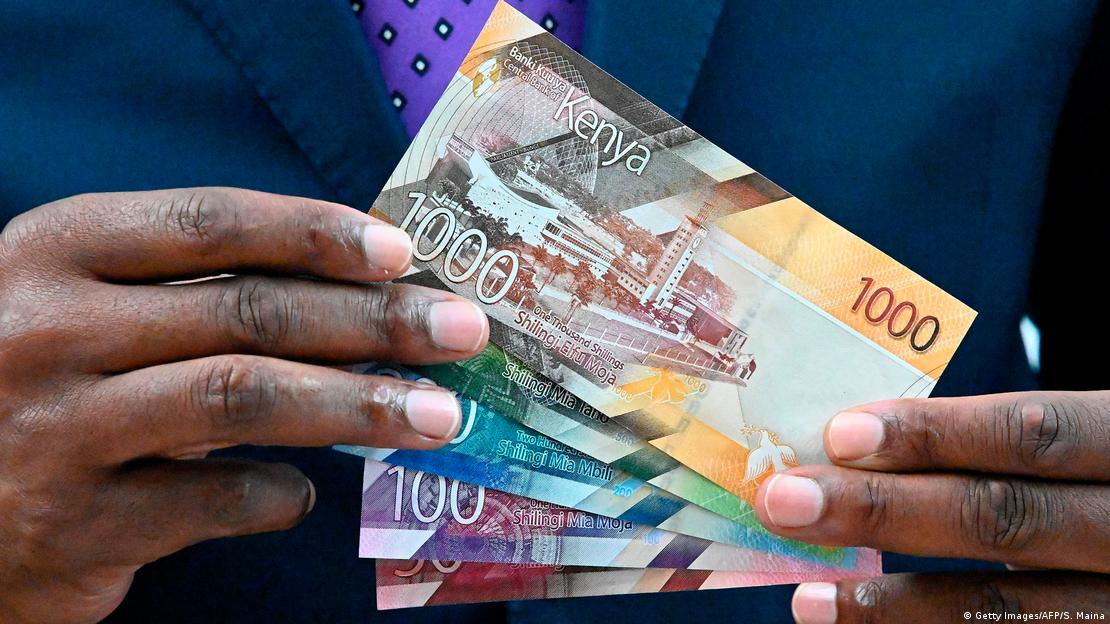
In Kenya, loans without security or unsecured loans have become a popular option due to their convenience and accessibility. These loans do not require collateral, making them an attractive choice for individuals needing quick financial support. Here are some of the top options for unsecured loans in Kenya as of 2024:
Microfinance institutions that offer Loans without security
Microfinance institutions (MFIs) in Kenya play a crucial role in providing financial services to individuals and small businesses that may not have access to traditional banking services. Here are some of the leading MFIs offering unsecured loans and salary advances:
1. Hela Pesa
Hela Pesa offers a unique financial solution in the form of salary loans tailored to meet the immediate financial needs of its customers. Designed to provide quick access to funds, Hela Pesa’s salary loans are especially beneficial for individuals facing temporary cash flow challenges or unexpected expenses.
With Hela Pesa salary loans, customers can typically borrow amounts based on their monthly income of upto 1 million depending on their payslip ability, ensuring repayments are manageable and aligned with their financial capacity. This product is particularly advantageous for employees who may require funds urgently but prefer not to disrupt their long-term financial planning or savings.
Key features of Hela Pesa’s salary loans include:
- Quick Disbursement: Customers can receive funds swiftly, often within a short processing time, allowing them to address financial emergencies promptly.
- Flexible Repayment Terms: Hela Pesa offers flexible repayment schedules, which can be customized to suit the borrower’s pay cycle and financial situation. This helps in ensuring that repayments are convenient and manageable.
- Competitive Interest Rates: The company provides competitive interest rates that are transparent and easy to understand, ensuring that customers know exactly what they will owe.
- Minimal Documentation: To streamline the borrowing process, Hela Pesa requires minimal documentation, making it easier and quicker for customers to apply and receive approval for a loan.
- Accessible Customer Service: Hela Pesa prioritizes customer support, offering assistance throughout the loan application and repayment process to ensure a smooth and hassle-free experience.
2. SMEP Microfinance Bank
3. Musoni Microfinance
- Products: Personal loans, business loans, and salary advances.
- Details: Musoni provides quick and easy access to salary advances for employees of partner companies. They also offer personal and business loans that do not require collateral.
4. KWFT (Kenya Women Microfinance Bank)
- Products: Personal loans and salary advances.
- Details: KWFT offers salary advances and personal loans to its customers, especially targeting women. These loans are tailored to meet the short-term financial needs of their clients.
5. Rafiki Microfinance Bank
- Products: Salary advances and personal loans.
- Details: Rafiki offers salary advances to employed individuals, enabling them to access up to a certain percentage of their net salary before payday. They also offer unsecured personal loans with flexible repayment options.
6. Branch International
7. Tala
- Products: Mobile loans.
- Details: Tala offers salary advance loans and personal loans through their mobile platform. Users need to download the app, meet the requirements, and can access loans ranging from Ksh 500 to Ksh 30,000.
8. Mogo Kenya
Digital Banking Apps that offer Loans without security
1. Timiza
Timiza is a mobile banking app provided by Absa Bank Kenya that offers instant loans without requiring any collateral. It’s designed to provide quick and convenient financial solutions to users through their mobile devices. Here are some key features and details about Timiza loans:
Key Features:
- Loan Amount:
- Users can borrow up to Ksh 150,000.
- Repayment Period:
- The repayment period for Timiza loans is typically 30 days.
- Eligibility:
- To qualify for a Timiza loan, users need to download the Timiza app from the Google Play Store.
- Users must have an active account with Absa Bank Kenya and meet the app’s requirements.
- Application Process:
- The application process is straightforward and fully digital. Users can apply for and receive loans directly through the Timiza app.
- The loan approval and disbursement process is quick, often within minutes.
- Interest Rates and Fees:
- Interest rates and fees for Timiza loans are competitive and transparent, making it an attractive option for many borrowers.
Advantages:
- Convenience: Users can access loans from anywhere at any time using their mobile devices.
- Speed: The loan application and approval process is fast, ensuring that users get funds quickly when needed.
- No Collateral Required: Timiza loans are unsecured, meaning borrowers do not need to provide any form of collateral to get a loan.
Additional Services:
- Apart from loans, the Timiza app also offers other banking services such as bill payments, airtime purchases, and funds transfers.
How to Apply for a Timiza Loan:
- Download the App: Install the Timiza app from the Google Play Store.
- Register: Register your account by following the prompts in the app.
- Apply for a Loan: Navigate to the loan section, enter the required details, and submit your application.
- Receive Funds: Once approved, the loan amount will be credited to your Timiza account instantly.
Timiza by Absa Bank is a reliable and efficient way for Kenyans to access unsecured loans quickly. With its user-friendly interface and prompt service, it caters to the immediate financial needs of many individuals.
2. KCB Mobi Loans
KCB Mobi Loans, offered by Kenya Commercial Bank (KCB), provide a convenient and accessible way for customers to obtain unsecured loans through their mobile phones. Here are the key features and details about KCB Mobi Loans:
Key Features:
- Loan Amount:
- Customers can borrow varying amounts based on their creditworthiness and history with KCB.
- Repayment Period:
- The repayment terms for KCB Mobi Loans are flexible and can be customized based on the loan amount and the borrower’s financial capability.
- Eligibility:
- To qualify for a KCB Mobi Loan, customers need to have an active KCB account and be registered on the KCB Mobi platform.
- Good borrowing history and credit status are typically required.
- Application Process:
- The application process is fully digital and can be completed through the KCB Mobi app or via USSD code.
- Customers can apply for a loan, get approval, and receive funds within minutes.
- Interest Rates and Fees:
- Interest rates for KCB Mobi Loans are competitive and are calculated based on the loan amount and repayment period.
- Transparent fees are applied to ensure borrowers are fully aware of the costs involved.
Advantages:
- Convenience: Loans can be accessed from anywhere, anytime, using a mobile phone.
- Speed: The application and approval process is quick, ensuring that customers receive funds promptly.
- No Collateral Required: Loans are unsecured, so there is no need for collateral.
Additional Services:
- KCB Mobi platform also offers other banking services such as funds transfers, bill payments, and airtime purchases.
How to Apply for a KCB Mobi Loan:
- Register: Ensure you have an active KCB account and register on the KCB Mobi platform.
- USSD Code: Dial the USSD code *522# or use the KCB Mobi app.
- Apply for a Loan: Follow the prompts to apply for the loan, specifying the amount and repayment period.
- Receive Funds: Once approved, the loan amount is disbursed to your KCB account immediately.
KCB Mobi Loans are a reliable and efficient solution for Kenyans needing quick, unsecured loans. The digital platform offers ease of access and quick turnaround times, making it a preferred choice for many individuals seeking financial assistance.
3. Equity Bank’s Eazzy Loan
Equity Bank’s Eazzy Loans provide a quick and convenient way for customers to access unsecured loans through the Eazzy Banking app or USSD code. Here are the key features and details about Eazzy Loans:
Key Features:
- Loan Amount:
- Customers can borrow amounts tailored to their credit profile and banking history with Equity Bank. The loan limits vary depending on the customer’s creditworthiness.
- Repayment Period:
- The repayment terms are flexible and can range from short-term to longer-term options based on the loan amount and the customer’s financial capacity.
- Eligibility:
- To qualify for an Eazzy Loan, customers must have an active Equity Bank account and be registered on the Eazzy Banking platform.
- Regular usage of Equity Bank services and a good credit history improve eligibility.
- Application Process:
- The application process is entirely digital and can be completed through the Eazzy Banking app or by dialing a USSD code.
- The process is designed to be user-friendly, allowing customers to apply, get approved, and receive funds within minutes.
- Interest Rates and Fees:
- Interest rates for Eazzy Loans are competitive and are determined based on the loan amount and repayment period.
- Transparent fee structures ensure customers are fully aware of the costs involved.
Advantages:
- Convenience: Loans can be accessed from anywhere at any time using a mobile device.
- Speed: The application and approval process is quick, ensuring customers receive funds promptly.
- No Collateral Required: Eazzy Loans are unsecured, so there is no need for collateral.
Additional Services:
- The Eazzy Banking platform also offers other banking services such as funds transfers, bill payments, and airtime purchases.
How to Apply for an Eazzy Loan:
- Register: Ensure you have an active Equity Bank account and are registered on the Eazzy Banking platform.
- USSD Code: Dial the USSD code *247# or use the Eazzy Banking app.
- Apply for a Loan: Follow the prompts to apply for the loan, specifying the amount and repayment period.
- Receive Funds: Once approved, the loan amount is disbursed to your Equity Bank account immediately.
Equity Bank’s Eazzy Loans provide a reliable and efficient solution for Kenyans needing quick, unsecured loans. The digital platform offers ease of access and quick turnaround times, making it a preferred choice for many individuals seeking financial assistance.
4. NCBA Loop
NCBA Loop is a digital banking platform by NCBA Bank that offers a wide range of financial services, including unsecured loans. The platform is designed to cater to the needs of modern, tech-savvy individuals looking for convenient banking solutions. Here are the key features and details about NCBA Loop loans:
Key Features:
- Loan Amount:
- Customers can borrow varying amounts depending on their credit profile and banking history with NCBA Bank.
- Repayment Period:
- The repayment terms are flexible and can be customized based on the loan amount and the borrower’s financial capability.
- Eligibility:
- To qualify for an NCBA Loop loan, customers must have an active NCBA Loop account.
- Regular usage of NCBA Loop services and a good credit history improve eligibility.
- Application Process:
- The application process is fully digital and can be completed through the NCBA Loop app.
- Customers can apply for a loan, get approval, and receive funds within minutes.
- Interest Rates and Fees:
- Interest rates for NCBA Loop loans are competitive and are calculated based on the loan amount and repayment period.
- Transparent fees ensure that customers are fully aware of the costs involved.
Advantages:
- Convenience: Loans can be accessed from anywhere at any time using a mobile device.
- Speed: The application and approval process is quick, ensuring that customers receive funds promptly.
- No Collateral Required: NCBA Loop loans are unsecured, meaning borrowers do not need to provide any form of collateral.
Additional Services:
- The NCBA Loop platform also offers other banking services such as funds transfers, bill payments, savings, and investment products.
How to Apply for an NCBA Loop Loan:
- Download the App: Install the NCBA Loop app from the Google Play Store or Apple App Store.
- Register: Register your account by following the prompts in the app.
- Apply for a Loan: Navigate to the loan section, enter the required details, and submit your application.
- Receive Funds: Once approved, the loan amount will be credited to your NCBA Loop account instantly.
NCBA Loop by NCBA Bank is a reliable and efficient way for Kenyans to access unsecured loans quickly. With its user-friendly interface and prompt service, it caters to the immediate financial needs of many individuals.
Mobile Loan Apps
1. M-Shwari
M-Shwari, a mobile banking service provided by NCBA Bank in partnership with Safaricom, offers a range of financial services, including unsecured loans. The service is integrated with the M-Pesa platform, making it highly accessible to a vast number of Kenyans. Here are the key features and details about M-Shwari loans:
Key Features:
- Loan Amount:
- Customers can borrow amounts starting from Ksh 100 up to Ksh 50,000 depending on their credit profile and transaction history with M-Pesa.
- Repayment Period:
- The standard repayment period for M-Shwari loans is 30 days.
- Eligibility:
- To qualify for an M-Shwari loan, customers must be registered M-Pesa users and have an active M-Shwari account.
- Regular usage of M-Pesa services and maintaining a good credit history improve eligibility.
- Application Process:
- The application process is straightforward and can be completed via the M-Pesa menu on the phone.
- Customers can apply for a loan, get approval, and receive funds instantly.
- Interest Rates and Fees:
- M-Shwari loans attract a one-time facilitation fee of 7.5% of the loan amount.
- There are no additional interest charges if the loan is repaid within the stipulated period.
Advantages:
- Convenience: Loans can be accessed easily through the M-Pesa menu on a mobile phone.
- Speed: The application and approval process is quick, ensuring that customers receive funds instantly.
- No Collateral Required: M-Shwari loans are unsecured, meaning borrowers do not need to provide any form of collateral.
Additional Services:
- M-Shwari also offers a savings account feature where users can earn interest on their savings.
- Customers can use the Lock Savings Account, which allows them to lock their savings for a specified period to earn higher interest.
How to Apply for an M-Shwari Loan:
- M-Pesa Menu: Go to the M-Pesa menu on your mobile phone.
- M-Shwari Option: Select M-Shwari from the menu.
- Apply for Loan: Follow the prompts to apply for a loan, specifying the amount.
- Receive Funds: Once approved, the loan amount is credited to your M-Pesa account instantly.
M-Shwari by NCBA Bank and Safaricom provides a reliable and efficient way for Kenyans to access unsecured loans quickly. The seamless integration with M-Pesa and the straightforward application process make it a popular choice for many individuals seeking financial assistance.
2. Tala
Tala is a popular mobile loan app in Kenya that provides quick and convenient access to unsecured loans. It is designed to cater to individuals who need immediate financial assistance without the need for collateral. Here are the key features and details about Tala loans:
Key Features:
- Loan Amount:
- Customers can borrow amounts ranging from Ksh 500 to Ksh 30,000 depending on their credit profile and history with Tala.
- Repayment Period:
- The repayment periods for Tala loans typically range from 21 days to 30 days, with options to repay in installments.
- Eligibility:
- To qualify for a Tala loan, users must download the Tala app and register by providing necessary personal details.
- The app assesses the user’s creditworthiness based on their mobile phone usage and M-Pesa transaction history.
- Application Process:
- The application process is fully digital and completed through the Tala app.
- Users can apply for a loan, get approval, and receive funds within minutes.
- Interest Rates and Fees:
- Interest rates for Tala loans range from 11% to 15% of the loan amount.
- The specific rate depends on the loan amount and the repayment period chosen by the borrower.
Advantages:
- Convenience: Loans can be accessed easily through the Tala mobile app.
- Speed: The application and approval process is quick, ensuring that customers receive funds instantly.
- No Collateral Required: Tala loans are unsecured, meaning borrowers do not need to provide any form of collateral.
- Flexibility: The app offers flexible repayment options, including the ability to repay in installments.
How to Apply for a Tala Loan:
- Download the App: Install the Tala app from the Google Play Store.
- Register: Register your account by providing personal details and verifying your identity.
- Apply for a Loan: Navigate to the loan section, enter the required details, and submit your application.
- Receive Funds: Once approved, the loan amount is credited to your M-Pesa account instantly.
Tala is a reliable and efficient way for Kenyans to access unsecured loans quickly. The app’s user-friendly interface and prompt service cater to the immediate financial needs of many individuals. Tala’s flexible repayment options and transparent fee structure make it a preferred choice for those seeking short-term financial assistance.
3. Branch
Branch is a mobile loan app in Kenya that offers quick and easy access to unsecured loans. It uses advanced algorithms and data analysis to assess creditworthiness and provide loans to users without the need for collateral. Here are the key features and details about Branch loans:
Key Features:
- Loan Amount:
- Customers can borrow amounts ranging from Ksh 250 to Ksh 70,000 depending on their credit profile and repayment history with Branch.
- Repayment Period:
- The repayment periods for Branch loans range from 4 weeks to 6 months, providing flexibility for borrowers.
- Eligibility:
- To qualify for a Branch loan, users must download the Branch app and register by providing necessary personal details.
- The app assesses the user’s creditworthiness based on their mobile phone data and M-Pesa transaction history.
- Application Process:
- The application process is entirely digital and completed through the Branch app.
- Users can apply for a loan, get approval, and receive funds within minutes.
- Interest Rates and Fees:
- Interest rates for Branch loans range from 13% to 29% depending on the loan amount and repayment period.
- The specific rate depends on the borrower’s creditworthiness and loan terms.
Advantages:
- Convenience: Loans can be accessed easily through the Branch mobile app.
- Speed: The application and approval process is quick, ensuring that customers receive funds instantly.
- No Collateral Required: Branch loans are unsecured, meaning borrowers do not need to provide any form of collateral.
- Flexibility: The app offers flexible repayment options, including the ability to repay in installments.
How to Apply for a Branch Loan:
- Download the App: Install the Branch app from the Google Play Store.
- Register: Register your account by providing personal details and verifying your identity.
- Apply for a Loan: Navigate to the loan section, enter the required details, and submit your application.
- Receive Funds: Once approved, the loan amount is credited to your M-Pesa account instantly.
Conclusion
Branch provides a reliable and efficient way for Kenyans to access unsecured loans quickly. With its user-friendly interface and prompt service, it caters to the immediate financial needs of many individuals. Branch’s flexible repayment options and transparent fee structure make it a preferred choice for those seeking short-term financial assistance.
4. Zenka
Zenka is a mobile loan app in Kenya that offers fast and convenient access to unsecured loans. The app uses advanced technology to assess creditworthiness and provide loans without requiring collateral. Here are the key features and details about Zenka loans:
Key Features:
- Loan Amount:
- Customers can borrow amounts ranging from Ksh 500 to Ksh 30,000 depending on their credit profile and repayment history with Zenka.
- Repayment Period:
- The repayment periods for Zenka loans range from 21 days to 61 days, providing flexibility for borrowers.
- Eligibility:
- To qualify for a Zenka loan, users must download the Zenka app and register by providing necessary personal details.
- The app assesses the user’s creditworthiness based on their mobile phone data and M-Pesa transaction history.
- Application Process:
- The application process is entirely digital and completed through the Zenka app.
- Users can apply for a loan, get approval, and receive funds within minutes.
- Interest Rates and Fees:
- Zenka offers a unique feature where the first loan is interest-free if repaid within the specified period.
- Subsequent loans attract interest rates based on the loan amount and repayment period. The interest rates range from 9% to 29% depending on the loan terms.
Advantages:
- Convenience: Loans can be accessed easily through the Zenka mobile app.
- Speed: The application and approval process is quick, ensuring that customers receive funds instantly.
- No Collateral Required: Zenka loans are unsecured, meaning borrowers do not need to provide any form of collateral.
- Flexible Repayment Options: The app offers flexible repayment options, including the ability to repay in installments.
How to Apply for a Zenka Loan:
- Download the App: Install the Zenka app from the Google Play Store.
- Register: Register your account by providing personal details and verifying your identity.
- Apply for a Loan: Navigate to the loan section, enter the required details, and submit your application.
- Receive Funds: Once approved, the loan amount is credited to your M-Pesa account instantly.
Zenka provides a reliable and efficient way for Kenyans to access unsecured loans quickly. With its user-friendly interface and prompt service, it caters to the immediate financial needs of many individuals. Zenka’s flexible repayment options, interest-free first loan, and transparent fee structure make it a preferred choice for those seeking short-term financial assistance.
5. Fuliza
Fuliza is an overdraft service provided by Safaricom in partnership with NCBA Bank and KCB Bank. It allows M-Pesa users to complete transactions even when they have insufficient funds in their M-Pesa account. Here are the key features and details about Fuliza:
Key Features:
- Overdraft Limit:
- The amount users can overdraft depends on their credit profile and usage of M-Pesa services. Limits can range from Ksh 100 to Ksh 50,000.
- Repayment Period:
- Fuliza does not have a fixed repayment period. Instead, the overdraft is automatically settled whenever the user receives funds in their M-Pesa account.
- Eligibility:
- To qualify for Fuliza, users must be registered M-Pesa users with an active M-Pesa account.
- Regular usage of M-Pesa services and maintaining a good credit history with M-Pesa improves eligibility.
- Application Process:
- The service is automatically available to eligible M-Pesa users. There is no need for a separate application process.
- Users can activate Fuliza by dialing *234# and following the prompts.
- Interest Rates and Fees:
- Fuliza charges a one-time access fee for every successful overdraft, and daily maintenance fees are applied until the overdraft is cleared.
- The specific fees depend on the amount borrowed. For example, an overdraft of up to Ksh 100 attracts a daily fee of Ksh 2, while higher amounts have correspondingly higher fees.
Advantages:
- Convenience: Fuliza allows users to complete transactions even when they have insufficient funds, making it highly convenient for day-to-day financial needs.
- Automatic Repayment: The overdraft is automatically repaid whenever the user receives funds in their M-Pesa account, simplifying the repayment process.
- No Collateral Required: Fuliza is an unsecured service, meaning users do not need to provide any form of collateral.
How to Activate and Use Fuliza:
- Activate Fuliza: Dial *234# and select Fuliza M-Pesa to activate the service.
- Use Fuliza: When making a payment via M-Pesa and your account has insufficient funds, Fuliza will automatically cover the shortfall up to your approved limit.
- Repayment: The overdraft amount is automatically deducted from your M-Pesa account whenever you receive funds.
Fuliza by Safaricom, in partnership with NCBA Bank and KCB Bank, offers a convenient solution for M-Pesa users to manage shortfalls in their account balance. Its automatic access and repayment features make it a popular choice for users needing immediate financial support.