Category: Opinions

  • The Future of M-Pesa: What Comes After Mobile Payments

    The Future of M-Pesa: What Comes After Mobile Payments

    Since its launch in 2007, M-Pesa has transformed Kenya from a largely cash-based economy into one of the most advanced mobile money ecosystems in the world. What started as a simple way to send money via SMS has evolved into a financial infrastructure that touches nearly every aspect of daily life — ffrom paying for groceries to accessing credit. But as the platform matures, a critical question emerges: what comes after mobile payments? Increasingly, the answer lies in the growing ecosystem of mpesa loan products that are redefining how Kenyans access credit.

    From Payments to Financial Ecosystem

    M-Pesa’s original innovation was deceptively simple — allowing people to send and receive money using basic mobile phones, without needing a traditional bank account. This alone was revolutionary for financial inclusion, particularly in rural areas underserved by banks. But payments were always just the starting point.

    Today, M-Pesa has expanded into an entire financial ecosystem: savings products, insurance, bill payments, merchant transactions, and, most significantly, credit access. The introduction of mobile-based lending integrated directly with M-Pesa transaction histories has opened the door to a new era of borrowing, one where your phone becomes your primary financial identity.

    Why Mobile Money Data Is Reshaping Credit Access

    One of the most transformative shifts in Kenya’s financial landscape has been the use of M-Pesa transaction history as a substitute for traditional credit scoring. For millions of Kenyans without formal bank accounts, payslips, or collateral, this has been genuinely revolutionary.

    Lenders offering mpesa loan Kenya products can now assess creditworthiness based on real spending and saving patterns — how consistently you transact, how you manage cash flow, and your repayment behavior on previous loans. This shift has:

    1. Expanded access to informal sector workers, small business owners, and rural populations
    2. Reduced reliance on collateral — a major barrier in traditional lending
    3. Sped up approval times — decisions based on data analysis rather than manual underwriting
    4. Created a more inclusive credit ecosystem — rewarding responsible financial behavior with better loan terms over time

    What Comes Next: Beyond Basic Lending

    As mobile money matures, several trends are shaping what comes after simple payments and basic loans:

    Personalized credit products — Lenders are increasingly using data analytics to offer tailored loan amounts, interest rates, and repayment terms based on individual financial behavior, rather than one-size-fits-all products.

    Integrated financial planning tools — Expect more platforms combining borrowing with budgeting tools, savings nudges, and financial literacy resources directly within the mobile experience.

    Cross-platform interoperability — Greater integration between mobile money, banks, and digital lenders means borrowers will increasingly access credit seamlessly across multiple platforms using unified financial profiles.

    Responsible lending standards — As the market matures, expect increased regulatory focus on transparent pricing, fair collection practices, and borrower protection across all mobile lending platforms.

    Navigating the New Credit Landscape

    For borrowers, this evolution means more choice — but also more responsibility to choose wisely. With numerous platforms now offering mpesa loan Kenya products, borrowers should prioritize lenders who offer:

    • Transparent interest rates and fees
    • Repayment terms aligned with actual income patterns
    • Responsible use of transaction data with clear privacy practices
    • Support for building long-term financial health, not just short-term borrowing

    How Hela Pesa Fits Into This Future

    Hela Pesa is at the forefront of this evolving ecosystem, offering fast, transparent mpesa loan Kenya products that leverage mobile money data to provide fair, accessible credit. Rather than treating borrowers as mere transactions, Hela Pesa focuses on building lasting financial relationships, helping Kenyans access credit responsibly while working toward long-term financial stability.

    The Bottom Line

    M-Pesa’s evolution from a payment platform to a comprehensive financial ecosystem reflects Kenya’s broader journey toward true financial inclusion. As mobile money continues to reshape credit access, choosing a lender committed to transparency and responsible lending will matter more than ever.

    Explore how Hela Pesa’s mpesa loan Kenya solutions can support your financial journey in this new era of mobile finance.


  • Online Financial Scams in Kenya: 8 Red Flags You Should Never Ignore

    Online Financial Scams in Kenya: 8 Red Flags You Should Never Ignore

    As mobile lending and digital financial services continue to grow across Kenya, so too has the number of fraudsters looking to exploit unsuspecting borrowers. With hundreds of loan apps in Kenya now available on app stores, distinguishing legitimate lenders from predatory scams has become more important than ever. Knowing the warning signs can save you from financial loss, identity theft, and unnecessary debt traps.

    Why Financial Scams Are on the Rise

    The convenience of digital lending has made it easier than ever to access credit — but that same accessibility has attracted bad actors. Fraudulent loan apps often mimic legitimate platforms, using similar branding, fake reviews, and aggressive marketing to lure desperate borrowers, particularly those facing urgent financial need. Understanding the red flags below can help you protect yourself before you become a victim.

    8 Red Flags to Watch For

    1. Upfront Fees Before Disbursement

    Legitimate lenders deduct fees from the loan amount or add them to your repayment — they don’t ask you to pay money before releasing funds. If a loan app or lender demands “processing fees,” “insurance,” or “activation fees” paid via mobile money before disbursing your loan, walk away. This is one of the most common scam tactics in Kenya today.

    2. Unrealistic Approval Promises

    Be cautious of apps promising instant approval with zero documentation, regardless of your credit history or income. While digital lending is faster than traditional banking, legitimate loan apps in Kenya still verify basic information — a lender promising guaranteed approval for everyone is a major warning sign.

    3. Excessive Permission Requests

    Many fraudulent loan apps request access to your entire phone contact list, photos, messages, and call logs — far beyond what’s needed to assess a loan application. This data is often used for harassment tactics if repayment is delayed, or sold to third parties. Legitimate lenders request only the permissions necessary for verification.

    4. No Physical Address or Regulatory Information

    Every legitimate lender operating in Kenya should be registered and, where applicable, licensed by the Central Bank of Kenya (CBK) or relevant regulatory bodies. If you can’t find a physical office address, official registration details, or regulatory compliance information, treat the platform with suspicion.

    5. Unsolicited Loan Offers

    Be wary of unsolicited SMS, WhatsApp messages, or calls offering pre-approved loans, especially from unknown numbers. Legitimate lenders don’t typically cold-call or spam borrowers with aggressive, unsolicited offers promising easy money.

    6. Pressure Tactics and Urgency

    Scammers often create false urgency — “offer expires in 1 hour,” “only 3 slots left today” — to push borrowers into hasty decisions without reading terms carefully. Genuine lenders allow you time to review loan terms before committing.

    7. Vague or Hidden Terms and Conditions

    If a lender is unwilling or unable to clearly explain interest rates, repayment schedules, and penalty charges before you accept a loan, that’s a significant red flag. Transparency is a hallmark of trustworthy digital lenders.

    8. Poor or Suspicious Online Reviews

    Before downloading any loan app, check reviews on the Google Play Store, Apple App Store, and independent forums. Be alert to patterns of complaints about harassment, hidden charges, or funds never being disbursed — and be equally cautious of apps with suspiciously few reviews or obviously fake five-star ratings.

    Protecting Yourself When Borrowing Digitally

    The rise of digital lending has genuinely improved financial access for millions of Kenyans, but it requires informed, cautious borrowing. Always research a lender thoroughly, read reviews, verify regulatory compliance, and never pay upfront fees for a loan you haven’t received.

    Why Choose a Trusted Lender Like Hela Pesa

    Hela Pesa is committed to transparent, responsible lending — with clear terms, no hidden fees, and a straightforward application process that respects your privacy and financial wellbeing. As you navigate the growing landscape of loan apps in Kenya, choosing a trusted, transparent platform like Hela Pesa protects you from the risks that come with predatory digital lenders.

    Stay informed, stay cautious, and borrow only from lenders who prioritize your financial security as much as you do.

  • The Link Between Financial Security and Peace of Mind

    The Link Between Financial Security and Peace of Mind

    Money worries rank among the most common sources of stress for adults worldwide, and Kenya is no exception. The anxiety of not knowing how you’ll cover next month’s rent, a medical bill, or your child’s school fees doesn’t just affect your bank balance — it seeps into your sleep, your relationships, and your overall sense of wellbeing. Understanding the connection between financial security and mental peace is the first step toward building a healthier relationship with money, and increasingly, digital credit is playing a role in bridging that gap.

    The Psychological Weight of Financial Instability

    Financial stress isn’t just an abstract concept — it has measurable effects on mental and physical health. Studies consistently show that financial insecurity is linked to increased anxiety, sleep disturbances, strained relationships, and even physical symptoms like headaches and fatigue. When you’re constantly worried about making ends meet, it becomes difficult to focus on anything else — work performance suffers, relationships strain under the pressure, and long-term planning feels like a luxury you can’t afford.

    For many Kenyans, this stress is compounded by irregular cash flow — even those with stable jobs face months where expenses outpace income, whether due to emergencies, seasonal costs like school fees, or unexpected life events.

    Kenyan Shillings
    capital financing

    Why Financial Security Matters More Than Wealth

    It’s important to distinguish financial security from wealth. You don’t need to be rich to feel financially secure — you need predictability, a safety net, and confidence that you can handle life’s inevitable surprises without spiraling into crisis. This sense of control is what actually delivers peace of mind, regardless of income level.

    Financial security typically rests on a few pillars:

    1. A reliable income source — whether salaried employment or consistent business revenue
    2. An emergency fund or safety net — even a small buffer reduces panic during unexpected expenses
    3. Manageable debt — credit used strategically, not as a constant burden
    4. Access to fair, transparent financial tools — so that when you do need to borrow, you’re not exploited

    This last point is where digital credit has become a genuine game-changer for many Kenyans.

    How Digital Credit Supports Peace of Mind

    Historically, the unpredictability of accessing credit added to financial stress rather than relieving it — long bank approval processes, unclear terms, and rigid eligibility requirements often left people anxious rather than reassured. Digital credit platforms have changed this dynamic by offering:

    • Speed — knowing you can access funds within minutes during an emergency removes a significant source of anxiety
    • Transparency — clear interest rates and repayment terms mean no unpleasant surprises down the line
    • Accessibility — a straightforward mobile application process removes the stress of bureaucratic hurdles
    • Predictability — repayment structured around your actual pay cycle makes budgeting easier, not harder

    When used responsibly, digital credit doesn’t just solve short-term cash flow problems — it restores a sense of control, which is often the true source of financial peace of mind.

    Building Your Own Financial Peace of Mind

    Beyond access to credit, a few practical habits reinforce financial security:

    • Track your spending and build a realistic monthly budget
    • Set aside even small amounts consistently for emergencies
    • Borrow only for genuine needs, and always understand the full cost before committing
    • Choose financial partners who prioritize transparency over quick profit

    How Hela Pesa Supports Your Financial Peace of Mind

    Hela Pesa is built around this exact philosophy — that access to fair, transparent digital credit shouldn’t add stress to your life, but relieve it. With fast mobile-based applications, clear pricing, and repayment terms structured around your income, Hela Pesa gives Kenyans a dependable financial partner for life’s inevitable ups and downs.

    The Bottom Line

    Financial security and peace of mind are deeply intertwined — and in today’s fast-paced world, having access to fair, transparent digital credit is one of the most practical tools for achieving both. Explore how Hela Pesa can help you build genuine financial confidence, one responsible decision at a time.

  • Women and Access to Digital Credit in Kenya

    Women and Access to Digital Credit in Kenya

    For decades, access to credit in Kenya has been shaped by barriers that disproportionately affect women — limited collateral, inconsistent formal employment records, and financial systems designed around traditional, often male-dominated, economic structures. But a quiet revolution is underway. Digital credit is reshaping who gets access to financing, and women across Kenya are among its biggest beneficiaries.

    The Historical Credit Gap

    Traditional lending has long favored borrowers with fixed assets, established credit histories, and formal employment — criteria that many Kenyan women, particularly those in informal trade, agriculture, or unsalaried work, have historically struggled to meet. Banks required collateral many women didn’t own outright, guarantors that weren’t always accessible, and paperwork that took time away from running households and businesses.

    The result was a persistent credit gap: women entrepreneurs and salaried workers alike were often locked out of formal financing, forced to rely on informal savings groups (chamas), family loans, or high-interest informal lenders — options that, while valuable, couldn’t always meet urgent or larger financial needs.

    How Digital Credit Is Changing the Game

    Digital credit platforms have fundamentally altered this dynamic by removing many of the traditional barriers to borrowing. Using nothing more than a mobile phone and a verifiable income or transaction history, women can now access credit quickly, discreetly, and on their own terms.

    Key ways digital credit is empowering women in Kenya:

    1. No collateral requirements — many digital lenders assess creditworthiness based on income and repayment behavior, not physical assets
    2. Privacy and autonomy — women can apply for loans independently, without needing a guarantor or spousal approval
    3. Speed — funds are often disbursed within minutes, critical for time-sensitive needs like business restocking or medical emergencies
    4. Accessibility for informal earners — platforms increasingly recognize mobile money transaction histories as valid proof of income
    5. Financial inclusion at scale — rural and underserved women, previously excluded from formal banking, now have a pathway into the credit system

    This shift matters enormously in a country where women make up a significant share of small business owners and informal sector workers, yet have historically received a fraction of formal credit extended to men.

    The Ripple Effect of Financial Inclusion

    When women gain access to digital credit, the benefits extend far beyond individual borrowers. Studies across sub-Saharan Africa consistently show that when women control capital, they reinvest disproportionately in household welfare — school fees, healthcare, nutrition, and small business growth. Access to credit isn’t just a financial milestone; it’s a catalyst for broader community development.

    For salaried women, digital credit also offers a practical tool for managing cash flow gaps — covering emergencies without depleting savings or resorting to predatory informal lenders whose terms can trap borrowers in cycles of debt.

    Choosing the Right Digital Credit Partner

    Not all digital lenders are created equal, and financial inclusion means little without fair, transparent terms. Women navigating the digital credit space should prioritize platforms that offer:

    • Clear, upfront interest rates with no hidden fees
    • Repayment terms structured around actual income cycles
    • Responsible lending practices that avoid over-indebtedness
    • Accessible customer support and transparent communication

    How Hela Pesa Supports Women’s Financial Inclusion

    Hela Pesa is committed to bridging Kenya’s credit gap by offering digital credit solutions designed for accessibility, speed, and fairness. Whether you’re a salaried professional managing an unexpected expense or a business owner needing working capital, Hela Pesa’s platform removes the traditional barriers that have long excluded women from formal financing — no cumbersome paperwork, no discriminatory collateral requirements, just a straightforward mobile application process with transparent terms.

    The Bottom Line

    Digital credit is doing more than modernizing how Kenyans borrow — it’s democratizing access to financial resources for women who have been underserved for generations. As more women gain control over their financial futures through fair, accessible lending, the ripple effects will be felt across households, businesses, and communities nationwide.

    Explore how Hela Pesa’s digital credit solutions can support your financial goals — because everyone deserves fair access to the resources that build a stronger future.

  • Digital Lending Vs Traditional Bank Loans

    Digital Lending Vs Traditional Bank Loans

    When you need cash fast — whether for a medical emergency, school fees, or an unexpected bill — the choice between digital lending platforms and traditional bank loans can make all the difference. For civil servants in Kenya, understanding how these two borrowing paths compare is essential to making a decision that protects your financial wellbeing rather than complicating it.

    The Traditional Bank Loan Experience

    Banks have long been the default choice for borrowing, and for good reason — they offer structure, regulation, and often lower interest rates for large, long-term loans like mortgages or business financing. However, when it comes to short-term borrowing needs, traditional banks often fall short of what everyday Kenyans actually need.

    Common frustrations with bank loans include:

    • Lengthy approval processes — applications can take days or weeks
    • Extensive documentation — payslips, bank statements, guarantors, and collateral
    • Rigid eligibility criteria — a strong credit history or existing bank relationship is often required
    • Branch visits — many banks still require in-person applications
    • Inflexible repayment structures — not always aligned with your actual pay cycle

    For someone facing an emergency today, a two-week approval process simply isn’t practical.

    Customer making a contactless mobile payment using a smartphone tapped against a card reader, illustrating the quick and convenient repayment process for digital salary loans

    The Rise of Digital Lending

    Digital lending platforms have transformed borrowing by putting speed, accessibility, and convenience first. Using nothing more than a smartphone, borrowers can apply for salary loans and receive funds within minutes or hours — not days.

    Key advantages of digital lending include:

    1. Speed — applications are processed almost instantly using automated systems
    2. Accessibility — no need for a branch visit, guarantors, or physical paperwork
    3. Inclusivity — many digital lenders serve borrowers whom traditional banks overlook, including those without extensive credit histories
    4. Convenience — loans are applied for and disbursed entirely via mobile phone
    5. Transparency — reputable platforms clearly outline interest rates and repayment terms upfront

    This shift matters most for salaried employees — including civil servants and private-sector workers — who need short-term liquidity without the bureaucracy that traditional banking demands.

    Comparing the Real Costs

    It’s a common misconception that digital loans are always more expensive than bank loans. While some unregulated digital lenders do charge excessive fees, established and reputable platforms structure their salary loans with clear, competitive interest rates that rival or beat bank charges for short-term borrowing — especially when you factor in the hidden costs of bank loans, such as processing fees, insurance requirements, and the opportunity cost of delayed access to funds.

    The real comparison isn’t digital versus traditional in the abstract — it’s about choosing a lender, in either category, that prioritizes transparency and fair dealing.

    Why Hela Pesa Bridges the Gap

    Hela Pesa combines the best of both worlds: the speed and accessibility of digital lending with the transparency and reliability borrowers expect from a trustworthy financial institution. Designed specifically for Kenya’s salaried workforce, Hela Pesa offers salary loans that are:

    • Processed quickly through a simple mobile application
    • Priced with clear, upfront interest rates — no hidden charges
    • Structured around your actual pay cycle for manageable repayment
    • Accessible without the red tape of traditional bank bureaucracy

    For civil servants and other salaried employees who need dependable access to credit without sacrificing weeks to the approval process, Hela Pesa offers a modern alternative that doesn’t compromise on fairness or transparency.

    The Bottom Line

    Traditional bank loans still have their place — particularly for large, long-term financing. But for everyday financial needs, digital lending has proven itself faster, more accessible, and increasingly just as trustworthy as traditional banking, provided you choose the right platform.

    If you’re weighing your borrowing options, explore how Hela Pesa’s salary loans can offer you the speed of digital lending with the transparency you deserve — putting you in control of your финances, one smart decision at a time.

  • Your Salary Is More Than a Paycheck: Building Financial Wellness as a Civil Servant

    Your Salary Is More Than a Paycheck: Building Financial Wellness as a Civil Servant

    For thousands of civil servants across Kenya, payday often feels like a brief moment of relief before the month’s obligations swallow it whole. School fees, rent, medical bills, and family support can consume a salary within days of it landing in your account. Yet your salary is more than just a paycheck — it’s the foundation of your long-term financial wellness, and with the right strategy, it can work harder for you than you think.

    The Civil Servant’s Financial Reality

    Government employment offers something many Kenyans crave: stability. A predictable salary, job security, and structured career progression are genuine advantages. But stability doesn’t automatically translate into financial health. Many civil servants find themselves trapped in a cycle where salary alone can’t absorb emergencies — a sick child, a sudden school fee deadline, or a car repair — without derailing the entire month’s budget.

    This is where smart borrowing, not avoidance of debt altogether, becomes part of a healthy financial plan. Used responsibly, salary loans can bridge short-term gaps without compromising your long-term goals, provided you choose a lender that understands your income structure and repayment capacity.

    Why Salary Loans Work for Civil Servants

    Salary loans are designed around one simple principle: your income is your creditworthiness. For civil servants with a consistent, verifiable payslip, this makes borrowing simpler and often more affordable than unsecured personal loans from traditional banks. Key benefits include:

    • Fast approval — no lengthy paperwork or collateral requirements
    • Flexible repayment — terms structured around your pay cycle
    • Predictable costs — clear interest rates with no hidden charges
    • Emergency readiness — funds available when unexpected expenses arise

    The key is borrowing from a platform that prioritizes transparency and fair terms over predatory lending practices that trap borrowers in debt spirals.

    Kenyan shillings
    Kenyan shillings

    Building Wellness, Not Just Surviving the Month

    Financial wellness as a civil servant isn’t about eliminating debt entirely — it’s about using credit strategically while building habits that strengthen your financial position over time. Consider these steps:

    1. Budget before you borrow. Know exactly what a salary loan will cost you monthly and confirm it fits comfortably within your take-home pay.
    2. Borrow for needs, not wants. Emergency medical costs and school fees are sound reasons to borrow; discretionary spending rarely is.
    3. Build an emergency fund alongside repayments. Even small, consistent savings reduce your future reliance on credit.
    4. Track your credit history. Responsible borrowing and timely repayment improve your access to better loan terms down the line.
    5. Choose a lender who respects your circumstances. Civil servants deserve loan products tailored to government pay cycles, not generic retail credit terms.

    How Hela Pesa Supports Civil Servants

    This is exactly the gap Hela Pesa was built to fill. As a digital lending platform designed for Kenya’s salaried workforce, Hela Pesa offers salary loans tailored to civil servants’ pay schedules, with quick mobile-based applications, transparent pricing, and flexible repayment terms that don’t punish borrowers for life’s unpredictability.

    Rather than treating loans as a last resort, Hela Pesa positions salary loans as a practical financial tool — one that, combined with sound budgeting and disciplined saving, helps civil servants manage cash flow gaps without sacrificing dignity or long-term stability.

    The Bottom Line

    Your paycheck is the starting point of your financial life, not the ceiling. By pairing a stable government salary with responsible use of salary loans, disciplined budgeting, and access to fair, transparent credit, civil servants can move beyond simply surviving each pay cycle — and start genuinely building wealth and security.

    Explore how Hela Pesa’s salary loans can support your financial wellness journey today, and take the first step toward turning your paycheck into a foundation for lasting stability

  • Digital Lending in Kenya: A Guide to Responsible Borrowing

    Digital Lending in Kenya: A Guide to Responsible Borrowing

    Digital lending lets Kenyans borrow through mobile apps and websites instead of visiting a branch. It’s convenient, but convenience isn’t the same as affordability. Kenya’s digital credit providers are regulated by the Central Bank of Kenya (CBK) under the Central Bank of Kenya (Digital Credit Providers) Regulations, 2022. Before borrowing, check that a lender is CBK-licensed, understand the total repayment cost, and only borrow for a genuine, planned need.

    Kenya has become one of Africa’s most dynamic digital finance markets. From mobile money to digital banking and online credit, technology has changed how people manage their finances. Digital lending in Kenya has become particularly significant, giving borrowers convenient access to credit without always requiring a visit to a physical branch.

    As digital lending continues to grow, convenience must go hand in hand with responsible borrowing, consumer protection, and financial literacy.

    What Is Digital Lending?

    Digital lending is the provision of credit through digital platforms — mobile apps, websites, and other technology-enabled channels — rather than a paper-based branch application. Customers apply, review loan terms, and, where approved, receive funds entirely through a digital platform.

    For many Kenyans, this convenience matters when dealing with unexpected expenses, planned financial commitments, or temporary cash-flow gaps. The growth of smartphones, mobile money, and digital financial services has made borrowing accessible to a much wider population than traditional branch banking ever reached.

    Why Is Digital Lending Growing So Fast in Kenya?

    The biggest driver is convenience: borrowers can apply, track repayments, and check loan status remotely, without the time and travel a branch visit requires. Digital platforms also streamline the application itself, giving customers clearer, faster access to their account information.

    For salaried employees, including civil servants, digital financial services add convenience when managing finances around a fixed monthly income cycle.

    Accessibility, though, should not be confused with affordability. A loan being available in minutes says nothing about whether taking it is the right financial decision.

    Why Does Responsible Borrowing Matter More When Credit Is Easy to Access?

    Easy access to credit makes financial discipline more important, not less. Before taking a digital loan, ask three questions: Why do I need this money? Is the expense necessary? Can I comfortably meet the repayments alongside my existing commitments?

    It’s equally important to understand the total cost of borrowing — the applicable interest or fees, the repayment period, the instalment amount, and any other terms — before accepting a loan.

    Borrowing repeatedly to cover everyday expenses, or to repay other loans, can create a cycle of debt. A sustainable approach is to use credit deliberately for genuine needs, rather than treating it as an extension of monthly income.

    Is Digital Lending in Kenya Regulated?

    Yes. Digital credit providers in Kenya operate under a regulatory framework overseen by the Central Bank of Kenya (CBK), formalised through the Central Bank of Kenya (Digital Credit Providers) Regulations, 2022. This framework requires digital lenders to be licensed and sets standards around disclosure, data protection, and fair lending conduct.

    Regulation alone isn’t enough, though — consumer awareness matters just as much. Borrowers should confirm a lender is CBK-licensed, read loan agreements carefully, and be cautious about sharing sensitive personal information with unknown individuals or platforms. Financial literacy helps customers recognise misleading offers, understand their obligations, and make better-informed decisions.

    How Does Hela Pesa Fit Into Kenya’s Digital Lending Landscape?

    Hela Pesa is part of Kenya’s growing digital finance ecosystem, providing salary-based financial solutions to eligible customers. For salaried employees, including civil servants, this digital access makes managing a financial need more convenient.

    But the value of digital lending shouldn’t be measured by speed alone. Responsible lending and responsible borrowing carry equal weight. Anyone considering a Hela Pesa loan should assess their financial situation, understand the applicable loan terms, and confirm that repayments fit within their income and existing obligations.

    What Does the Future of Credit in Kenya Look Like?

    Credit in Kenya is likely to become increasingly digital. Technology can make financial services more accessible, improve customer experience, and open new ways for people to manage money. At the same time, the industry will need to balance innovation with consumer protection, data security, transparency, and responsible lending.

    For borrowers, the future of digital credit should mean more than convenience — it should mean having access to financial services and the knowledge and confidence to use them responsibly. Digital lending can help bridge financial gaps, but sustainable financial wellbeing depends on informed decisions. The goal isn’t simply to access credit faster — it’s to use credit wisely, understand its true cost, and ensure every borrowing decision supports a broader financial plan.

    Frequently Asked Questions

    Is digital lending safe in Kenya? It can be, provided you borrow from a lender licensed by the Central Bank of Kenya. Check the lender’s CBK licensing status, read the loan terms in full, and avoid platforms that ask for excessive personal data or charge undisclosed fees.

    How do I know if a digital lender is CBK-regulated? Licensed digital credit providers are listed on the Central Bank of Kenya’s official website. A legitimate lender will disclose its licence status and terms clearly before you borrow.

    What happens if I can’t repay a digital loan on time? Contact your lender before the due date to discuss options — many offer restructuring or grace periods. Missing payments without communicating can affect your credit record and increase the total cost through penalties.

    What is responsible borrowing? Responsible borrowing means taking credit only for a genuine, necessary need, understanding the full repayment cost upfront, and confirming the instalments fit comfortably within your existing income and obligations before you accept the loan.

    How does a Hela Pesa loan work for salaried employees and civil servants? Hela Pesa offers salary-based loans designed around a regular monthly income cycle, letting eligible salaried employees and civil servants apply and manage repayments digitally rather than through a branch visit.

  • 5 Warning Signs That Financial Stress Is Affecting Your Wellbeing

    Financial challenges are a normal part of life. According to JPMorganChase, unexpected expenses, rising household costs, school fees, existing debt or an emergency can put pressure on even the most carefully planned budget. However, when financial concerns become constant, they can also influence your mental, emotional and physical wellbeing.

    Financial stress refers to the worry or emotional strain associated with money and financial responsibilities. While some level of financial concern is expected, prolonged stress can interfere with everyday life. Recognising the warning signs early can help you take steps towards healthier financial and personal wellbeing.

    1. You are constantly worried about money

    Thinking about bills, debts or upcoming expenses from time to time is normal. However, if money worries occupy your thoughts throughout the day or make it difficult to concentrate on work and other activities, your finances may be affecting your wellbeing.

    Constantly checking your account balance, worrying about payday or mentally calculating how to cover your next expense can leave you feeling mentally exhausted.

    One way to regain a sense of control is to bring your finances into focus. List your income, essential expenses, debts and other financial commitments. A clear picture of where your money goes can make it easier to identify priorities.

    2. Your sleep is being affected

    Financial worries do not necessarily disappear when the day ends. You may find yourself lying awake thinking about bills, repayments, school fees or an unexpected expense.

    Poor sleep can affect concentration, mood and productivity, potentially creating a cycle where stress makes it harder to rest and lack of rest makes everyday challenges feel more difficult.

    Consider setting aside specific time during the day to review your finances rather than allowing money worries to take over your evenings. A realistic financial plan can also help reduce some of the uncertainty surrounding upcoming expenses.

    3. You are becoming withdrawn or irritable

    Financial pressure can influence how we interact with the p.eople around us. You may become more irritable than usual, lose interest in social activities or avoid conversations because you are worried about your financial situation.

    Changes in mood and behaviour should not simply be dismissed. Speaking to someone you trust can help you feel less isolated. If stress persists or begins interfering significantly with your daily life, consider seeking support from a qualified mental health professional.

    4. You are avoiding your finances altogether

    Ignoring calls, avoiding account statements or continually postponing bills may provide temporary relief, but avoiding financial problems can make them more difficult to manage.

    Instead, take things one step at a time. Review your financial commitments, identify urgent expenses and create a realistic plan for addressing them. If you have several debts or financial obligations, seeking appropriate financial guidance can also help you understand your options.

    5. You feel hopeless or overwhelmed

    Perhaps the most concerning sign is feeling that your financial situation has no solution or that you cannot cope with the pressure.

    Financial difficulties can feel overwhelming, but experiencing financial stress does not mean you have failed. Reaching out to someone you trust can be an important first step. Where necessary, seek professional mental health support.

    If financial worries are accompanied by thoughts of self-harm or suicide, take them seriously. Reach out to someone you trust, contact a qualified mental health professional or seek urgent assistance through appropriate emergency services. You do not have to face a difficult moment alone.

    Protecting Your Financial and Overall Wellbeing

    Financial wellness is not about having a perfect financial situation. It is about understanding your finances, making informed decisions and having a plan for managing challenges.

    Simple habits such as creating a realistic budget, prioritising essential expenses, building an emergency fund where possible and regularly reviewing your financial commitments can help create greater financial stability.

    When considering credit, it is equally important to borrow responsibly. Understand the terms, consider the total repayment obligation and ensure that the commitment is manageable within your income and existing responsibilities.

    For salaried employees, having a clear plan for managing income, expenses and credit can help reduce unnecessary financial pressure. Resources such as those provided by Hela Pesa can also contribute to greater financial awareness by encouraging borrowers to make informed and responsible financial decisions.

    Ultimately, financial wellbeing and personal wellbeing are closely connected. When financial pressure begins affecting your sleep, relationships, mood or ability to function, it is worth paying attention to the signs.

    Recognise the pressure, talk to someone, seek support and take practical steps towards regaining financial control—one decision at a time.

  • Credit History in Kenya: Why Your Borrowing Behaviour Matters

    Credit History in Kenya: Why Your Borrowing Behaviour Matters

    For many civil servants in Kenya, access to credit can help manage important financial needs such as school fees, medical expenses, home improvements, emergencies or other planned commitments. However, accessing credit is not only about having a steady income. Your credit history and borrowing behaviour can also influence your ability to access financial services in the future.

    Understanding how your borrowing behaviour affects your credit profile can help you make better financial decisions and protect your financial options.

    What Is Credit History?

    Credit history is a record of how you have interacted with credit over time. It can include information about loans you have taken, repayment patterns and outstanding obligations.

    In Kenya, information about borrowers is shared with Credit Reference Bureaus (CRBs) by regulated credit providers. Your credit information can help lenders assess your borrowing and repayment behaviour when evaluating applications.

    A credit history is therefore more than a record of whether you currently have a loan. It can provide insight into how consistently you meet your financial obligations.

    Photo Credits: Getty Images

    Why Does Your Borrowing Behaviour Matter?

    1. Repayment Habits Can Affect Future Access to Credit

    One of the most important aspects of borrowing behaviour is repayment.

    Consistently making repayments on time demonstrates responsible credit management. On the other hand, persistent missed or delayed payments can negatively affect your credit profile and may make accessing credit more difficult or costly in the future.

    For a salaried civil servant, aligning loan repayments with your monthly income and other financial commitments can help you avoid unnecessary financial pressure.

    2. Multiple Loans Can Increase Financial Pressure

    Having access to several digital lenders or financial institutions can make it tempting to take multiple loans at the same time.

    However, having several outstanding loans can increase your monthly obligations and make it harder to manage your salary effectively.

    Before taking another loan, consider your existing commitments, household expenses and whether the new repayment will comfortably fit within your income.

    3. Your Credit History Is Not Just About Borrowing

    Responsible credit management also involves understanding your financial obligations.

    Keep track of loan balances, repayment dates and outstanding amounts. If you change your phone number, employment details or other relevant information, ensure your information with financial service providers remains accurate.

    Reviewing your credit information periodically can also help you identify potential errors or unfamiliar accounts.

    How Can Civil Servants Build Better Borrowing Habits?

    Good credit behaviour starts with simple, consistent habits.

    Borrow for a clear purpose. Before applying for a loan, identify exactly what the money will be used for. Avoid borrowing simply because credit is available.

    Understand the cost of borrowing. Look beyond the amount you receive. Understand the applicable fees, interest, repayment period and total amount you are expected to repay.

    Pay on time. Set reminders or use automatic payment arrangements where appropriate so that you do not miss repayment dates.

    Monitor your credit information. Checking your credit information can help you understand your financial position and identify inaccuracies that may need to be addressed.

    Credit and Hela Pesa

    For eligible civil servants, salary-based financial solutions such as those offered by Hela Pesa can provide access to financing for financial needs without checking CRB. However, access to credit should always go hand in hand with responsible borrowing.

    Before taking a Hela Pesa loan, customers should consider their income, existing financial commitments, the purpose of the loan and their ability to meet the required repayments. Understanding the applicable terms and planning for repayment can help ensure that borrowing supports rather than disrupts your financial goals.

    Protect Your Financial Future

    Your credit history can influence your financial opportunities beyond your current loan. The borrowing decisions you make today can shape how lenders view your financial behaviour in the future.

    For civil servants with regular salaries, responsible borrowing means making credit part of a broader financial plan. Budgeting, paying obligations on time, limiting unnecessary debt and regularly reviewing your credit information can help you maintain healthier financial habits.

    A good credit history is built gradually. Every repayment is an opportunity to demonstrate responsible financial behaviour—and every borrowing decision is an opportunity to strengthen your financial future.

  • Kenya’s Economic Outlook 2027: What Civil Servants Should Watch Out For

    Kenya’s Economic Outlook 2027: What Civil Servants Should Watch Out For

    As Kenya approaches 2027, economic conditions remain an important consideration for civil servants managing household budgets, loans, savings and other financial commitments. While the economy is expected to maintain moderate growth, factors such as inflation, interest rates, taxation, government spending and the cost of essential goods could influence household finances.

    Understanding these trends can help civil servants prepare for 2027 and make more informed decisions about spending, saving and borrowing.

    A printed financial report featuring data charts and economic performance metrics, used for analyzing market trends.

    1. Economic Growth Will Remain Important

    Kenya’s economy is expected to maintain relatively resilient growth over the medium term. The World Bank projects Kenya’s real GDP growth to remain around 4.7%–5.0% in the short to medium term, although it identifies fiscal pressures and global economic uncertainty as important risks to the outlook.

    For civil servants, economic growth can support business activity, employment and household incomes. However, economic growth does not necessarily mean that individual households will immediately experience lower living costs.

    This makes personal financial planning important. Rather than relying solely on expectations of salary increases or improved economic conditions, civil servants should focus on making their current income work effectively.

    2. Inflation and the Cost of Living

    The cost of living will remain one of the most important issues to watch in 2027. According to the Central Bank of Kenya (CBK), inflation stood at 6.6% in August 2026, while the Bank’s August 2026 projections indicated that inflation could remain elevated into early 2027 before easing later in the year.

    CBK attributed some of the inflationary pressure to factors including higher fuel and energy prices, geopolitical tensions and weather-related food supply disruptions.

    For civil servants, changes in the prices of food, transport, housing, school fees and utilities can directly affect monthly budgets. Building an emergency fund, reviewing recurring expenses and distinguishing between essential and discretionary spending can help households manage these pressures.

    3. Interest Rates and Borrowing Costs

    Interest rates will also be important for anyone considering borrowing in 2027. As of August 2026, the CBK Central Bank Rate stood at 8.75%, while the average commercial bank lending rate was 14.39% in July 2026, according to CBK data.

    Changes in monetary policy can influence borrowing costs and the availability of credit. For civil servants with existing loans or plans to borrow, this means it is important to understand the total cost of credit rather than focusing only on the amount received.

    Before taking a loan, consider your existing commitments, monthly repayment amount, repayment period and whether the obligation can comfortably fit within your salary.

    4. Government Spending and Fiscal Policy

    Kenya’s fiscal position will remain another issue to watch. The National Treasury’s medium-term projections show continued fiscal consolidation, with the overall fiscal deficit projected to decline over the medium term as the government works to strengthen public finances and manage debt.

    For civil servants, fiscal policy can have implications for public-sector spending, taxation, government programmes and the broader economy.

    Keeping up with official Budget announcements and changes in taxation can therefore help households anticipate changes that may affect their disposable income.

    5. Businesses and Employment Will Matter Too

    Economic conditions affecting businesses can ultimately affect households. The CBK July 2026 Market Perceptions Survey found that respondents remained optimistic about Kenya’s economic outlook, citing factors such as improving private-sector credit, lower borrowing costs and macroeconomic stability.

    For civil servants who operate side businesses or support family enterprises, these trends are worth watching. Changes in consumer demand, financing costs, fuel prices and taxation can influence the profitability of small businesses.

    6. Digital Finance Will Continue to Grow

    Digital financial services are expected to remain an important part of Kenya’s financial ecosystem. The CBK’s 2026 market survey noted that banks expect digital financial innovation to support the expansion of private-sector credit.

    For civil servants, greater digital access can make financial services more convenient, but convenience should be accompanied by responsible financial decision-making.

    Hela Pesa provides salary-based financial solutions to eligible civil servants who may need financing for genuine financial needs. However, responsible borrowing remains essential. Before taking a loan, borrowers should assess affordability, understand the applicable terms and consider how repayments will affect their wider household budget.

    Kenyan uniformed officers lined up on a parade ground, representing civil servants in public service and national security.

    Preparing for 2027

    Economic forecasts can provide useful guidance, but no forecast can predict every change. Civil servants can improve their financial resilience by taking practical steps now.

    Start by creating a realistic household budget, reviewing existing loans, reducing unnecessary spending and building an emergency fund where possible. If you are considering borrowing, assess whether the expense is genuinely necessary and whether repayment will remain manageable if your other household costs increase.

    Final Thoughts

    Kenya’s economic outlook for 2027 presents both opportunities and challenges. Growth is expected to remain resilient, but inflation, borrowing costs, fiscal pressures and global economic developments could continue influencing household finances.

    For civil servants, preparing for 2027 is less about predicting exactly what the economy will do and more about building financial resilience.

    By monitoring economic developments, managing debt responsibly, budgeting carefully and making informed borrowing decisions, you can put yourself and your family in a stronger position to navigate the year ahead.

  • The Psychology Behind Impulse Spending

    The Psychology Behind Impulse Spending

    Have you ever checked your mobile money balance or bank account before payday and wondered, “Where did all my money go?” As a civil servant, you may receive a regular salary, but unplanned purchases can still make it difficult to manage household expenses, meet loan repayments, save for the future or handle unexpected needs.

    A quick purchase during lunch, an online deal, an unplanned contribution or a weekend treat may seem harmless on its own. However, several small decisions can gradually affect your monthly budget.

    Impulse spending is not always a sign of poor financial discipline. It is often influenced by emotions, workplace pressure, social expectations, marketing and the way the brain responds to immediate rewards.

    What Is Impulse Spending?

    Impulse spending happens when you make an unplanned purchase without carefully considering whether you need it, can afford it or have included it in your budget.

    For civil servants, this may include buying lunch instead of carrying food from home, purchasing clothes for a social event, contributing more than planned to a workplace fundraiser or taking advantage of an online offer simply because it is available for a limited time.

    The occasional spontaneous purchase is not necessarily a problem. The concern arises when unplanned spending becomes a habit that affects your ability to pay bills, support your family, repay loans or achieve financial goals.

    Why Do Civil Servants Spend Impulsively?

    1. Work-Related Stress Can Influence Spending

    Public service can be demanding. Long working hours, difficult assignments, commuting and pressure to serve the public may leave you feeling stressed or mentally exhausted.

    After a challenging day, spending money on takeout, entertainment or shopping can provide temporary relief. The purchase may feel like a reward for your hard work, even when it was not part of your monthly plan.

    The challenge is that the emotional satisfaction is usually short-lived, while the financial impact may continue until the next payday.

    2. Workplace Social Pressure Can Increase Expenses

    Workplace relationships are important, but they can also influence spending. Contributions for colleagues’ celebrations, fundraising activities, farewell events, welfare groups and social gatherings can add up quickly.

    You may feel uncomfortable declining a request or contributing less than others. However, repeatedly spending beyond your means can affect your household budget and financial stability.

    It is important to participate in workplace activities in a way that reflects your financial capacity. A contribution should not force you to delay essential payments or borrow money unnecessarily.

    3. Mobile Money and Online Shopping Make Spending Easier

    Mobile money and digital payments have made transactions convenient. You can pay for food, shop online or send money within seconds.

    This convenience can also make it easier to spend without thinking carefully. When payment is quick and cashless, you may not feel the same impact as when handing over physical money.

    Social media advertisements, online shops and “buy now” offers can further encourage unplanned purchases. Before paying, pause and ask whether the item is a genuine need or simply an attractive opportunity.

    4. Discounts Can Create a False Sense of Saving

    A product advertised as “50% off” may appear to be a good deal. However, if you did not plan to buy it, you are not saving money—you are still spending money.

    Sales, flash deals and limited-time offers create urgency. They encourage you to make a decision before considering whether the purchase fits your salary, household responsibilities and financial goals.

    A discount is only useful when it applies to something you genuinely need and can afford.

    5. Small Purchases Can Consume Your Salary

    One of the biggest dangers of impulse spending is that individual purchases may appear insignificant.

    KES 300 for a snack, KES 500 for an online purchase, KES 700 for an unplanned meal or KES 1,000 for an additional workplace contribution may not seem serious on its own. However, repeated throughout the month, these expenses can consume money needed for rent, school fees, utilities, savings or loan repayments.

    For a salaried employee, tracking these small expenses can reveal where your money is going before the next payday arrives.

    How to Control Impulse Spending

    The first step is to identify your spending triggers. Do you spend more after a stressful day at work? Do workplace events make you contribute beyond your budget? Do you shop online after receiving your salary?

    Once you understand your triggers, introduce a pause between wanting something and buying it. A simple 24-hour rule can help. If the purchase is not urgent, wait a day before spending the money.

    Creating a realistic monthly budget can also help you separate essential expenses from wants. Include rent, food, transport, school fees, utilities, loan repayments, savings and planned social contributions. You can then set aside a specific amount for personal spending without compromising your priorities.

    You may also benefit from:

    • Carrying a packed lunch or planning meals in advance
    • Setting a monthly limit for workplace contributions
    • Removing saved payment details from shopping platforms
    • Unsubscribing from promotional messages
    • Reviewing your mobile money and bank statements regularly
    • Avoiding online shopping when stressed or bored
    • Transferring savings immediately after receiving your salary
    • Discussing financial limits openly with family members

    Borrowing Should Also Be Intentional

    Impulse spending becomes particularly risky when purchases are financed through credit or loans. Borrowing for a genuine need can be useful, but using credit to fund unnecessary purchases may create financial pressure long after the excitement of the purchase has disappeared.

    As a civil servant, you may have access to salary-based financial solutions such as those offered by Hela Pesa. Eligible customers can use such financing for genuine financial needs, but responsible borrowing requires careful planning.

    Before taking a loan, consider:

    • The purpose of the loan
    • The total repayment amount
    • Whether the monthly instalment fits comfortably within your salary
    • Your existing loan obligations
    • Whether the expense is urgent or can be postponed
    • How repayment may affect your household budget

    A loan should support a clear financial need, not compensate for repeated impulse spending.

    Build Better Money Habits

    Controlling impulse spending does not mean that you can never treat yourself or participate in workplace activities. It means ensuring that your spending reflects your priorities rather than your emotions or social pressure in the moment.

    Before making an unplanned purchase, ask yourself three questions:

    Do I need it?

    Can I afford it without affecting essential expenses?

    Will buying it support or undermine my financial goals?

    As a civil servant, a regular salary gives you an opportunity to plan consistently. By tracking your spending, setting clear limits and borrowing responsibly, you can make your income work better for you and your family.

    A few seconds of reflection can prevent financial stress later. Better money management is not only about earning more. It is also about understanding the psychological factors that influence how you use the money you already have.

  • How Cybercrime Is Changing the Way Kenyans Handle Money Online

    How Cybercrime Is Changing the Way Kenyans Handle Money Online

    The rapid growth of digital financial services has transformed how Kenyans manage their money. From mobile money and digital banking to online shopping and digital lending, financial transactions can now be completed within seconds using a smartphone.

    But as more people move their financial lives online, cybercriminals are also adapting. Online fraud, phishing, identity theft, SIM-swap fraud and account takeovers are changing how consumers think about digital money and making cybersecurity an essential part of financial management.

    Recent data highlights the scale of the challenge. Between February and July 2026, mobile money featured as either the payment method or destination in 51 of 102 computer-fraud cases reviewed by Kenya’s National Computer and Cybercrimes Coordination Committee (NC4). Mobile money fraud alone accounted for 19 of those cases. (Citizen Digital)

    Why Cybercrime Is Targeting Digital Finance

    The same convenience that makes digital financial services attractive to consumers can also create opportunities for criminals.

    Cybercriminals may use social engineering, fake websites, phishing messages or impersonation to trick individuals into revealing sensitive information. Instead of attempting to break into sophisticated financial systems directly, criminals may target the person using the system.

    This is particularly concerning as digital financial services become increasingly integrated into everyday life. A compromised phone number, password or account can potentially provide access to sensitive personal and financial information.

    The threat is also becoming more sophisticated. INTERPOL reported in August 2026 that artificial intelligence was linked to 55% of reported cybercrime across Africa, enabling criminals to make attacks faster, more scalable and harder to detect.

    Photo: Kenya Gossip Club
Interpol crackdown on online fraud scams in kenya

    How Cybercrime Is Changing Consumer Behaviour

    Growing awareness of online fraud is changing how Kenyans handle money.

    Consumers are becoming more cautious about clicking links, sharing personal information and responding to unsolicited messages. Many are also paying greater attention to the authenticity of phone calls, social-media accounts and websites claiming to represent financial institutions.

    This shift is important because cybersecurity is no longer solely the responsibility of banks, fintech companies or telecommunications providers. Consumers also play an important role in protecting their accounts.

    Simple habits can make a significant difference. Customers should use strong, unique passwords where applicable, enable multi-factor authentication when available and avoid sharing PINs, passwords or one-time passwords.

    The Importance of Trust in Digital Finance

    As digital financial services grow, trust becomes one of the most important factors influencing customer adoption.

    People need to know that their personal information is being handled responsibly and that financial platforms have appropriate security measures in place.

    For fintech companies such as Hela Pesa, this means digital convenience must be supported by customer education, responsible data handling and secure systems.

    Hela Pesa provides digital financial solutions that allow eligible customers to access and manage financial services through digital channels. As customers increasingly interact with financial services online, understanding how to protect personal and financial information is an important part of the overall customer experience.

    Five Ways to Protect Your Money Online

    You don’t need to be a cybersecurity expert to improve your digital financial security.

    1. Never share your PIN or OTP.
    Legitimate financial institutions should not ask you to disclose confidential security credentials.

    2. Be cautious with unexpected links.
    A message claiming you’ve won money, received a loan or need to “verify” your account may be designed to steal your information.

    3. Verify before sending money.
    If someone contacts you claiming to represent a financial institution, independently confirm their identity through official channels.

    4. Protect your phone and accounts.
    Use device locks, strong passwords and available security features such as multi-factor authentication.

    5. Report suspicious activity quickly.
    If you notice an unusual transaction or believe your account has been compromised, contact your financial service provider immediately and report the incident through the appropriate authorities.

    Building a Safer Digital Financial Future

    Digital finance has made managing money faster and more convenient, but convenience must be matched with awareness.

    The rise of cybercrime means that financial literacy today should include more than budgeting, saving and responsible borrowing. It should also include understanding digital security and recognising common fraud tactics.

    As Kenya’s digital financial ecosystem continues to grow, financial institutions, fintech companies, regulators and consumers all have a role to play in creating a safer environment.

    At Hela Pesa, we believe that empowering customers means giving them not only access to financial solutions, but also the knowledge they need to use digital financial services responsibly and securely.

    When it comes to your money online, staying informed is one of your strongest forms of protection.

  • Interest Rates Explained: What Changes in the Economy Mean for Kenyan Borrowers

    Interest Rates Explained: What Changes in the Economy Mean for Kenyan Borrowers

    Interest rates are often discussed in financial news, but what do they actually mean for the average Kenyan? Whether you are considering a loan, managing existing debt, saving money or running a business, changes in interest rates can influence your financial decisions.

    Understanding how interest rates work can help you make more informed choices about borrowing and managing your money.

    What Are Interest Rates?

    Simply put, an interest rate is the cost of borrowing money or the return earned when you save or invest money.

    When you take a loan, the interest rate determines how much you pay in addition to the amount borrowed. When you save, the interest rate determines how much you may earn on your savings.

    In Kenya, the Central Bank Rate (CBR) is an important indicator of the direction of monetary policy. The Central Bank of Kenya uses the rate to signal its monetary policy stance, with changes influencing conditions across the financial system. According to Kenyan Wall Street, as of August 2026, the CBR stands at 8.75%.

    A photo of Kenyan one-thousand shilling note

    Why Do Interest Rates Change?

    Interest rates can change in response to economic conditions. Central banks consider factors such as inflation, economic growth, exchange-rate stability and conditions in the financial system when making monetary policy decisions.

    When inflationary pressures are high, monetary policy may become tighter to help control demand and keep inflation expectations anchored. Conversely, lower interest rates can encourage borrowing, investment and economic activity.

    The CBK notes that lower interest rates can encourage economic activity because demand for credit may increase when borrowing becomes more affordable. (Central Bank of Kenya)

    What Do Interest Rates Mean for Kenyan Borrowers?

    For borrowers, interest rates are an important part of the total cost of credit. However, a change in the Central Bank Rate does not necessarily mean that every loan will immediately become cheaper or more expensive by the same amount.

    Different lenders price credit based on several factors, including their cost of funds, operating costs, risk and the characteristics of the loan.

    The latest CBK figures show that Kenya’s average commercial bank lending rate was 14.39% in July 2026. This highlights why borrowers should look beyond headline economic rates and understand the specific terms of any financial product they are considering. (Central Bank of Kenya)

    Should You Borrow When Interest Rates Change?

    Changes in interest rates can influence borrowing decisions, but the right time to take a loan depends on more than the prevailing rate.

    Before borrowing, consider:

    • The purpose of the loan: Is it for an essential expense, an investment or something discretionary?
    • Affordability: Can your regular income comfortably support the repayments?
    • Total cost: Understand the interest, fees and other applicable charges.
    • Repayment period: A longer repayment period may affect the overall cost of borrowing.
    • Existing obligations: Consider your current debts and other monthly expenses.

    For salaried employees, digital financial solutions can provide convenient access to credit while making it important to understand the terms and repayment obligations before committing.

    Hela Pesa provides salary-based financial solutions through digital channels, giving eligible customers a convenient way to access and manage credit. However, convenience should always go hand in hand with responsible borrowing. Customers should assess their financial position and understand the terms of a loan before making a decision.

    Interest Rates and the Cost of Living

    Interest rates don’t exist in isolation. They interact with other economic factors, including inflation.

    Kenya’s inflation rate was 6.6% in August 2026, according to the latest figures displayed by the CBK. When prices of everyday goods and services rise, households may have less disposable income available for savings or debt repayments. (Central Bank of Kenya)

    This makes budgeting particularly important. Borrowers should consider not only today’s income and expenses but also whether they could continue meeting repayments if their financial circumstances change.

    Make Informed Borrowing Decisions

    Interest rates are an important part of the borrowing equation, but they are not the only factor that matters.

    A responsible borrower looks at the purpose of the loan, repayment ability, total cost and personal financial goals before making a decision. Understanding the broader economy can also help you put changes in interest rates into perspective.

    Whether you are managing existing debt or considering new credit, financial knowledge gives you an important advantage.

    At Hela Pesa, we believe access to financial solutions should go hand in hand with financial awareness. Before you borrow, understand the cost, assess your ability to repay and choose a solution that aligns with your financial circumstances.

  • The Role of Fintech in Closing Kenya’s Financial Access Gap

    The Role of Fintech in Closing Kenya’s Financial Access Gap

    For many salaried government employees in Kenya, accessing financial services has traditionally involved visiting a bank branch, completing extensive paperwork or waiting through lengthy approval processes. Fintech is changing this experience by making selected financial services more accessible, convenient and suited to the demands of modern working life.

    From mobile payments and digital banking to digital credit and online financial platforms, financial technology is helping government employees manage expenses, respond to emergencies and make more informed financial decisions without disrupting their work schedules.

    Making Financial Services More Accessible

    One of fintech’s most important contributions is reducing the barriers associated with traditional financial services. Physical branches, paperwork and time-consuming processes can be difficult to navigate, particularly for employees with demanding schedules or limited access to nearby financial institutions.

    <blockquote class=”twitter-tweet”><p lang=”en” dir=”ltr”>1/8<br>Financial access is no longer just about having a bank branch nearby.<br>Today, technology is changing how Kenyans access financial services—from payments and savings to credit and other digital solutions.<br><br>Here’s why fintech matters. 🧵</p>&mdash; Hela Pesa (@Hela_pesa) <a href=”https://x.com/Hela_pesa/status/2097258139431379353?ref_src=twsrc%5Etfw”>September 8, 2026</a></blockquote> <script async src=”https://platform.x.com/widgets.js” charset=”utf-8″></script>

    According to an article by World Bank, Fintech and the Future of Finance, digital platforms have allowed customers to access information and eligible services remotely using mobile phones and internet-enabled devices. For salaried government employees, this can mean greater convenience when reviewing financial options, submitting applications or managing repayments.

    Mobile technology has therefore become an important tool in expanding access to formal financial services across Kenya.

    An international  newspaper showing the topic "Finance" as the headline.

    Expanding Access to Digital Credit

    Access to appropriate credit can help salaried employees manage urgent expenses, meet planned financial commitments or address unexpected needs. However, borrowing should always be approached carefully, with attention to affordability, repayment obligations and the total cost of the facility.

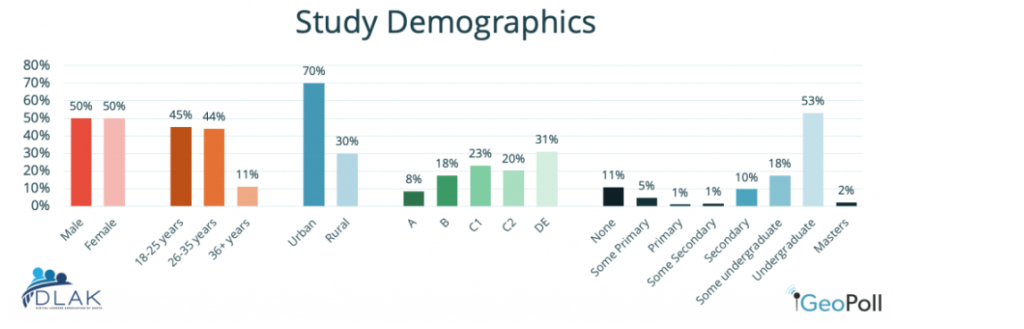
    According to Geopoll, the proliferation of mobile-based banking and lending platforms has provided unbanked populations with access to financial services and increased financial inclusion by over 50%. Digital lending platforms have simplified parts of the borrowing process by allowing eligible customers to access information and apply through digital channels. This can reduce the need for repeated branch visits and make the experience more convenient for employees who may not have time to follow lengthy traditional processes.

    As one of Kenya’s leading digital credit providers, Hela Pesa offers salary-based financial solutions through a digital approach. Its services are designed to bring eligible customers closer to convenient credit options while supporting a more transparent and informed borrowing experience.

    The value of digital credit should not be measured only by how quickly funds can be accessed. Responsible providers must also help customers understand eligibility requirements, repayment terms and whether borrowing is appropriate for their circumstances.

    An infographic on a study conducted by DLAK through GeoPoll aiming to better understand the audiences and motivations for digital lending.

    Supporting Government Employees’ Financial Needs

    Salaried government employees often have predictable income but may still face financial pressure from school fees, medical expenses, household needs, emergencies or other planned commitments. Access to suitable financial services can help them manage these obligations more effectively.

    Fintech platforms can support this process by offering convenient access to financial information and products that reflect the needs of salaried customers. Digital tools may also make it easier to track applications, review repayment details and plan around regular income.

    However, access should always be matched with responsible financial planning. A predictable salary does not mean every loan is affordable. Employees should consider existing commitments and ensure that any repayment fits comfortably within their monthly budget.

    Improving the Customer Experience

    Technology is also changing expectations around financial service delivery. Customers increasingly want services that are accessible, responsive and easy to understand.

    Digital platforms can provide faster communication, self-service options and convenient access to important information. For government employees, these features can reduce the time and effort required to manage financial matters during a busy working day.

    At the same time, convenience must not come at the expense of clarity. Customers should receive clear information about fees, repayment schedules, data privacy and the terms of any financial product before making a decision.

    Trust remains central to the relationship between customers and digital credit providers.

    The Importance of Responsible Fintech

    Greater access to financial services must be accompanied by responsible practices. Digital platforms should make borrowing more convenient without encouraging customers to take on debt beyond their means.

    Financial education is therefore an important part of the fintech ecosystem. Salaried employees should understand how to assess affordability, manage existing credit, plan repayments and distinguish between essential borrowing and discretionary spending.

    Providers such as Hela Pesa have an opportunity to combine digital convenience with responsible financial solutions. This includes presenting relevant information clearly and encouraging customers to make decisions based on their financial circumstances rather than urgency or pressure.

    Looking Ahead

    The future of financial inclusion in Kenya will continue to be shaped by technology. As mobile payments, digital platforms and online credit services become more integrated into everyday life, fintech can help remove barriers that have historically limited access to financial services.

    For salaried government employees, the benefits may include greater convenience, faster access to information and more flexible ways to manage financial needs. However, closing the financial access gap is not simply about placing services online. It is about creating solutions that are accessible, transparent, secure, affordable and genuinely useful.

    Hela Pesa’s role as one of Kenya’s leading digital credit providers reflects the growing importance of technology in delivering salary-based financial solutions. For customers, the key is to combine this access with careful planning, a clear understanding of repayment obligations and informed decision-making.

    Fintech can make financial services easier to access. Financial empowerment comes from using that access responsibly.

  • How Mobile Money Is Transforming Financial Inclusion in Kenya

    How Mobile Money Is Transforming Financial Inclusion in Kenya

    For years, access to financial services in Kenya was closely linked to having a bank account, visiting a physical branch, or meeting strict requirements for accessing credit. Today, mobile money has changed that reality. With a mobile phone, millions of Kenyans can send and receive money, pay bills, save, access credit and conduct business without needing to visit a bank.

    The growth of mobile money has therefore become one of the most significant drivers of financial inclusion in Kenya, bringing formal financial services closer to people who were previously underserved.

    Making Financial Services More Accessible

    One of the biggest ways mobile money is changing financial inclusion is by removing barriers to accessing financial services. Traditional banking can be challenging for people living far from bank branches or those who may not meet conventional account-opening requirements.

    Mobile money platforms provide a more convenient alternative. Users can transact from wherever they are, whether they are in an urban centre, a rural community or running a small business. This convenience has helped integrate more people into Kenya’s formal financial ecosystem.

    Supporting Small Businesses and Entrepreneurs

    Mobile money has also transformed how small businesses operate. Entrepreneurs can receive customer payments, pay suppliers, manage expenses and transfer funds without relying entirely on cash.

    For small businesses, digital transactions can also create a financial record that may become useful when seeking formal financial services. As financial institutions increasingly use digital transaction histories and other forms of data to understand customers, mobile money can contribute to creating pathways toward credit and other financial products.

    This is particularly important for micro and small businesses that may struggle to provide traditional documentation required for conventional financing.

    Expanding Access to Digital Credit

    Mobile money has also contributed to the growth of digital lending in Kenya. Customers can increasingly access financial products through their mobile phones, making borrowing faster and more convenient.

    Digital credit can be particularly useful when customers face short-term financial needs such as unexpected expenses, school-related costs, medical bills or household emergencies.

    However, accessibility also comes with responsibility. Consumers should understand the interest, fees, repayment period and total cost of any loan before accepting it. Responsible borrowing remains essential to ensuring that increased access to credit translates into meaningful financial inclusion rather than over-indebtedness.

    Encouraging a Cashless Economy

    Mobile money has played a major role in reducing reliance on cash. From paying utility bills and purchasing goods to sending money to family members, digital transactions have become part of everyday life.

    For consumers, this can provide greater convenience and security. For businesses, digital payments can simplify collections and record-keeping. The broader shift toward cashless transactions is also encouraging financial institutions and fintech companies to develop products designed around customers’ changing needs.

    Promoting Financial Empowerment

    Financial inclusion is not simply about having access to an account or payment platform. It is also about having the tools and knowledge to make better financial decisions.

    Mobile money has created opportunities for Kenyans to interact with financial services more frequently and conveniently. When combined with financial education, digital platforms can help consumers develop better habits around budgeting, saving, borrowing and managing their money.

    The Future of Financial Inclusion in Kenya

    As technology continues to evolve, mobile money is likely to become increasingly connected to other financial services, including digital credit, savings, insurance, investment products and business financing.

    For companies such as Hela Pesa, this digital transformation creates an opportunity to provide convenient financial solutions to customers who need accessible credit while encouraging responsible financial management.

    Ultimately, mobile money has changed the meaning of financial inclusion in Kenya. It has moved financial services from bank branches into people’s hands, making transactions and financial products more accessible, convenient and increasingly digital.

    The next stage will be ensuring that this accessibility is matched by financial literacy, responsible lending, strong consumer protection and secure digital platforms. When these elements work together, mobile money can continue playing a powerful role in building a more inclusive Kenyan financial system.

  • How to Manage Your Finances During Tough Economic Times: Practical Tips for Financial Stability

    How to Manage Your Finances During Tough Economic Times: Practical Tips for Financial Stability

    Tough economic times can put significant pressure on household finances. Rising costs of food, transport, housing and other essentials can make it harder to save, manage debt and meet monthly financial commitments. While you may not be able to control the economy, you can take practical steps to protect your finances and make better decisions with the money you have.

    1. Review Your Budget

    The first step towards financial stability is understanding where your money goes. Review your monthly income and expenses and separate essential costs from non-essential spending. Prioritise necessities such as food, housing, utilities, transport and school fees.

    A realistic budget can help you identify areas where you can reduce spending without compromising your essential needs. Even small adjustments, such as limiting unnecessary subscriptions or reducing impulse purchases, can make a difference over time.

    2. Build an Emergency Fund

    An emergency fund provides a financial cushion when unexpected expenses arise. This could include medical costs, urgent repairs, school-related expenses or temporary changes in income.

    If saving several months’ worth of expenses feels unrealistic, start small. Set aside a manageable amount every month and gradually build your savings. Consistency is more important than starting with a large amount.

    3. Manage Your Debt Carefully

    During challenging economic periods, taking on unnecessary debt can put additional pressure on your finances. Before borrowing, consider whether the expense is essential and whether you can comfortably manage the repayments.

    If you already have several financial obligations, prioritise timely payments and avoid taking on new debt simply to fund non-essential purchases. Understanding the total cost of borrowing, repayment period and applicable charges can also help you make informed decisions.

    For salaried employees facing an unexpected financial need, a salary advance can provide short-term support when used responsibly. Hela Pesa offers salary-based financial solutions designed to help eligible employees manage planned or unexpected expenses. Before borrowing, however, make sure the repayment fits comfortably within your budget.

    4. Focus on Your Financial Priorities

    Economic uncertainty may require you to rethink your short-term and long-term financial goals. Instead of trying to achieve everything at once, identify your most important priorities.

    For example, you could focus first on maintaining essential household expenses, reducing expensive debt and building an emergency fund. Once these areas are stable, you can redirect more money towards goals such as investing, education or home improvements.

    5. Avoid Emotional Spending

    Financial pressure can sometimes lead to emotional spending as people look for temporary relief or comfort. Before making an unplanned purchase, ask yourself whether it is necessary, affordable and aligned with your financial goals.

    A simple waiting period before making non-essential purchases can help you distinguish between wants and genuine needs.

    6. Plan Before You Borrow

    Borrowing can be useful when it addresses a genuine financial need, but it should be part of a broader financial plan. Compare your options, understand the repayment terms and calculate how the repayments will affect your monthly budget.

    With Hela Pesa, eligible salaried employees can access salary-based financing for various financial needs. The key is to borrow responsibly and ensure that the repayment commitment remains manageable.

    7. Keep Reviewing Your Finances

    Your financial situation can change as prices, income and responsibilities change. Review your budget regularly and adjust it when necessary. A plan that worked six months ago may need to be updated to reflect your current circumstances.

    Stay in Control of Your Money

    Managing finances during tough economic times is less about having a perfect financial plan and more about making deliberate decisions consistently. By budgeting carefully, building savings, managing debt responsibly and planning before borrowing, you can improve your financial resilience.

    When additional financial support is necessary, solutions such as Hela Pesa can complement your financial plan—provided you understand the terms and can comfortably manage the repayments. The goal should always be to use credit as a tool, not as a substitute for sound financial planning.

  • Back-to-School Budgeting Tips for Parents in Kenya: How to Plan for School Expenses

    Back-to-School Budgeting Tips for Parents in Kenya: How to Plan for School Expenses

    The back-to-school season can be exciting for children, but for parents, it can also come with significant financial pressure. School fees, uniforms, books, stationery, transport, meals and other requirements can quickly add up. Without proper planning, these expenses can strain your monthly income and disrupt other financial goals.

    With a clear back-to-school budget, parents can prepare for school expenses while maintaining better control of their finances. Here are practical budgeting tips to help you get ready for the new school term.

    1. Start Planning Early

    One of the best ways to manage back-to-school expenses is to avoid last-minute preparation. Start listing expected school costs as early as possible.

    Check school fee requirements, uniform needs, stationery lists, transport costs and other term-specific expenses. Having a complete picture of what you need allows you to estimate the total amount required and plan your finances accordingly.

    Early planning also gives you more time to save and compare prices.

    2. Create a Back-to-School Budget

    Once you know what your child needs, create a specific budget for the new term.

    Separate expenses into categories such as:

    • School fees
    • Uniforms and shoes
    • Books and stationery
    • Transport
    • Meals
    • Co-curricular activities
    • Other school requirements

    Assign an estimated amount to each category and compare the total with your available income and savings.

    A written budget can help you prioritise essential expenses and reduce unnecessary spending.

    3. Prioritise Needs Over Wants

    Children may want new bags, shoes, accessories or other items even when existing ones are still usable. Before purchasing something new, check what can be reused from the previous term.

    If a uniform is still in good condition or stationery remains unused, consider using it again. Redirecting money towards essential school expenses can make your back-to-school budget more manageable.

    4. Compare Prices Before Buying

    Back-to-school shopping does not have to mean buying everything from the first shop you visit. Compare prices from different stores and suppliers before making major purchases.

    Look out for genuine discounts and consider buying frequently used items in reasonable quantities where doing so offers value.

    However, avoid buying items simply because they are discounted. A lower price does not necessarily mean you are saving money if the item is not needed.

    5. Separate School Expenses From Everyday Spending

    Keeping school money separate from your regular household spending can make it easier to stay on track.

    If possible, set aside money specifically for school-related expenses. This can help prevent funds intended for fees, uniforms or books from being used for unrelated purchases.

    You can also keep a record of payments and purchases throughout the back-to-school period to monitor how much of your budget remains.

    6. Plan for Unexpected Expenses

    Even with careful preparation, additional school expenses can arise. A forgotten item, unexpected activity or transport change can require extra money.

    Where possible, include a small buffer in your budget for unexpected costs. This can reduce the need to disrupt other financial commitments when something comes up.

    7. Consider Financing Carefully

    Some parents may face a temporary gap between their available income and essential school expenses. In such situations, financing may provide an option for eligible customers.

    Hela Pesa offers digital credit solutions to eligible customers who may need additional financial support. However, borrowing for school expenses should be approached responsibly.

    Before taking financing, consider the amount you need, the repayment period, applicable fees and whether the repayments fit comfortably within your income. Borrow only what you can realistically repay.

    8. Start Saving for the Next Term

    Once the school term begins, start preparing for the next one. Setting aside a small amount regularly can make future school expenses less stressful.

    For example, you can create a dedicated school-expense savings target and contribute towards it consistently. Small contributions made over several months can add up and reduce the pressure when the next school term approaches.

    Conclusion

    Back-to-school expenses can put pressure on a household budget, but early preparation and disciplined spending can make the process easier. By creating a detailed budget, prioritising needs, comparing prices and planning for unexpected expenses, parents can manage school costs more effectively.

    Where financing is necessary, understand the terms and repayment obligations before borrowing.

    At Hela Pesa, we believe that convenient financial solutions should be supported by responsible financial planning. Whether you are preparing for school expenses or managing other household financial needs, making informed decisions can help you stay in control of your finances.

    Hela Pesa products are subject to eligibility and applicable terms and conditions. Borrow responsibly and only take financing you can comfortably repay.

  • How to Create a Monthly Budget That Actually Works in Kenya: A Practical Guide

    How to Create a Monthly Budget That Actually Works in Kenya: A Practical Guide

    Creating a monthly budget is one of the simplest ways to take control of your finances. However, many people create budgets that look good on paper but are difficult to follow in real life. Unexpected expenses, impulse purchases and changing priorities can quickly throw your plans off track.

    A practical budget should reflect your actual income, expenses and financial goals. For salaried employees, including government employees, a realistic monthly budget can help you manage your salary more effectively, prepare for unexpected costs and make informed borrowing decisions.

    Here is how to create a monthly budget that actually works.

    1. Start With Your Net Income

    Begin by identifying how much money you actually receive each month after deductions. For salaried employees, this means focusing on your take-home pay rather than your gross salary.

    Knowing your exact available income gives you a realistic starting point. If your income varies, use a conservative estimate based on your typical monthly earnings.

    2. Track Where Your Money Goes

    Before deciding how much you should spend, find out where your money is currently going.

    Track expenses such as:

    • Rent or mortgage
    • Food and groceries
    • Transport
    • Utilities
    • School fees
    • Loan repayments
    • Insurance
    • Entertainment
    • Shopping
    • Savings and investments

    Tracking your spending can reveal expenses that you may overlook, particularly small daily purchases that accumulate over the course of a month.

    3. Separate Needs From Wants

    Not every expense has the same level of importance. Divide your expenses into needs and wants.

    Needs include essential expenses such as food, housing, transport and utilities. Wants may include entertainment, eating out, subscriptions or non-essential shopping.

    This does not mean eliminating everything you enjoy. Instead, it helps you understand where you can reduce spending when your budget is under pressure.

    4. Give Every Shilling a Purpose

    A useful budget should tell your money where to go before you spend it.

    Allocate your income towards essential expenses, savings, debt repayments and personal spending. Set realistic amounts rather than creating targets that are impossible to maintain.

    For example, if you know you regularly spend a certain amount on transport and groceries, use your actual spending patterns when creating your budget.

    A realistic budget is more sustainable than one based on unrealistic spending limits.

    5. Plan for Unexpected Expenses

    Unexpected costs can quickly disrupt a monthly budget. Medical bills, urgent repairs, school requirements or family emergencies can arise without warning.

    Where possible, include an emergency fund in your financial plan. Even small, consistent contributions can gradually create a financial cushion.

    You can also create separate savings goals for predictable expenses such as school fees, annual insurance payments, holidays or major purchases.

    6. Review Your Budget Throughout the Month

    A budget should not only be reviewed on payday. Check your spending regularly to see whether you are staying within your planned limits.

    If you notice that you are spending more than expected in one category, adjust other non-essential expenses rather than ignoring the problem.

    Mid-month reviews can help you identify issues before they become bigger financial challenges.

    7. Be Careful With Borrowing

    A good budget should include your existing loan repayments and other financial commitments. This helps you understand how much of your income is already committed before taking on additional debt.

    If you need financing, consider whether the expense is necessary and whether you can comfortably manage the repayment.

    Hela Pesa provides digital credit solutions to eligible customers, including salaried government employees. If you are considering Hela Pesa financing, review the applicable terms, fees, repayment period and eligibility requirements before accepting an offer.

    Responsible borrowing means taking financing that fits within your financial capacity rather than relying on loans to consistently cover everyday spending.

    8. Make Your Budget Flexible

    Life does not always follow a spreadsheet. Your expenses may change from month to month, so your budget should have room for adjustments.

    At the end of each month, review what worked and what did not. Adjust your spending categories based on your actual experience and use these insights to create a more realistic budget for the following month.

    Final Thoughts

    A monthly budget does not need to be complicated. The most effective budget is one you can realistically follow.

    Start by understanding your income, tracking your spending, prioritising essential expenses, saving consistently and reviewing your progress throughout the month. When borrowing is necessary, make sure the repayment fits comfortably within your budget.

    At Hela Pesa, we believe financial solutions should go hand in hand with responsible financial planning. By creating a budget that reflects your real financial situation, you can make better decisions today while working towards your long-term financial goals.

    Hela Pesa products are subject to eligibility and applicable terms and conditions. Loan approval is not guaranteed. Borrow responsibly.

  • How to Improve Your Chances of Loan Approval in Kenya: A Guide for Salaried Government Employees

    How to Improve Your Chances of Loan Approval in Kenya: A Guide for Salaried Government Employees

    For salaried government employees, access to financing can provide useful support when managing planned expenses, emergencies or important financial goals. However, loan approval is not automatic. Lenders typically assess an applicant’s financial circumstances, ability to repay and other relevant information before making a lending decision.

    If you are a government employee considering a loan, understanding what can strengthen your application can help you prepare better. Here are practical tips on how to improve your chances of loan approval in Kenya.

    1. Maintain a Consistent Income

    A regular income can help demonstrate your ability to meet loan repayments. For salaried government employees, having a stable salary provides a predictable source of income that can support financial planning.

    Before applying for a loan, understand your monthly income and how much of it is already committed to expenses and existing repayments. This can help you determine an amount that you can realistically afford.

    2. Keep Your Financial Records in Order

    Accurate and up-to-date personal and employment information can make the application process smoother.

    Ensure that details such as your identification information, employment information and contact details are accurate when submitting a loan application. If supporting documentation is required, provide the correct information and ensure it is up to date.

    3. Build a Positive Credit History

    Your credit history can be an important consideration when applying for financing. Consistently meeting your existing credit obligations demonstrates responsible borrowing behaviour.

    Avoid missing repayments where possible and keep track of your existing loans and other financial commitments. If you have outstanding obligations, understand how they affect your ability to take on additional financing.

    A good credit history does not guarantee approval, but responsible repayment behaviour can contribute to a stronger financial profile.

    4. Avoid Borrowing More Than You Can Afford

    Applying for a loan amount that is significantly higher than your repayment capacity can make it harder to manage your finances.

    Before applying, create a simple budget that includes your salary, household expenses, existing loan repayments and other financial commitments. Then determine how much you can comfortably allocate towards a new repayment.

    Responsible borrowing is about choosing financing that fits within your financial capacity.

    5. Understand Your Existing Financial Commitments

    If you already have loans or other credit obligations, take them into account before applying for additional financing.

    Multiple financial commitments can reduce the amount of income available for a new repayment. Review your outstanding balances and monthly instalments and consider whether taking another loan is necessary.

    If you do need additional financing, choose an amount and repayment period that you can reasonably manage.

    6. Provide Accurate Information

    When applying for financing, always provide truthful and accurate information.

    Incorrect or inconsistent information can delay the application process or affect the lender’s ability to assess your application. Take time to review your application before submitting it and ensure that the information provided matches your supporting documentation where applicable.

    7. Understand the Loan Terms Before Applying

    Loan approval should not be your only consideration. Before accepting financing, make sure you understand the amount you will receive, applicable fees and charges, repayment period and total repayment obligations.

    At Hela Pesa, eligible salaried government employees can access digital credit solutions designed around their financial needs. Hela Pesa serves employees in the public sector, including customers working with institutions such as TSC, county governments and other eligible government-related organisations.

    If you are considering a Hela Pesa loan, review the applicable eligibility requirements and loan terms carefully before accepting an offer.

    8. Borrow Responsibly

    A loan should be viewed as a financial commitment rather than additional income. Consider the purpose of the loan and whether borrowing is the most appropriate solution for your need.

    For salaried government employees, maintaining a healthy balance between income, expenses, savings and debt repayments can help support long-term financial stability.

    Conclusion

    Improving your chances of loan approval starts with responsible financial management. Maintaining a consistent income, keeping accurate information, building a positive credit history and understanding your repayment capacity can help you approach the borrowing process with greater confidence.

    For eligible government employees, Hela Pesa provides convenient digital financing solutions while encouraging customers to make informed borrowing decisions.

    Before applying for any loan, assess your financial situation, understand the terms and only borrow an amount you can comfortably repay.

    Hela Pesa products are subject to eligibility, applicable terms and conditions. Loan approval is subject to assessment and is not guaranteed. Borrow responsibly and only take financing you can comfortably repay.

  • Financial Planning for Weddings and Family Events

    Financial Planning for Weddings and Family Events

    Weddings, traditional ceremonies, birthdays, graduations, anniversaries, and family reunions are some of life’s most memorable milestones. While these occasions bring joy and strengthen family bonds, they can also place significant pressure on your finances if you don’t plan carefully.

    Whether you’re the bride, groom, parent, or a family member contributing to the celebration, having a solid financial plan ensures you can enjoy the occasion without unnecessary financial stress. With the right budgeting strategy and access to reliable financial support, you can celebrate confidently while protecting your long-term financial well-being.

    Start Planning Early

    The secret to successful event planning is starting early. Once you know the date of your wedding or family event, begin estimating the expected costs. Breaking down expenses into manageable categories helps you understand how much you’ll need and where you can save.

    Some common event expenses include:

    • Venue hire
    • Catering and refreshments
    • Photography and videography
    • Decorations and entertainment
    • Attire and accessories
    • Transportation
    • Invitations and printing
    • Accommodation for guests
    • Gifts and miscellaneous expenses

    Creating a realistic budget allows you to prioritize essential expenses while avoiding unnecessary spending.

    Set a Realistic Budget

    One of the biggest mistakes people make is planning an event based on emotions instead of their financial capacity. While everyone wants a memorable celebration, it’s important to distinguish between necessities and luxury extras.

    Determine how much you can comfortably afford using your income and savings. Avoid committing to expenses that may strain your finances long after the event is over.

    Review quotes from multiple vendors, compare prices, and negotiate where possible. Small savings across different categories can significantly reduce your overall event budget.

    Build an Event Savings Fund

    If your event is several months away, consider creating a dedicated savings plan. Setting aside a fixed amount from every paycheck helps spread the financial burden over time.

    Automating your savings can make the process easier and reduce the temptation to spend money intended for your event.

    Even if you cannot save the entire amount, building a savings fund reduces the amount you’ll need to borrow later.

    Prepare for Unexpected Costs

    No matter how detailed your budget is, unexpected expenses almost always arise. Additional guests, last-minute purchases, transport changes, or vendor adjustments can increase your costs.

    Financial experts recommend setting aside a contingency fund of approximately 10% to 15% of your total event budget to cover unforeseen expenses.

    Having this financial cushion gives you peace of mind and helps prevent disruptions during your special occasion.

    Use Credit ResponsiblyThere are times when your savings may not fully cover the cost of a wedding or important family event. Rather than postponing your plans or relying on informal borrowing, consider using a structured financial solution.

    A well-planned salary loan can help bridge temporary financial gaps while allowing you to maintain your budget and meet your commitments.

    Hela Pesa Salary Loans provide eligible salaried employees with quick access to funds through a simple digital application process. Whether you’re paying venue deposits, settling supplier invoices, or covering other event-related expenses, Hela Pesa offers a convenient way to finance your celebration responsibly.

    By borrowing only what you need and choosing a repayment plan that fits your income, you can celebrate confidently without placing unnecessary strain on your finances.

    Avoid Last-Minute Financial Decisions

    Many people make expensive financial decisions during the final days before an event. Last-minute purchases often come with higher prices and fewer options.

    Planning allows you to take advantage of discounts, compare suppliers, and make thoughtful purchasing decisions.

    Preparing early also gives you enough time to organize your finances and secure any additional funding you may require.

    Involve the Family in Budget Planning

    For weddings and large family celebrations, financial planning shouldn’t rest on one person alone.

    Discuss expectations openly with family members and determine who will contribute toward various expenses. Clear communication helps avoid misunderstandings while ensuring everyone understands the financial plan.

    Working together can significantly reduce financial pressure and make the planning process more enjoyable.

    How Hela Pesa Can Support Your Special Moments

    Life’s biggest celebrations deserve careful financial planning. At Hela Pesa, we understand that weddings and family events are important milestones that often require additional financial flexibility.

    Our salary loan solutions are designed to help eligible salaried employees access funds quickly and conveniently through a secure digital platform. With a simple online application process, fast loan processing for qualified applicants, and flexible repayment options, Hela Pesa helps you manage event expenses without unnecessary delays.

    Whether you’re planning your dream wedding, hosting a graduation celebration, organizing a family reunion, or preparing for another important milestone, Hela Pesa provides financial support so you can focus on creating lasting memories.

    Final Thoughts

    Financial planning is the foundation of every successful wedding and family event. By starting early, creating a realistic budget, building your savings, and preparing for unexpected costs, you can celebrate life’s special moments without compromising your financial future.

    When additional funding is needed, responsible borrowing can provide the flexibility to bring your plans to life while keeping your finances on track.

    At Hela Pesa, we’re committed to helping Kenyans achieve their goals through accessible, convenient, and reliable salary loan solutions. Whether you’re planning a once-in-a-lifetime wedding or an unforgettable family celebration, Hela Pesa is your trusted financial partner every step of the way.

  • Understanding Credit Scores in Kenya: Why Your Credit Score Matters for Borrowing

    Understanding Credit Scores in Kenya: Why Your Credit Score Matters for Borrowing

    When you apply for financing, lenders need to assess whether you are likely to repay what you borrow. One of the factors that can help inform this assessment is your credit history and credit score.

    Understanding credit scores and why they matter can help you make more informed financial decisions, manage your borrowing responsibly and build a healthier financial profile over time.

    What Is a Credit Score?

    A credit score is a numerical representation generated from information in your credit history. It can help lenders assess your creditworthiness and the likelihood that you will meet your repayment obligations.

    In Kenya, credit information is collected and shared through licensed Credit Reference Bureaus (CRBs). Your credit history may include information about credit accounts, repayment behaviour and other relevant credit information.

    A credit score is not the only factor a lender considers when assessing an application. Different lenders may use different criteria, policies and affordability assessments.

    Why Does Your Credit Score Matter?

    1. It Can Influence Your Access to Credit

    A positive credit history can demonstrate responsible borrowing behaviour. When you consistently meet repayment obligations, you create a record that may support future credit applications.

    On the other hand, missed or delayed repayments can negatively affect your credit history and potentially make accessing credit more difficult.

    2. It Reflects Your Repayment Behaviour

    Your credit history provides an indication of how you have managed previous credit obligations.

    Making repayments on time is one of the most important habits you can develop as a borrower. Before taking financing, make sure you understand the repayment schedule and that the instalments fit comfortably within your income.

    3. It Encourages Responsible Borrowing

    Knowing that your borrowing behaviour can affect your credit profile can encourage you to think carefully before taking on new debt.

    Before borrowing, consider why you need the funds, how much you actually need and whether you can comfortably manage the repayments alongside your existing financial commitments.

    Avoid taking multiple loans simply to cover repayments for other loans. Instead, develop a realistic budget and repayment plan.

    4. It Can Help You Identify Financial Problems Early

    Regularly checking your credit information can help you identify inaccuracies or unfamiliar credit activity.

    If you find information that you believe is incorrect, you can follow the appropriate process with the relevant credit provider or CRB to have the matter reviewed.

    Keeping track of your credit information is therefore an important part of overall financial management.

    How Can You Maintain a Healthy Credit Profile?

    Building good credit habits takes time. Start by paying your bills and credit obligations on time. Avoid borrowing more than you can comfortably repay and keep track of all your existing financial commitments.

    It is also helpful to maintain a personal budget. Knowing exactly how much you earn, spend and owe can help you avoid taking on debt that could put unnecessary pressure on your finances.

    Most importantly, do not view credit as extra income. Financing creates an obligation that must be repaid.

    How Hela Pesa Fits Into Responsible Borrowing

    At Hela Pesa, we provide digital credit solutions to eligible customers. Whether you are considering financing for an immediate financial need or a planned expense, understanding your repayment ability is an important first step.

    Before applying, consider your current income, existing financial commitments and the repayment amount. Make sure you understand the applicable terms, fees and repayment period before accepting financing.

    Responsible borrowing is not simply about getting access to money. It is about borrowing within your means and maintaining the ability to meet your financial obligations.

    Final Thoughts

    Your credit score is one part of your overall financial profile, but your financial habits matter just as much. Paying on time, borrowing responsibly, monitoring your credit information and maintaining a realistic budget can help you build a stronger financial foundation.

    Whether you are an experienced borrower or applying for credit for the first time, understanding how credit scores work in Kenya and why they matter can help you make better financial decisions.

    With responsible borrowing and consistent financial planning, you can work towards maintaining a healthier credit profile and achieving your financial goals.

    Hela Pesa products are subject to eligibility and applicable terms and conditions. Borrow responsibly and only take financing you can comfortably repay.

  • Mid-Month Financial Survival Tips: How to Manage Your Money Until Payday

    Mid-Month Financial Survival Tips: How to Manage Your Money Until Payday

    Reaching the middle of the month and realising that your money is running low can be stressful. With bills, food, transport, school expenses and unexpected costs competing for your income, it can become challenging to make your money last until the next payday.

    The good news is that a few practical mid-month financial survival tips can help you regain control of your spending and avoid unnecessary financial pressure.

    1. Check Your Remaining Balance

    The first step is knowing exactly where you stand financially. Check your bank and mobile money balances and review your recent transactions.

    List the money you have available and the expenses you still need to pay before your next income. This gives you a realistic picture of what you can afford and helps prevent spending based on assumptions.

    2. Prioritise Essential Expenses

    When money is tight, separate your expenses into needs and wants.

    Prioritise essentials such as food, transport, rent, utilities, school-related expenses and other important obligations. Non-essential purchases, entertainment and impulse spending can be reduced or postponed until your financial position improves.

    A simple priority list can help you decide where your remaining money should go.

    3. Review Your Daily Spending

    Small expenses can quickly add up. Buying snacks, ordering food, making frequent impulse purchases or spending unnecessarily on convenience can significantly affect your monthly budget.

    For the rest of the month, track your daily spending. Set a realistic daily or weekly limit and try to stay within it.

    You don’t necessarily need to eliminate every enjoyable expense. The goal is to become more intentional about where your money goes.

    4. Make the Most of What You Already Have

    Before spending money on groceries or household items, check what you already have at home.

    Plan meals around existing supplies and create a shopping list before visiting the supermarket. Avoid buying items simply because they are on promotion if they are not part of your immediate needs.

    Being resourceful with what you already have can help stretch your remaining income.

    5. Avoid Unplanned Borrowing

    When your money runs low, borrowing can seem like the easiest solution. However, taking credit without considering your repayment ability can create additional financial pressure in the following month.

    Before taking financing, ask yourself whether the expense is necessary, how much you actually need and whether you can comfortably meet the repayment obligations.

    If you decide to borrow, understand the applicable fees, terms and repayment schedule before accepting the financing.

    6. Use Financing Responsibly When Necessary

    There may be situations where additional financing is genuinely needed to manage an important expense before payday.

    Hela Pesa provides digital credit solutions to eligible customers, offering a convenient way to access financing when needed. However, responsible borrowing is essential.

    Before applying for financing, review your income, existing financial commitments and expected repayment. Only borrow an amount you can comfortably repay and ensure you understand the applicable terms and conditions.

    Financing should support your financial needs rather than become a regular substitute for budgeting.

    7. Start Planning for the Next Payday

    Don’t wait until the next financial squeeze to change your habits. Use the experience to improve your next monthly budget.

    When you receive your next income, allocate money towards essential expenses first. Set aside savings, plan for upcoming bills and establish a reasonable amount for personal spending.

    You can also create an emergency fund over time. Even small, consistent contributions can provide a financial cushion when unexpected expenses arise.

    Conclusion

    Running low on money in the middle of the month doesn’t have to derail your finances. By checking your balance, prioritising essential expenses, tracking daily spending and avoiding unnecessary borrowing, you can make your remaining income stretch further.

    If you need financing, make sure you understand the cost and repayment obligations before committing.

    At Hela Pesa, we believe that convenient financial solutions should go hand in hand with responsible financial decisions. With better planning and disciplined spending, you can navigate the rest of the month with greater confidence and prepare for a healthier financial future.

    Hela Pesa products are subject to eligibility and applicable terms and conditions. Borrow responsibly and only take financing you can comfortably repay.

  • How Inflation Affects Your Daily Budget: Practical Tips for Managing Rising Costs in Kenya

    How Inflation Affects Your Daily Budget: Practical Tips for Managing Rising Costs in Kenya

    Inflation can have a noticeable impact on your finances, even when your income remains unchanged. As the prices of food, transport, utilities and other everyday essentials increase, the same amount of money may no longer cover everything it used to.

    Understanding how inflation affects your daily budget can help you make better financial decisions, adjust your spending habits and protect your financial goals.

    What Is Inflation?

    Inflation refers to the general increase in the prices of goods and services over time. When inflation rises, your money effectively has less purchasing power. For example, if you previously spent KSh 500 on a particular basket of groceries, you may need to spend more to buy the same items later.

    For households managing fixed or predictable incomes, these increases can put pressure on monthly budgets.

    1. Your Everyday Expenses May Increase

    One of the most noticeable effects of inflation is the rising cost of necessities. Food, transport, electricity, household items and other regular expenses can gradually take up a larger portion of your income.

    If your income stays the same while your expenses increase, you may have less money available for savings, investments or unexpected expenses.

    Regularly reviewing your spending can help you identify where your money is going and which expenses can be reduced.

    2. Your Budget May Need to Change

    A budget should not be a one-time exercise. When prices change, your budget may also need to change.

    Review your monthly expenses and separate them into essential and non-essential spending. Prioritise necessities such as housing, food, transport and utilities before allocating money to discretionary expenses.

    You can also compare prices, reduce unnecessary subscriptions and look for more affordable alternatives without compromising essential needs.

    3. Saving Can Become More Challenging

    Inflation can make it harder to maintain your usual savings target because more of your income may be needed for everyday expenses.

    Instead of abandoning your savings completely, consider adjusting your target temporarily. Even small, consistent contributions can help you maintain the habit while you look for ways to improve your cash flow.

    It is also important to maintain an emergency fund where possible. Unexpected expenses can be particularly difficult to manage when your regular budget is already under pressure.

    4. Borrowing Requires More Careful Planning

    When everyday expenses rise, you may be tempted to use credit to cover the difference. While financing can provide useful support for eligible customers when used responsibly, borrowing should be carefully considered.

    Before taking a loan, understand the amount you will repay, the applicable fees and charges, the repayment period and whether the repayment fits comfortably within your budget.

    At Hela Pesa, customers can access digital credit solutions subject to eligibility and applicable terms. Financing should be used responsibly and for needs that you have a realistic plan to repay.

    5. Planning Ahead Becomes More Important

    Inflation highlights the importance of having a flexible financial plan. Rather than waiting until your budget is under pressure, review your finances regularly.

    Consider creating separate allocations for essential expenses, savings, debt repayments and personal spending. Planning ahead can also help you prepare for predictable expenses such as school fees, annual subscriptions, insurance and major household purchases.

    How Hela Pesa Can Help

    Managing your finances during periods of rising costs requires planning and informed decision-making. Hela Pesa provides convenient digital financial solutions for eligible customers who may need additional financial support.

    However, financing is not a substitute for budgeting. Before borrowing, assess your income, expenses and repayment ability to ensure that the financial commitment is manageable.

    Conclusion

    Inflation may be outside your control, but how you respond to rising prices is within your control. Reviewing your budget, prioritising essential expenses, maintaining savings where possible and making thoughtful borrowing decisions can help you navigate changing costs.

    The goal is not simply to spend less. It is to make every shilling work more effectively.

    With careful planning and responsible financial decisions, you can adapt your daily budget to changing economic conditions while continuing to work towards your long-term financial goals.

    Hela Pesa products are subject to eligibility, applicable terms and conditions. Borrow responsibly and only take financing you can comfortably repay.

  • 5 Signs Your Business Needs Working Capital Financing: A Guide for Kenyan Business Owners

    5 Signs Your Business Needs Working Capital Financing: A Guide for Kenyan Business Owners

    Running a business requires more than having a great product or loyal customers. You also need enough cash flow to keep daily operations running smoothly. From purchasing stock and paying suppliers to covering unexpected expenses, having access to working capital can make a significant difference.

    Working capital financing can help businesses manage short-term financial needs without disrupting their operations. But how do you know when your business may need additional working capital?

    Here are five signs to watch out for.

    1. You Regularly Struggle to Maintain Cash Flow

    A profitable business can still experience cash-flow challenges. Customers may take time to pay invoices while suppliers, employees and other expenses still need to be paid on time.

    If you frequently find yourself waiting for payments while struggling to meet immediate business expenses, it may be a sign that your business needs additional working capital.

    Having access to financing can provide a financial cushion that helps bridge temporary cash-flow gaps and keep your operations running.

    2. You Are Turning Away Orders Because You Cannot Afford More Stock

    Growing demand is usually a positive sign. However, it can become a challenge when you do not have enough funds to purchase additional inventory.

    For example, a retailer may receive a large order but lack the cash required to restock products. Turning down such opportunities repeatedly can limit your business growth.

    Working capital financing can help eligible businesses access funds to purchase stock and take advantage of genuine business opportunities when they arise.

    3. You Are Struggling to Pay Suppliers on Time

    Strong relationships with suppliers are important for any business. Delayed payments can affect your ability to negotiate favourable terms, access stock or maintain reliable supplier relationships.

    If your business frequently struggles to settle supplier invoices because of temporary cash-flow shortages, additional working capital could help you manage your obligations more effectively.

    However, financing should be carefully planned. Business owners should consider the total cost of borrowing and ensure that expected business income can comfortably support repayment.

    4. Your Business Is Growing Faster Than Your Cash Flow

    Growth often requires spending money before you see the returns. You may need to hire additional staff, increase inventory, invest in marketing, acquire equipment or expand your operations.

    If your sales are increasing but your available cash is not keeping up with the cost of expansion, financing could help bridge the gap.

    The key is to borrow for productive purposes that have a clear connection to your business objectives and expected revenue.

    5. You Are Constantly Using Personal Funds to Keep the Business Running

    Mixing personal and business finances can make it difficult to understand your company’s true financial position.

    If you regularly use your personal savings or income to pay business expenses, it may indicate that your business needs a more structured approach to working capital management.

    Separating business and personal finances, maintaining accurate records and planning your cash flow can help you determine whether financing is appropriate.

    How Hela Pesa Can Support Your Financial Goals

    At Hela Pesa, we understand that financial needs can arise when you least expect them. Hela Pesa provides digital credit solutions designed to make access to financing more convenient for eligible customers.

    For business owners considering financing, it is important to first assess your cash flow, understand the purpose of the funds and determine whether the expected returns justify the cost of borrowing.

    Working capital financing should not simply be about accessing money. It should be about using financing strategically to maintain operations, manage cash flow and support sustainable growth.

    Final Thoughts

    Cash-flow challenges are common in business, but they should not automatically be viewed as a sign of failure. Recognising the warning signs early can help you make better financial decisions.

    Whether you need to purchase stock, manage a temporary cash-flow gap or fund a growth opportunity, careful planning is essential. Before taking financing, understand the terms, repayment obligations and total cost involved.

    Hela Pesa is committed to making financial solutions more accessible and convenient, helping eligible customers make informed decisions about their financial needs.

    Terms and eligibility apply. Borrow responsibly and only take financing you can comfortably repay.

  • How AI Is Changing Personal Finance

    How AI Is Changing Personal Finance

    Artificial Intelligence (AI) is no longer a futuristic concept—it’s transforming how people manage their money every day. From budgeting apps and fraud detection to instant loan approvals and personalized financial advice, AI is making personal finance smarter, faster, and more accessible than ever before.

    In Kenya’s rapidly growing digital economy, AI is helping individuals make better financial decisions while enabling financial institutions like Hela Pesa to deliver faster, safer, and more personalized services. As more people embrace digital banking and mobile lending, understanding how AI is shaping personal finance can help you take advantage of these innovations.

    AI Is Making Financial Services More Accessible

    One of the biggest advantages of AI is its ability to simplify access to financial services. Traditional loan applications often involved lengthy paperwork, multiple approvals, and long waiting periods. Today, AI-powered systems can analyze information within seconds, allowing eligible borrowers to receive quick decisions.

    At Hela Pesa, technology plays a key role in streamlining the loan application process. Customers can apply for salary loans online without visiting a branch, making it easier to access funds whenever they need financial support.

    This digital approach saves time, reduces paperwork, and provides a seamless borrowing experience for salaried employees across Kenya.

    Smarter Loan Decisions

    AI enables lenders to make more informed credit decisions by analyzing multiple data points in real time. Rather than relying solely on traditional credit assessments, AI evaluates patterns that help determine a customer’s ability to repay responsibly.

    This allows financial institutions to process applications more efficiently while maintaining responsible lending practices.

    For borrowers, this means quicker responses and a more convenient application process. Whether you’re applying for a salary advance to cover school fees, medical expenses, or emergency costs, AI helps reduce unnecessary delays.

    Personalized Financial Management

    No two people have the same financial habits. AI-powered financial tools can analyze spending patterns, identify recurring expenses, and recommend personalized ways to save money or improve budgeting.

    Many modern financial apps now use AI to:

    • Track monthly spending.
    • Categorize expenses automatically.
    • Send reminders for upcoming bills.
    • Suggest savings goals.
    • Identify unusual transactions.

    These intelligent insights empower users to make better financial decisions without requiring advanced financial knowledge.

    By combining disciplined budgeting with responsible borrowing through Hela Pesa’s salary loan solutions, customers can better manage both planned and unexpected expenses.

    Improved Fraud Detection and Security

    As digital financial services continue to grow, cybersecurity has become more important than ever.

    AI helps detect suspicious activities by continuously monitoring transactions and identifying unusual behavior. If an account suddenly shows spending patterns that differ from normal activity, AI systems can trigger alerts or temporarily block potentially fraudulent transactions.

    This added layer of protection helps safeguard customer information and financial transactions.

    For digital lenders like Hela Pesa, leveraging advanced technology contributes to creating a secure environment where customers can confidently access financial services.

    Faster Customer Support

    AI-powered chatbots and virtual assistants have transformed customer service in the financial industry.

    Instead of waiting in long queues or calling customer support for simple questions, customers can now receive instant responses to common inquiries such as:

    • Loan eligibility.
    • Application status.
    • Repayment schedules.
    • Account information.
    • Frequently asked questions.

    While human support remains essential for more complex issues, AI improves response times and ensures customers receive assistance whenever they need it.

    This creates a more convenient customer experience while allowing service teams to focus on specialized support.

    AI Helps You Build Better Financial Habits

    Artificial Intelligence is not just about automation—it’s also about education.

    Many digital financial platforms now use AI to encourage positive financial behaviors by providing:

    • Spending insights.
    • Savings reminders.
    • Budget recommendations.
    • Financial wellness tips.
    • Personalized goal tracking.

    These tools help users stay accountable and make informed financial decisions throughout the year.

    When combined with responsible borrowing, these habits contribute to long-term financial stability.

    The Future of Personal Finance in Kenya

    Kenya continues to lead Africa in mobile money and digital financial innovation. As AI technology advances, customers can expect even more personalized and efficient financial services.

    Future developments may include:

    • Smarter financial planning tools.
    • Predictive budgeting based on income patterns.
    • Enhanced fraud prevention.
    • Faster digital loan approvals.
    • Personalized financial education tailored to individual needs.

    These innovations will make managing money easier, more secure, and more convenient for millions of Kenyans.

    How Hela Pesa Is Supporting Digital Financial Innovation

    At Hela Pesa, technology is at the heart of delivering exceptional customer experiences. By embracing digital solutions, Hela Pesa provides fast, convenient, and reliable salary loans designed to meet the evolving financial needs of Kenyan professionals.

    Whether you’re handling an emergency, paying school fees, renovating your home, or consolidating expenses, Hela Pesa offers a simple online application process, quick loan processing for eligible applicants, and flexible repayment options that fit your financial situation.

    As AI continues to transform the financial sector, Hela Pesa remains committed to leveraging innovative technology to improve efficiency, enhance customer service, and provide secure financial solutions that empower customers to achieve their financial goals.

    Final Thoughts

    Artificial Intelligence is reshaping personal finance by making financial services more accessible, secure, and personalized. From intelligent budgeting tools to faster loan approvals and enhanced fraud protection, AI is helping individuals make smarter financial decisions every day.

    While technology provides valuable insights and convenience, responsible financial management remains essential. Combining smart budgeting, regular saving, and trusted financial solutions can help you build a stronger financial future.

    If you’re looking for a fast, secure, and convenient salary loan, Hela Pesa is your trusted financial partner—leveraging technology to help you access the financial support you need, when you need it.

  • Mid-Year Financial Check-Up: Are You on Track?

    As we reach the middle of the year, it’s the perfect time to pause and evaluate your financial progress. Whether your goal was to save more, reduce debt, invest in your future, or improve your overall financial health, a mid-year financial check-up helps you determine whether you’re on the right path or need to make adjustments.

    Many people wait until the end of the year to review their finances, only to realize they have fallen short of their goals. By assessing your financial position now, you still have enough time to make meaningful improvements before the year ends.

    1. Review Your Financial Goals

    Start by revisiting the financial goals you set at the beginning of the year. Ask yourself:

    • Have you been saving consistently?
    • Are you paying your bills and loans on time?
    • Have you reduced unnecessary spending?
    • Are you making progress toward major goals such as buying a home, paying school fees, or starting a business?

    If you’ve achieved some of your targets, celebrate your progress. If you’re behind, don’t be discouraged. A mid-year review allows you to reset your priorities and create a realistic action plan for the remaining months.

    2. Evaluate Your Budget

    A budget is the foundation of financial success, but it’s only effective if you follow it.

    Take a close look at your monthly income and expenses. Identify areas where your spending may have increased without adding real value. Subscription services, impulse purchases, and lifestyle inflation can quietly drain your finances over time.

    Consider adjusting your budget to allocate more money toward savings, investments, or clearing existing debts. Even small monthly adjustments can make a significant difference by the end of the year.

    3. Assess Your Emergency Fund

    Life is unpredictable. Medical emergencies, home repairs, or unexpected family expenses can happen at any time.

    A healthy emergency fund should ideally cover three to six months of essential living expenses. If your savings are not yet sufficient, make it a priority to build them gradually.

    However, when unexpected expenses arise before you’ve built a complete emergency fund, having access to responsible credit can prevent financial stress.

    That’s where Hela Pesa comes in.

    4. Use Credit Wisely

    Borrowing is not a bad thing when done responsibly. The key is using credit for meaningful purposes that improve your financial stability rather than financing unnecessary expenses.

    Whether you’re dealing with an emergency, paying school fees, consolidating expenses, or handling important household needs, Hela Pesa Salary Loans provide a convenient solution for eligible salaried employees.

    With flexible repayment periods, competitive interest rates, and a simple digital application process, Hela Pesa enables borrowers to access funds quickly without lengthy paperwork. Instead of disrupting your financial plans, a well-managed loan can help you stay on track toward your goals.

    5. Prepare for Upcoming Expenses

    The second half of the year often comes with increased financial responsibilities. School fees, holiday preparations, medical expenses, family events, and year-end commitments can place pressure on your budget.

    Planning allows you to spread these expenses over several months instead of waiting until the last minute.

    If your planned expenses exceed your available savings, consider financing them through a structured and affordable loan solution rather than relying on expensive short-term borrowing.

    Hela Pesa offers salary loans designed to help employees manage planned expenses while maintaining financial stability.

    6. Check Your Debt Health

    Take inventory of all your current debts.

    Ask yourself:

    • Which loans have the highest interest rates?
    • Are you making all your repayments on time?
    • Can you reduce your monthly debt burden?

    Responsible borrowing involves keeping repayments manageable and avoiding unnecessary multiple loans. Staying current on your repayments also strengthens your financial profile and improves your long-term financial wellbeing.

    7. Recommit to Saving

    Saving doesn’t require large amounts of money. Consistency is far more important than size.

    Consider setting up automatic transfers into your savings account immediately after receiving your salary. Even small monthly contributions grow significantly over time.

    By combining disciplined saving with responsible borrowing, you create a balanced financial strategy that prepares you for both opportunities and unexpected challenges.

    How Hela Pesa Can Help You Stay Financially Strong

    Financial success isn’t about avoiding loans altogether—it’s about using financial solutions wisely.

    Hela Pesa understands the needs of salaried professionals across Kenya by providing fast, secure, and convenient salary loans that support important financial goals. Whether you’re covering an emergency, paying school fees, financing home improvements, or managing unexpected expenses, Hela Pesa helps bridge financial gaps without unnecessary delays.

    With a simple online application process, quick approvals for eligible applicants, and flexible repayment options, Hela Pesa empowers customers to make confident financial decisions throughout the year.

    Final Thoughts

    A mid-year financial check-up is one of the smartest habits you can develop. Reviewing your goals, refining your budget, strengthening your savings, and managing credit responsibly can significantly improve your financial position before the year ends.

    Remember, it’s never too late to get back on track.

    If you need financial support to achieve your goals or manage life’s unexpected expenses, Hela Pesa is ready to help with flexible salary loan solutions designed to keep you moving forward.

  • The Rise of Digital Payments in Kenya: How Cashless Transactions Are Shaping the Future of Finance

    The Rise of Digital Payments in Kenya: How Cashless Transactions Are Shaping the Future of Finance

    Kenya has long been recognised as a global leader in digital payments, transforming the way people send, receive, and manage money. From paying for groceries at the local kiosk to settling utility bills and accessing financial services, digital payments have become an integral part of everyday life. As technology continues to evolve, the shift towards a cashless economy is creating new opportunities for individuals, businesses, and financial institutions alike.

    The Growth of Digital Payments in Kenya

    The adoption of digital payments in Kenya has grown significantly over the past decade. Mobile money services, internet banking, and digital wallets have made financial transactions faster, safer, and more convenient. Today, many Kenyans can pay for goods and services, transfer money to loved ones, and even save and invest without ever visiting a bank branch.

    This growth has been driven by increased smartphone penetration, improved internet connectivity, and a growing demand for convenient financial solutions. The COVID-19 pandemic also accelerated the adoption of digital payments as businesses and consumers sought contactless ways to transact.

    For many Kenyans, carrying cash is no longer a necessity. Whether paying for public transport, shopping online, or making business transactions, digital payment options have simplified financial management.

    Benefits of Digital Payments

    One of the biggest advantages of digital payments is convenience. Transactions can be completed within seconds, eliminating the need to travel long distances to access banking services or carry large amounts of cash.

    Digital payments also enhance security. Unlike cash, which can be lost or stolen, digital transactions leave an electronic record, making it easier to track spending and resolve disputes.

    For businesses, digital payments improve efficiency by reducing cash handling costs and enabling faster payments from customers. Small and medium-sized enterprises can expand their customer base by accepting various forms of digital payment, including mobile money and online transfers.

    Consumers also benefit from improved financial management. Transaction histories help individuals monitor their spending habits, create budgets, and make informed financial decisions.

    Driving Financial Inclusion

    Digital payments have played a crucial role in promoting financial inclusion across Kenya. Millions of people who previously had limited access to traditional banking services can now participate in the formal financial system through their mobile phones.

    This access has empowered individuals to save money securely, receive salaries and government payments, pay bills conveniently, and access a wider range of financial products and services.

    For entrepreneurs and small business owners, digital payments provide opportunities to reach customers beyond their immediate location and manage their finances more effectively.

    Challenges to Overcome

    Despite the rapid growth of digital payments, challenges remain. Cybersecurity threats and online fraud continue to pose risks to consumers and businesses. It is essential for users to protect their personal information, use strong passwords, and only transact through trusted platforms.

    Digital literacy is another important factor. Some individuals, particularly in remote areas, may require additional education and support to fully benefit from digital financial services.

    Network outages and system downtimes can also occasionally disrupt transactions. Continued investment in technology infrastructure will be key to ensuring reliable and secure digital payment systems.

    The Future of Digital Finance in Kenya

    The future of digital payments in Kenya looks promising. Innovations such as contactless payments, digital wallets, artificial intelligence, and integrated financial platforms are expected to make transactions even more seamless.

    As more businesses embrace digital solutions and consumers become increasingly comfortable with cashless transactions, the country’s digital economy will continue to grow. This evolution is not only changing how people pay but also how they save, borrow, invest, and manage their financial lives.

    The integration of digital payments with other financial services is creating a more connected financial ecosystem that offers greater convenience and accessibility for all Kenyans.

    Conclusion

    The rise of digital payments in Kenya has transformed the financial landscape, making transactions faster, safer, and more accessible than ever before. As the country continues to embrace digital innovation, consumers and businesses alike stand to benefit from greater financial inclusion and improved financial management.

    Digital payments have also paved the way for modern financial services, including digital lending platforms like Hela Pesa. By leveraging technology, Hela Pesa provides eligible customers with convenient access to credit through a simple digital process, helping them meet urgent financial needs while supporting Kenya’s growing cashless economy. As digital finance continues to evolve, platforms like Hela Pesa are helping make financial services more accessible and convenient for everyday Kenyans.

  • The 50/30/20 Budget Rule for Kenyan Civil Servants: Does It Really Work?

    Managing finances has become increasingly challenging for many Kenyan civil servants. Between rising living costs, school fees, loan repayments, and family responsibilities, making a salary last until the next payday can feel like a balancing act. One budgeting method that has gained popularity worldwide is the 50/30/20 budget rule. But does it work for Kenyan civil servants?

    The 50/30/20 rule is a simple budgeting framework that helps individuals allocate their monthly income into three categories. Fifty percent of income goes towards needs, 30% to wants, and the remaining 20% to savings and debt repayment.

    For a civil servant earning a regular monthly salary, this approach can provide a practical roadmap for managing money and achieving financial stability.

    Understanding the 50/30/20 Rule

    The first 50% is dedicated to essential expenses. These are costs you cannot avoid, such as rent, food, transport, utility bills, school fees, insurance, and loan repayments. For many Kenyan households, these necessities often consume a significant portion of income.

    The next 30% is allocated to wants. This includes entertainment, dining out, shopping, vacations, subscriptions, and other lifestyle expenses. While these purchases improve quality of life, they should not interfere with meeting essential financial obligations.

    The final 20% goes towards financial security. This can include emergency savings, investments, retirement planning, SACCO contributions, or paying off debt faster.

    Does It Work for Kenyan Civil Servants?

    The answer is yes—but with some flexibility.

    Many civil servants have predictable monthly incomes, making it easier to create and stick to a budget. However, factors such as statutory deductions, mortgages, personal loans, and extended family obligations may require adjustments to the standard formula.

    For example, a teacher, police officer, nurse, or county employee may find that essential expenses take up closer to 60% of their income. In such cases, the goal should not be to follow the rule perfectly but to use it as a guide for healthier spending habits.

    The biggest advantage of the 50/30/20 rule is that it encourages intentional financial planning rather than spending without a clear strategy.

    A Practical Example

    Imagine a civil servant earning a net salary of KSh 60,000 per month.

    According to the 50/30/20 rule:

    • KSh 30,000 would cover necessities such as housing, food, transport, and bills.
    • KSh 18,000 would go towards personal spending and leisure.
    • KSh 12,000 would be saved or used to reduce existing debt.

    If your essential expenses exceed KSh 30,000, you can adjust the other categories while still prioritising savings and responsible borrowing.

    Common Challenges

    Kenyan civil servants often face unexpected expenses, from medical emergencies to family events and school-related costs. Inflation and the rising cost of living can also strain household budgets.

    These realities make it important to have an emergency fund and access to responsible financial solutions when unforeseen expenses arise. Planning ahead can reduce the need for costly borrowing and help maintain financial stability.

    Another common challenge is lifestyle inflation. As salaries increase or allowances are received, spending habits often grow alongside income. The 50/30/20 rule helps prevent this by encouraging a portion of every pay cheque to be directed towards future financial goals.

    Making the Rule Work for You

    Start by tracking your monthly expenses to understand where your money goes. Categorise each expense as a need, want, or savings contribution. Review your spending habits and identify areas where you can cut back without compromising your quality of life.

    Set realistic savings goals and automate them where possible. Building an emergency fund equivalent to three to six months of essential expenses can provide peace of mind during financial uncertainty.

    If you need financial support for urgent expenses, borrow responsibly and ensure repayments fit comfortably within your budget.

    The Bottom Line

    Even with a solid budget, unexpected expenses can arise. For Kenyan civil servants, Hela Pesa Salary Loans offer a convenient way to manage urgent financial needs without disrupting long-term financial goals. When used responsibly, a salary loan can help bridge temporary cash flow gaps, allowing you to stay on track with your 50/30/20 budget while maintaining financial stability and peace of mind

    The 50/30/20 budget rule is not a one-size-fits-all solution, but it offers Kenyan civil servants a practical framework for taking control of their finances. The key is consistency rather than perfection. By prioritising essential needs and managing discretionary spending, civil servants can build greater financial resilience and reduce money-related stress.

  • TSC Teachers in Acting Positions to Miss Allowances

    The Teachers Service Commission (TSC) has announced that teachers serving in acting capacities will temporarily go without acting allowances due to a massive Sh2.2 billion budget shortfall affecting the commission’s operations.

    The development is expected to affect thousands of teachers across the country who have been handling additional administrative responsibilities in schools while awaiting substantive appointments. The move comes at a time when many educators are already grappling with rising living costs and increased workloads in schools.

    According to TSC officials, the budget deficit has forced the commission to prioritize essential expenditures such as salaries, statutory deductions, and ongoing teacher recruitment processes. As a result, acting allowances for teachers serving as principals, deputy principals, headteachers, and senior administrators have been suspended until further notice.

    The decision has sparked concern among teachers and education stakeholders, with many arguing that educators in acting positions continue to perform demanding leadership duties without the financial compensation attached to the roles.

    Acting appointments are common within the education sector, especially when school administrators retire, transfer, or leave office before replacements are officially appointed. Teachers assigned to these positions are often expected to oversee school management, discipline, academic performance, budgeting, and administration despite lacking formal confirmation in the positions.

    Teacher unions have expressed dissatisfaction with the decision, saying the withdrawal of acting allowances could demoralize affected teachers and negatively impact school management. Union leaders argue that teachers who take on extra responsibilities deserve compensation regardless of the commission’s financial challenges.

    The Kenya Union of Post Primary Education Teachers (KUPPET) and the Kenya National Union of Teachers (KNUT) have both previously pushed TSC to streamline promotions and reduce delays in confirming teachers serving in acting capacities.

    Education stakeholders now fear that prolonged delays in payment of acting allowances may discourage teachers from accepting administrative responsibilities in the future. Some school heads have warned that the situation could create leadership gaps in learning institutions if teachers decline acting appointments due to lack of financial incentives.

    The Sh2.2 billion budget gap facing TSC has also raised broader concerns about funding within the education sector. Over the years, the commission has consistently cited inadequate funding as a major challenge affecting teacher recruitment, promotions, and implementation of collective bargaining agreements.

    The commission has in recent months been under pressure to recruit more teachers to address staffing shortages in public schools across the country. Additionally, TSC has been implementing teacher promotion interviews and deploying educators to junior secondary schools under the Competency-Based Curriculum (CBC), further stretching its financial resources.

    Education analysts say the current situation highlights the need for increased government funding to support the growing demands within the education sector. With rising student enrollment and curriculum reforms requiring more personnel and resources, stakeholders argue that adequate financing is necessary to maintain stability in schools.

    Affected teachers are now calling on Parliament and the National Treasury to intervene and allocate additional funds to the commission. Many believe the suspension of acting allowances undermines the sacrifices made by teachers who step into leadership roles to ensure smooth operations in schools.

    Despite the setback, TSC has assured teachers that efforts are ongoing to address the budget deficit and restore the allowances once additional funding becomes available. The commission has also urged teachers in acting positions to continue supporting school operations as discussions on funding continue.

    As the debate over teacher welfare intensifies, attention is now shifting to how the government will respond to the growing financial needs within the education sector. For many teachers, the hope remains that TSC will soon secure enough funding to reinstate the allowances and improve working conditions for educators serving in acting capacities.

  • Job Group T in Murang’a County: Salary, Roles, and What Employees Should Know

    Employees serving under Job Group T in Murang’a County are among the senior professionals and administrators tasked with supporting county operations and public service delivery. As county governments continue to expand their responsibilities under devolution, officers in this grade play a critical role in management, supervision, policy implementation, and technical service delivery.

    Job Group T is considered a relatively senior grade within the county public service structure and is often associated with experienced professionals, departmental heads, and officers with specialized expertise. In Murang’a County, employees in this job group contribute across sectors such as health, finance, administration, agriculture, education support services, and infrastructure development.


    What Is Job Group T?

    Job Group T falls within the upper-middle to senior management category in the public service structure. Officers in this grade are usually promoted based on:

    • Academic qualifications
    • Professional experience
    • Performance and leadership ability
    • Specialized technical skills

    Employees at this level are often entrusted with supervisory responsibilities and are expected to manage teams, coordinate projects, and support county leadership in implementing development programmes.


    Salary Expectations for Job Group T in Murang’a County

    The salary for officers in Job Group T varies depending on the specific role, years of experience, and allowances attached to the position. However, under the current public service salary structures, employees in this grade generally earn a competitive package that includes:

    • Basic salary
    • House allowance
    • Commuter allowance
    • Other applicable benefits and allowances

    Like other county government employees, staff in Murang’a County also benefit from periodic salary reviews guided by the Salaries and Remuneration Commission (SRC). These reviews are aimed at ensuring public servants are compensated fairly while maintaining consistency across government institutions.


    Key Responsibilities of Officers in Job Group T

    Officers serving in Job Group T are expected to demonstrate strong leadership, accountability, and professional competence. Depending on the department, their duties may include:

    • Supervising junior staff and departmental operations
    • Preparing reports, budgets, and implementation plans
    • Coordinating service delivery projects
    • Advising county leadership on policy matters
    • Managing resources and ensuring compliance with regulations
    • Monitoring and evaluating county programmes

    Because of the level of responsibility attached to the role, officers in Job Group T are expected to work with minimal supervision and contribute to strategic decision-making.


    Importance of Job Group T in Murang’a County Development

    Murang’a County continues to invest in agriculture, healthcare, infrastructure, and youth empowerment programmes. Officers in Job Group T help translate these county priorities into actual services and projects that impact residents.

    For example, senior agricultural officers support farmer training and food security initiatives, while finance and administrative officers help improve accountability and efficient use of public resources. In the health sector, senior professionals oversee implementation of healthcare programmes and coordination of county facilities.

    Their contribution is therefore essential to the smooth running of county operations and the achievement of development goals.


    Career Growth and Opportunities

    Employees in Job Group T are often positioned for further career advancement into more senior managerial roles within county governments or national institutions. Promotions are typically based on:

    • Performance appraisal results
    • Additional qualifications and training
    • Leadership capabilities
    • Availability of vacancies

    Many officers in this grade also pursue professional certifications and leadership programmes to strengthen their expertise and increase competitiveness for higher positions.


    Challenges Facing County Employees

    Despite the opportunities associated with Job Group T, county employees still face challenges such as:

    • Delayed promotions in some departments
    • Increased workload due to staffing shortages
    • Budget constraints affecting operations
    • Rising cost of living

    However, ongoing public service reforms and salary reviews continue to shape efforts aimed at improving working conditions and employee motivation.


    Conclusion

    Job Group T in Murang’a County represents an important level within the county public service system. Officers in this grade play a major role in leadership, coordination, and implementation of county programmes that directly affect residents. As devolution continues to evolve, the contribution of professionals in Job Group T remains critical to effective governance, accountability, and service delivery in Murang’a County.

  • TSC Announces New Benefits Plan for Resigned, Dismissed Teachers

    The Teachers Service Commission (TSC) has announced a major policy change that will allow teachers who resigned or were dismissed from service to access terminal benefits, in a move expected to benefit thousands of former educators across the country.

    The new directive marks a significant departure from the commission’s previous policy, which barred teachers who exited the profession through resignation or dismissal from receiving pension and gratuity payments. Under the revised framework, affected teachers will now be eligible for benefits provided they left service on or after April 6, 2018.

    According to the commission, the policy changes are contained in Circular No. 12/2025 dated August 18, 2025, which implements provisions agreed upon under the 2025-2029 Collective Bargaining Agreement (CBA).

    The directive applies retroactively, meaning teachers who lost their benefits over the last several years can now submit applications for review and processing. The decision is expected to resolve numerous pending welfare concerns that have affected former teachers and their families.

    Acting TSC Chief Executive Officer Evaleen Mitei directed all eligible former teachers, as well as beneficiaries of deceased teachers, to begin submitting their applications through TSC Sub-County offices.

    “The commission is implementing the new provisions to streamline the management of teacher welfare and clear pending terminal benefits cases,” the circular stated.

    TSC explained that the application process will begin at the Sub-County level, where documents will first undergo verification before being forwarded to County Directors and eventually to the commission’s headquarters for final processing through the National Treasury.

    The commission emphasized that verification will be necessary to confirm eligibility, years of service, pension deductions, and supporting employment records before payments are approved.

    The new development is likely to bring relief to many former teachers who had long argued that they unfairly lost access to benefits despite having contributed to pension schemes during their years of service.

    Previously, teachers who resigned before retirement age or those dismissed from service due to disciplinary issues automatically forfeited access to pension and gratuity benefits under TSC regulations. The latest reforms now recognize prior service and pension contributions regardless of the manner in which a teacher exited employment.

    To support the processing of claims, TSC has issued a detailed list of documents required from former teachers seeking the payments.

    Applicants will be required to submit copies of their national identity cards, Kenya Revenue Authority (KRA) PIN certificates, bank or Sacco account details, pension and gratuity forms, and official employment records related to their service under the commission.

    The commission further noted that additional documentation will be required depending on an applicant’s employment category and terms of service.

    Male teachers employed before December 31, 2020, must submit their earliest payslip showing deductions under the Widows and Children Pension Scheme (WCPS). The requirement is intended to confirm pension contribution history and determine benefit eligibility.

    Teachers who served under Untrained Teacher (UT) terms have also been directed to provide National Social Security Fund (NSSF) statements as part of the verification process.

    TSC has also outlined separate requirements for beneficiaries applying on behalf of deceased teachers.

    Such applicants will be required to provide death certificates, letters from area chiefs confirming dependents, certified identification documents, and birth certificates for children aged 24 years and below. The commission noted that these documents are necessary to confirm legal beneficiaries and avoid disputes during processing.

    At the same time, TSC warned that incomplete or inaccurate documentation could delay processing timelines. Applicants have therefore been urged to carefully verify all paperwork before submission to avoid unnecessary setbacks.

    Education stakeholders and teachers’ unions have welcomed the move, describing it as a progressive step toward improving fairness and welfare management within the teaching profession.

    Many observers believe the policy could restore confidence among teachers by acknowledging their service contributions even after leaving employment under difficult circumstances.

    The reforms are also expected to reduce the backlog of unresolved benefits disputes that have accumulated over the years, particularly among teachers who resigned voluntarily for personal reasons, health issues, or career transitions.

    TSC has encouraged all eligible former teachers and beneficiaries to visit the nearest County or Sub-County office for personalized guidance on the application process, required documents, and timelines for submission.

    The latest announcement signals broader efforts by the commission to strengthen teacher welfare policies and align employment practices with evolving labor and pension reforms in the public sector.

    For thousands of former educators who had previously lost hope of recovering their benefits, the new policy now offers an opportunity to reclaim payments tied to years of service in Kenya’s education sector.

  • TSC Promotion Slots Reduced to 30,000 Despite Ksh2 Billion Budget Increase

    The Teachers Service Commission has announced that only 30,000 teachers will be promoted in the 2026/2027 financial year, dealing a major blow to thousands of educators who had expected a larger promotion cycle following earlier promises by the government.

    The announcement was made on May 13 by Acting CEO Eveleen Mitei during a session with the National Assembly’s Departmental Committee on Education. The revelation immediately sparked concern among teachers and union officials who had anticipated at least 50,000 promotion opportunities this year.

    The reduced number of slots comes despite the government increasing the promotion budget from Ksh1 billion to Ksh2 billion. Many teachers had interpreted the additional allocation as confirmation that the target of 50,000 promotions, previously mentioned by William Ruto, would be fulfilled.

    Instead, the latest announcement means that 20,000 expected promotion opportunities have effectively been cut from the upcoming cycle.

    Teachers across the country have reacted with disappointment, arguing that the decision undermines expectations that had already been created within the education sector. Many educators have spent years waiting for career progression, with some remaining in the same job group for extended periods despite meeting qualification requirements.

    A senior official from the Kenya National Union of Teachers expressed frustration after the parliamentary session, noting that many teachers had already begun preparing for a larger promotion exercise.

    “Teachers were warming up for 50,000 slots based on the President’s word. To hear that Ksh2 billion only covers 30,000 people is a shock to the system,” the union official stated.

    The development is expected to intensify pressure on the TSC, especially from teachers’ unions demanding transparency on how the promotion figures were arrived at. Questions are also emerging over why a doubled budget would still accommodate fewer promotions than anticipated.

    Education stakeholders now want the commission to explain whether the cost of promotions has increased, whether salary adjustments influenced the calculations, or whether the earlier 50,000 target was overly ambitious from the beginning.

    For teachers, promotions represent more than just salary increments. Career advancement within the teaching profession is closely linked to motivation, recognition, and professional growth. Delayed promotions have historically been a major source of dissatisfaction among educators, particularly those serving in hardship areas or those who have worked for many years without upward mobility.

    The latest announcement may therefore affect morale within schools at a time when the government is already facing mounting concerns over teacher shortages, increased workload, and implementation challenges in the education sector.

    The issue also places the government in a politically sensitive position. President Ruto’s earlier remarks had raised expectations among teachers, many of whom viewed the promise as part of broader efforts to improve welfare within the public education system.

    With only 30,000 slots now available, competition for promotions is expected to become significantly tighter. Teachers seeking advancement will likely face stricter selection criteria and increased scrutiny during the promotion process.

    Meanwhile, unions are expected to continue pushing for additional allocations and clearer communication from the TSC regarding future promotion plans. Stakeholders argue that managing expectations will be critical in preventing further frustration among teachers.

    As the debate continues, thousands of teachers across Kenya remain uncertain about their chances of career progression, despite the increased budget allocation meant to support promotions in the upcoming financial year.

  • TSC New Rules 2026: TSC Proposes Lower Teacher Entry Grade to C and Single Teaching Subjects Requirement

    The Teachers Service Commission (TSC) is seeking major changes in teacher recruitment and training requirements under proposed new regulations that could significantly reshape Kenya’s education sector. Among the key proposals is lowering the minimum entry grade for teachers to a plain C and allowing trainee teachers to specialise in a single teaching subject.

    The proposed reforms are part of TSC’s broader efforts to address the ongoing teacher shortage in the country while improving flexibility in teacher training institutions. If implemented, the new rules are expected to affect thousands of aspiring teachers, teacher training colleges, and schools across Kenya.

    Under the current system, individuals pursuing teaching courses are generally required to attain higher academic qualifications and, in many cases, train in at least two teaching subjects at the secondary school level. However, the commission now argues that the existing requirements have limited the number of qualified teachers entering the profession, particularly in specialised subject areas.

    According to the proposed regulations, candidates seeking to join the teaching profession may only need a mean grade of C in the Kenya Certificate of Secondary Education (KCSE). This would mark a significant shift from previous standards that demanded higher grades for teacher training programmes.

    The TSC also wants to introduce flexibility by allowing trainee teachers to specialise in a single subject instead of the traditional double-subject combination. The move is expected to help address shortages in critical subjects such as Mathematics, Physics, Chemistry, Agriculture, and Technical courses, where schools have struggled to find adequately trained teachers.

    Education stakeholders say the proposal could increase access to teacher training opportunities for many young Kenyans who may have missed higher grades but still possess the passion and ability to teach effectively. Supporters of the proposal argue that teaching competence should not solely be determined by KCSE grades, but also by professional training, skills, and practical classroom performance.

    The proposed changes come at a time when Kenya continues to face a teacher shortage in public schools. Over the years, teachers’ unions and education experts have repeatedly called on the government to recruit more teachers to improve the teacher-to-student ratio and enhance learning outcomes in schools.

    In some regions, schools have been forced to operate with understaffed departments, leaving teachers overwhelmed and students receiving less individual attention. The shortage has been particularly severe in science and technical subjects, where qualified teachers remain limited.

    By allowing single-subject specialisation, TSC hopes to attract more trainees into high-demand areas and speed up the training process. Education experts believe this could also encourage deeper subject mastery, enabling teachers to become more specialised in their fields.

    However, the proposals have also sparked debate among education stakeholders. Critics argue that lowering entry grades could affect the quality of education if proper standards are not maintained during teacher training. Some stakeholders fear that reducing academic requirements may weaken confidence in the profession and lower the quality of future educators.

    Others, however, believe the quality of teacher training institutions and practical teaching experience matter more than KCSE grades alone. They argue that with proper supervision and updated training methods, teachers can still deliver quality education regardless of their entry grades.

    The proposed regulations are expected to undergo further consultation with education stakeholders, including teachers’ unions, universities, colleges, and curriculum experts before final implementation. TSC is also likely to receive feedback from the public regarding the potential impact of the changes on the education sector.

    If approved, the reforms could open doors for thousands of aspiring teachers who were previously locked out due to strict academic requirements. At the same time, the government will need to ensure that teacher quality, professionalism, and classroom performance remain a top priority.

    As discussions continue, many Kenyans are closely watching the proposed TSC reforms, which could shape the future of teacher recruitment and education standards in the country for years to come.

  • Good news for Kenyan civil servants as Government Formalises New Wage Increase

    The Kenyan government has officially moved to increase wages for workers across the country following the signing of new legal notices implementing salary adjustments in both general and agricultural sectors. The changes, announced by Labour Cabinet Secretary Alfred Mutua on Thursday, May 7, are expected to provide financial relief to thousands of workers grappling with the rising cost of living.

    Under the new wage structure, workers under general wage regulations will receive a 12 per cent salary increase, while agricultural workers will benefit from a 15 per cent pay rise. The changes are expected to take effect once the legal notices are formally gazetted.

    In a statement released after signing the notices, CS Alfred Mutua said the adjustments are part of the government’s commitment to improving workers’ welfare and ensuring fair compensation across different sectors of the economy.

    “Today, I have signed two legal notices effecting a 12% increase in General Wages and 15% in Agricultural workers’ pay in line with Labour Day,” Mutua stated.

    The wage increase follows commitments made by President William Ruto during this year’s Labour Day celebrations, where the government pledged to continue supporting Kenyan workers amid growing economic challenges. Rising prices of food, fuel, transport, rent, and other essential commodities have placed increased pressure on households, prompting calls for higher wages and improved labour protections.

    The latest announcement is expected to directly impact workers employed in various industries, including hospitality, retail, manufacturing, domestic work, and agriculture. Agricultural workers, who often face difficult working conditions and lower pay compared to other sectors, are set to receive a higher percentage increase as part of efforts to improve earnings within the farming sector.

    Labour stakeholders and trade unions have largely welcomed the move, describing it as a positive step toward cushioning workers against inflation. Many employees have struggled to keep up with the increasing cost of living over the past few years, with stagnant salaries making it difficult for families to meet daily expenses.

    According to labour experts, the wage adjustment could help improve purchasing power among workers and stimulate economic activity by increasing household spending. When workers earn more, they are able to spend more on goods and services, which in turn supports businesses and local economies.

    However, some employers have expressed concern over the impact the wage increase may have on operational costs, particularly for small and medium-sized enterprises already dealing with high taxation and economic uncertainty. Businesses in labour-intensive sectors may be forced to review their budgets to accommodate the new wage requirements once they officially take effect.

    Despite these concerns, the government maintains that improving workers’ welfare remains a priority. CS Mutua noted that the wage increase reflects ongoing efforts by the government to create a more balanced and fair labour environment while protecting vulnerable workers.

    The Ministry of Labour is also expected to work closely with employers and labour officers to ensure compliance with the new wage regulations once they are gazetted. Employers who fail to implement the revised minimum wages may face penalties under Kenyan labour laws.

    For agricultural workers, the 15 per cent increment is especially significant given the sector’s role in Kenya’s economy. Agriculture remains one of the country’s largest employers and a key contributor to national income. Improved wages could help motivate workers and improve productivity within the sector.

    The announcement comes at a time when many Kenyans are hoping for broader economic reforms to ease financial pressure on households. While the wage increase may not fully offset the rising cost of living, many workers view it as a step in the right direction.

    As the country awaits the official gazettement of the legal notices, employees and employers alike are now preparing for the implementation of the new wage structure. For thousands of Kenyan workers, the increase represents more than just additional income but a sign that their concerns about economic hardship are finally being acknowledged at the national level.

  • Kenya’s Government Set to Increase Civil Servants’ Salaries in July 2026

    The Kenyan government is set to increase civil servants’ salaries starting July 2026 as negotiations for a new pay deal near completion. The move, which has been confirmed by Public Service Cabinet Secretary Geoffrey Ruku, is expected to bring relief to thousands of public servants struggling with the rising cost of living.

    According to the government, the salary increment will be implemented under a new Collective Bargaining Agreement (CBA) currently being finalised between the Ministry of Public Service, the Salaries and Remuneration Commission (SRC), and the Union of Kenya Civil Servants. The agreement will guide salary reviews and benefits for the 2025/2026 to 2028/2029 remuneration cycle.

    Speaking during a meeting with union officials, CS Geoffrey Ruku confirmed that civil servants should expect another pay rise beginning July 1, 2026. He noted that the government had already implemented a salary increase earlier in the year, which had been backdated to July 2025, and that the upcoming increment is part of the government’s broader public sector wage review plan.

    The announcement has generated optimism among civil servants across the country, many of whom have been facing financial pressure due to inflation and the increasing cost of essential commodities such as food, housing, transport, and healthcare. For many workers, the expected increment is seen as a much-needed financial boost that could help improve their living standards.

    While the government has confirmed the increment, the exact percentage increase has not yet been made public. Reports indicate that negotiations are still ongoing on several technical issues, including whether the increment will be paid as a lump sum or phased over a four-year period.

    A phased implementation would allow the government to gradually adjust salaries while managing the country’s growing wage bill and budgetary pressures. On the other hand, a lump-sum increase would provide immediate relief to workers but could place significant strain on public finances. The final structure of the agreement is expected to be announced once consultations between all parties are completed.

    The SRC has already approved Phase One of the 2025–2029 remuneration review cycle, including adjustments to basic salaries and allowances for civil servants in different job groups. The review affects employees from grades CSG1 to CSG17 working in ministries, departments, and state agencies across the country.

    In addition to salary increases, the review is also expected to affect allowances such as leave and house allowances. Employees working in major cities like Nairobi, Mombasa, Kisumu, Nakuru, and Eldoret are likely to benefit more from higher house allowances due to the high cost of living in urban areas.

    Economic experts say the move could have both positive and challenging effects on the economy. On one hand, increased salaries could boost household spending and improve morale among public servants, leading to better service delivery. On the other hand, the government will need to carefully manage its expenditure to avoid increasing pressure on the national budget and public debt.

    Despite these concerns, the government has maintained that improving workers’ welfare remains a priority. CS Ruku emphasised that the Ministry would continue engaging all stakeholders to ensure civil servants are adequately compensated and motivated.

    As the July implementation date approaches, many civil servants are now waiting for the official communication detailing the new salary structure and how the increment will be rolled out. For thousands of Kenyan public servants, the anticipated pay rise represents not just financial relief, but also recognition of their role in delivering essential government services across the country.

  • TSC Explains Step-by-Step Guide to Recovering Misdirected Teacher Salaries in Kenya

    The Teachers Service Commission (TSC) has outlined a clear, structured process for teachers seeking to recover salaries that were misdirected due to payroll errors, incorrect bank details, or administrative mishaps. Salary discrepancies can cause significant financial strain, but understanding the proper recovery procedure can help affected teachers resolve the issue efficiently.

    Below is a step-by-step guide to help teachers navigate the recovery process.

    1. Identify the Salary Discrepancy Early

    The first step is to confirm that your salary has indeed been misdirected. Teachers are encouraged to regularly review their payslips and bank statements. If the expected salary has not been credited, or if there is a discrepancy in the amount received, immediate action should be taken.

    Ensure that you compare your payslip details, including bank account information, with your current records. Errors often occur due to outdated or incorrectly entered banking details.

    2. Report the Issue to Your School Administration

    Once the issue is identified, promptly notify your headteacher or institution administrator. School administrators act as the first point of contact and play a crucial role in escalating the matter.

    Provide all necessary documentation, including:

    • Copies of your payslip
    • Bank statements showing non-receipt of funds
    • Identification documents

    Clear documentation helps validate your claim and speeds up the resolution process.

    3. Submit a Formal Complaint to TSC

    After informing your school, the next step is to formally report the issue to TSC. This can be done through:

    • The nearest TSC county office
    • The official TSC online portal
    • Written correspondence addressed to TSC headquarters

    Ensure that your complaint includes accurate personal details, your TSC number, and a detailed explanation of the issue.

    4. Verification and Investigation by TSC

    Upon receiving your complaint, TSC initiates a verification process. This involves:

    • Reviewing payroll records
    • Confirming bank account details used during salary processing
    • Identifying where the funds were sent

    If the salary was deposited into the wrong account, TSC collaborates with the respective financial institution to trace the funds.

    5. Engage the Bank in the Recovery Process

    In cases where the salary was sent to an incorrect bank account, the recovery process often requires cooperation from the bank. TSC formally contacts the bank to:

    • Freeze the recipient account (if funds are still available)
    • Initiate reversal procedures

    Teachers may also be required to visit their bank and provide supporting documents to facilitate the process.

    6. Follow Up Regularly

    Recovery of misdirected salaries can take time, depending on the complexity of the case. Teachers are advised to maintain consistent follow-up with:

    • TSC offices
    • School administration
    • The bank involved

    Regular communication ensures that the case remains active and progresses toward resolution.

    7. Resolution and Payment Recovery

    Once the funds are successfully traced and recovered, TSC processes the payment back to the rightful teacher. The timeline for recovery varies, but teachers are notified upon successful resolution.

    In some cases, if the funds cannot be immediately recovered, TSC may provide guidance on alternative steps or compensation procedures.

    8. Prevent Future Occurrences

    To avoid similar issues in the future, teachers should:

    • Regularly update their bank details with TSC
    • Verify personal information on payslips
    • Report any changes promptly

    Maintaining accurate records significantly reduces the risk of salary misdirection.

    Conclusion

    Recovering a misdirected salary may seem overwhelming, but following the correct procedures can lead to a successful resolution. The TSC’s structured approach ensures accountability and provides a clear pathway for affected teachers to reclaim their earnings. By acting quickly, maintaining proper documentation, and staying engaged throughout the process, teachers can minimize disruptions and safeguard their financial well-being.

  • Ministry of Health Kenya and Universal Health Coverage: Is the Ministry of Health Delivering on Its Promise?

    Kenya’s journey toward Universal Health Coverage (UHC) has been one of the most ambitious healthcare reforms in recent years, led by the Ministry of Health, Kenya. Framed as a pathway to ensure that all Kenyans access quality healthcare without financial hardship, UHC has been a cornerstone of national policy. But years into its rollout, a critical question remains: is the Ministry of Health truly delivering on its promise?

    On paper, the progress is notable. The Ministry of Health has expanded healthcare access through pilot programs in several counties, later transitioning into broader national frameworks. Initiatives such as subsidized healthcare services and the restructuring of insurance systems, from NHIF to the Social Health Authority, signal a shift toward inclusivity. More Kenyans are now registered under public health insurance schemes than ever before, a move that has improved access to basic medical services.

    Additionally, the government has made strides in increasing healthcare infrastructure. New facilities have been built in underserved areas, while existing hospitals have received equipment upgrades. Programs targeting maternal and child health, including free maternity services, have contributed to improved health outcomes in some regions. Preventive care campaigns, such as vaccination drives and public health awareness, have also played a role in reducing disease burden.

    However, beneath these gains lie persistent gaps that continue to undermine the effectiveness of UHC.

    One of the biggest challenges is funding. Despite increased budget allocations, the healthcare system remains underfunded relative to demand. Public hospitals frequently experience shortages of essential medicines, equipment, and personnel. For many Kenyans, especially in rural areas, access to healthcare still depends on availability rather than entitlement. In such cases, the promise of “universal” coverage feels more aspirational than real.

    Another critical issue is service quality. While more people may have access to healthcare facilities, the quality of care varies significantly. Long queues, overworked staff, and inconsistent service delivery are common complaints. In urban centers like Nairobi, patients often face overcrowded hospitals, while rural areas struggle with understaffed facilities. This imbalance highlights structural inefficiencies that the Ministry of Health has yet to fully address.

    The transition from NHIF to the Social Health Authority has also brought uncertainty. While intended to streamline healthcare financing, the shift has raised concerns about implementation readiness, system integration, and public understanding. Many Kenyans remain unclear about contribution requirements, benefits, and how the new system affects their access to care. Without clear communication, even well-intentioned reforms risk losing public trust.

    Corruption and mismanagement further complicate the situation. Reports of misallocated funds and procurement irregularities have occasionally surfaced, raising questions about accountability within the healthcare system. Such issues not only drain resources but also erode confidence in the Ministry of Health’s ability to manage UHC effectively.

    That said, it is important to recognize that implementing Universal Health Coverage is inherently complex. The Ministry of Health is navigating a challenging landscape that includes population growth, evolving disease patterns such as Non-Communicable Diseases, and economic constraints. Progress, therefore, may be gradual rather than immediate.

    So, is the Ministry of Health delivering on its promise?

    The answer is mixed. There are clear signs of progress; expanded coverage, improved infrastructure, and policy reforms, but these gains are tempered by systemic challenges in funding, quality, and governance. UHC in Kenya is not a failed promise, but it is not yet a fulfilled one either.

    For the Ministry of Health to fully realize its vision, it must focus on strengthening healthcare systems at the grassroots level, improving transparency, and ensuring that reforms are both practical and people-centered. Only then can Universal Health Coverage move from policy ambition to everyday reality for all Kenyans.

  • TSC Teachers Salary Delays After April Payroll Recall Over Kewota Court Order

    Teachers across Kenya are facing uncertainty and financial strain following a fresh development involving the Teachers Service Commission (TSC). The commission has reportedly recalled the April payroll, triggering delays in salary disbursements after a court order linked to the Kenya Union of Post Primary Education Teachers (Kewota). The move has caused widespread concern among educators who rely on timely pay to meet their daily obligations.

    The recall of the April payroll comes after a legal directive that requires TSC to review and adjust certain payroll elements. While the specifics of the court order remain subject to interpretation, it is understood to involve disputes over salary structures, deductions, or union-related remittances. As a result, TSC was compelled to halt the processing of salaries to ensure compliance with the court’s instructions.

    For many teachers, the delay has disrupted financial plans, including loan repayments, rent, and household expenses. April is typically a critical month, especially coming after the long school term, making the timing of the payroll recall particularly challenging. Some teachers have expressed frustration over the lack of clear communication, noting that they were not adequately informed about the changes or the expected timelines for resolution.

    TSC has, however, indicated that the recall is a temporary measure aimed at aligning its payroll system with legal requirements. Officials have reassured teachers that efforts are underway to resolve the issue and resume salary payments as soon as possible. The commission is reportedly working closely with relevant stakeholders, including legal teams and union representatives, to address the concerns raised in the court order.

    The involvement of Kewota highlights ongoing tensions between TSC and teachers’ unions regarding employment terms and compensation. Over the years, disputes have frequently arisen over issues such as promotions, allowances, and statutory deductions. Court interventions have often played a role in shaping the final outcomes, sometimes leading to abrupt administrative actions such as the current payroll recall.

    Education stakeholders have called for a more proactive approach to dispute resolution to avoid disruptions of this nature. They argue that dialogue between TSC and unions should be strengthened to ensure that disagreements are addressed before escalating to legal battles. Such an approach would not only protect teachers’ welfare but also maintain stability within the education sector.

    Parents and students are also indirectly affected by these developments. Financial stress among teachers can impact morale and productivity, potentially affecting the quality of education delivered in classrooms. Ensuring that teachers are paid on time is therefore not just a welfare issue but also a critical factor in maintaining educational standards.

    Financial experts advise teachers to explore contingency planning in light of such uncertainties. While salary delays are not a regular occurrence, having emergency savings or alternative financial arrangements can help cushion against unexpected disruptions. However, they emphasize that the primary responsibility lies with TSC to ensure consistent and reliable payroll management.

    As the situation unfolds, teachers are keenly awaiting official communication from TSC regarding the revised payment schedule. Transparency and timely updates will be crucial in restoring confidence and easing anxiety among educators. Many are hopeful that the issue will be resolved swiftly, allowing them to receive their salaries without further delay.

    In the meantime, the incident serves as a reminder of the complex interplay between legal processes and public sector administration. For TSC, balancing compliance with court orders and maintaining operational efficiency remains a delicate task. For teachers, the priority is clear: timely payment for the essential work they do in shaping the nation’s future.

  • Kenya Police Redeploy Over 50 Officers After Closure of Capitol Hill Police Station in Nairobi

    The recent closure and degazettement of Capitol Hill Police Station in Nairobi has triggered a significant reshuffle within the Kenya Police Service, with more than 50 officers redeployed to other stations across the city. The move, which has drawn public attention, reflects ongoing efforts by the Kenya Police to restructure operations and improve service delivery in key urban areas.

    The Capitol Hill Police Station, once a strategic security installation in Nairobi, has officially ceased operations following its removal from the list of gazetted police stations. Degazettement effectively means the station is no longer recognized as an official police facility, and its functions must now be absorbed by neighboring stations. This decision has necessitated the reassignment of officers who were previously stationed there.

    According to reports, the redeployed officers have been distributed to various police stations within Nairobi and its environs. The Kenya Police leadership has indicated that the move is part of a broader plan to optimize resource allocation and ensure that personnel are deployed where they are most needed. With Nairobi continuing to experience rapid urban growth, the demand for effective policing has increased, making such adjustments necessary.

    The closure has, however, raised concerns among residents and stakeholders who relied on Capitol Hill Police Station for security services. Many have questioned whether nearby stations have the capacity to handle the additional workload, especially in areas with high population density and complex security challenges. In response, the Kenya Police have assured the public that measures have been put in place to maintain security and response times.

    One of the key reasons cited for the closure is the need to streamline operations and eliminate redundancy within the police service. By consolidating resources, the Kenya Police aim to enhance efficiency and reduce operational costs. This approach aligns with ongoing reforms within the security sector, which seek to modernize policing methods and improve accountability.

    The redeployment of officers is also seen as an opportunity to strengthen other stations that may have been understaffed. By redistributing experienced personnel, the Kenya Police can improve coverage and enhance their ability to respond to incidents more effectively. This is particularly important in a city like Nairobi, where crime patterns can shift rapidly and require a flexible policing strategy.

    Despite the assurances from authorities, the transition period may present challenges. Residents who were accustomed to accessing services at Capitol Hill Police Station will need to adjust to new reporting points. Additionally, the increased pressure on neighboring stations could test their operational capacity in the short term.

    Security experts have noted that such changes must be accompanied by clear communication and adequate support to ensure a smooth transition. Public awareness campaigns, improved infrastructure at receiving stations, and enhanced mobility for officers are some of the measures that could help mitigate potential disruptions.

    The Kenya Police have emphasized that public safety remains their top priority and that the redeployment is intended to strengthen, not weaken, security operations. They have encouraged residents to cooperate with law enforcement and report any concerns during this transition period.

    In the long term, the closure of Capitol Hill Police Station and the redeployment of officers could contribute to a more efficient and responsive policing system. However, the success of this initiative will depend on how well the changes are implemented and whether the Kenya Police can maintain public trust while adapting to evolving security needs.

  • TSC Supplementary Budget 2026: President Ruto Approves KSh 24.2B for Teachers’ Salaries, Medical Cover and Arrears

    Teachers across Kenya are set to benefit from a major financial boost after William Ruto approved a supplementary budget allocating KSh 24.2 billion to the TSC. The funding is aimed at addressing salary shortfalls, improving medical cover, and settling long-standing arrears in the education sector.

    The Supplementary Appropriation Bill, approved at State House on Wednesday, April 8, signals a significant government intervention to ease the financial strain teachers have faced for years. A large portion of the allocation will go toward bridging salary gaps that have been a persistent concern among educators, many of whom have raised issues over delayed payments and insufficient remuneration.

    In addition to salary adjustments, the government has earmarked KSh 3 billion specifically to clear pending medical bills for teachers. This move is expected to significantly improve access to healthcare services for educators, addressing one of the most pressing welfare concerns within the profession. Teacher unions have consistently called for better health coverage, making this allocation a timely response to their demands.

    The funding directed to the TSC is also expected to restore confidence among teachers, many of whom have expressed frustration over inconsistencies in benefits and compensation. By addressing both salary and healthcare concerns, the government aims to stabilize the teaching workforce and enhance productivity in schools across the country.

    Beyond the TSC allocation, the education sector received additional support through funding directed at higher learning institutions. The Higher Education Loans Board (HELB) has been allocated KSh 4.1 billion, bringing its total funding to KSh 45.6 billion. This increase is expected to benefit thousands of university students who rely on HELB loans to finance their education.

    To further address challenges in the education sector, the government has set aside KSh 3.88 billion to settle salary arrears for university staff. These arrears date back to the 2017–2021 Collective Bargaining Agreement (CBA) and have been a major source of industrial unrest in recent years. Clearing these dues is expected to reduce strikes and disruptions in public universities.

    Additional allocations include KSh 6 billion for higher education institutions such as Moi University and Kabarak University, aimed at strengthening institutional capacity and ensuring operational stability. The government has also allocated KSh 1.5 billion to the University Funding Board to further support higher education financing.

    The supplementary budget also highlights continued investment in education access programmes. Funding will support initiatives such as the Wings to Fly programme, particularly through Technical and Vocational Education and Training (TVET) institutions, expanding opportunities for students from disadvantaged backgrounds.

    In the health sector, the government approved KSh 4.7 billion through the State Department for Medical Services. Of this, KSh 4 billion has been allocated to clear pending bills under the now-defunct National Hospital Insurance Fund (NHIF). Additionally, KSh 654 million will go toward upgrading Level Four hospitals across the country, improving healthcare infrastructure and service delivery.

    Support for healthcare workers has also been prioritized, with KSh 5.4 billion allocated to fund the intern doctors’ programme. Meanwhile, Moi Teaching and Referral Hospital will receive KSh 2.5 billion to enhance its operations, while KSh 2.6 billion has been set aside for the national vaccine programme.

    Under governance and security, KSh 3.9 billion has been approved for security operations, including KSh 2 billion for compensation of victims affected by recent demonstrations.

    Overall, the supplementary budget underscores the government’s focus on addressing critical gaps in the education and health sectors. For the TSC, the allocation represents a crucial step toward resolving long-standing financial challenges, improving teacher welfare, and ensuring stability within Kenya’s education system.

  • Hela Pesa Shines at Think Business Digital Lender Awards: What It Means for Customers and the Industry

    Hela Pesa Shines at Think Business Digital Lender Awards: What It Means for Customers and the Industry

    Hela Pesa continues to cement its position as a leader in Kenya’s fast-evolving fintech space, following its recent recognition at the Digital Lender Awards hosted by Think Business. The company walked away with multiple accolades across key categories, a testament to its commitment to innovation, transparency, and customer-centric financial solutions.

    Among the standout wins was recognition for Fastest Growing Digital Lender, where Hela Pesa emerged as 1st Runner-Up. This category celebrates lenders demonstrating rapid and sustainable growth while maintaining service quality. For Hela Pesa, this reflects not just expansion in numbers but the ability to scale responsibly, reaching more Kenyans with accessible and reliable credit solutions.

    Additionally, Hela Pesa earned accolades in categories that underscore its dedication to operational excellence and customer trust. These awards highlight the brand’s strength in delivering seamless digital experiences, maintaining high standards of compliance, and prioritizing user satisfaction in an increasingly competitive market.

    Why These Wins Matter to Customers

    For customers, these awards are more than just trophies—they are a signal of trust. In a digital lending environment where concerns around data privacy, hidden charges, and predatory practices have been prevalent, recognition at credible platforms like the Digital Lender Awards assures users that they are engaging with a lender that values integrity.

    Hela Pesa’s recognition reinforces its promise of transparent pricing, quick disbursements, and customer-first service. Customers can feel confident knowing they are dealing with a lender that has been independently evaluated and ranked among the best in the industry.

    Moreover, awards tied to growth and innovation translate directly into better user experiences. As Hela Pesa expands, customers benefit from improved platforms, faster loan processing, and more tailored financial products designed to meet diverse needs from salaried employees to small business owners.

    Raising the Bar for the Industry

    The Digital Lender Awards play a crucial role in shaping the fintech ecosystem by setting benchmarks for excellence. By recognizing top-performing lenders like Hela Pesa, the awards encourage healthy competition and inspire other players to elevate their standards.

    For other digital lenders, participation in the Think Business Awards presents a valuable opportunity to gain industry recognition, build credibility, and showcase innovation. The process typically involves submitting detailed entries that highlight business performance, customer impact, governance practices, and technological advancements.

    To stand out, lenders must demonstrate measurable impact whether through financial inclusion, product innovation, or customer satisfaction. Transparency in operations and a clear value proposition are also key factors that judges consider.

    Beyond recognition, participation offers lenders visibility among investors, partners, and customers. It positions them as serious players in the market and opens doors for growth and collaboration.

    Looking Ahead

    Hela Pesa’s success at the Digital Lender Awards is more than a milestone; it’s a reflection of a broader mission to transform access to credit in Kenya. As the fintech landscape continues to evolve, such recognitions will remain essential in guiding consumers toward trustworthy providers and encouraging lenders to innovate responsibly.

    For customers, it’s reassurance. For the industry, it’s motivation. And for Hela Pesa, it’s only the beginning.

  • Hela Pesa Shines at the #DigitalLendersAwards2025, Taking Home Multiple Awards

    Hela Pesa Shines at the #DigitalLendersAwards2025, Taking Home Multiple Awards

    Hela Pesa has been recognized among Kenya’s top-performing fintech firms at the #DigitalLendersAwards2025. This annual industry event celebrates excellence in innovation, transparency, and customer-centricity within the digital lending space.

    The company secured two trophies and three certificates across three competitive categories, underscoring its growing influence in Kenya’s rapidly evolving financial services sector.

    Hela Pesa was named 1st Runner Up in the Fastest-Growing Digital Lender category, highlighting its strong market expansion and increasing customer uptake. The recognition reflects the company’s ability to scale its operations while maintaining efficiency and accessibility in its lending solutions.

    In the customer experience category, Hela Pesa emerged as 2nd Runner Up for Best Digital Lender in Customer Experience, a nod to its continued investment in seamless user journeys and responsive service delivery. As customer expectations shift towards speed, simplicity, and reliability, the award signals the company’s alignment with evolving market demands.

    The firm also ranked fifth in the Digital Lender with the Best Net Promoter Score (NPS) category, a metric widely used to gauge customer satisfaction and loyalty. This placement indicates strong customer approval and positions Hela Pesa among the most trusted digital lenders in the country.

    The #DigitalLendersAwards2025 brought together key stakeholders in Kenya’s fintech ecosystem, including regulators, industry leaders, and emerging players, to recognize organizations that are setting benchmarks in responsible and inclusive lending.

    Industry analysts note that awards such as these play a crucial role in distinguishing credible players in a crowded market, where trust and transparency remain critical factors for consumers. Hela Pesa’s performance reflects broader trends in the sector, where firms are increasingly leveraging technology to improve access to credit while enhancing user experience.

    In recent years, Kenya has seen significant growth in digital financial services, driven by increased mobile penetration and demand for convenient financial solutions. Within this landscape, lenders are under pressure to not only innovate but also demonstrate accountability and customer focus.

    Hela Pesa’s recognition at this year’s awards signals its continued commitment to these principles. By focusing on customer needs, operational efficiency, and sustainable growth, the company is positioning itself as a key player in shaping the future of digital lending in Kenya.

    As competition intensifies, such industry acknowledgments are expected to influence consumer perception and investor confidence, further reinforcing the importance of performance-driven recognition in the fintech space.

    With its latest wins, Hela Pesa joins a growing list of firms that are redefining financial access in Kenya, setting the stage for the next phase of innovation in digital lending.

  • President William Ruto Creates Seven New State Departments, Raises Kenya PS Count to 58

    President William Ruto Creates Seven New State Departments, Raises Kenya PS Count to 58

    President William Ruto has announced sweeping changes in government, creating seven new state departments in a move that raises the total number of Principal Secretaries (PSs) to 58—the highest since the promulgation of the Constitution of Kenya 2010.

    The changes, announced on March 20, have sparked widespread debate nationwide, coming at a time when concerns about Kenya’s ballooning wage bill continue to dominate public discourse. The restructuring signals a significant shift in government operations, with political analysts linking the move to evolving power dynamics within the administration.


    In the latest shake-up, President Ruto dismissed nine PSs and appointed 13 new ones, alongside the establishment of the seven new state departments. Among those fired were Geoffrey Kaituko (Shipping and Maritime), Shadrack Mwongolo (Labour), and Peter Tum (Sports), indicating a major reconfiguration within key sectors of government.

    Prior to the changes, the President had been working with 51 PSs. The addition of seven new departments now pushes that number to approximately 58, marking a historic expansion of the executive arm. The move has raised eyebrows among stakeholders who argue that the growing number of senior government officials could further strain public finances.

    Critics have been quick to question the timing of the expansion, noting that it comes amid public outcry over high taxation and the rising cost of living. Kenya’s wage bill has long been a contentious issue, with economists and policy experts warning that an ever-expanding government could undermine fiscal sustainability.

    Supporters of the restructuring, however, argue that the creation of new state departments is aimed at improving service delivery and enhancing efficiency across government functions. By decentralizing responsibilities and assigning more focused roles, the administration hopes to better address emerging national priorities.

    The changes have also drawn attention to the increasing influence of veteran opposition leader Raila Odinga within government circles. Observers note that the appointments and restructuring appear to reflect a broader political alignment, following recent engagements between President Ruto and Raila Odinga.

    While the specifics of the newly created state departments have not all been fully detailed, insiders suggest they are designed to address gaps in governance, particularly in sectors requiring more specialized oversight. The appointments of new PSs are expected to bring fresh perspectives and renewed energy into government operations.

    Nonetheless, the move has reignited calls for austerity and prudent public spending. Civil society groups and economic analysts are urging the government to balance its administrative ambitions with the need to manage public resources responsibly. They warn that without clear justification and measurable outcomes, the expansion could face sustained public resistance.

    On the political front, the reshuffle is seen as part of President Ruto’s broader strategy to consolidate his administration and strengthen alliances. By bringing in new faces and reorganizing key departments, the President appears to be positioning his government for the next phase of its agenda.

    As the country digests the implications of these changes, attention will likely turn to how the new state departments perform and whether they deliver tangible benefits to citizens. For now, the increase in the number of PSs to 58 stands as a defining moment in Kenya’s governance landscape, highlighting the delicate balance between political strategy, administrative efficiency, and fiscal responsibility.

  • Kenya Police Officers Return from Haiti: Second Contingent Arrives After 18-Month Mission

    Kenya has officially received the second contingent of police officers returning from Haiti, marking a significant moment in the country’s international security efforts. The arrival of the Kenya police officers signals both the progress of the mission and the beginning of a transition phase in the Kenya-led stabilization initiative in the Caribbean nation.

    A total of 215 Kenyan police officers arrived back in the country on March 18, 2026, marking the second major withdrawal of personnel who have been serving in Haiti since 2024. Their return follows months of deployment in one of the most volatile security environments, where armed gangs have long destabilized daily life.

    The officers were received at Jomo Kenyatta International Airport in a formal ceremony led by Interior Principal Secretary Raymond Omollo, alongside other senior security officials. The reception was both celebratory and reflective, recognizing the dedication of the returning officers while honoring those who made the ultimate sacrifice.

    During the ceremony, tributes were paid to three Kenya police officers who lost their lives in the line of duty while serving in Haiti. Their sacrifice underscored the risks associated with the mission and highlighted the bravery required of officers deployed in high-conflict zones. Officials emphasized that their contribution would not be forgotten, describing them as heroes who upheld Kenya’s commitment to global peace and security.

    The Kenya police officers were part of a multinational security support mission led by Kenya, aimed at restoring order and strengthening law enforcement in Haiti. Since their deployment, the officers have played a critical role in supporting local police, securing key installations, and helping to counter gang activity in affected regions.

    Their return comes at a time when the mission is entering a transition phase. Authorities have indicated that while progress has been made in stabilizing certain areas, efforts are ongoing to ensure long-term security and institutional strengthening in Haiti. The phased withdrawal and rotation of officers are part of a broader strategy to maintain operational effectiveness while managing personnel welfare.

    Images captured during the officers’ arrival told a powerful story of relief, gratitude, and faith. Several returning Kenya police officers were seen prostrating in prayer upon landing, a moment that resonated deeply with many Kenyans. The gesture reflected both the emotional weight of the mission and the officers’ appreciation for having completed their 18-month tenure safely.

    Government officials praised the Kenya police officers for their professionalism, discipline, and resilience throughout their deployment. They noted that the officers not only carried out their duties effectively but also represented Kenya with honor on the international stage.

    “Their service in Haiti has strengthened Kenya’s reputation as a leader in peace support operations,” one official noted during the reception. “They have demonstrated courage and commitment in extremely challenging circumstances.”

    Families and loved ones of the returning officers also gathered to welcome them home, marking emotional reunions after more than a year apart. For many, the return brought a sense of closure and pride, as well as relief after months of uncertainty.

    The Haiti mission remains a defining chapter for the Kenya police officers involved, offering valuable experience in international policing and crisis response. As more rotations are expected in the coming months, Kenya continues to position itself as a key player in global security initiatives.

    The return of the second contingent is not just a homecoming—it is a testament to the resilience, sacrifice, and dedication of Kenya police officers serving beyond the country’s borders.

  • Nakuru County Payslip Structure Explained After Recent Civil Servant Salary Update

    Nakuru County Payslip Structure Explained After Recent Civil Servant Salary Update

    The recent salary adjustments for Kenyan civil servants have significantly reshaped payroll structures across county governments. For employees working under the Nakuru County Government, understanding the updated payslip structure is essential for financial planning, compliance, and evaluating take-home earnings.

    This guide breaks down the Nakuru County payslip structure following the latest civil servant salary update, highlighting how each component contributes to your final income.


    Basic Salary: The Foundation of Your Payslip

    At the core of every Nakuru County payslip is the basic salary. This is the fixed monthly amount determined by:

    • Job group or grade
    • Years of service and annual increments
    • Promotions and performance reviews
    • Government salary harmonisation policies

    Following the recent civil servant salary update, most job groups experienced an increase in basic pay. This adjustment has a direct impact on other elements of the payslip, including allowances, pension contributions, and statutory deductions.


    Allowances: Boosting Gross Pay

    Allowances form a substantial portion of earnings for Nakuru County employees. With the salary review, some allowances have been adjusted to reflect the cost of living and evolving job roles.

    Common allowances include:

    ✔ House Allowance

    Paid to employees who do not receive government housing. The amount varies depending on job group and designated cluster areas.

    ✔ Commuter Allowance

    Designed to cover transport costs, this allowance differs based on an employee’s grade.

    ✔ Risk or Special Duty Allowance

    Applicable to roles that involve exposure to risk or additional responsibilities, such as healthcare workers, enforcement officers, and technical staff.

    ✔ Responsibility Allowance

    Awarded to employees taking on acting roles or additional duties beyond their standard job description.

    These allowances, when combined with the basic salary, determine the gross pay.


    Gross Pay: Total Earnings Before Deductions

    Gross Pay = Basic Salary + Total Allowances

    With the revised salary structure, gross pay for many Nakuru County employees has increased, improving their overall earning capacity.

    For example:

    • Basic Salary: KSh 58,000
    • Allowances: KSh 28,000
    • Gross Pay: KSh 86,000

    Gross pay is especially important because it is often used by lenders to determine loan eligibility.


    Statutory Deductions: Mandatory Contributions

    Once gross pay is calculated, statutory deductions are applied in accordance with Kenyan law. These include:

    ✔ PAYE (Pay As You Earn)

    Income tax deducted based on the latest tax bands set by the Kenya Revenue Authority. With higher salaries, some employees may fall into higher tax brackets.

    ✔ NSSF Contributions

    Deductions made to the National Social Security Fund under the Tier I and Tier II system.

    ✔ SHA Contributions

    Employees contribute to the Social Health Authority, which replaced NHIF, to support universal healthcare.

    ✔ Housing Levy

    A mandatory deduction under the government’s Affordable Housing framework.

    These deductions are essential for compliance and social protection, although they reduce immediate take-home pay.


    Pension Contributions

    Nakuru County employees are enrolled in public service pension schemes. Pension contributions are deducted monthly and are typically based on basic salary.

    With the recent salary increment, pension contributions have also increased, which may enhance retirement benefits over time.


    Non-Statutory Deductions

    These deductions vary by individual and may include:

    • SACCO contributions
    • Loan repayments (bank or check-off loans)
    • Insurance premiums
    • Union dues

    While optional, these deductions significantly affect the final amount received as net pay.


    Net Pay: Your Take-Home Salary

    Net Pay = Gross Pay – Total Deductions

    This is the amount credited to an employee’s bank account after all deductions.

    For example:

    • Gross Pay: KSh 86,000
    • Total Deductions: KSh 27,500
    • Net Pay: KSh 58,500

    Net pay is the most important figure for budgeting, savings, and managing monthly expenses.


    Final Thoughts

    The recent civil servant salary update has improved earnings for many public sector workers, including those in Nakuru County. With higher basic salaries and adjusted allowances, employees are experiencing increased gross and net pay, although statutory deductions have also risen.

    Understanding the Nakuru County payslip structure empowers employees to make informed financial decisions. Whether you are applying for a loan, planning your expenses, or reviewing your benefits, a clear grasp of your payslip ensures you stay in control of your finances.

  • TVET in Kenya: Institutions Urged to Partner with Industry to Boost Graduate Employment

    TVET in Kenya: Institutions Urged to Partner with Industry to Boost Graduate Employment

    Technical and Vocational Education and Training (TVET) institutions in Kenya have been urged to strengthen partnerships with industry players to enhance the employability and marketability of their graduands. The call comes amid growing concern over the gap between skills acquired in training institutions and the evolving demands of the job market.

    As Kenya continues to position TVET as a key driver of economic growth and youth employment, stakeholders are increasingly emphasizing the importance of industry linkages. Experts argue that without strong collaboration between TVET institutions and employers, many graduates risk remaining underemployed or unemployed despite possessing technical qualifications.

    Industry partnerships play a critical role in ensuring that TVET curricula remain relevant and aligned with real-world needs. By working closely with companies, institutions can tailor their training programs to reflect current technologies, industry standards, and emerging trends. This not only improves the quality of training but also equips students with practical, job-ready skills.

    One of the most effective ways to strengthen these linkages is through structured internship and apprenticeship programs. Such initiatives allow TVET students to gain hands-on experience while still in training, bridging the gap between theory and practice. Employers, on the other hand, benefit by identifying and nurturing talent early, reducing recruitment and training costs.

    In addition, industry players can support TVET institutions through curriculum development, guest lectures, mentorship programs, and equipment donations. This collaboration ensures that training environments mirror actual workplaces, giving students a competitive edge upon graduation.

    Marketing TVET graduands is another area where industry partnerships can make a significant impact. Institutions are being encouraged to actively promote their graduates to potential employers through job fairs, career expos, and digital platforms. By showcasing the skills and competencies of their students, TVET institutions can help shift perceptions and position vocational training as a viable and valuable career pathway.

    The government has also been at the forefront of promoting TVET education as part of its broader strategy to tackle youth unemployment. Recent reforms, including standardized training costs and increased funding, are aimed at making TVET more accessible and attractive to young people. However, experts note that access alone is not enough—employment outcomes must also be prioritized.

    Strong industry linkages can help address this challenge by creating a direct pipeline from training to employment. When employers are involved in the training process, they are more likely to absorb graduates into their workforce. This not only improves job placement rates but also enhances productivity across key sectors of the economy.

    Moreover, collaboration between TVET institutions and industry can foster innovation and entrepreneurship. Graduates exposed to real-world challenges are better positioned to develop solutions, start businesses, and contribute to economic development. This aligns with Kenya’s vision of building a skilled and self-reliant workforce.

    Despite these opportunities, challenges remain. Some institutions still lack the resources and networks needed to establish meaningful industry partnerships. There is also a need for greater coordination between stakeholders to ensure that collaboration efforts are sustainable and impactful.

    To address these gaps, stakeholders are calling for a more structured approach to TVET-industry engagement. This includes policy support, incentives for private sector participation, and the establishment of formal frameworks to guide partnerships.

    Ultimately, strengthening industry linkages is essential for unlocking the full potential of TVET in Kenya. By aligning training with market needs and actively promoting graduands, institutions can improve employment outcomes and contribute to national development.

    As the demand for skilled labor continues to grow, TVET institutions must take a proactive role in bridging the gap between education and employment. Through strategic partnerships with industry players, they can ensure that their graduates are not only qualified but also competitive in today’s dynamic job market.

  • TSC Mass Teacher Transfers 2026: New Digital System to Roll Out in April

    TSC Mass Teacher Transfers 2026: New Digital System to Roll Out in April

    The Teachers Service Commission (TSC) is set to roll out a nationwide mass transfer of teachers in April 2026, marking a major shift in how educators are deployed across Kenya. The move introduces a new digital transfer system aimed at enhancing efficiency, transparency, and fairness in teacher placement.

    For years, the TSC transfer process has largely relied on manual applications, often leading to delays, administrative bottlenecks, and concerns around lack of transparency. With the launch of the online platform, the Commission is embracing technology to streamline operations and improve service delivery for teachers nationwide.

    Under the new system, all transfer requests will be submitted through an online portal managed by the TSC. Teachers seeking transfers will be required to log in, update their profiles, and apply for available vacancies or transfer opportunities. The platform will then analyze staffing data and match applicants to schools based on need, subject specialization, and availability.

    This digital approach is expected to significantly reduce human intervention in the transfer process. By automating placement decisions, the TSC aims to minimize cases of favoritism and ensure a more merit-based system. Teachers will also benefit from real-time updates, allowing them to track the status of their applications and receive timely feedback.

    The April 2026 transfer exercise is part of the TSC’s broader strategy to address staffing imbalances in schools. Some institutions across Kenya remain overstaffed, while others continue to face acute teacher shortages. Through the mass transfer initiative, the TSC seeks to redistribute teachers more equitably, ensuring that learners across all regions have access to quality education.

    The implementation of the Competency-Based Curriculum (CBC) has further increased the urgency for balanced teacher deployment. As new grade levels are introduced and curriculum demands evolve, the TSC must ensure that schools are adequately staffed with qualified teachers. The digital transfer system will play a crucial role in supporting this transition by aligning teacher distribution with curriculum needs.

    One of the key advantages of the new TSC system is transparency. Teachers will be able to view available transfer opportunities and make informed decisions based on their preferences. Additionally, the platform is expected to provide clear criteria for transfers, helping to build trust and confidence among educators.

    The system will also ease the administrative burden on school heads and TSC officials. Previously, headteachers and principals played a significant role in initiating and approving transfers, which sometimes led to inconsistencies. With the new system, their role will be more structured, focusing on verification and recommendations, while the final allocation is guided by data.

    Beyond operational efficiency, the digital platform is expected to reduce costs and time associated with the transfer process. Teachers will no longer need to travel to TSC offices to follow up on applications, as all interactions will be handled online. This shift aligns with the government’s broader push toward digital transformation in public service delivery.

    However, the mass transfer exercise may also present challenges. Relocation can be disruptive for teachers, affecting family arrangements, housing, and personal commitments. The TSC is therefore expected to provide clear guidelines and adequate support to ensure a smooth transition for affected educators.

    As April approaches, teachers are encouraged to familiarize themselves with the new system and ensure their profiles are up to date. The success of this initiative will depend not only on the technology but also on how effectively it is adopted by users.

    Ultimately, the TSC digital transfer system represents a significant step toward modernizing Kenya’s education sector. By leveraging technology, the Commission aims to create a more transparent, efficient, and equitable process that benefits both teachers and learners nationwide.

  • The Ministry of Education Standardises TVET Fees at KSh67,189 to Improve Access to Technical Training

    The Ministry of Education Standardises TVET Fees at KSh67,189 to Improve Access to Technical Training

    The Ministry of Education has announced a new standardised fee structure for Technical and Vocational Education and Training (TVET) institutions, setting the annual cost at KSh67,189 across all public institutions. The move is aimed at expanding access to skills-based education and addressing the long-standing inconsistencies in fee structures across different colleges and training programmes.

    Education Cabinet Secretary Julius Migos Ogamba made the announcement on March 6 during the first graduation ceremony at Baringo National Polytechnic, where he addressed graduates, families, and stakeholders from the technical education sector.

    According to the ministry, the new fee structure follows extensive consultations with stakeholders in the TVET sub-sector and is designed to make technical training more affordable and accessible to Kenyan students.

    “Following extensive consultations with TVET sub-sector stakeholders, the government has rationalised TVET fees to promote access to TVET offerings,” Ogamba said during the ceremony.

    The KSh67,189 annual fee, which includes assessment charges, will take effect from May 2026 and will apply uniformly across all public TVET institutions.

    Addressing Rising Training Costs

    The decision comes amid growing concern about the rising cost of technical education in the country. Recent reports indicate that fees in many public TVET institutions have nearly doubled over the past year, placing additional financial pressure on students and their families.

    Earlier this year, the Kenya Union of Technical and Vocational Education Trainers (KUTVET) revealed that annual tuition fees under the modular curriculum introduced in May 2025 had increased significantly, rising from approximately KSh56,000 to about KSh105,000 per year for tuition alone.

    These costs, according to trainers, exclude additional expenses such as accommodation, examination fees, training materials, tools, and other subsistence costs required during training.

    KUTVET Secretary General Kepher Ogwui noted that the rising fees have made it increasingly difficult for many families to support students pursuing technical education.

    “It has now become extremely difficult for the ordinary parent to sustain a child in a technical institution. Fees have risen from KSh56,000 to KSh105,000 per year for tuition alone,” Ogwui said.

    Under the previous fee structure, learners were paying about KSh35,000 per term, and trainers warned that once additional costs were included, the total annual expense could rise to as high as KSh400,000 for some programmes.

    The government’s move to introduce a uniform fee structure is therefore expected to ease the financial burden on students while helping stabilise enrolment levels in TVET institutions.

    Supporting Skills Development and Employment

    The fee reforms come at a time when the government is implementing broader changes in the education sector aimed at strengthening technical and vocational training as a pathway to employment.

    Central to these reforms is the Competency-Based Education and Training (CBET) framework, which focuses on equipping trainees with practical skills that match the needs of modern industries.

    CS Ogamba said the CBET model is designed to bridge the gap that has historically existed between the skills taught in training institutions and the demands of the labour market.

    “This approach shifts our focus from theory-heavy instruction to hands-on training, practical assessment and industry relevance,” he said.

    Under CBET, trainees are assessed based on their ability to demonstrate practical competencies rather than relying primarily on written examinations.

    Strengthening Industry Partnerships

    To support the new training approach, the government is also working to strengthen partnerships between TVET institutions and industry players. These collaborations are expected to expand opportunities for workplace learning, internships, and apprenticeship programmes.

    Ogamba noted that government investment is also being directed toward modernising training institutions through the provision of updated equipment, digital infrastructure, improved curricula, and enhanced teacher training.

    The reforms aim to produce graduates who are better prepared to compete in a rapidly changing labour market both locally and internationally.

    By standardising fees and strengthening the quality of training, the government hopes to position TVET education as a viable and attractive alternative to traditional university pathways, while also addressing the country’s growing demand for skilled technical professionals.

  • TSC and ODPP Announce 387 Job Vacancies Across Multiple Professional Roles

    TSC and ODPP Announce 387 Job Vacancies Across Multiple Professional Roles

    The Teachers Service Commission (TSC) and the Office of the Director of Public Prosecutions (ODPP) have announced 387 job vacancies across a wide range of professional and administrative roles, creating new employment opportunities for qualified Kenyans seeking careers in the public sector this March.

    The openings span diverse fields including legal practice, education management, finance, auditing, research, information technology (ICT), corporate communications, and office administration. Both institutions have invited qualified candidates to submit their applications online before the respective deadlines later this month.

    ODPP Seeks 217 Employees

    The Office of the Director of Public Prosecutions has advertised 217 vacancies aimed at strengthening its operational capacity as it continues to expand prosecution services and support functions across the country.

    Among the most significant openings are 140 Prosecution Counsel positions at grade DPP Seven, which form the largest portion of the recruitment drive. These positions target qualified lawyers who will be responsible for handling criminal prosecution, legal representation, and case preparation within Kenya’s justice system.

    The ODPP plays a critical role in upholding the rule of law by independently conducting criminal prosecutions on behalf of the state. The recruitment of additional prosecution counsel is expected to improve case handling capacity, reduce backlog in courts, and enhance the efficiency of legal proceedings nationwide.

    Beyond legal roles, the ODPP advertisement also includes vacancies in several technical and administrative areas. These include positions for accountants, supply chain management officers, research officers, audit officers, ICT specialists, corporate communications officers, clerical officers, and office assistants.

    The agency noted that these roles are essential to supporting the operational and administrative functions that ensure smooth delivery of prosecution services across the country.

    Interested applicants are required to submit their applications through the official ODPP online careers portal before March 30 at 5:00 p.m.

    Shortlisted candidates will later be required to present original identification documents, academic certificates, professional certifications, and transcripts during the interview stage. This verification process is part of the standard procedures used in public service recruitment to ensure transparency and authenticity of qualifications.

    TSC Announces 170 Vacancies

    At the same time, the Teachers Service Commission has announced 170 job vacancies aimed at strengthening the management and oversight of teachers across the country.

    The commission is recruiting professionals to fill senior leadership, audit, and field management positions within its operational structure. Among the top-level roles advertised are Senior Deputy Director positions in Human Resource Management and Development, as well as Internal Audit Officers.

    Additional opportunities exist for Deputy Directors responsible for Human Resource Development and Risk Management, as the commission seeks to strengthen its governance and operational oversight functions.

    The largest portion of the TSC recruitment drive, however, targets 132 Assistant Director Teacher Management field officers. These officers will play a key role in supervising, monitoring, and coordinating teacher management activities in schools across various regions of the country.

    Their responsibilities will include overseeing teacher deployment, monitoring professional conduct, supporting discipline processes, and ensuring effective implementation of education policies at the field level.

    Qualified candidates interested in TSC positions have been directed to submit their applications through the TSC online recruitment portal before March 23 at 11:59 p.m.

    Warning Against Fraudulent Recruitment

    Both the TSC and ODPP have emphasized that their recruitment processes are entirely free of charge, warning job seekers against individuals who may attempt to solicit money in exchange for employment opportunities.

    “TSC does not charge any application, processing, interviewing, or any other fee at any stage of the recruitment process,” the commission emphasized in its official notice.

    The commission further clarified that all applications must be submitted through the official online portal, noting that no physical submissions will be accepted.

    Additionally, both institutions warned that submission of fake documents or misleading information will lead to automatic disqualification and may result in prosecution under the Public Officers Ethics Act, 2003, which governs recruitment in the public service.

    With hundreds of positions now open across legal, administrative, and education management fields, the recruitment drive presents a significant opportunity for qualified Kenyans seeking to join the country’s public sector workforce.

  • NSSF Contributions Increase in 2026: What Kenyan Employees Need to Know

    NSSF Contributions Increase in 2026: What Kenyan Employees Need to Know

    Kenyan employees began 2026 with a significant change to their payslips following the implementation of new contribution rates to the National Social Security Fund (Kenya) (NSSF). Effective February 1, 2026, monthly NSSF contributions increased in line with the provisions of the NSSF Act 2013, marking another step in the government’s plan to strengthen retirement savings for workers across the country.

    The adjustment represents the fourth phase of the Act’s implementation, gradually transitioning Kenya from the old flat-rate system to a salary-based contribution model designed to provide more meaningful retirement benefits.

    Key Changes in the 2026 NSSF Contribution Structure

    Under the new structure, both employees and employers contribute 6 percent of pensionable earnings. However, the contribution is now calculated using revised earnings limits, which significantly increase the maximum monthly deduction.

    The most notable change is the maximum monthly employee contribution, which has risen to KES 6,480, matched by employers to bring the total monthly contribution to KES 12,960.

    The revised contribution structure includes two tiers:

    Tier I – Lower Earnings Limit
    The Lower Earnings Limit has increased to KES 9,000. Contributions within this tier apply to all employees and are calculated at 6 percent of the first KES 9,000 of pensionable earnings.

    Tier II – Upper Earnings Limit
    The Upper Earnings Limit has now been set at KES 108,000. Contributions on earnings between KES 9,000 and KES 108,000 fall under Tier II, also calculated at 6 percent.

    Employees earning above KES 108,000 per month will therefore contribute the maximum KES 6,480, with their employers contributing an equal amount.

    Impact on Employees’ Net Pay

    For many employees, particularly those in higher salary brackets, the changes will result in lower take-home pay due to the increased statutory deductions.

    Previously, NSSF contributions were capped at a much lower level under the older framework. The gradual implementation of the NSSF Act 2013 has steadily increased contribution limits each year, culminating in the 2026 adjustment.

    Employees earning above the upper limit will experience the full deduction, meaning their net salaries will reduce by the additional statutory contribution. While this may initially feel like a financial strain for some workers, the increased contributions are intended to significantly improve retirement income security in the long term.

    For lower and middle-income earners, the change may be less pronounced but still noticeable, depending on their salary levels.

    Why the Government Increased NSSF Contributions

    The revised rates are part of broader pension reforms introduced by the NSSF Act 2013, which aims to modernize Kenya’s retirement savings system.

    The key objectives of the reform include:

    • Increasing retirement savings for Kenyan workers
    • Aligning contributions with employees’ earnings
    • Reducing reliance on informal family support during retirement
    • Strengthening the sustainability of the national pension system

    By gradually raising contribution limits, policymakers hope to ensure that workers accumulate adequate savings over their careers, allowing them to maintain financial stability after leaving employment.

    Compliance Requirements for Employers

    Employers are required to deduct the updated contributions directly from employees’ salaries and remit them to NSSF.

    The remittance deadline remains the 9th day of every month, and late submissions may attract penalties. Businesses must therefore update their payroll systems to reflect the new rates to remain compliant with the law.

    Failure to remit contributions on time can lead to enforcement actions by the NSSF, including fines or legal proceedings.

    How Employees Can Verify Their Contributions

    Employees are encouraged to regularly monitor their NSSF contributions to ensure employers are remitting deductions correctly.

    Members can check their account status through several convenient channels:

    • Dial *303# on any mobile phone
    • Use the NSSF WhatsApp chatbot at 0704 303 303
    • Log into the official NSSF member portal

    Regular verification helps workers track their retirement savings and identify any discrepancies early.

    Looking Ahead

    The 2026 adjustment represents another milestone in Kenya’s transition toward a more robust pension system. While the increased deductions may reduce short-term disposable income for some employees, the reforms are expected to significantly enhance retirement benefits for millions of Kenyan workers.

    As the new rates take effect, both employers and employees must stay informed and ensure compliance to fully benefit from the improved social security framework.