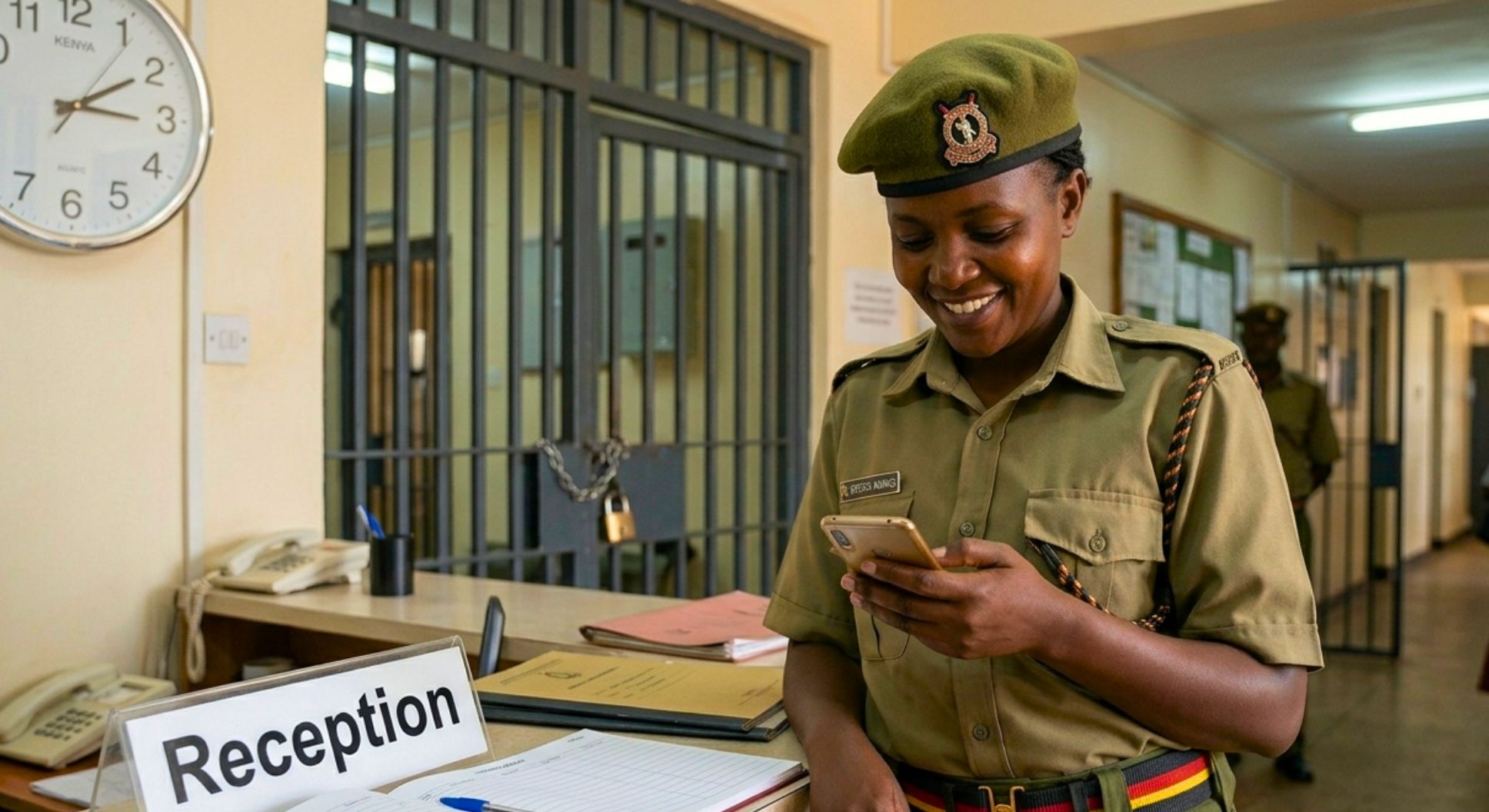
In a significant move to bolster the administrative framework within Junior Secondary Schools (JSS), the Teachers Service Commission (TSC) has issued a directive mandating junior secondary school teachers to take up the roles of Deputy Principals. This decision, aimed at addressing leadership gaps and streamlining operations, marks a pivotal shift in the management of the Competency-Based Curriculum (CBC) institutions.
The directive, communicated to all field offices and school heads, comes as the government continues to navigate the complexities of implementing the CBC, which has seen Grade 7, 8, and 9 learners integrated into secondary schools. With the influx of these younger students, the need for dedicated and specialized administrative oversight has become increasingly apparent.
Previously, the leadership structure in many secondary schools was designed around the older student population, with a single principal and deputy often overseeing the entire institution. The introduction of JSS has created a unique dynamic, requiring a leadership team that understands the specific pastoral and developmental needs of adolescents transitioning from primary school.
Under this new directive, a qualified junior secondary school teacher will be appointed to the position of Deputy Principal, JSS. This individual will be tasked with the day-to-day administration of the junior school wing, acting as a crucial link between the school’s main administration and the JSS department. Their responsibilities are expected to encompass a wide range of duties, including:
Academic Oversight: Ensuring the effective implementation of the CBC curriculum, coordinating JSS teachers, and monitoring learner progress and assessment.
Student Welfare: Addressing the specific disciplinary and pastoral care needs of JSS students, who are at a critical stage in their personal and academic development.
Resource Management: Overseeing the utilization of classrooms, laboratories, and learning materials designated for junior secondary use.
Communication: Serving as the primary point of contact for parents of JSS students and liaising with the head teacher on matters about the junior school.
The TSC’s decision is rooted in pragmatism. By elevating an existing JSS teacher to a deputy role, the commission aims to create an administrative position filled by someone with firsthand experience of the CBC’s demands and a direct understanding of the student cohort. This is anticipated to lead to more informed decision-making and a more supportive environment for both teachers and learners.
“This directive is intended to ensure that the unique needs of Junior Secondary School learners are adequately addressed within the larger secondary school setup,” a statement from the TSC read. “The appointed deputy will provide focused leadership and foster a conducive learning environment tailored for this critical level of education.”
However, the directive has also sparked a conversation within the education sector. Some stakeholders have welcomed the move as a long-overdue step towards granting JSS the distinct identity and attention it requires. They argue that a dedicated deputy principal will empower JSS teachers, improve coordination, and ultimately enhance the quality of education delivery. Conversely, questions have been raised regarding the practical implications. Concerns include the additional workload for the appointed teachers, many of whom are already grappling with the challenges of a new curriculum. There are also queries about remuneration, with many assuming that the new administrative responsibilities should come with a commensurate allowance or salary adjustment, details of which the TSC has yet to fully clarify.
Furthermore, the success of this initiative will hinge on the capacity building of the selected teachers. Administrative roles require a specific skill set in management, human resources, and strategic planning. The TSC has indicated that training programs will be rolled out to equip the new deputies with the necessary competencies to excel in their expanded roles. As schools begin to implement this directive, its impact will be closely watched. The effectiveness of this new layer of management will be crucial in determining the smooth running of Junior Secondary Schools and, by extension, the overall success of the Competency-Based Curriculum. The TSC’s move signifies a recognition that the future of Kenya’s education system depends not just on curriculum content, but on strong, responsive, and dedicated leadership at every level.
The Kenya Defence Forces (KDF) recruitment process is renowned for its rigor and selectivity, designed to identify candidates who are not only mentally sharp but also in peak physical and medical condition. For thousands of aspiring patriots, understanding these prerequisites is the first critical step toward a successful military career. This guide provides a comprehensive breakdown of the essential medical and physical requirements all applicants must meet.
Why Strict Standards?
The demands of military service are unique. Soldiers must be prepared to operate in high-stress, physically taxing environments, often with limited resources. The medical and physical exams ensure that recruits can withstand this demanding lifestyle without risking their health or the safety of their unit. These standards are non-negotiable and applied uniformly to maintain the elite quality of the KDF.
Detailed Physical Requirements
The physical assessment is a pass-or-fail test conducted on recruitment day. It is designed to evaluate strength, endurance, and agility.
1. Physical Fitness Test:
Men:
Push-Ups: Minimum of 30 consecutive push-ups without rest.
Sit-Ups: Minimum of 40 sit-ups in under two minutes.
Pull-Ups: Minimum of 5 consecutive pull-ups.
3.2km Run (2 Miles): Must be completed in under 12 minutes 30 seconds.
Women:
Push-Ups: Minimum of 15 consecutive push-ups (often from the knees).
Sit-Ups: Minimum of 35 sit-ups in under two minutes.
Pull-Ups: 2 consecutive pull-ups (or a flexed-arm hang for a minimum time).
3.2km Run (2 Miles): Must be completed in under 14 minutes 30 seconds.
2. Body Mass Index (BMI): Applicants must have a proportionate weight for their height. The acceptable BMI range is typically between 18.5 and 24.9. This is to ensure recruits are not underweight or obese, both of which can impair performance and increase health risks during training.
Comprehensive Medical Examination
Candidates who pass the physical test undergo a thorough medical examination by KDF medical officers. The goal is to detect any underlying conditions that could disqualify an individual from service.
Key Medical Standards:
Visual Acuity: Good eyesight is crucial. Uncorrected vision must be 6/6 or better in both eyes. Laser eye surgery (LASIK/PRK) may be acceptable after a mandatory healing period, but this must be declared. Color blindness is an automatic disqualification.
Hearing: Must have normal hearing thresholds in both ears. Any significant hearing loss, even in one ear, is grounds for disqualification.
Dental Health: Must have a healthy dentition with a minimum number of natural, healthy teeth. Severe dental caries or gum disease can lead to rejection.
Cardiovascular Health: A strong heart and healthy circulatory system are essential. Any history of heart disease, hypertension (high blood pressure), or murmurs will be closely scrutinized and likely lead to disqualification.
Musculoskeletal System: Limbs must be fully functional with a complete range of motion. Any history of chronic joint problems (e.g., dislocations, arthritis), spinal issues, or previous surgeries that limit mobility will be disqualifying. Flat feet (pes planus) that cause pain or impede function are also screened for.
General Health: Applicants must be free from any chronic, infectious, or debilitating diseases. This includes, but is not limited to:
HIV/AIDS
Hepatitis B & C
Epilepsy
Severe Asthma
Diabetes
Peptic Ulcers
Any form of malignancy (cancer)
How to Prepare
Success requires dedicated preparation months in advance.
Physical Training: Follow a structured regimen of running, calisthenics (push-ups, sit-ups), and strength training.
Medical Self-Check: Be honest with yourself. If you have a known medical condition, consult a private physician beforehand to see if it aligns with KDF standards.
Documentation: Bring any relevant medical records, especially if you have had past surgeries or conditions that have been fully resolved.
Final Advice
The medical and physical standards are stringent for a reason. The KDF is not just a job; it’s a calling that demands the highest level of personal fitness and resilience. Aspiring applicants should approach their preparation with discipline and honesty, ensuring they present themselves as capable and qualified candidates ready to serve their nation.
Prospective recruits are urged to always verify the latest requirements through the official KDF website or their local recruitment office, as standards can be updated.
Beyond the familiar image of a highly trained military force defending national sovereignty, the Kenya Defence Forces (KDF) embody a broader, more profound mandate: that of a guardian and a humanitarian. Serving as both a shield against external threats and a lifeline during domestic crises, the KDF’s dual role in national disaster response and international peacekeeping is a critical, though often understated, pillar of Kenya’s security and stability. This multifaceted mission demonstrates a modern military’s evolution from a purely combat-oriented institution to a versatile instrument of national and global peace.
The Domestic Front: First Responders in Crisis
When disaster strikes within Kenya’s borders, the KDF is frequently at the forefront of the response. Their unique capacity for rapid mobilization, logistical prowess, and disciplined command structure make them an indispensable asset in managing large-scale emergencies where civilian agencies may be overwhelmed.
1. Natural Disaster Relief: Kenya is vulnerable to a range of natural disasters, including debilitating droughts, catastrophic floods, and occasional landslides. The KDF’s engineering and medical units are often deployed to the hardest-hit areas.
Drought Response: In the arid and semi-arid lands (ASALs), the KDF has repeatedly been tasked with distributing relief food, water, and veterinary supplies to save both human and livestock populations.
Flood and Landslide Rescue: During seasonal rains, the KDF’s Air Wing becomes crucial for airlifting stranded citizens, delivering emergency supplies to marooned communities, and conducting aerial assessments of damaged infrastructure. Their engineers also work to rebuild bridges and clear debris, restoring critical transport links.
2. Medical Civic Action Programs (MEDCAP): A key component of the KDF’s “hearts and minds” approach involves MEDCAPs. These initiatives see KDF medical corps—doctors, nurses, and technicians—deploy to remote, underserved regions to provide free medical care, vaccinations, and public health education. These programs not only address immediate health crises but also strengthen the bond between the military and the civilian population, fostering trust and cooperation.
3. Pandemic Response: The COVID-19 pandemic showcased the KDF’s logistical capabilities. They were instrumental in constructing and managing isolation centers, transporting medical equipment across the country, and enforcing public health regulations in support of the civilian government, demonstrating agility in the face of an unprecedented biological disaster.
The International Stage: Guardians of Global Peace
Kenya has long been a respected contributor to international peace and security, with the KDF serving as the primary vehicle for this engagement. This commitment to peacekeeping enhances Kenya’s diplomatic standing and provides its soldiers with invaluable experience in complex operational environments.
1. The African Union Transition Mission in Somalia (ATMIS): The KDF’s most significant and prolonged peacekeeping engagement has been in Somalia. Initially deployed under Operation Linda Nchi (Protect the Country) to combat the threat of Al-Shabaab, their role evolved into a crucial component of the AU-mandated ATMIS mission. Their efforts have been pivotal in:
Degrading Terrorist Networks: Conducting operations that have disrupted Al-Shabaab’s capacity to plan and execute attacks, thereby enhancing security in Kenya and the wider East African region.
Stabilizing Liberated Areas: Holding ground, facilitating the return of governance, and enabling humanitarian aid to reach populations previously under extremist control.
Training Somali Security Forces: Playing a key role in mentoring and building the capacity of the Somali National Army, which is essential for long-term stability.
2. The United Nations Missions: Kenya is a consistent troop-contributing country to UN missions. Kenyan blue helmets have served with distinction in:
South Sudan (UNMISS): Protecting civilians, monitoring human rights, and supporting the implementation of peace agreements in the world’s youngest nation.
Democratic Republic of Congo (MONUSCO/EACRF): As part of both UN and East African Community forces, KDF troops have worked to stabilize conflict-ridden regions and protect vulnerable communities from armed groups.
These international deployments are not without cost, but they underscore a strategic understanding that regional stability is inextricably linked to national security.
The Synergy of Roles
The skills honed in peacekeeping directly benefit domestic disaster response. The logistical planning for supplying troops in Somalia is akin to organizing a relief operation in Turkana. The field medicine practiced in a conflict zone is the same expertise deployed during a MEDCAP. Conversely, the experience gained in managing complex humanitarian crises at home prepares soldiers for the challenges of stabilizing post-conflict regions abroad.
Conclusion: More Than a Military
The Kenya Defence Forces have successfully transcended a traditional military mandate. They are not just a fighting force but a national institution dedicated to protection in its broadest sense. Whether airlifting a flood victim to safety, providing medical care in a remote village, or standing as a buffer between warring factions in a foreign land, the KDF operates as Kenya’s shield. This dual role cements their place as a vital pillar of national resilience, demonstrating that true strength lies not only in the ability to wage war but in the unwavering commitment to preserve life and uphold peace, both at home and abroad. Their motto, “To Defend and Protect,” is thus a comprehensive promise to the nation and a testament to their service to humanity.
In a landmark initiative to boost the quality of education in Kenya, the Teachers Service Commission (TSC) has announced a major recruitment drive to shortlist qualified P1 teachers for a comprehensive upgrade program. This ambitious project, funded by the World Bank under the Kenya Primary Education Equity in Learning (KPEEL) program, aims to enhance the pedagogical skills and subject matter expertise of primary school teachers across the country.
For thousands of P1 teachers holding a Certificate in Primary Teacher Education (PTE), this program represents a transformative opportunity. It is a crucial step toward aligning their qualifications with the demands of the Competency-Based Curriculum (CBC) and unlocking new career advancement possibilities within the TSC scheme of service.
To ensure that the Commission gets the exact number of serving P1 teachers who qualify for the Upgrade program, there is need to correct the following data from the teachers themselves and compare it with the available data online.
a) Number of P1 teachers employed by the Commission, who got a Mean Grade of C+ at KCSE and a C+ in at least two subjects but never proceeded to acquire a diploma or a degree certificate; and
b) Number of P1 teachers employed by the Commission, who got a Mean Grade of “C” at KCSE and a C+ in at least two subjects.
The “Why” Behind the Upgrade Program
TSC has given interested qualified teachers seeking to be upgraded till today, 29th August, to ensure their details are captured and submitted to the Commission. In a memo addressed to Regional Directors, TSC wants details of teachers captured in an Excel sheet for upgrading their PTE certificates to Diploma and Degree certificates. The upgrade program targets PTE teachers who scored C (plain) in KCSE and at least a C+ (plus) in two teaching subjects.
The program also targets PTE teachers who scored C+ (plus) and above in KCSE with at least C+ (plus) in two teaching subjects. Those who scored C (plain) in KCSE will have their PTE certificates upgraded to Diploma, while those who scored C+ (plus) and above in KCSE will be upgraded to Degree. The Commission seeks to have the teachers trained and then deploy them to teach in junior schools that are grappling with a dire teacher shortage.
The driving force behind this initiative is twofold:
CBC Implementation: The rollout of the CBC requires teachers with deeper subject knowledge and enhanced skills in facilitating learning, assessment, and talent nurturing. Upgrading P1 teachers to diploma status is essential for building a robust workforce capable of delivering the curriculum effectively.
Career Progression and Equity: The TSC scheme of service has increasingly favored diploma and degree holders for promotions and placement in higher job groups. This upgrade program levels the playing field, allowing dedicated P1 teachers to gain the qualifications needed to advance their careers and improve their earning potential.
Who is Eligible for the TSC Shortlist?
The TSC will employ a meticulous and transparent shortlisting process. While the official advertisement will provide final details, the expected core eligibility criteria are:
Valid TSC Registration: Applicants must be duly registered teachers with a valid TSC number.
P1 Certificate: Must be a holder of a standard PTE certificate from a recognized teacher training college.
Teaching Experience: A minimum number of years in service (e.g., 2-5 years) is likely to be required to ensure the sponsorship benefits committed educators.
Performance: A clean professional record and positive performance appraisals from school administrators will be critical.
County of Deployment: Vacancies will be distributed across all 47 counties, with allocations likely weighted toward regions with the highest need for qualified teachers.
The Step-by-Step Shortlisting and Application Process
Prospective applicants should prepare for the following process:
Official TSC Advertisement: The TSC will publish a detailed call for applications in national newspapers and, most importantly, on its official website (www.tsc.go.ke). This advert will contain the definitive eligibility criteria, the application deadline, and a county-by-county breakdown of available slots.
Application Submission: Applications are expected to be submitted exclusively through the TSC online portal. Teachers will need to log in with their TSC numbers and fill out a digital application form, uploading scanned copies of their academic and professional certificates.
The Shortlisting Stage: This is the most critical phase. The TSC will use a merit-based system to shortlist applicants. Factors considered will include:
Academic Performance: Grades in the P1 certificate.
Length of Service: Teachers with more experience may receive priority.
Regional Balance: To ensure national equity, the TSC will ensure all counties are represented.
Subject Need: For those upgrading to specific subject-based diplomas, background in that area may be considered.
Publication of Shortlisted Candidates: The list of successfully shortlisted teachers will be published on the TSC website. It is imperative for applicants to check this list diligently against their name and TSC number.
Placement and Sponsorship: Shortlisted candidates will be assigned to specific public universities or colleges of education accredited by the TSC. The World Bank sponsorship will cover:
Tuition fees
A modest stipend for upkeep
Learning materials
Administrative costs
The Impact: What a Diploma Means for a P1 Teacher
The benefits of this upgrade are profound:
Job Group Promotion: Upon successful completion of the diploma, teachers will be upgraded from their current job group (typically Group G) to a higher group (like Group J or K), resulting in a significant and permanent salary increase.
Enhanced Teaching Skills: The training will provide modern teaching methodologies, making them more effective educators in the CBC environment.
Career Mobility: A diploma opens doors to leadership positions within schools, such as senior teacher, deputy head teacher, and even head teacher, which are often out of reach for certificate holders.
Professional Pride: Achieving a higher qualification is a major milestone that brings immense professional satisfaction and recognition.
How to Prepare for the Application
While waiting for the official announcement, teachers can:
Ensure their details are updated on the TSC portal.
Gather and scan all required documents: National ID, KRA PIN, TSC certificate, P1 certificate, and academic transcripts.
Inform their school principals to anticipate the need for recommendation or support letters.
Stay informed by regularly checking the TSC website and official social media channels to avoid missing the advertisement.
A Transformative Investment in Kenya’s Future
This TSC initiative, backed by World Bank funding, is more than just a training program; it is a strategic investment in the backbone of Kenya’s education system. By empowering P1 teachers with higher qualifications, the program directly enhances the quality of instruction that children receive, ultimately fostering a more equitable and effective learning environment for all.
This is a call to action for every eligible P1 teacher. Prepare thoroughly, apply promptly, and seize this chance to transform your professional life and contribute to shaping the future of Kenya.
In a significant move to address the teacher shortage in the Competency-Based Curriculum (CBC) Junior Schools, the Teachers Service Commission (TSC) announced the recruitment of 24,000 intern teachers on August 25. A question on every prospective applicant’s mind is: how will these positions be distributed across Kenya’s 47 counties?
The distribution is not random. The TSC uses a transparent, data-driven formula to ensure equity and address the most critical staffing needs nationwide. Understanding this process can help applicants gauge their chances and know what to expect.
The Core Principle: Equity and Need
The primary driver behind the distribution is the staffing deficit. The TSC allocates more intern teachers to counties and sub-counties with the highest teacher shortages relative to their student populations. This ensures that the areas most in need receive the most significant support. According to the distribution list seen by the Sunday Nation, counties in Western and Eastern regions will be the biggest beneficiaries. Kakamega has 1,187 vacancies, Bungoma (1,182), Homa Bay (1,058), and Kitui (925). Nairobi was allocated 685 slots, while Nakuru got 782 and Siaya 741.
Key Factors Influencing the Distribution
The TSC considers several critical data points when creating the distribution list:
Student Population: Counties with a high number of junior school students will naturally receive a larger allocation to maintain a manageable teacher-to-student ratio. Arid and Semi-Arid Lands (ASAL) regions often receive special consideration due to their unique challenges and historically understaffed schools.
Current Teacher Establishment: The TSC has a defined number of approved teaching posts for each school and county. The difference between this establishment and the actual number of teachers in place reveals the deficit, guiding where new interns are sent.
Subject Need: The internship recruitment is targeted towards specific subject areas crucial for the Junior School curriculum, primarily:
Sciences (Integrated Science)
Mathematics
Languages (English, Kiswahili, Indigenous Languages)
Humanities (Social Studies) Counties where schools lack enough teachers in these specific subjects will be prioritized in the allocation.
Geographical Balance: The TSC is mandated to ensure national equity. The final distribution list will reflect a balance, ensuring every county receives a share of the positions, even if the numbers vary significantly.
The Official TSC Distribution Process
The process is methodical and follows these steps:
Step 1: Data Collection: The TSC headquarters collects data from all 47 counties on their specific staffing needs. This includes vacancy reports from every sub-county and individual school.
Step 2: Analysis and Allocation: Using the factors above, the TSC analyzes the data and develops a proposed distribution matrix. This matrix breaks down the 24,000 positions by county and, crucially, by sub-county.
Step 3: Publication of Vacancies: The final allocation is published in an official advertisement. This advert, placed in national newspapers and on the TSC website (www.tsc.go.ke), will contain a detailed table. This table is the key document for applicants, showing:
The TSC Code for each sub-county.
The name of the sub-county.
The specific number of intern vacancies allocated to it.
The subjects required in each sub-county.
Step 4: Application and Deployment: Applicants must apply strictly to the sub-county vacancies listed. You cannot apply for a position in a sub-county not listed in the advertisement. Successful candidates will be deployed to specific schools within their chosen sub-county by the TSC County Director.
What This Means for Applicants
For those seeking these positions, this distribution model means:
Research is Key: Before applying, carefully study the official vacancy list. Identify sub-counties with high allocations in your teaching subject.
Apply Locally (Strategically): While you can apply to any sub-county, your chances may be higher in regions with a larger number of vacancies. Many applicants choose their home sub-county for convenience.
Flexibility is an Advantage: Being willing to apply to a sub-county with a significant need, even if it’s not your first choice, can dramatically increase your chances of securing an internship.
Conclusion: A Targeted Approach to a National Challenge
The distribution of the 24,000 junior school intern teachers is a clear demonstration of the TSC’s commitment to using data and equity to solve Kenya’s educational challenges. It is a carefully calibrated effort to ensure that teaching support reaches the classrooms and students who need it the most.
Prospective applicants are advised to diligently monitor the official TSC website and daily newspapers for the release of the detailed vacancy distribution list. This document will be the ultimate guide to the largest teacher recruitment drive of the year.
In the intricate ecosystem of Kenya’s public health and agricultural sectors, few institutions play as critical yet understated a role as the Pest Control Board (PCB). Tasked with a monumental mandate, its employees work tirelessly to ensure the chemicals that protect our food and health are safe, effective, and properly used. However, like many public servants, these professionals can face financial strain. This article explores the indispensable role of the PCPB and outlines how its employees can navigate their financial needs through accessible salary deduction loans from services like Hela Pesa.
The Guardians of Safety: Understanding the Pest Control Board
The Kenya Pest Control Board is a state corporation established under the Pest Control Products Act. Its core mission is to regulate the importation, manufacture, distribution, and use of pest control products—pesticides, herbicides, fungicides, and rodenticides—to ensure they are effective for their intended use without posing unacceptable risks to human health, animals, or the environment.
The board executes this mission through several key functions:
Product Registration and Evaluation: Before any pest control product enters the Kenyan market, the PCPB subjects it to rigorous scientific assessment. This process analyzes its efficacy against the target pest, its toxicity to humans and animals, its potential environmental impact, and the residue levels it leaves on food crops. This ensures that only safe and effective products are available to farmers and public health officers.
Licensing and Compliance: The PCPB licenses all players in the industry, from manufacturers and importers to distributors and pest control operators. Through regular inspections and market surveillance, the board combats the illegal trade of counterfeit, adulterated, and unregistered products that pose a severe threat to people and crops.
Promoting Safe Use and Integrated Pest Management (IPM): A crucial part of the board’s work is education. It trains farmers, agro-dealers, and sprayers on the safe handling, application, storage, and disposal of pesticides. Furthermore, it advocates for Integrated Pest Management (IPM), which encourages using pesticides as a last resort, promoting sustainable agricultural practices.
Policy and Advisory Role: The PCPB advises the government on national policies concerning pest management and helps Kenya meet its obligations under international environmental and chemical safety conventions.
The employees who perform these duties—scientists, inspectors, registration officers, and field agents—are the backbone of this system. Their work directly impacts national food security, public health outcomes, and the success of Kenya’s agricultural exports by ensuring they meet strict international safety standards.
Financial Wellness for Guardians: Accessing Salary Loans with Hela Pesa
Despite their crucial role, PCPB employees, like many Kenyans, may encounter financial shortfalls due to unexpected expenses, medical bills, school fees, or opportunities requiring immediate capital. Traditional loan processes from banks can be slow, paperwork-intensive, and often require collateral, creating unnecessary stress.
This is where Hela Pesa, a leading provider of salary loans in Kenya, offers a tailored solution. Also known as Check Off loans, these are advances offered to employees of the government, repaid through a direct deduction from their salary by the employer and remitted to the lender.
For a PCPB employee, accessing a Hela Pasa loan is a straightforward process designed for convenience:
Eligibility Check: The primary requirement is being a confirmed employee of the Pest Control Products Board, which is on the list of institutions that Hela Pesa partners with for the check-off system. The employee must also have a consistent salary history.
Simple Application: The process is predominantly digital. The employee can visit the Hela Pesa website or download the Hela Pesa loan app on playstore or appstore. They will need to provide basic documentation, typically including:
A copy of their National ID.
Recent payslips (usually for 2-3 months) as proof of income.
M-Pesa Account number
Quick Approval and Disbursement: Because the loan is secured against their predictable government salary, the approval process is significantly faster than for unsecured loans. Once approved, funds are disbursed directly to the employee’s mobile money account, often within 24 to 48 hours.
Convenient Repayment: Repayment is automated. A fixed amount is deducted from the employee’s monthly salary before it is paid out, ensuring timely payments without the risk of forgotten due dates or late fees. This seamless process reduces financial anxiety for the borrower.
A Symbiotic Relationship for Stability
The work of the Pest Control Products Board provides stability for the nation’s health and agriculture. In turn, financial products like Hela Pesa’s salary deduction loans provide stability for the lives of the individuals who perform this vital work. By offering an accessible, reliable, and stress-free financial solution, these services empower PCPB employees to navigate personal financial challenges effectively, allowing them to focus their energy on their critical mission of safeguarding Kenya.
The Kenya Forest Service (KFS) is a government agency under the Ministry of Environment and Forestry mandated to conserve and sustainably manage Kenya’s forests, which cover about 7% of the country’s land area. Since its establishment, KFS has provided employment to professionals across various job groups, each with defined responsibilities, qualifications, and pay scales.
This guide explores KFS salaries, allowances, entry requirements, career progression, and salary loan options for employees.
1. Overview of the Kenya Forest Service (KFS)
KFS was established in 2005 and later strengthened by the Forest Conservation and Management Act (2016). Its core functions include:
✔ Protecting and conserving forests ✔ Combating illegal logging and deforestation ✔ Promoting sustainable forest management ✔ Supporting community forestry initiatives ✔ Generating revenue from forest resources
To meet its mandate, the agency employs officers ranging from forest rangers to senior conservators.
2. Salary Scale and Ranks
KFS salaries are structured by rank, with higher grades attracting better pay and allowances.
KFS Salary Scale by Rank:
Chief Conservator of Forests (CCF): Ksh 200,000 – 300,000
These challenges highlight the importance of allowances like risk and hardship pay.
8. Future of Careers in KFS
With Kenya’s 10% forest cover target and rising global focus on climate action, KFS careers are gaining importance. Expanded investment in forestry and green jobs is expected to create more opportunities, especially in conservation, research, and community engagement.
Conclusion
The Kenya Forest Service provides structured career growth, competitive salaries, and essential allowances for employees dedicated to protecting forests. With loan facilities, training opportunities, and clear progression paths, KFS remains an attractive employer for those passionate about environmental conservation and national service.
Frequently Asked Questions (FAQs)
1. What is the starting salary at KFS? Entry-level officers such as assistant foresters earn Ksh 30,000–50,000, plus allowances.
2. Do KFS officers get allowances? Yes. Benefits include house, commuter, medical, risk, leave, and hardship allowances.
3. What are the qualifications for joining KFS? A KCSE certificate is the minimum. Higher roles require diplomas, degrees, or postgraduate qualifications.
4. Can KFS officers access loans? Yes. Through Saccos and banks offering salary-backed loans at affordable interest rates.
5. Is career progression possible in KFS? Yes. Staff can rise through ranks with performance, training, and further education.
6. What challenges do KFS staff face? Risks from illegal logging, limited resources in remote postings, and climate-related pressures.
As a Kenyatta National Hospital (KNH) employee, you dedicate your life to caring for others—but who takes care of your financial health? Between medical emergencies, school fees, and rising living costs, even steady paychecks can feel insufficient.
This guide equips KNH staff with safe borrowing options, salary advance programs, and smart money strategies to help you avoid debt traps and maintain financial stability.
Financial Challenges Facing KNH Workers
A 2023 survey revealed that 68% of healthcare workers in Kenya experience financial stress due to:
Delayed salaries during government fiscal adjustments
High medical costs, even with NHIF coverage
Loan exploitation by digital lenders charging 30%+ monthly interest
CRB blacklisting from minor defaults
Section 1: KNH-Approved Financial Solutions
1. Hela Pesa Salary Loan
✅ Low Interest (repaid from next paycheck) ✅ No CRB reporting ✅ Fast approval (24–72 hours)
Eligibility:
Permanent & pensionable staff
Minimum 6 months of service
Clean disciplinary record
How to Apply:
Download the Hela Pesa loan app or visit www.resource.helapesa.co.ke
Sign up and fill in your personal and employment details.
Attach last 3 payslips + copy of ID
Approval limit: Up to 40% of net salary
2. KNH Sacco Loans
Why Join?
Loans at 1% monthly interest (vs. 15%+ from banks)
No CRB checks for loans under Ksh 500K
Emergency loans disbursed in 2 hours
Top Saccos for KNH Staff:
Afya Sacco – Specializes in medical workers
Stima Sacco – Accepts all government employees
Mwalimu Sacco – Offers education-focused loans
Section 2: External Loan Options (CRB-Safe)
Lender
Loan Range
Interest
Key Benefit
Hela Pesa
Ksh 5K–200K
7–12% p.a.
No CRB check on 1st loan
Timiza (Absa)
Up to Ksh 150K
8–15% p.a.
Flexible repayment terms
KCB M-Pesa
Ksh 1K–1M
6–12% p.a.
Instant approval
M-Shwari
Ksh 500–50K
7.5% facility fee
No paperwork required
💡 Pro Tip: Always confirm CRB reporting policies before borrowing.
Section 3: Avoiding Financial Pitfalls
Red Flags for KNH Employees
🚩 Loan apps demanding full phone access (risk of data theft) 🚩 Lenders not stating APR clearly (hidden charges) 🚩 Pressure to borrow more than you need
Smart Money Habits
✔ 50/30/20 Rule:
50% → Essentials (rent, food)
30% → Lifestyle/discretionary
20% → Savings or debt repayment
✔ CRB Health Check: Dial *433# quarterly to confirm status ✔ Debt Snowball Method: Pay off smallest debts first for motivation
Section 4: Special Perks for KNH Staff
1. NHIF Enhanced Benefits
Chronic Illness Fund: Extra Ksh 10K/year
Maternity Package: 4 months paid coverage
2. Tax Relief Opportunities
Mortgage relief: Up to Ksh 300K/year
Insurance deductions: Life & education policies
3. Mental Health Support
Free counseling at KNH Staff Wellness Centre
20% discount at Chiromo Hospital Group
Case Study: Nurse Wanjiku’s Debt Recovery
Background:
Ksh 80K in digital loans
3 pending loan apps
CRB-listed
Solution:
Joined Afya Sacco → took Ksh 100K loan at 1% interest
Cleared high-interest loans
Set up auto-save of Ksh 5K/month
Result:
CRB clearance within 6 months
Now saving Ksh 20K monthly
Conclusion: Take Control of Your Financial Health
As a KNH professional, you deserve financial security. Remember to:
💬 “What’s your top financial worry as a KNH worker? Share it and let’s find solutions together!”
Frequently Asked Questions (FAQs)
1. What’s the fastest loan option for KNH employees? The KNH Salary Advance is the quickest—processed within 24–72 hours. Emergency Sacco loans can also be disbursed within 2 hours.
2. Do KNH salary advances affect my CRB record? No. They are handled internally by HR and are not reported to CRB.
3. Can contract staff access Sacco or salary advances? Most Sacco loans require membership, and the salary advance program is limited to permanent & pensionable staff. However, external options like Timiza and M-Shwari are open to all.
4. What’s the safest Sacco for KNH employees? Afya Sacco is highly recommended as it specializes in medical workers, but Stima and Mwalimu Saccos are also strong options.
5. How can I avoid predatory digital loans?
Only borrow from registered Saccos, banks, or reputable fintechs.
Avoid apps demanding full phone access.
Always check the annual percentage rate (APR) before accepting.
6. How do I check if I’m listed on CRB? Dial *433# on Safaricom to view your CRB status instantly.
7. What financial literacy resources are available for KNH staff? KNH offers free workshops via the Staff Wellness Centre. Saccos also provide training on savings and investment.
For employees of the Kenya National Highways Authority (KeNHA), financial emergencies can arise at any time—whether it’s medical bills, school fees, or unexpected repairs. While salary loans offer quick relief, many fear CRB blacklisting due to missed payments. The good news? You can access loans without risking your credit score.
This guide covers: ✔ Best loan options for KeNHA staff ✔ How to avoid CRB listing ✔ Smart borrowing tips ✔ Alternatives if you’re already blacklisted
Why KeNHA Employees Struggle with CRB Blacklisting
Many KeNHA workers have faced CRB listing due to:
Late repayments on digital loans (Fuliza, Tala, etc.)
Multiple loan applications in a short period
Defaulting on small amounts (even Ksh 1,000 can trigger listing)
Once blacklisted, accessing loans, mortgages, or even employment becomes difficult.
Best Loan Options for KeNHA Staff (No CRB Risk)
1. Sacco Loans (Safe & Affordable)
Most government Saccos (like Kenya Police Sacco) offer:
Lower interest rates (1–1.5% monthly)
No CRB reporting unless you default severely
Higher loan limits (up to 3x your savings)
Top Saccos for KeNHA Staff:
Transcom Sacco
Mafanikio Sacco
Stima Sacco
2. Hela Pesa (Govt Employee Loans)
🔹 Exclusive for government workers 🔹 No CRB checks 🔹 Loan limit: Up to Ksh. 1 000 000 🔹 Apply via:Hela Pesa Website
3. KCB M-Pesa (If You Need Speed)
While KCB reports to CRB, first-time borrowers (small amounts) often avoid listing if repaid on time.
Limit: Ksh 1,000 – Ksh 50,000
Repayment: 1–30 days
Interest: 6–12%
How to Borrow Without CRB Blacklisting
1. Choose the Right Lender
Avoid predatory digital lenders (Some lenders have hidden charges)
Prefer Saccos or employer-linked loans
2. Repay On Time (Even a 1-Day Delay Can Hurt)
Set SMS alerts or auto-repay to avoid mistakes.
3. Don’t Take Multiple Loans
Each application leaves a credit inquiry footprint, lowering your score.
Clear Existing Debts – Pay off defaults and request a CRB clearance certificate.
Use Non-CRB Lenders – Saccos, Hela Pesa, or KeNHA internal advances.
Rebuild Credit – Take small loans (even Ksh 1,000) and repay promptly.
Alternatives to Loans
If you need cash but fear CRB: ✔ Overtime Work – KeNHA often offers extra shifts. ✔ Sacco Emergency Savings – Some allow withdrawals before maturity. ✔ Family Support – Interest-free and flexible.
Conclusion: Smart Borrowing for KeNHA Staff
As a KeNHA employee, you have better loan options than risky digital apps. Stick to: ✅ Internal salary advances ✅ Sacco loans ✅ Government-backed products (Hela Pesa)
Remember:
1 late payment = 6+ months on CRB
Always borrow within your means
Next Steps:
Contact KeNHA HR about salary advance policies.
Join a Sacco for long-term financial safety.
Avoid quick loans from CRB-strict lenders.
Have you faced CRB issues? Share your experience below!
Financial emergencies can strike at any time, and for employees of Kenya Fisheries, unexpected expenses can disrupt budgets and cause stress. To help bridge these gaps, exclusive salary loans are now available for Kenya Fisheries staff, offering quick, low-interest cash advances deducted directly from your paycheck.
This article covers: ✔ What Kenya Fisheries salary loans are ✔ Eligibility and application process ✔ Loan amounts and repayment terms ✔ Benefits of choosing a salary advance ✔ How to avoid debt traps
What Are Kenya Fisheries Salary Loans?
Salary loans for Kenya Fisheries employees are short-term advances designed to provide financial relief before payday. These loans are: ✅ Pre-approved (based on employment verification) ✅ Low-interest (compared to emergency loans) ✅ Convenient (repayment via salary deduction)
Who Can Apply?
Permanent and contract staff under Kenya Fisheries
Employees with at least 6 months of service
Those with a clean repayment history (no defaults)
How to Apply for a Kenya Fisheries Salary Loan
Step 1: Choose a Lender
Several financial institutions offer salary loans for Kenya Fisheries employees, including:
KCB Bank (via KCB M-Pesa)
NCBA Bank (via Fuliza Salary Advance)
Branch (mobile app-based loans)
Hela Pesa (government employee loans)
Step 2: Submit Required Documents
Employment letter/pay slip (last 3 months)
National ID & KRA PIN
Bank statement (if applicable)
Step 3: Receive Approval & Disbursement
Approval time: 24–48 hours
Disbursement: Direct to M-Pesa or bank account
Loan Amounts & Repayment Terms
Lender
Loan Range
Interest Rate
Repayment Period
KCB
Ksh 5,000 – Ksh 500,000
9% – 12% p.a.
1–12 months
NCBA
Ksh 1,000 – Ksh 300,000
8% – 15% p.a.
Up to 30 days
Branch
Ksh 1,000 – Ksh 70,000
10% – 18% p.a.
Next payday
Hela Pesa
Ksh 5,000 – Ksh 200,000
7% – 12% p.a.
1–3 months
Why Kenya Fisheries Employees Should Consider Salary Loans
1. No Collateral Required
Unlike bank loans, salary advances only require proof of employment.
2. Lower Interest Than Emergency Loans
Digital lenders charge up to 30% per month
Salary loans average 8–15% per year
3. Avoid CRB Listing
Most salary loans do not report to CRB unless you default.
4. Quick Access to Cash
Ideal for emergencies like:
Medical bills
School fees
Home repairs
Unplanned travel
Risks & How to Borrow Responsibly
Potential Pitfalls
⚠ Overborrowing – Taking multiple loans leads to debt cycles. ⚠ High Deductions – Repayments reduce your next paycheck. ⚠ Hidden Fees – Some lenders charge processing fees.
Smart Borrowing Tips
✔ Only borrow what you need (avoid maxing out limits). ✔ Compare lenders for the best rates. ✔ Repay on time to avoid penalties. ✔ Budget wisely to prevent future shortages.
Alternatives to Salary Loans
If a salary advance isn’t suitable, consider:
Sacco loans (lower interest, longer terms)
Government loans (e.g., Hustler Fund)
Family/friend support (interest-free)
Conclusion: Financial Security for Kenya Fisheries Staff
With Kenya Fisheries salary loans, employees can manage emergencies without stress. By choosing the right lender and borrowing wisely, you can tide over financial gaps without falling into debt.
Next Steps:
Check eligibility with preferred lenders.
Prepare documents (ID, payslips, KRA PIN).
Apply online or via mobile apps for fast approval.
Have you used a salary loan before? Share your experience below!
Managing finances can be challenging, especially for military personnel who often face unpredictable circumstances. The Kenya Defence Forces (KDF) plays a crucial role in national security, and its personnel deserve financial solutions that cater to their unique needs. One such solution is salary loans for KDF personnel, designed to provide quick and accessible financial assistance.
This article explores the benefits, eligibility criteria, application process, and key considerations when applying for a salary loan as a KDF officer.
Understanding Salary Loans for KDF Personnel
A salary loan is a type of secured loan where an individual borrows against their monthly salary. For KDF personnel, these loans are tailored to accommodate their employment structure, ensuring they receive funds conveniently without unnecessary delays.
Why Salary Loans Are Ideal for KDF Members
Quick Disbursement – Military personnel often require urgent funds for emergencies, education, medical bills, or home improvements. Salary loans are processed faster than traditional bank loans, ensuring timely financial support.
Flexible Repayment Terms – Since repayment is deducted directly from the borrower’s salary, lenders offer manageable repayment periods, reducing financial strain.
Lower Interest Rates – Compared to unsecured loans, salary loans typically have lower interest rates because they are backed by a steady income source.
No Collateral Required – Unlike other loan types, salary loans do not require physical collateral, making them more accessible to KDF officers.
Convenient Application Process – Many lenders, including military-friendly financial institutions, offer simplified online and offline application methods.
Eligibility Criteria for KDF Salary Loans
While different lenders may have varying requirements, the general eligibility criteria include:
Active KDF Membership – Applicants must be serving officers under the Kenya Defence Forces.
Minimum Service Period – Some lenders require at least 6–12 months of service.
Clean Credit History – While not always mandatory, a good credit score improves approval chances.
Valid Identification – National ID, KDF service number, and payslips may be required.
How to Apply for a KDF Salary Loan
The application process is straightforward:
Choose a Lender – Research banks, SACCOs, or military-affiliated financial institutions offering salary loans.
Submit Required Documents – Provide your KDF identification, recent payslips, and bank statements.
Fill Out the Application Form – Complete the loan application either online or in person.
Wait for Approval – Most lenders process applications within 24–72 hours.
Receive Funds – Once approved, the loan is disbursed directly to your bank account.
Top Lenders Offering Salary Loans to KDF Personnel
Several financial institutions in Kenya provide specialized loan products for military personnel, including:
KDF SACCO – Designed exclusively for KDF members, offering competitive rates and flexible terms.
Hela Pesa – Provides salary advance loans with an easy application process, low interest rates, and quick approval.
Equity Bank – Offers salary-based loans with low-interest rates.
Co-operative Bank – Features military-friendly loan packages.
Key Considerations Before Taking a Salary Loan
While salary loans are beneficial, KDF personnel should consider the following:
Repayment Discipline – Since repayment is automatic, ensure your salary can comfortably cover the deductions.
Compare Interest Rates – Different lenders offer varying rates; choose the most affordable option.
Avoid Multiple Loans – Taking several loans simultaneously can lead to financial strain.
Read the Fine Print – Understand all terms, including penalties for late repayment or early settlement.
Alternatives to Salary Loans
If a salary loan isn’t the best fit, KDF members can explore:
Emergency Funds from KDF Welfare – Some military programs offer interest-free advances.
SACCO Loans – Cooperative societies provide affordable credit options.
Personal Savings – Building an emergency fund reduces reliance on borrowing.
Conclusion
Salary loans for KDF personnel provide a reliable financial cushion, ensuring military officers can meet their needs without undue stress. With quick processing, flexible repayment, and competitive rates, these loans are an excellent option for those in service.
However, responsible borrowing is key. By comparing lenders, understanding terms, and managing repayments wisely, KDF members can maintain financial stability while serving the nation.
For more information, visit your nearest military-affiliated bank or SACCO and explore the best loan options tailored for you.
The Teachers Service Commission (TSC) has once again sparked outrage among educators after announcing a meager salary increment, with some TSC teachers receiving as little as Ksh 36 in their latest pay raise. The move has been met with widespread condemnation, with many teachers describing it as an insult to their profession.
TSC’s Controversial Salary Increment
In the latest review of the TSC teachers’ salaries under the 2021-2025 Collective Bargaining Agreement (CBA), the commission implemented a pay raise that has left many educators in disbelief. Payslip reports indicate that teachers in job group C1 received a Ksh 966 increase. Those in the job group C2 received a Ksh 600 increase. Teachers in job group C3 saw an increase of Ksh 289, and C4 received Ksh 143. Job groups C5 received a Ksh 72 increase while teachers in job group D1 received as little as Ksh 36 per month—an amount that fails to make any meaningful impact amid the rising cost of living.
Teachers’ unions have slammed the increment, terming it a slap in the face for educators who have been struggling with inflation, high taxes, and delayed promotions. Many argue that the TSC teachers’ salary structure remains unfair, with disparities between job groups widening instead of narrowing.
Why Are Teachers Furious?
1. Insignificant Increase Amid High Inflation
Kenya’s inflation rate has remained high, with food, fuel, and housing costs skyrocketing. A Ksh 36 increment does little to cushion teachers against these economic pressures. For many, the raise is not just inadequate but also demoralizing.
2. Unfulfilled Promises Under the CBA
The 2021-2025 CBA was supposed to address long-standing salary grievances among TSC teachers, including harmonizing pay scales and ensuring fair compensation. However, the latest increment falls short of expectations, with many educators feeling betrayed by the commission.
3. Delayed Promotions and Stagnation
Thousands of teachers remain stuck in the same job groups for years due to delayed promotions. The TSC has been accused of failing to implement a fair promotion system, leaving many qualified educators without career growth or salary improvements.
4. Comparison to Other Civil Servants
While other government employees, including MPs and state officers, have enjoyed substantial salary reviews, TSC teachers continue to receive minimal raises. This disparity has fueled frustration, with many questioning the government’s commitment to prioritizing education.
Teachers’ Unions React
The Kenya National Union of Teachers (KNUT) and the Kenya Union of Post-Primary Education Teachers (KUPPET) have strongly criticized the increment, vowing to push for a better deal.
KNUT Secretary-General Collins Oyuu stated: “How can a teacher’s salary increase by Ksh 36 in this economy? This is an insult to the teaching profession. We demand an immediate review.”
Similarly, KUPPET Chairman Omboko Milemba accused TSC of failing to honor agreements, warning of possible industrial action if the matter is not resolved.
What Next for TSC Teachers?
With growing discontent, several scenarios could unfold:
1. Possible Protests and Strikes
If the TSC does not address teachers’ concerns, unions may call for nationwide strikes, disrupting learning in public schools.
2. Legal Action Against TSC
Teachers’ unions could pursue legal avenues to compel the commission to implement fair salary adjustments.
3. Government Intervention
The Ministry of Education may be forced to intervene to prevent a full-blown crisis in the education sector.
Conclusion
The TSC’s decision to implement a Ksh 36 salary increment for some teachers has deepened the rift between educators and the commission. At a time when the cost of living is unbearable, such a move only serves to demotivate teachers who play a crucial role in shaping Kenya’s future.
If the TSC and the government fail to address these grievances, the education sector could face another wave of unrest. Teachers deserve better, and it’s time for the authorities to listen.
What Do You Think?
Should TSC teachers accept this increment, or is it time for mass action? Share your thoughts in the comments below.
In a significant development for Kenya’s education sector, the Teachers Service Commission (TSC) is set to implement a salary increment for teachers in August 2025, with the raise backdated to 1st July 2025. This comes as the Kenya Union of Post Primary Education Teachers (KUPPET) and the Kenya National Union of Teachers (KNUT) engage in intense Collective Bargaining Agreement (CBA) negotiations with the TSC for the 2025-2029 period.
This article covers: ✔ Latest updates on the TSC salary increment ✔ Key demands from teachers’ unions (KUPPET & KNUT) ✔ How much teachers could earn under the new CBA ✔ Potential challenges and next steps
Salary Increment Details: When Will Teachers Get Paid?
Key Facts
The current CBA (2021-2025) expired on 30th June 2025.
The new CBA will cover 1st July 2025 to 30th June 2029.
Teachers will not receive the increment in July due to ongoing negotiations.
The August payroll will reflect the new salaries, backdated to 1st July.
Why the Delay?
TSC and unions are still negotiating the final figures.
KUPPET has proposed a 100% increase for the lowest-paid teachers (Job Group B5).
KNUT is demanding a 60% basic salary hike plus 30% allowance increase.
KUPPET’s Key Demands in the 2025-2029 CBA
1. Salary Increment Structure
100% raise for lowest-paid teachers (B5): From Ksh 23,830 to Ksh 47,660.
50% raise for highest-paid teachers (D5).
Harmonized house allowances across all regions.
2. Teacher Promotions
Automatic promotions and collapsing of job clusters (C4 & C5).
Increased promotion budget (from Ksh 1B to Ksh 1.7B).
3. Intern Teachers’ Recognition
Service by 2023 intern teachers to count towards promotions and permanent employment.
4. Improved Welfare Benefits
Better Minet insurance coverage.
6-month salary grace period after a spouse’s death.
Compensation for non-voluntary transfers.
KNUT’s Major Proposals
1. Salary and Allowance Adjustments
60% basic salary increase over four years.
30% rise in allowances (hardship, commuter, leave).
2. Hardship Allowance Review
Joint TSC-KNUT committee to review hardship areas.
10% risk allowance for science/technical teachers.
3. Leave and Sick Leave Benefits
30 working days’ annual leave with full pay.
1-year sick leave (first 180 days full pay, next 180 days half pay).
Challenges in the CBA Negotiations
1. Salaries and Remuneration Commission (SRC) Restrictions
The Supreme Court recently ruled that only the SRC can approve public sector salary changes.
SRC has previously opposed major pay hikes due to Kenya’s high wage bill.
2. Strike Threats and Deadlocks
KNUT issued a 7-day strike notice in early July but backed down after TSC failed to respond.
KUPPET continues negotiations, with a final meeting expected before 20th July.
3. Inflation and Cost of Living
Teachers argue that salaries must match inflation (currently 6.8%).
Without a raise, many educators struggle with rising food, fuel, and housing costs.
What Teachers Should Expect Next
Possible Outcomes
✅ August Salary Slip: Increment reflected, backdated to July. ✅ Allowance Adjustments: Hardship, commuter, and leave allowances may increase. ✅ Promotions: Faster processing for eligible teachers.
Potential Risks
⚠ SRC Intervention: If SRC rejects the proposed hikes, TSC may offer a smaller increase. ⚠ Further Delays: If talks stall, the increment could be pushed to September.
Conclusion: Will Teachers Get a Fair Deal?
The August salary increment is a step forward, but final figures remain uncertain. While KUPPET and KNUT push for major raises, the SRC’s influence could limit the final agreement.
📢 Key Takeaways: ✔ Increment starts in August but backdated to July. ✔ Lowest-paid teachers could see a major boost (up to 100%). ✔ SRC’s approval is critical—final numbers may change.
Kenya is losing its forests at an alarming rate, threatening biodiversity, water security, and climate resilience. With only 7.4% forest cover—far below the recommended 10%—the country faces an environmental emergency. The Ministry of Forestry is tasked with reversing this crisis, but questions remain: Are their efforts sufficient?
This article examines: ✔ Current deforestation trends in Kenya ✔ Key initiatives by the Ministry of Forestry ✔ Gaps in policy and enforcement ✔ Recommendations for stronger forest conservation
Kenya’s Deforestation Crisis: The Harsh Reality
By the Numbers
5,000 hectares of forest lost annually (Kenya Forest Service)
12% decline in tree cover since 2000 (Global Forest Watch)
35% of deforestation linked to charcoal production
Kenya aims to achieve 10% forest cover by 2030. The Ministry of Forestry has: ✅ Launched the 15 Billion Trees Campaign (in partnership with counties) ✅ Established Community Forest Associations (CFAs) for local stewardship ✅ Banned logging in critical water towers (though enforcement is inconsistent)
2. Recent Interventions
🔹 2023 Logging Ban – Temporarily halted timber harvesting in public forests. 🔹 Forest Rehabilitation Programs – Restoring degraded areas in Mau and Aberdare. 🔹 Eco-Charcoal Promotion – Encouraging briquettes as an alternative to wood charcoal.
3. Challenges Undermining Progress
⚠ Corruption – Some KFS officials allegedly collude with illegal loggers. ⚠ Underfunding – Only 0.5% of the national budget goes to forestry. ⚠ Weak Penalties – Fines for illegal logging are too low to deter offenders.
Case Study: The Mau Forest Debacle
The Mau Forest Complex, Kenya’s largest water tower, has lost 25% of its cover since 2000 due to:
Outcome: Partial recovery, but full restoration remains distant.
How Kenya Compares to Regional Peers
Country
Forest Cover %
Key Policies
Kenya
7.4%
15B Trees Program, Logging Bans
Tanzania
55%
Strict forest reserves, community management
Rwanda
30%
National reforestation, fines for illegal logging
Kenya lags due to inconsistent policies and weak enforcement.
What More Should the Ministry of Forestry Do?
1. Strengthen Law Enforcement
Harsher penalties for illegal logging (jail time + higher fines)
Digital monitoring (drones, satellite tracking of forests)
2. Increase Funding & Accountability
Allocate at least 2% of the budget to forest conservation.
Audit KFS to root out corruption.
3. Empower Communities
Expand CFAs with better training and incentives.
Promote agroforestry to reduce reliance on forests.
4. Private Sector Partnerships
Incentivize companies to fund reforestation (e.g., carbon credit schemes).
Support eco-friendly charcoal alternatives.
Conclusion: A Call for Urgent Action
While the Ministry of Forestry has made efforts—like the 15 Billion Trees Campaign—Kenya’s forests continue to shrink. Stronger policies, better funding, and stricter enforcement are needed to avert an ecological disaster.
What You Can Do: ✔ Report illegal logging via KFS hotline (0800 722 556) ✔ Join tree-planting initiatives in your county ✔ Use alternative energy (solar, biogas) to reduce firewood demand
Will Kenya save its forests before it’s too late? The Ministry of Forestry’s next steps are critical.
Kenya has made significant strides in promoting gender equality through various policies and programs spearheaded by the Ministry of Public Service & Gender. These initiatives aim to empower women, eliminate discrimination, and ensure equal opportunities in leadership, education, and economic participation.
This article explores: ✔ Key gender equality programs by the Ministry ✔ Progress made so far ✔ Challenges and future plans ✔ How citizens can benefit from these initiatives
Mandate of the Ministry of Public Service & Gender
The Ministry of Public Service & Gender is tasked with:
Formulating gender-responsive policies
Promoting women’s empowerment
Ensuring equal representation in leadership
Combating gender-based violence (GBV)
Its work aligns with Kenya’s Constitution (2010), which guarantees gender equality (Article 27) and the two-thirds gender rule in governance.
Key Gender Equality Initiatives
**1. Women’s Economic Empowerment Programs
The Ministry supports women’s financial independence through: 🔹 Women Enterprise Fund (WEF): Provides low-interest loans to women-led businesses. 🔹 Uwezo Fund: Offers grants and training for youth and women entrepreneurs. 🔹 Affirmative Action Funds: Ensure 30% of government procurement opportunities go to women, youth, and PWDs.
Impact: Over 1 million women have accessed loans since 2007.
**2. Two-Thirds Gender Rule Implementation
Kenya’s Constitution requires no more than two-thirds of any public office to be of one gender. The Ministry has: ✅ Pushed for legislation to enforce this rule in Parliament and county assemblies. ✅ Supported women’s political participation through training and funding.
Progress: Women hold 23% of parliamentary seats (up from 9% in 2010).
**3. Ending Gender-Based Violence (GBV)
The Ministry collaborates with NGOs and security agencies to: 🔹 Operate GBV rescue centers (e.g., Safe Houses in Nairobi, Mombasa). 🔹 Run awareness campaigns (e.g., 16 Days of Activism Against GBV). 🔹 Strengthen laws (e.g., Protection Against Domestic Violence Act).
Challenge: GBV cases remain high, with 45% of Kenyan women reporting abuse (KDHS 2022).
**4. Education & Leadership Programs
To bridge gender gaps in education and leadership, the Ministry: 📚 Provides scholarships for girls in STEM fields. 💼 Trains women for leadership through the Women Leadership Development Program. 🏛 Advocates for more women in top government roles.
Success: Kenya has had 2 female Chief Justices and 1 female Deputy President.
Challenges in Achieving Gender Equality
Despite progress, Kenya still faces: ⚠ Cultural resistance to women in leadership. ⚠ Unequal pay (Women earn 34% less than men for similar work). ⚠ Low representation of women in private sector leadership (Only 21% of board seats).
Future Plans by the Ministry
The Ministry of Public Service & Gender plans to: 🚀 Increase funding for women’s businesses. 🚀 Strengthen GBV laws and enforcement. 🚀 Lobby for full implementation of the two-thirds gender rule. 🚀 Expand mentorship programs for young women.
How Kenyans Can Benefit
✔ Women can apply for Uwezo Fund grants via www.uwezo.go.ke. ✔ GBV survivors can call 1195 for free government support. ✔ Aspiring female leaders can join Ministry-sponsored training programs.
Conclusion
The Ministry of Public Service & Gender plays a crucial role in advancing gender equality in Kenya. While challenges remain, initiatives like the Women Enterprise Fund, GBV rescue centers, and leadership programs are making a difference.
📢 What more should Kenya do to achieve gender equality? Share your thoughts below!
Kenyans face renewed financial pressure as the Energy and Petroleum Regulatory Authority (EPRA) announced sharp fuel price increases effective July 15. With Super Petrol rising by Ksh8.99, Diesel by Ksh8.67, and Kerosene by Ksh9.65 per litre, household budgets across the country are set to take another hit. These prices will remain in force until August 14, potentially triggering a ripple effect across the economy. For salaried workers already grappling with high living costs, salary loans may provide crucial breathing room during this challenging period. In Nairobi, motorists will now pay:
Super Petrol: Ksh186.31
Diesel: Ksh171.58
Kerosene: Ksh156.58
The Ripple Effect of Rising Fuel Costs
1. Immediate Impact on Commuting Costs
Matatu fares expected to rise by 10-15%
Boda-boda operators likely to increase charges by Ksh20-50 per trip
Personal vehicle owners facing Ksh1,300+ monthly increase for average commuters
2. Secondary Effects on Household Budgets
Food prices projected to rise as transport costs increase
Electricity bills may climb due to diesel-generated power
Reduced disposable income for 82% of salaried workers
Increased debt levels as families borrow to make ends meet
Potential defaults on existing loans and credit obligations
Salary Loans: A Temporary Lifeline
What Makes Salary Loans Ideal Now?
✔ Fast access to funds (often within hours) ✔ No collateral required – approved against paycheck ✔ Structured repayment aligned with payday ✔ Competitive rates compared to emergency loans
Top 5 Salary Loan Options
Lender
Loan Range
Interest
Key Benefit
Best For
Hela Pesa
Ksh5K-200K
7-12%
No CRB reporting
Govt employees
Timiza (Absa)
Up to 150K
8-15%
Flexible terms
Private sector
KCB M-Pesa
1K-1M
6-12%
Instant approval
All employees
Branch
1K-70K
10-18%
Credit building
First-time borrowers
Zenka
2K-50K
9-20%
No initial CRB check
Short-term needs
Strategic Borrowing During the Fuel Crisis
Do:
✓ Calculate exact needs before borrowing ✓ Compare total repayment costs across lenders ✓ Prioritize loans with salary deduction features ✓ Use for essential expenses only
Don’t:
✗ Take multiple loans simultaneously ✗ Borrow beyond 30% of your net pay ✗ Use for non-essential purchases ✗ Miss repayment dates
Alternative Cost-Cutting Measures
Transport Solutions
Carpool with 3+ colleagues (save up to Ksh8,000/month)
While EPRA’s latest fuel hike delivers more pain to Kenyan households, strategic use of salary loans combined with prudent financial management can help bridge the gap. Remember:
Borrow only what you can repay on your next paycheck
Explore all cost-cutting options before taking debt
Monitor official channels for possible fuel subsidies
“The current prices will be in force until August 14,” EPRA noted – making this a critical 30-day period for financial planning. By acting wisely today, you can avoid deeper financial distress tomorrow.
Need immediate assistance? Consider government employee-focused Hela Pesa or widely accessible KCB M-Pesa loans, but always verify terms directly with lenders.
The Ministry of Health Kenya has announced a major recruitment drive for 600 medical interns for the 2025/2026 cohort. This initiative aims to strengthen Kenya’s healthcare workforce while providing crucial hands-on experience for fresh medical graduates.
This article covers: ✔ Details of the Ministry of Health internship program ✔ Eligibility criteria and application process ✔ Benefits of the internship program ✔ How this recruitment impacts Kenya’s healthcare system
Ministry of Health Internship Program Overview
The Ministry of Health Kenya regularly recruits interns to fill critical gaps in public hospitals. The 2025/2026 cohort will see 600 new interns deployed across various healthcare facilities.
Key Details
🔹 Positions Available: Medical, Pharmacy, Nursing, and Laboratory interns 🔹 Duration: 12 months (non-renewable) 🔹 Stipend: Approximately Ksh 45,000 – Ksh 80,000 per month (depending on field) 🔹 Deployment: County and national referral hospitals
Why This Recruitment Matters
✅ Reduces doctor-patient ratio in public hospitals ✅ Provides practical experience for fresh graduates ✅ Strengthens healthcare service delivery nationwide
Eligibility and Application Process
Who Can Apply?
Medical graduates from recognized Kenyan universities
Must have completed studies and be awaiting registration
Check for internship advertisements under “Careers”
Submit application online with required documents
Shortlisted candidates will be notified via email/SMS
📌 Deadline: Expected around March 2025 (official dates to be announced)
Benefits of the Ministry of Health Internship
The Ministry of Health Kenya internship program offers: ✔ Monthly stipend (higher than many private sector entry jobs) ✔ Practical medical experience in public hospitals ✔ Networking opportunities with healthcare professionals ✔ Higher chances of permanent employment after completion
Impact on Kenya’s Healthcare System
The recruitment of 600 interns will significantly improve healthcare delivery by:
Reducing Workload – More staff means better patient care.
Improving Service Coverage – Rural hospitals get much-needed personnel.
Enhancing Skills Development – Graduates gain hands-on training.
Challenges to Address
⚠ Delayed stipend payments (a past issue the Ministry must resolve) ⚠ Unequal distribution of interns (urban vs. rural postings) ⚠ Need for better supervision in some facilities
Conclusion
The Ministry of Health Kenya’s plan to recruit 600 interns for 2025/2026 is a positive step toward improving healthcare services. Medical graduates should prepare their documents and watch for official announcements.
🔗 Stay Updated: Follow the Ministry of Health Kenya website and social media for the latest updates.
💬 Are you applying for the 2025/2026 internship? Share your thoughts below!
In Kenya’s financial landscape, the Credit Reference Bureau (CRB) and credit score are two critical terms that affect loan approvals, interest rates, and even job opportunities. While many people use these terms interchangeably, they serve different purposes. Understanding the difference between CRB and credit score can help you manage your financial health better.
This article breaks down:
What CRB is and how it works in Kenya
What a credit score means
Key differences between the two
How do they impact your financial life
Tips to maintain a good credit standing
What is CRB in Kenya?
The Credit Reference Bureau (CRB) is an institution that collects and maintains credit history data of individuals and businesses. In Kenya, licensed CRBs include:
Metropol Corporation
TransUnion Africa
Creditinfo Kenya
How CRB Works
Data Collection – Banks, Saccos, and digital lenders (like Fuliza, Tala, and Branch) submit borrower repayment records to CRBs.
Credit Reporting – If you default on a loan (even as little as Ksh 1,000), your name may be listed negatively on the CRB.
Blacklisting – Once listed, lenders see you as a high-risk borrower, making it harder to access loans.
CRB Clearance – You must repay the defaulted loan and request clearance from the bureau.
Why CRB Matters in Kenya
Determines loan approvals
Affects interest rates offered by lenders
Some employers check CRB reports before hiring
What is a Credit Score?
A credit score is a numerical value (usually between 200 and 900) that represents your creditworthiness. The higher your score, the more trustworthy you appear to lenders.
How Credit Scores Work in Kenya
Metropol’s Score: Ranges from 200 (poor) to 900 (excellent).
TransUnion Score: Similar, with higher scores improving loan terms.
Factors Affecting Your Credit Score
Repayment History (35%) – Late payments hurt your score.
Credit Utilization (30%) – Using too much of your credit limit lowers your score.
Length of Credit History (15%) – Older accounts improve reliability.
Types of Credit (10%) – A mix of loans and credit cards helps.
Recent Credit Inquiries (10%) – Too many loan applications in a short time can reduce your score.
Key Differences Between CRB and Credit Score
Aspect
CRB
Credit Score
Definition
A bureau that stores credit history
A numerical rating of creditworthiness
Function
Tracks loan defaults and repayments
Predicts future repayment behavior
Impact
Blacklists defaulters
Rates borrowers from high to low risk
Access
Lenders check CRB status before approving loans
Used to determine loan terms (interest rates, limits)
Clearance
Requires loan repayment and clearance certificate
Improves with consistent good repayment habits
Real-Life Example
If you miss a Fuliza payment, you may be listed on CRB, blocking future loans.
If you pay loans late (but don’t default), your credit score drops, leading to higher interest rates.
How CRB and Credit Score Affect Your Finances
1. Loan Approvals
CRB Blacklist = Automatic rejection from most lenders.
A CRB listing may force you to use expensive, unregulated lenders.
3. Employment & Business Opportunities
Some employers check CRB reports before hiring.
Suppliers may deny credit terms if your business has a poor score.
How to Improve Your CRB Status & Credit Score
1. Clear CRB Listing
Pay pending debts.
Request a CRB clearance certificate (Ksh 2,200 via Metropol).
2. Boost Your Credit Score
Pay loans on time – Set reminders for due dates.
Limit credit applications – Too many inquiries hurt your score.
Use credit responsibly – Avoid maxing out Fuliza or credit cards.
Check your report – Get a free credit report annually via Metropol’s PawaScore.
3. Avoid Predatory Lenders
Some digital lenders report defaults quickly. Stick to reputable lenders.
Conclusion
While CRB and credit score are related, they serve different roles in Kenya’s credit system. CRB tracks defaults and can blacklist you, while your credit score reflects financial habits and affects loan terms.
Key Takeaways
✔ CRB listing blocks loans; a low credit score makes them expensive. ✔ Clearing CRB requires debt repayment; improving credit score needs consistent good habits. ✔ Monitor your credit report regularly to avoid surprises.
By understanding these differences, you can take control of your financial health and secure better borrowing opportunities in Kenya.
Internships in Kenyan ministries provide valuable work experience, networking opportunities, and a pathway to permanent employment in the public sector. Each year, government institutions under the Public Service Commission (PSC) and various ministries offer internship programs for fresh graduates and continuing students.
This article explores how to secure an internship in Kenyan ministries, including eligibility requirements, application processes, and the benefits of these programs.
Why Pursue an Internship in a Kenyan Ministry?
Internships in government ministries offer several advantages:
Practical Experience – Gain hands-on skills in public administration.
Networking – Connect with professionals who can recommend you for jobs.
Higher Chances of Employment – Many interns are absorbed into permanent roles.
Monthly Stipend – Most internships come with a stipend or maintenance allowance (KSh 15,000–25,000).
Career Growth – Internships improve your CV for future job applications.
Ministries Offering Internships in Kenya
Several government ministries regularly advertise internship opportunities, including:
Ministry of ICT & Digital Economy (Tech-related roles)
Ministry of Health (Medical, public health, and administration)
National Treasury (Finance, economics, and auditing)
Ministry of Education (Teaching, research, and policy)
Ministry of Agriculture (Agribusiness, veterinary, and research)
State Department for Youth Affairs (Youth empowerment programs)
Most ministries use online applications (via PSC or their own portals).
Some may require physical submissions at their offices.
4. Wait for Shortlisting & Interviews
Successful candidates are contacted via email or SMS.
Some internships require a short interview or written test.
5. Start the Internship
Duration: Usually 6–12 months.
Stipend: KSh 15,000–25,000 per month (tax-free).
Benefits of Interning in a Kenyan Ministry
Beyond the stipend, interns enjoy: ✅ Skill Development – Learn government processes, report writing, and project management. ✅ Higher Employability – Many interns get permanent jobs in the same ministry. ✅ Networking – Build relationships with senior civil servants. ✅ Certificate of Completion – Adds value to your CV. ✅ Exposure to Government Policies – Understand how national programs work.
Challenges Faced by Interns
While internships are beneficial, some challenges include:
Low Pay – The stipend may not cover all expenses.
Delayed Payments – Some ministries pay late.
Limited Permanent Jobs – Not all interns get absorbed.
Bureaucracy – Slow processes in government offices.
Tips to Secure an Internship in a Ministry
Apply Early – Positions are competitive.
Tailor Your CV – Highlight relevant coursework and skills.
Follow Up – Call or email to confirm receipt of your application.
Prepare for Interviews – Research the ministry’s key projects.
Network – Attend career fairs and government events.
Conclusion
An internship in a Kenyan ministry is a great way to launch your career in the public sector. While the pay may be modest, the experience, networking, and potential for permanent employment make it worthwhile.
For many teachers and TVET trainers in Kenya, owning a home can feel like a distant dream. Between family expenses, school fees, and the rising cost of living, saving enough for a deposit seems impossible. That’s where the Teachers Service Commission (TSC) Mortgage Scheme comes in—a powerful, yet often underutilised, benefit designed specifically for you.
This guide breaks down the scheme into simple steps, clarifies eligibility, and highlights crucial pitfalls to avoid, empowering you to make an informed decision on your path to home ownership.
What is the TSC Mortgage Scheme?
The TSC Mortgage Scheme is a partnership between the Teachers Service Commission and select financial institutions (mainly savings and credit co-operative societies – Saccos) to facilitate affordable home loans for registered teachers. The core advantage? Your salary serves as a natural guarantee, often eliminating the need for traditional collateral like a title deed, which most first-time buyers don’t have.
Key Benefits for Teachers:
Accessible Financing: Loans of up to KES 7 million (amount subject to change, confirm with TSC).
Favourable Interest Rates: Typically lower than commercial bank mortgage rates.
Extended Repayment Period: Up to 25 years, reducing your monthly burden.
Salary Deduction Convenience: Repayments are made directly via check-off system, ensuring discipline and avoiding missed payments.
Collateral Alternative: Your TSC employment and remittance agreement often replaces the need for physical collateral.
Step-by-Step: How to Access the TSC Mortgage Scheme
Navigating the process can be smooth if you follow these steps:
Step 1: Confirm Your Eligibility
Before getting your hopes up, ensure you tick these boxes:
Be a permanent and pensionable teacher registered with TSC.
Have an active TSC number.
Be a member of a Sacco partnered with TSC for the mortgage scheme (e.g., Afya Sacco, Mwalimu Sacco, Kenya Police Sacco, etc.) for a specified period (often at least 6 months).
Have a clean credit record (no defaults with other lenders).
Be below 55 years of age to ensure you can service the loan before retirement.
Have made consistent contributions to your Sacco.
**Step 2: Identify a Property
You cannot get the loan in cash. You must:
Find a credible property—a house, apartment, or plot for construction—from a registered seller.
Conduct due diligence: Ensure the seller has a genuine title deed, no land disputes, and all necessary approvals. This is a critical step.
Obtain a professional valuation report from a valuer approved by your Sacco.
Step 3: Formal Application through Your Sacco
Visit your Sacco’s office and express your intent.
Submit the required documents:
Duly filled application form.
Copy of your TSC payslip and National ID.
Sale agreement from the seller.
Valuation report.
Copies of the seller’s ID and title deed.
Your Sacco membership and contribution statements.
Step 4: Loan Processing & Approval
The Sacco forwards your application to TSC for consent to deduct repayments from your salary.
TSC issues a Remittance Agreement.
The Sacco’s credit committee then processes and approves the loan.
You and the Sacco will complete the legal transfer process (conveyancing). The loan is never disbursed to you; it is paid directly to the seller/lawyer.
Step 5: Repayment
Once the property is transferred to your name, monthly repayments will be automatically deducted from your salary via TSC and remitted to the Sacco.
You will receive monthly statements.
Major Pitfalls to Avoid (The “Fine Print”)
Many teachers face challenges not from the scheme itself, but from overlooked details. Steer clear of these common traps:
1. Skipping Independent Due Diligence
Pitfall: Relying solely on the seller’s or agent’s word. You could buy a property with legal disputes, unpaid land rates, or fraudulent titles. Avoidance: Hire your own advocate (not the seller’s) to conduct a official search at the lands registry. Verify all approvals with the county government.
2. Underestimating Total Costs
Pitfall: Budgeting only for the loan amount. The actual cost is purchase price + additional costs. Avoidance: Factor in:
Legal Fees (Conveyancing, typically 1-2% of property value).
Valuation Fees.
Stamp Duty (2-4% of property value).
Registration Fees.
Sacco Administration/Processing Fees.
3. Ignoring Your Long-Term Financial Health
Pitfall: Borrowing the maximum amount (KES 7M) just because you can, leading to unsustainable monthly deductions that strain your budget. Avoidance: Use the 1/3 Rule: Your total monthly loan repayment should not exceed one-third of your net salary. Create a mock budget with the new deduction.
4. Not Planning for Life Changes
Pitfall: Assuming your salary will always be constant or that you will work until retirement age. Avoidance: Consider:
What happens if you take unpaid leave?
How will you cover the mortgage during a prolonged illness?
What is the plan if you exit TSC service before retirement? (You may be required to settle the loan immediately or find an alternative repayment method).
5. Choosing the Wrong Property for Your Needs
Pitfall: Buying a house far from your workstation, leading to massive commuting costs, or buying an unfinished property with hidden completion costs. Avoidance: Prioritise location, accessibility, and realistic utility costs. For off-plan purchases, deal only with reputable developers with a proven track record.
Final Checklist Before You Sign
[ ] I am a permanent TSC teacher and a member of a partnered Sacco.
[ ] I have a clear credit report.
[ ] I have saved for the total cost (price + fees), not just the deposit.
[ ] I have done an independent title search and verified all documents.
[ ] I have received a professional valuation.
[ ] The monthly repayment is less than 33% of my net salary.
[ ] I understand what happens to the loan if I retire, resign, or am incapacitated.
[ ] I have chosen a property that fits my family’s long-term needs and location.
The TSC Mortgage Scheme is one of the most valuable financial benefits available to you. It can turn the dream of home ownership into a reality with discipline and careful planning. Do not rush. Take your time, ask your Sacco all the necessary questions, and consult with independent professionals. Your future home is worth the due diligence.
Next Step: Contact your Sacco’s mortgage desk for their specific application package and updated terms.
For TSC teachers, the choice between a Sacco (like Mwalimu National, Metropolitan, or Cosmopolitan) and a Commercial Bank (like KCB, Equity, or Co-op) is more than just a numbers game—it is a choice between social capital and financial speed.
As of January 2026, with the Central Bank Rate (CBR) stabilized at 9.25%, the lending landscape has shifted. Here is how the two compare for the modern Kenyan teacher.
1. Interest Rates: The “Reducing Balance” Factor
While both entities primarily use the “reducing balance” method, Saccos generally maintain a lower “effective” interest rate due to their non-profit, member-owned structure.1
Sacco Rates: Typically range from 12% to 15.5% p.a. Most “Normal” BOSA (Back Office) loans are capped at 12%, while “Super” or “Development” loans may touch 15.5%.
Bank Rates: Usually follow a “Base Rate + Margin” model. In 2026, most check-off loans for teachers range between 14.5% and 17.5% p.a. The LaTeX Comparison: Cost of Credit If you take a loan of principal $P$ at an annual rate $r$ for $n$ months, your monthly installment $M$ is calculated as:M = P \frac{i(1+i)^n}{(1+i)^n – 1}$$where $i = \frac{r}{12}$. Because Sacco rates are consistently lower, the total interest paid over 72 months on a Ksh 1M loan can be up to Ksh 150,000 less in a Sacco than in a commercial bank.
2. The Power (and Pain) of Guarantors
The most significant hurdle in Sacco borrowing is the guarantor system, whereas banks rely on your employment contract.
Sacco: Social Collateral
The Power: You don’t need a title deed or logbook. Your “savings” and your “colleagues” are your security.
The Pain: The “guarantor risk.” If you default, your colleagues’ deposits are frozen. This often creates social friction within the staffroom.
The Limit: You are restricted by the “3x or 4x rule”—you can only borrow three or four times your total deposits.2
Bank: Legal Collateral
The Power: Banks offer unsecured check-off loans.3 They don’t ask for guarantors; they ask for your last three payslips and a “Letter of Introduction” from the TSC.
The Limit: Based entirely on your ability to pay (the one-third rule). You can often access higher amounts (up to Ksh 8M) regardless of how much you have “saved” in the bank.
3. Flexibility and Speed
In 2026, digitalization has closed the gap between Saccos and Banks, but their “purpose” remains different.
Banks are faster for “New” money: If you have zero savings and need Ksh 2M tomorrow for an emergency, a bank is your best bet. Processing often takes 24–48 hours.
Saccos are better for “Wealth” building: Saccos offer specialized products like “School Fees Loans” at 10% or “Emergency Loans” at 1% per month, which are far cheaper than bank personal loans.
4. The Hidden Profit: Dividends vs. Fees
The “Real” cost of a Sacco loan is often much lower than the “Stated” cost because of Dividends and Rebates.
Feature
Sacco (TSC Member)
Commercial Bank
Annual Dividends
10% – 13% on deposits (Rebates)
None
Processing Fees
0.5% – 1.0%
2.5% – 3.0%
Insurance
Low-cost group cover
Higher-cost credit life insurance
Membership
Ownership (Voting rights)
Customer (No say in policy)
Pro-Tip: If you borrow Ksh 1M from a Sacco at 12%, but the Sacco pays you a 13% dividend on your deposits that same year, your deposits are effectively “paying for” your loan interest. Banks do not offer this “rebate” effect.
Summary: Which One Should You Choose?
Choose a Sacco if: You have a long-term mindset, want to build a “savings nest,” and have a reliable circle of colleagues to guarantee you. The dividend income makes this the cheapest money in Kenya.
Choose a Bank if: You need a large sum immediately (e.g., for land purchase), you don’t have enough Sacco deposits, or you simply do not want the “social burden” of asking colleagues to sign for you.
Moving from one job group to another (e.g., from Grade C3 to C4) is often viewed through the lens of a monthly “pay raise.” However, the most significant financial impact of a promotion is actually felt decades later. In the Kenyan teaching service, your pension is mathematically anchored to your Basic Salary, making every promotion a compounding investment in your retirement security.
1. The Retirement Math: How the Formulas Work
As of 2026, TSC teachers fall under two main pension regimes. In both, your Job Group (and the resulting basic salary) is the primary variable.
The Public Service Superannuation Scheme (PSSS)
Most teachers are now under this contributory (Defined Contribution) scheme.
Contribution Rule: You contribute 10% of your basic salary, and the TSC matches this with 20%.
The Promotion Effect: Since contributions are a fixed percentage, a promotion that increases your basic salary by Ksh 10,000 immediately increases your monthly retirement savings by Ksh 3,000 (your 1k + TSC’s 2k).
Compounding: Over 10 years, a single promotion in your 30s can result in hundreds of thousands of shillings in additional “fund value” due to interest and higher principal contributions.
The “Free” Pension (Defined Benefit – Cap 189)
For older teachers still under the old system, the formula is even more sensitive to your final job group:
Key Insight: This formula uses your final salary. If you spend 30 years as a C2 teacher but get promoted to D1 in your final 3 years, your entire 33-year pension is calculated using the higher D1 salary.
2. Why “Promotion Points” Matter
“Promotion Points” typically refer to the incremental steps within a job group or the scoring system used during TSC promotion interviews (Career Progression Guidelines).
Salary Points: Each job group has incremental “points” (steps). Every year you stay in a grade, you move up a point, slightly increasing your basic salary.
Grade Jump: Jumping from one grade to the next (e.g., C5 to D1) provides a “salary shock”—a significant upward shift in the pensionable base that the incremental points alone cannot match.
3. Data Analysis: The “Promotion Premium”
Let’s simulate how a single promotion from Grade C3 to Grade C4 impacts a teacher’s retirement lump sum (1/3 commutation) under the PSSS 2026 rates.
Feature
Grade C3 (Senior Teacher II)
Grade C4 (Senior Teacher I)
Impact of Promotion
Avg. Basic Salary
Ksh 53,940
Ksh 65,330
+ Ksh 11,390
Monthly Pension Contribution (Total 30%)
Ksh 16,182
Ksh 19,599
+ Ksh 3,417 / month
Estimated Lumpsum (after 10 years at this grade)
~ Ksh 1.2M
~ Ksh 1.55M
+ Ksh 350,000
Analysis: A move to C4 doesn’t just give you more “pocket money” today; it effectively builds a Ksh 350,000 “bonus” into your retirement lump sum over a decade, excluding interest.
4. Strategic Moves to Boost Your Pension
Avoid Stagnation: If you have been in one job group for more than 3 years, you are losing “pension velocity.” Apply for every promotion advertisement for which you meet the minimum years of stay.
Higher Qualifications: Under the 2025 CBA, certain administrative roles (Head of Department, Deputy) are linked to specific grades. Attaining a Master’s degree can earn you “points” during suitability interviews for these higher-pension grades.
The “Last Three Years” Rule: If you are nearing 55, a promotion now is critical. In many calculations, the average of your best three years of salary is used. A promotion at age 57 can drastically lift that average.
Citations
Pensions Act (Cap 189):Legal framework for public service retirement benefits.
PSSS Act (2012):Guidelines on the 10%/20% contributory model.
TSC Career Progression Guidelines (CPG) 2024/2025:Criteria for job group advancement.
Would you like me to calculate the specific pension difference between two specific TSC job groups for your current age?
For TVET trainers in Kenya, the compensation landscape has evolved significantly following the transition to the Public Service Commission (PSC) and the implementation of the 2025/2026 Salaries and Remuneration Commission (SRC) pay review cycle.
Beyond the basic salary, trainers are entitled to specific job-related and administrative allowances designed to compensate for the technical and leadership demands of the sector.
1. Responsibility Allowance
This is paid to trainers who take on administrative leadership roles in addition to their teaching duties. Under the 2025/2026 guidelines, these roles are filled through a competitive “Suitability Assessment.”
Who Qualifies: Heads of Departments (HoDs), Registrars, Deans of Students, and Deputy Principals.
The Rates: These are tiered based on the institution’s category (National Polytechnic, Technical Training Institute, or Vocational Training Centre) and the trainer’s grade (e.g., CSG 7 to CSG 10).
How to Claim:
Appointment Letter: You must have a formal letter of appointment to the role from the Principal or the Board of Governors (BOG), later ratified by the State Department.
PSC Form 4-3: Fill out the Responsibility Allowance Form.
Submission: The form is signed by the Director/Principal and forwarded to the State Department for Vocational and Technical Training (SDTVET) for payroll entry.
2. Special Duty and Acting Allowance
These allowances apply when a trainer is “stepping up” to fill a vacuum in a higher grade.
Special Duty Allowance (15%): Paid when you perform duties of a higher post but do not possess the full academic or professional qualifications for that grade.
Acting Allowance (Up to 20%): Paid when you are fully qualified for a higher post and are appointed to act in it for at least 30 days.
How to Claim:
The acting period must exceed 30 consecutive days.
You must submit a recommendation from the institution’s HR committee to the PSC for approval. Note: These are usually capped at 6 months unless an extension is granted.
3. Workshop & Tool Allowances (The 2026 Update)
Historically, technical trainers received standalone “Tool” and “Workshop” allowances. However, as of the July 1, 2025 SRC reforms, these have been largely consolidated to streamline the wage bill.
Salary Market Adjustment (SMA): In 2026, the SRC merged “Extraneous Allowance” (which covered workshop hazards) into a single SMA payment. This adjustment ensures that technical trainers are paid a premium for the specialized nature of their work without having 10 different line items.
Field/Practical Supervision: Trainers supervising trainees on industrial attachment or field projects can claim Subsistence Allowance (per diem) for travel away from their workstation, with rates starting from Ksh 4,200 to Ksh 14,000 per day depending on the location and grade.
4. House and Commuter Allowances
While “basic,” these vary significantly based on your 2026 duty station cluster:
Performing higher duties without full qualifications.
Leave Allowance
Ksh 4,000 – 35,000 (Annual)
Paid once a year (increased in Jan 2026).
SMA
Consolidates Extraneous/Tools
Automatically applied based on technical cadre.
Pro-Tip for Trainers
If you are performing administrative duties but do not see the Responsibility Allowance on your T-Pay slip, ensure your Principal has updated the Administrators Deployment Pool at the State Department. Many claims fail because the formal appointment was never “communicated” to the PSC headquarters
Clinical officers are indispensable to the Kenyan healthcare system. Often the first point of contact for patients, especially in rural and peri-urban health facilities, they play a vital frontline role in delivering accessible, affordable, and quality healthcare. With training that bridges nursing and full medical practice, clinical officers serve as key players in diagnosing, treating, and managing a broad range of medical conditions. Their contribution extends beyond outpatient services into emergency care, minor surgery, public health outreach, and administrative functions, positioning them as pillars of primary and secondary healthcare in Kenya.
1. Clinical and Patient Care Duties
A. Outpatient Services (OPD)
Clinical officers form the backbone of outpatient departments across Kenyan health facilities. Their duties begin with conducting thorough patient consultations, taking detailed histories, and performing physical examinations. They are trained to diagnose and manage a wide range of common illnesses such as malaria, pneumonia, diabetes, and hypertension. In many settings, they are authorized to prescribe and, in some cases, dispense medications. For patients with chronic illnesses, clinical officers provide essential follow-up care, ensuring consistent monitoring and management to prevent complications.
B. Emergency & Casualty Services
In emergency and casualty departments, clinical officers are often the first responders. They triage patients based on urgency and perform life-saving procedures including CPR, IV cannulation, and wound suturing. Their role is particularly crucial in stabilizing patients with trauma, fractures, or severe infections before referring them to medical officers or specialists for further care. Their prompt decision-making and practical skills in emergencies significantly improve patient outcomes.
C. Inpatient & Ward Management
Where applicable, clinical officers also contribute to inpatient care. They conduct daily ward rounds, monitor patient progress, adjust treatment plans, and assist in postoperative care. Working under the supervision of senior medical officers, they ensure patients receive consistent and attentive care during hospitalization.
D. Minor Surgical & Medical Procedures
Clinical officers are skilled in performing a range of minor surgical and medical procedures. These include incision and drainage of abscesses, suturing wounds, and performing circumcisions. In maternity units, they handle normal deliveries and repair episiotomies. They are also proficient in inserting nasogastric tubes, urinary catheters, and IV lines, as well as administering local anesthesia during minor procedures.
2. Diagnostic & Laboratory Services
In facilities where lab services are limited, clinical officers are trained to order and interpret basic laboratory tests such as malaria smears, urinalysis, and HIV rapid tests. They perform point-of-care diagnostics using rapid kits for diseases such as hepatitis and pregnancy-related conditions. Additionally, they initiate referrals for imaging services like X-rays and ultrasounds to support accurate diagnoses.
3. Maternal, Child Health & Reproductive Services
Clinical officers are central to maternal and child health initiatives. They run antenatal and postnatal clinics, offer counseling, and conduct safe deliveries in maternity wards. In reproductive health, they provide a wide range of family planning services including contraceptive counseling and the insertion of implants or intrauterine contraceptive devices (IUCDs). For children, they manage immunization programs, growth monitoring, and early detection of childhood illnesses, ensuring a strong foundation for healthy development.
4. Public Health & Community Outreach
Beyond the facility walls, clinical officers actively participate in public health campaigns and outreach services. They support national vaccination efforts for diseases such as polio, measles, and COVID-19. In community forums, schools, and barazas, they provide health education on hygiene, nutrition, and disease prevention. They also support disease surveillance by reporting notifiable diseases like TB and cholera, and they take part in outbreak response efforts and community health programs, including mobile clinics and medical camps.
5. Administrative & Reporting Duties
Clinical officers play a crucial role in healthcare administration at the facility level. They ensure accurate and up-to-date documentation of patient records, both manually and using electronic medical record systems like KenyaEMR. They prepare weekly and monthly reports for submission to the Health Management Information System (HMIS) via platforms such as DHIS-2. Their administrative duties also include participating in hospital committees such as Infection Control and Quality Assurance, as well as managing medical supplies and drug inventories to maintain consistent service delivery.
6. Supervision & Training
As mid-level healthcare professionals, clinical officers are also mentors and educators. They supervise clinical officer interns, guide nursing students, and collaborate with community health workers. They contribute to the professional development of healthcare teams by leading and participating in Continuous Medical Education (CME) sessions, fostering a culture of ongoing learning and clinical excellence.
7. Legal & Ethical Responsibilities
Like all healthcare practitioners, clinical officers are bound by legal and ethical standards. They adhere to clinical guidelines issued by the Clinical Officers Council (COC) and the Ministry of Health (MoH). Patient confidentiality is strictly observed in line with the Data Protection Act. Clinical officers also handle medico-legal responsibilities, such as filling P3 forms in cases of assault or injury and testifying in court when required.
Conclusion
Clinical officers stand at the frontline of Kenya’s healthcare delivery system. Their extensive scope of practice, from outpatient care and emergency response to maternal health and public health advocacy, makes them indispensable in achieving Kenya’s universal health coverage goals. As the healthcare landscape evolves, the role of clinical officers continues to expand—proving that they are not just support staff but vital providers, decision-makers, and health educators. Strengthening their capacity and recognizing their contributions is essential to the success of Kenya’s health sector.
In Kenya’s dynamic healthcare system, medical officers play a pivotal role in delivering comprehensive health services that span across clinical care, administration, public health, mentorship, research, and governance. Positioned at the intersection of patient care and healthcare management, medical officers are often the backbone of service delivery in both rural health centres and busy urban referral hospitals. Their responsibilities are diverse, and their impact is far-reaching.
Clinical Duties
Patient Care: At the heart of a medical officer’s responsibilities is direct patient care. This begins with thorough history-taking, physical examination, and diagnostic evaluation to accurately identify patient conditions. Medical officers provide holistic treatment and management for a broad spectrum of cases, including internal medicine, pediatrics, surgery, and obstetrics. In emergency situations, they are trained to perform critical procedures such as resuscitation, trauma management, and emergency deliveries. They also supervise ward rounds and continually monitor patient progress to ensure timely and appropriate interventions.
Procedures: Medical officers perform various clinical procedures. These range from minor surgeries such as suturing, incision and drainage, and wound care, to more advanced bedside interventions like lumbar punctures, pleural taps, and catheterization. Where necessary, they assist in major surgeries under the guidance of specialist surgeons, especially in lower-tier facilities with limited surgical personnel.
Outpatient Services: In outpatient departments (OPDs), medical officers handle general consultations and may also lead specialized clinics depending on the hospital’s needs. They are crucial in the long-term management of chronic conditions such as diabetes, hypertension, and HIV/AIDS, ensuring continuity of care through regular follow-up.
Emergency & Critical Care: Medical officers are often the first point of contact in hospital emergency units. They stabilize critically ill or injured patients, initiate life-saving interventions, and arrange for referrals to higher-level facilities when necessary. Their presence ensures that patients receive timely and appropriate care, which is often the difference between life and death.
Administrative Duties
Hospital Management: Beyond clinical care, medical officers shoulder significant administrative responsibilities. They supervise clinical teams including interns, clinical officers, and nurses, ensuring that patient care meets expected standards. They actively participate in hospital committees such as Infection Control, Mortality Review, and Drug & Therapeutics Committees, contributing to institutional governance and quality improvement.
Referrals & Coordination: They coordinate patient referrals to specialist services or tertiary facilities, and frequently liaise with county and national health departments to align hospital services with broader public health initiatives. They ensure seamless communication and documentation, which is crucial in complex case management.
Compliance & Reporting: Medical officers are tasked with ensuring compliance to Ministry of Health (MoH) protocols and clinical guidelines. They also compile and submit essential hospital data through the Health Management Information System (HMIS) such as the DHIS-2, which informs policy decisions and resource allocation.
Public Health & Community Medicine
Preventive Health: Medical officers play a frontline role in preventive healthcare. They conduct patient and community health education sessions on nutrition, hygiene, lifestyle diseases, and infectious disease prevention. Their involvement in immunization drives, antenatal care, and family planning campaigns is vital in improving community health outcomes.
Disease Surveillance: In collaboration with public health officers, they report notifiable diseases like cholera, measles, and COVID-19, as required by the Public Health Act. During disease outbreaks, they participate in rapid response efforts, including screening, testing, treatment, and contact tracing.
Community Outreach: To reach underserved populations, medical officers participate in outreach programs such as mobile clinics, school health initiatives, and medical camps. These interventions extend the reach of hospital services into remote communities, promoting equitable healthcare access.
Teaching & Supervision
Medical officers contribute to capacity building by training and mentoring medical interns, clinical officer interns, and nursing students. They conduct Continuous Medical Education (CME) sessions for hospital staff, fostering a culture of continuous learning and professional growth within the healthcare team.
Research & Professional Development
Keen on evidence-based practice, many medical officers engage in clinical research, audits, and case reviews. They participate in workshops and conferences to stay updated with medical advancements, and often pursue further specialization to enhance their skills and knowledge base.
Legal & Ethical Responsibilities
In line with the Kenya Medical Practitioners and Dentists Council (KMPDC) guidelines, medical officers are bound by ethical obligations. They uphold patient confidentiality in accordance with the Data Protection Act and international standards such as HIPAA. Additionally, they handle medicolegal responsibilities, which include filling P3 forms, giving expert opinions, and testifying in court when required.
County-Specific Roles
In county hospitals, medical officers support the implementation of county health policies and programs. They contribute to Universal Health Coverage (UHC) by helping develop and run services tailored to local needs. Their input is crucial in translating national health goals into actionable outcomes at the county level.
Conclusion
The role of a medical officer in Kenyan hospitals transcends the confines of clinical practice. It is a multi-layered vocation that requires a delicate balance between medical expertise, leadership, ethical integrity, and community engagement. As Kenya continues to strengthen its healthcare system, the contribution of medical officers remains central to achieving quality, accessible, and equitable health services for all.
In a major boost to Kenya’s education sector, the Teachers Service Commission (TSC) has announced plans to recruit 20,000 new TSC teachers by July 2025. This large-scale hiring initiative aims to address teacher shortages, improve the teacher-to-student ratio, and support the ongoing implementation of the Competency-Based Curriculum (CBC).
For aspiring and current educators, this recruitment drive presents a golden opportunity to secure permanent and pensionable teaching positions. This article breaks down the recruitment details, eligibility criteria, application process, and key deadlines for prospective TSC teachers.
1. Why the Massive Recruitment?
The TSC’s decision to hire 20,000 teachers is driven by several critical factors:
A. Reducing Teacher Shortages
Kenya faces a shortage of over 100,000 teachers, leading to overcrowded classrooms.
Primary schools have a pupil-teacher ratio of 45:1, far above the recommended 30:1.
B. Supporting CBC Implementation
The Competency-Based Curriculum requires more teachers for specialized subjects.
Junior Secondary Schools (JSS) need additional trained educators.
C. Replacing Retiring Teachers
Thousands of teachers retire annually, creating vacancies.
2. Who Is Eligible? TSC Teachers Recruitment Requirements
To qualify for the 20,000 teaching positions, applicants must meet the following criteria:
For Primary School Teachers:
✔ Minimum Diploma in Primary Teacher Education (DPTE) ✔ TSC registration and certification ✔ Proficiency in CBC teaching methods
For Secondary School Teachers:
✔ Bachelor’s Degree in Education (B.Ed) or Postgraduate Diploma in Education (PGDE) ✔ Must be registered with TSC ✔ Specialization in STEM subjects (priority given to Maths, Sciences, and Languages)
Additional Requirements:
Kenyan citizenship
Certificate of Good Conduct
No past disciplinary issues with TSC
3. How to Apply for TSC Teachers Recruitment 2025
The application process will be conducted online via the TSC official portal (www.tsc.go.ke). Here’s a step-by-step guide:
Step 1: Check for Advertised Vacancies
The TSC will publish the vacancies in local dailies and on their website.
Positions will be categorized by county, subject, and level (primary/secondary).
Step 2: Submit Online Application
Create an account on the TSC portal.
Upload certified academic certificates, TSC number, and ID.
Select preferred county and school (where applicable).
Step 3: Shortlisting & Interviews
Successful candidates will receive SMS/email notifications.
Interviews will be conducted at county TSC offices.
Step 4: Deployment
Selected teachers will receive posting letters by July 2025.
4. Which Teachers Will Get Priority?
While all qualified candidates are encouraged to apply, the TSC will prioritize: ✅ Teachers already on internship contracts ✅ Graduates with STEM qualifications (Science, Tech, Engineering, Maths) ✅ **Applicants willing to work in rural and marginalized regions
5. What Benefits Do TSC Teachers Get?
Successful recruits will enjoy: ✔ Permanent and pensionable terms ✔ Competitive salaries (based on TSC scales) ✔ Medical cover (NHIF & comprehensive insurance) ✔ Opportunities for promotions and further studies
6. Key Deadlines to Watch
March 2025: Expected release of official vacancies.
April-May 2025: Application window open.
June 2025: Shortlisting and interviews.
July 2025: Final deployment of teachers.
7. How to Prepare for the Recruitment
Update your TSC registration details if they have expired.
Gather original academic certificates for verification.
Prepare for interviews (teaching demonstrations may be required).
Follow TSC on social media for real-time updates.
Conclusion
This 20,000-teacher recruitment represents the largest single hiring initiative by TSC in recent years. With Kenya’s education system at a crossroads, these new educators will play a pivotal role in shaping the future of millions of students.
Prospective applicants should act decisively – update credentials, monitor announcements, and prepare thoroughly. In Kenya’s competitive job market, these TSC teaching positions offer unmatched stability and professional fulfillment.
The Teachers Service Commission (TSC) has introduced a new performance evaluation system for TSC teachers, marking a significant shift in how educator competency and productivity are assessed. This reform comes amid growing demands for quality education and accountability in Kenya’s schools.
With over 300,000 TSC-registered teachers affected, the changes have sparked both optimism and concern. This article explores the key features of the new system, how it differs from previous evaluations, and what it means for teachers across the country.
1. Why the Change? The Push for Teacher Accountability
The TSC has long faced criticism over teacher performance gaps, with reports of:
Absenteeism in some schools
Inconsistent teaching quality
Lack of standardized evaluations
The new system aims to: ✔ Improve learning outcomes by ensuring teachers meet set standards. ✔ Identify training needs for professional development. ✔ Reward high-performing teachers with promotions and incentives.
2. Key Changes in the New Performance Evaluation System
A. Shift from Annual Appraisals to Continuous Assessments
Previously, evaluations were yearly and mostly paperwork-based.
The new system introduces quarterly reviews, making assessments more dynamic.
B. Introduction of Digital Tools for Monitoring
Teachers will use a TSC performance portal to log lessons, student progress, and attendance.
Supervisors (principals, TSC officers) will verify data in real-time.
C. Competency-Based Evaluation Metrics
Teachers will be assessed on: 📌 Lesson delivery (preparation, methodology, student engagement) 📌 Student performance (improvement in grades, competency in CBC) 📌 Professional development (training attendance, further studies) 📌 Community involvement (parent engagement, extracurricular activities)
D. Stricter Consequences for Underperformance
Teachers scoring below 50% in evaluations will undergo mandatory retraining.
Chronic underperformers risk demotion or deregistration.
3. How the New System Affects TSC Teachers
Positive Impacts
✅ Fairer promotions – Performance, not just years served, will determine career growth. ✅ Targeted training – Weaknesses identified early for skill improvement. ✅ Reduced bias – Digital tracking minimizes favoritism in assessments.
Challenges & Concerns
❌ Increased workload – More documentation and frequent reviews. ❌ Subjectivity risks – Some metrics (e.g., “student engagement”) are hard to quantify. ❌ Pressure on rural teachers – Limited resources may disadvantage them in evaluations.
4. Comparisons to Other Countries
Kenya’s system draws inspiration from:
Singapore’s Enhanced Performance Management System (EPMS) – Links teacher evaluations to student outcomes.
Rwanda’s Teacher Effectiveness Program – Uses classroom observations and peer reviews.
Finland’s Trust-Based Model – Focuses on self-assessment and mentorship.
Unlike Kenya’s penalty-driven approach, Finland emphasizes collaborative improvement.
5. Teachers’ Reactions: Mixed Responses
Supportive Voices
“This will separate hardworking teachers from those just collecting salaries.” – Mr. Omondi, Nairobi High School.
“Finally, promotions based on merit!” – Ms. Wanjiku, KUPPET representative.
Criticisms
“How do you measure ‘engagement’ in a class of 70 students?” – A primary teacher in Kisumu.
“The system assumes all schools have equal resources.” – Rural TSC teacher in Turkana.
6. Preparing for the New System: Tips for TSC Teachers
To adapt successfully, teachers should: 📝 Document everything – Keep records of lessons, student progress, and training. 💻 Embrace technology – Learn the TSC’s digital tools to avoid technical setbacks. 🔄 Seek feedback early – Regularly consult supervisors to correct course. 🎓 Invest in upskilling – Attend TSC workshops to meet competency benchmarks.
7. The Bigger Picture: Will This Improve Education?
Proponents argue the system will:
Raise teaching standards by weeding out underperformers.
Align with CBC goals for skill-based learning.
Skeptics worry about:
Teacher stress leading to burnout.
Overemphasis on test scores neglecting holistic education.
Conclusion
The TSC’s new performance evaluation system represents a major shift in teacher accountability. While it promises fairer assessments and better education quality, its success hinges on proper implementation and support for teachers. Teachers must be ready to embrace this new paradigm shift.
As the rollout begins, TSC teachers must adapt proactively because in this new era, performance isn’t just monitored; it’s a pathway to growth.
Kenya’s TSC teachers are once again at the center of a crucial debate—salary increments. With the rising cost of living and increasing demands on educators, the Teachers Service Commission (TSC) is under pressure to review teachers’ pay. As negotiations between the government and teachers’ unions loom, over 300,000 TSC-registered teachers are watching closely, hoping for a favorable outcome.
This article explores the current state of salary negotiations, the factors influencing the discussions, and what TSC teachers can expect in the coming months.
1. The Current Salary Structure for TSC Teachers
The TSC manages the payroll for all public school teachers in Kenya, with salaries structured under the 2017-2021 Collective Bargaining Agreement (CBA). The current pay scales categorize teachers based on:
Job Group (Promotion Levels) – Ranging from B5 (lowest) to D5 (highest for classroom teachers).
Qualifications – Diploma, degree, and postgraduate holders earn different base salaries.
Years of Experience – Incremental raises are applied annually.
Sample Monthly Salaries (Before Deductions):
Primary Teacher (Job Group B5): KES 21,756 – KES 27,195
Secondary Teacher (Job Group C2): KES 34,955 – KES 43,694
Senior Master (Job Group D4): KES 118,242 – KES 157,656
Despite these figures, many TSC teachers argue that their salaries have not kept pace with inflation, which hit 6.8% in 2023.
2. Why Teachers Are Demanding a Salary Review
A. Rising Cost of Living
Inflation has eroded purchasing power, making it harder for teachers to afford basic needs.
Fuel prices, housing costs, and food expenses have surged.
B. Delayed Promotions
Thousands of teachers remain in lower job groups despite meeting promotion criteria.
Stagnation means missed salary increments.
C. Heavy Workload
The Competency-Based Curriculum (CBC) has increased administrative duties.
Many teachers handle large class sizes with minimal support.
D. Comparison to Other Sectors
Civil servants in similar qualifications earn higher salaries.
Some counties pay their staff better than TSC teachers.
3. The Upcoming Pay Negotiations: What’s on the Table?
The TSC is expected to engage with unions, including:
Kenya National Union of Teachers (KNUT)
Kenya Union of Post-Primary Education Teachers (KUPPET)
Key Demands from Teachers:
✔ A 30-60% salary increase to match inflation. ✔ Faster promotions for stagnated teachers. ✔ Hardship allowances for those in remote areas. ✔ Clearer CBC workload compensation.
Government’s Position:
The National Treasury has previously cited budget constraints.
Any salary increase could require tax adjustments or budget reallocation.
4. Possible Outcomes of the Negotiations
Scenario 1: Full or Partial Salary Increase
If unions push hard, teachers could get a 10-20% raise, phased over years.
Past CBAs have used incremental approaches.
Scenario 2: Allowances Instead of Basic Salary Hike
The TSC may offer higher commuting or housing allowances as a compromise.
Scenario 3: Stalled Talks and Protests
If negotiations fail, TSC teachers might go on strike, disrupting schools.
Kenya could learn from these models to retain a motivated teaching workforce.
6. What TSC Teachers Can Do While Awaiting the Outcome
Join unions (KNUT/KUPPET) to strengthen bargaining power.
Engage in side hustles (online teaching, tutoring) to supplement income.
Upgrade qualifications for higher job groups.
Conclusion
The salary negotiations for TSC teachers will shape the future of Kenya’s education sector. While economic challenges exist, a fair pay deal is crucial to retaining quality educators. As talks progress, teachers, unions, and the government must find a balanced solution—one that recognizes teachers’ sacrifices while keeping public finances stable.
For now, TSC teachers wait, hope, and prepare to make their voices heard.
Since Kenya adopted devolution in 2013, county governments have become the primary providers of essential services—from healthcare and education to infrastructure and agriculture. At the heart of this system are county employees, the dedicated professionals who ensure services reach millions of Kenyans daily. Despite facing numerous challenges, including staff shortages, inadequate resources, and political interference, these workers remain the unsung heroes of devolution.
This article explores the critical role of county employees in Kenya’s governance, the challenges they face, and the opportunities to strengthen their capacity for better service delivery.
1. The Vital Role of County Employees in Service Delivery
County employees form the backbone of Kenya’s devolved system, performing functions that directly impact citizens’ lives. Their roles span multiple sectors:
Key Functions of County Employees:
Healthcare Workers – Doctors, nurses, and public health officers running county hospitals and dispensaries.
Revenue Collectors – Ensuring counties generate funds through licenses, permits, and land rates.
Agriculture Extension Officers – Supporting farmers with modern techniques to boost food security.
Engineers and Planners – Maintaining roads, water systems, and urban infrastructure.
Administrative Staff – Managing records, procurement, and human resources for smooth operations.
Without these workers, devolution would remain an unfulfilled promise.
2. Challenges Facing County Employees
Despite their importance, county employees grapple with systemic issues that hinder their performance:
A. Understaffing and Unequal Distribution
Rural counties suffer severe shortages of medical staff, engineers, and technical experts.
Urban counties attract more qualified professionals, creating service disparities.
B. Delayed Salaries and Poor Working Conditions
Some counties delay wages for months, demoralizing workers.
Lack of proper equipment (e.g., medical supplies, road construction tools) affects efficiency.
C. Political Interference and Corruption
Unqualified hires due to nepotism and tribalism weaken institutions.
Many employees inherited from old local governments lack modern skills.
Inadequate funding for continuous professional development.
3. Success Stories: Counties Empowering Their Workforce
Despite these hurdles, some counties have implemented innovative solutions to support county employees:
A. Makueni’s Performance-Based Incentives
Introduced performance contracts linking promotions to productivity.
Improved healthcare and revenue collection efficiency.
B. Kisumu’s Training Partnerships
Collaborated with universities to upskill health workers and engineers.
Reduced staff turnover in critical sectors.
C. Mombasa’s Digital Reforms
Automated payroll to eliminate ghost workers, saving millions.
Digitized permit applications for faster service delivery.
4. Opportunities for Strengthening County Employees
Kenya can enhance the effectiveness of county employees through:
A. Better Recruitment Policies
Merit-based hiring through independent County Public Service Boards.
Transparent promotions to reward competence, not connections.
B. Increased Investment in Training
County training academies for continuous skills development.
Exchange programs with private sector and NGOs.
C. Improved Welfare and Motivation
Timely salary payments and hardship allowances for remote workers.
Better healthcare and insurance for county staff.
D. Leveraging Technology
E-governance tools to reduce paperwork and corruption.
Mobile apps for real-time reporting in health and agriculture.
5. The Way Forward
To ensure county employees deliver quality services, Kenya must:
Depoliticize hiring and uphold meritocracy.
Allocate more funds for staff training and welfare.
Adopt technology to streamline operations.
Enhance oversight to curb corruption and ghost workers.
Conclusion
County employees are the lifeline of devolution—without them, services collapse. While challenges persist, strategic reforms in recruitment, training, and welfare can unlock their full potential. By investing in these frontline workers, Kenya will move closer to achieving the promise of devolution: efficient, equitable, and people-centered governance.
Frequently Asked Questions (FAQs)
1. How many county employees are there in Kenya?
Kenya’s 47 county governments employ approximately 150,000 to 200,000 workers across various sectors, including healthcare, administration, and public works.
2. What are the main challenges county employees face?
Key challenges include:
Staff shortages, especially in rural areas
Delayed salaries and poor working conditions
Political interference in hiring and promotions
Lack of training and modern skills development
3. How can county employees improve service delivery?
By:
Embracing technology for efficient operations
Participating in continuous training programs
Advocating for merit-based promotions
Reporting corruption and mismanagement
4. What reforms are needed to support county employees?
Since the advent of devolution in 2013, Kenya’s 47 county governments have taken center stage in delivering services to citizens. At the heart of this system are county employees—the administrators, health workers, engineers, and revenue collectors who keep counties running. However, a decade into devolution, significant workforce challenges persist, including staff shortages, mismatched skills, and corruption.
Reforming the county workforce is now critical to realizing devolution’s full potential. This article explores the key challenges facing county employees and the opportunities for creating a more efficient, motivated, and skilled local government workforce.
1. The Current State of County Employees
Kenya’s county governments employ over 150,000 workers across various sectors, including health, agriculture, public works, and revenue collection. While devolution has brought services closer to the people, several systemic issues affect county employees:
Key Workforce Challenges:
Understaffing in Critical Sectors: Rural counties struggle with shortages of doctors, engineers, and accountants.
Skills Mismatch: Many employees lack specialized training for devolved functions like urban planning and climate resilience.
Political Interference: Frequent hiring of unqualified staff due to patronage undermines meritocracy.
Delayed Salaries: Some counties delay wages for months, demoralizing workers.
These challenges have led to poor service delivery, corruption, and high turnover among skilled professionals.
2. Major Challenges in Reforming the County Workforce
A. Ghost Workers and Bloated Payrolls
Many counties struggle with ghost workers—non-existent employees whose salaries are pocketed by corrupt officials. A 2022 audit revealed that some counties had up to 15% ghost workers on their payrolls.
Integrated payroll systems linked to national databases can prevent fraud.
B. Uneven Distribution of Talent
Urban counties like Nairobi attract skilled workers, while marginalized regions like Turkana and Mandera face severe shortages.
Solution:
Targeted hardship allowances to incentivize professionals to work in remote areas.
Inter-county staff exchange programs to share expertise.
C. Lack of Continuous Training
Many county employees were inherited from the defunct local authorities and lack skills for modern governance.
Solution:
County training academies (like the Nairobi City County Academy) to upskill workers.
Partnerships with universities for specialized courses in devolved functions.
D. Politicization of Hiring
Jobs are often given based on tribal affiliations or political loyalty rather than competence.
Solution:
Strengthening the County Public Service Boards (CPSBs) to ensure merit-based recruitment.
Whistleblower protection to report irregular hiring.
3. Opportunities for Workforce Transformation
Despite these challenges, Kenya has a unique opportunity to build a world-class county workforce. Here’s how:
A. Leveraging Technology for Efficiency
Digitized HR systems can automate payroll, attendance, and promotions.
E-learning platforms can provide affordable staff training.
B. Performance-Based Incentives
Counties like Makueni have introduced performance contracts, linking promotions and bonuses to productivity.
C. Youth and Internship Programs
Engaging young professionals through county internship programs can bridge skills gaps and foster innovation.
D. Public-Private Partnerships (PPPs)
Private firms can support counties in technical training, automation, and management consultancy.
4. Success Stories in County Workforce Reforms
Case 1: Makueni’s Performance Management System
Makueni County introduced a performance-based appraisal system, leading to a 40% improvement in service delivery.
Case 2: Kisumu’s Staff Training Hub
Kisumu partnered with Jaramogi Oginga Odinga University to train health workers, reducing staff shortages.
Case 3: Mombasa’s Digital HR System
Mombasa automated payroll, cutting ghost workers and saving KES 200 million annually.
5. The Way Forward
To build a competent, motivated, and corruption-free county workforce, Kenya must:
Enforce merit-based recruitment through independent CPSBs.
Invest in continuous skills development for county employees.
Adopt technology to eliminate fraud and improve efficiency.
Improve working conditions to retain skilled professionals.
Encourage inter-county collaboration for shared learning.
Conclusion
The success of Kenya’s devolution depends heavily on its county employees. While challenges like ghost workers, skills gaps, and political interference persist, opportunities for reform—through technology, training, and performance-based systems—are immense.
By professionalizing the county workforce, Kenya can ensure that devolution delivers on its promise of efficient, equitable, and transparent service delivery for all citizens.
The Kenya Prisons Service (KPS) has long been viewed as an institution primarily focused on the punishment and isolation of offenders. However, in recent years, its role has evolved significantly, embracing a more progressive approach centered on reform, rehabilitation, and reintegration. By prioritizing skills development, psychological support, and post-release programs, the Kenya Prisons Service is transforming lives, reducing relapse, and contributing to a safer, more productive society.
This article explores how the Kenya Prisons Service goes beyond mere incarceration to prepare inmates for successful reintegration into society, ultimately benefiting Kenya’s social and economic landscape.
1. Rehabilitation Through Education and Vocational Training
One of the most effective ways the Kenya Prisons Service promotes reform is through education and skills training. Recognizing that many inmates lack formal education or employable skills, KPS has established programs that equip them with knowledge and technical expertise.
Key Initiatives:
Adult Education Programs: Inmates can pursue primary, secondary, and even university education through partnerships with institutions like the University of Nairobi and Kenya Institute of Distance Learning.
Vocational Training: Prisons offer courses in carpentry, tailoring, welding, agriculture, and computer skills, ensuring inmates have marketable skills upon release.
Industrial Workshops: Facilities like Kamiti Prison’s textile workshop and Naivasha Prison’s bakery provide hands-on experience, with products sold commercially to sustain operations.
Impact:
Reduced relapse rates, as former inmates find legitimate employment.
Economic contributions through prison-made goods and services.
Empowerment of inmates, breaking the cycle of crime and poverty.
2. Psychological and Spiritual Support for Holistic Reform
Rehabilitation is not just about skills—it also requires addressing mental health, trauma, and behavioral change. The Kenya Prisons Service has integrated counseling and spiritual programs to help inmates rebuild their lives.
Key Programs:
Counseling and Therapy: Psychologists and social workers assist inmates dealing with addiction, anger management, and PTSD.
Religious and Moral Instruction: Chaplaincy services provide spiritual guidance, fostering moral responsibility.
Impact:
Improved mental well-being among inmates.
Stronger family support systems, reducing chances of reoffending.
A more humane approach to corrections, aligning with global best practices.
3. Post-Release Reintegration Programs
The Kenya Prisons Service understands that successful rehabilitation extends beyond prison walls. Without proper support, ex-inmates often struggle with stigma, unemployment, and homelessness, leading them back to crime.
Key Reintegration Strategies:
Parole and Probation Services: Supervised release programs help former inmates gradually reintegrate into society.
Job Placement Initiatives: Partnerships with private companies and NGOs help ex-convicts secure employment.
Entrepreneurship Support: Some prisons offer seed capital or business training to help former inmates start small businesses.
Success Stories:
Former inmates have established successful businesses in tailoring, farming, and construction.
Some have become advocates for criminal justice reform, sharing their stories to inspire others.
4. Challenges in Rehabilitation and Reintegration
Despite these efforts, the Kenya Prisons Service faces obstacles in fully realizing its reform goals:
Stigma Against Ex-Inmates: Many employers hesitate to hire former prisoners, limiting their opportunities.
Funding Gaps: More investment is needed to expand vocational training and mental health services.
The Way Forward:
Public-Private Partnerships: More collaboration with businesses to create job opportunities for ex-inmates.
Awareness Campaigns: Changing societal perceptions about former offenders.
Policy Reforms: Strengthening laws that support reintegration, such as expunging minor criminal records after rehabilitation.
Conclusion
The Kenya Prisons Service is no longer just a place of punishment—it is a center for transformation. Through education, vocational training, psychological support, and reintegration programs, KPS is proving that rehabilitation works. By giving inmates a second chance, Kenya not only reduces crime but also unlocks untapped potential in human capital.
As the country continues to refine its correctional system, the Kenya Prisons Service stands as a beacon of hope, demonstrating that reform and reintegration are not just possible but essential for a just and prosperous society.
Kenya’s devolution system has placed significant responsibilities on county governments to deliver efficient services to citizens. However, bureaucratic inefficiencies, paperwork delays, and corruption have often hindered progress. Today, digitization is revolutionizing how county employees work, streamlining processes, improving transparency, and enhancing service delivery. From e-payment systems to automated workflows, technology is reshaping county governments, making them more efficient and accountable.
This article explores how digital transformation is changing the work environment for county employees, the benefits realized, and the challenges that remain in achieving full digitization.
1. Automation of Administrative Processes
One of the most significant impacts of digitization is the reduction of manual paperwork. County employees previously spent hours processing documents, filing records, and handling physical submissions. Today, digital systems are automating these tasks, allowing workers to focus on more strategic duties.
Key Digital Solutions:
Enterprise Resource Planning (ERP) Systems: Counties like Nairobi and Mombasa have adopted ERP software to manage payroll, procurement, and human resources, reducing errors and fraud.
Electronic Document Management: Cloud-based systems store and retrieve files instantly, eliminating lost paperwork and improving record-keeping.
Automated Workflow Approvals: Digital signatures and approval chains speed up decision-making, cutting delays in project implementation.
Impact on County Employees:
✔ Faster service delivery – Applications for permits, licenses, and land records are processed in days instead of weeks. ✔ Reduced workload – Employees spend less time on repetitive tasks, improving job satisfaction. ✔ Enhanced transparency – Digital trails reduce opportunities for corruption in approvals and payments.
Counties are increasingly adopting online portals and mobile apps to allow citizens to access services remotely. This shift has changed how county employees interact with the public, reducing long queues and in-person visits.
Notable County Digital Platforms:
Nairobi County’s eJijiPay – A platform for business permits, parking fees, and land rates.
Kisumu’s e-Citizen Integration – Linking county services to the national e-Citizen portal for seamless payments.
Makueni’s PesaLink for Revenue Collection – Reducing cash handling and improving accountability.
How County Employees Benefit:
✔ Fewer manual transactions – Employees handle digital payments instead of cash, reducing risks of theft and mismanagement. ✔ Improved citizen engagement – Online feedback systems help employees address complaints more efficiently. ✔ Data-driven decision-making – Digital analytics help counties allocate resources based on real-time demand.
3. Mobile and Remote Work Opportunities
The rise of digital tools has enabled some county employees to work remotely, especially in roles involving data analysis, customer service, and planning.
Technologies Enabling Remote Work:
County Collaboration Tools (Microsoft Teams, Zoom) – Virtual meetings reduce travel costs for county staff.
Cloud-Based Reporting Systems – Health workers, revenue clerks, and inspectors submit reports in real time.
GIS and Mapping Tools – Urban planners and engineers use digital maps for infrastructure projects without being office-bound.
Challenges to Overcome:
❌ Limited digital literacy – Some employees struggle with new software, requiring continuous training. ❌ Internet connectivity gaps – Rural county staff face challenges accessing online systems reliably. ❌ Resistance to change – Some workers prefer traditional methods, slowing adoption.
4. Fighting Corruption Through Digital Systems
Corruption has long plagued county governments, with revenue leakages and ghost workers draining public funds. Digital solutions are helping county employees operate in a more accountable environment.
Anti-Corruption Digital Measures:
Biometric Staff Attendance Systems – Eliminating ghost workers in payrolls.
Blockchain for Procurement – Ensuring tender processes are tamper-proof.
AI-Powered Auditing Tools – Detecting anomalies in financial transactions automatically.
Success Stories:
Kakamega County reduced payroll fraud by 30% after implementing biometric registration for workers.
Kiambu County increased revenue collection by 45% by digitizing land rate payments.
5. Challenges in Full Digitization
Despite progress, several obstacles remain in achieving seamless digital transformation for county employees:
Key Challenges:
Budget Constraints – Many counties lack funds for advanced IT infrastructure.
Cybersecurity Risks – Digital systems are vulnerable to hacking and data breaches.
Skills Gap – Employees need continuous training to keep up with evolving tech.
The Way Forward:
✅ Increased funding for county tech projects – National and donor support is crucial. ✅ Public-private partnerships (PPPs) – Tech firms can provide solutions at lower costs. ✅ Ongoing staff training – Ensuring employees adapt to new systems efficiently.
Conclusion
Digitization is no longer a luxury but a necessity for Kenya’s county governments. For county employees, technology means less paperwork, faster services, and a more transparent work environment. While challenges like funding and skills gaps persist, the benefits—reduced corruption, improved efficiency, and better citizen satisfaction—make the digital shift indispensable.
As more counties embrace e-governance, county employees will continue to see their roles evolve, moving from manual clerks to tech-savvy public servants driving Kenya’s devolution success.
County employees in Kenya play a crucial role in delivering essential services to the public. Whether you work in healthcare, administration, infrastructure, or any other sector under the county government, it’s important to understand your rights under Kenyan labour laws. This article explores key labour laws, policies, and entitlements that protect county employees, ensuring fair treatment, job security, and access to benefits.
1. Employment Contracts and Terms for County Employees
Under Kenyan law, every county employee should have a written employment contract outlining:
Job title and description
Salary and payment schedule
Working hours and leave policies
Termination conditions
Probation period (if applicable)
The Employment Act (2007) governs employment relationships, ensuring that county employees are not subjected to unfair labor practices. If your contract is violated, you have the right to seek legal redress through the Employment and Labour Relations Court (ELRC).
2. Working Hours, Overtime, and Leave Policies
Kenyan labour laws stipulate that the standard working hours should not exceed 52 hours per week (typically 8 hours a day, 6 days a week). However, county employees in essential services may have different schedules.
Key provisions include:
Overtime Pay: Any work beyond normal hours should be compensated at 1.5 times the hourly rate.
Annual Leave: Employees are entitled to at least 21 working days of paid leave per year.
Sick Leave: After two consecutive months of service, workers can get at least seven days of paid sick leave annually.
Maternity/Paternity Leave: Female employees get three months of paid maternity leave, while male employees are entitled to two weeks of paternity leave.
3. Salaries and Allowances for County Employees
The Salaries and Remuneration Commission (SRC) regulates the pay structure for county employees to ensure fairness and equity. Salaries vary depending on job group, qualifications, and experience.
Common allowances include:
House allowance
Commuter allowance
Medical cover (under the National Hospital Insurance Fund – NHIF)
Hardship allowance (for employees in remote areas)
County governments must adhere to SRC guidelines to prevent wage disparities and ensure timely salary payments.
4. Protection Against Unfair Dismissal and Disciplinary Actions
The Employment Act protects county employees from wrongful termination. Employers must follow due process, including:
Issuing warnings for misconduct
Conducting fair hearings before dismissal
Providing valid reasons for termination
If unfairly dismissed, employees can file a complaint with the Labour Office or take the matter to court for reinstatement or compensation.
5. Health and Safety Regulations for County Workers
The Occupational Safety and Health Act (2007) mandates safe working conditions for all employees, including county workers. Key requirements include:
Provision of protective gear (for field workers)
Safe and hygienic workspaces
Compensation for work-related injuries (through the Work Injury Benefits Act – WIBA)
Employees have the right to refuse unsafe work conditions without facing retaliation.
6. Access to Unions and Collective Bargaining
County employees have the right to join trade unions (such as Kenya County Government Workers Union – KCGWU) to advocate for better wages and working conditions.
The Labour Relations Act allows for:
Collective bargaining agreements (CBAs) to negotiate salaries and benefits
Strikes (if legal procedures are followed)
Grievance handling mechanisms to resolve disputes
7. Pension and Retirement Benefits
County employees contribute to the County Pension Fund or the Public Service Superannuation Scheme (PSSS). Key benefits include:
Monthly pension payments after retirement
Lump-sum gratuity for long-serving employees
Survivor benefits for dependents in case of death
8. How to Report Labour Rights Violations
If your rights as a county employee are violated, you can:
Report to the County Public Service Board (CPSB)
File a complaint with the Labour Office
Seek legal action through the Employment and Labour Relations Court
Conclusion
Understanding your rights as a county employee in Kenya empowers you to demand fair treatment, proper compensation, and safe working conditions. By familiarizing yourself with labour laws such as the Employment Act, Occupational Safety and Health Act, and WIBA, you can protect yourself from exploitation and ensure career stability.
If you believe your rights have been violated, take action by consulting labour unions, legal experts, or government agencies. Stay informed, stay protected!
The Kenya Prisons Service is often perceived primarily as a correctional institution, tasked with detaining offenders and maintaining law and order. However, beyond its custodial role, the service plays a significant—and often underappreciated—part in Kenya’s economic development. Through agricultural production, vocational training, and industrial activities, the Kenya Prisons Service not only rehabilitates inmates but also contributes to food security, job creation, and national economic growth.
Agricultural Production: Boosting Food Security
One of the most impactful ways the Kenya Prisons Service supports the economy is through large-scale farming. With vast tracts of land across the country, prison farms produce maize, beans, vegetables, dairy products, and even cash crops like coffee and tea. These agricultural activities serve multiple purposes:
Sustaining Inmates and Staff: Prisons rely on their produce to feed inmates, reducing reliance on government subsidies and external suppliers.
Supplying Local Markets: Surplus harvests are sold to government institutions, schools, and public markets, generating revenue and stabilizing food prices.
Promoting Food Security: During droughts or food shortages, prison farms act as a buffer, providing essential supplies to vulnerable communities.
For instance, the Nairobi West Prison and Naivasha Maximum Prison run successful dairy farms, supplying milk to nearby regions. Similarly, the Ruiru Prison Farm is known for its high-quality coffee, which is exported, earning foreign exchange for the country.
Vocational Training: Equipping Inmates for Economic Participation
Rehabilitation is a core mandate of the Kenya Prisons Service, and vocational training programs are central to this mission. Inmates are taught carpentry, tailoring, masonry, welding, and agribusiness skills, ensuring they can reintegrate into society as productive citizens.
Reducing Recidivism: By equipping former inmates with employable skills, the Kenya Prisons Service lowers the chances of reoffending, which in turn reduces the economic burden of crime on the state.
Supporting Kenya’s Vision 2030: Skilled labor is critical for industrialization, and ex-inmates trained in technical fields contribute to sectors like construction and manufacturing.
Entrepreneurship Opportunities: Some inmates start businesses after release, creating jobs and stimulating local economies.
The Kamiti Maximum Security Prison, for example, has a thriving tailoring workshop where inmates produce uniforms for schools and government agencies. The Shimo La Tewa Prison in Mombasa trains inmates in marine engineering, a valuable skill in Kenya’s coastal economy.
Industrial Activities: Generating Revenue and Employment
Beyond agriculture, the Kenya Prisons Service operates factories and workshops that produce goods for both institutional use and commercial sale. These include:
Textile and Uniform Production: Prisons manufacture uniforms for police, schoolchildren, and medical staff, reducing import costs.
Furniture and Construction Materials: Inmates produce high-quality desks, chairs, and doors, supplying schools and government offices.
Bakeries and Food Processing: Some prisons run bakeries that supply bread and other products to local markets.
These ventures not only generate income for the service but also provide inmates with hands-on experience in trades that are in demand in Kenya’s job market.
Challenges and Opportunities
Despite its contributions, the Kenya Prisons Service faces challenges such as:
Limited Funding: More investment is needed to modernize farming equipment and vocational training facilities.
Overcrowding: High inmate populations strain resources, affecting productivity.
Stigma Against Ex-Inmates: Many skilled former prisoners struggle to find employment due to societal biases.
However, with increased public-private partnerships, technology adoption, and policy support, the Kenya Prisons Service can expand its economic impact.
Conclusion
The Kenya Prisons Service is more than just a detention facility—it is an active participant in Kenya’s economy. Through agriculture, skills training, and industrial production, it enhances food security, reduces unemployment, and fosters sustainable development. By recognizing and supporting these efforts, Kenya can unlock even greater economic potential from this vital institution.
As the country moves toward industrialization and social reform, the Kenya Prisons Service stands as a model of how correctional facilities can be engines of growth, proving that rehabilitation and economic contribution can go hand in hand.
Promotions within the Kenya Prisons Service (KPS) are a significant milestone, often leading to better pay, increased responsibilities, and career growth. If you’re in Job Group F and expecting a promotion, this guide will show you how to check your promotion status online, step by step.
Who are Job Group F in Kenya Prisons Service
In the Kenya Prisons Service, Job Group F refers to entry-level officers, specifically:
Prison Constables (sometimes called Warders or Wardresses)
These are the lowest rank in the uniformed prison service structure and usually include:
Recruits straight out of training
Individuals with KCSE qualifications (D+ or above depending on the recruitment year)
Often aged between 18 and 28 years
🔑 Key Details about Job Group F in Kenya Prisons:
Feature
Description
Rank
Prison Constable (Male/Female)
Job Group
F (lowest official public service job group)
Basic Monthly Salary
Approx. KES 16,890 – 20,800 (may vary by year and allowances)
Promotions within KPS depend on: ✔ Years of service ✔ Performance evaluations ✔ Vacancies in higher job groups (e.g., G, H, etc.) ✔ Completion of required training
The Kenya Prisons Service has digitized many HR processes, making it easier to track promotions. Here’s how to confirm if you’ve been promoted from Job Group F:
Method 1: Via the Kenya Prisons HRMIS Portal
The Human Resource Management Information System (HRMIS) is the official platform for accessing promotion details.
Step-by-Step Guide
Visit the KPS HRMIS Portal
Go to the official Kenya Prisons HR portal (if available).
If unsure of the link, confirm with your HR office.
Log In with Your Credentials
Enter your employee number and password.
If you’ve never logged in before, request login details from HR.
Navigate to “Promotions” or “Career Progression”
Look for a section labeled:
“My Promotions”
“Service Updates”
“Job Group Changes”
Check Your Current Job Group
If promoted, your new job group (e.g., G, H, etc.) will be displayed.
Some portals show effective dates and new salary details.
Download or Print Confirmation
Save a copy for your records (useful for salary adjustments).
Method 2: Via Email/SMS Notification
Some promotions are communicated via official KPS email or SMS alerts.
Check your registered email (including spam folder).
If you receive an SMS, it may say: “Congratulations! You have been promoted from Job Group F to G. Effective [date]. Confirm via HRMIS.”
Method 3: Through Your Prison Station HR Office
If online methods fail:
Visit your station’s HR office with your employee number.
Request a promotion status update.
Verify if your name is on the latest promotion circular.
What to Do If Promoted
Confirm Salary Adjustments
Promotions come with new pay scales (check latest SRC guidelines).
Allowances like house, risk, and commuter may increase.
Update Your Records
Inform NHIF, NSSF, and banks (if you have salary deductions).
Check for Arrears
If the promotion is backdated, you may receive lump-sum arrears.
What If Your Promotion Is Delayed?
If you believe you qualify but haven’t been promoted: ✔ Confirm with HR – There may be pending documentation. ✔ Check Performance Appraisals – Ensure your evaluations are up-to-date. ✔ Consult Your Union (KPSOA/KUPPET) – They can follow up on delays.
Common Issues & Solutions
Problem
Solution
“HRMIS portal not working”
Try again later or visit HR in person.
“No promotion despite qualifying”
Submit a formal query via your supervisor.
“Salary not updated after promotion”
Report to payroll with proof of promotion.
Final Tips
Always keep copies of promotion letters/payslips.
Follow up if there’s a delay beyond 3 months.
Join KPSOA/KUPPET for advocacy on fair promotions.
Conclusion Checking your promotion status from Job Group F is now easier with online portals, SMS alerts, and HR support. Follow this guide to confirm your career progress and ensure you receive all due benefits.
🔹 Did you find this guide helpful? Share with fellow officers!
The Kenya Police Service operates on a structured ranking system where officers progress through different job groups based on experience, performance, and qualifications. Job Group G is a critical mid-level tier that serves as a bridge between junior and senior officers.
This comprehensive guide covers everything you need to know about Job Group G in the Kenya Police, including: ✔ Salary structure & allowances ✔ Ranks and responsibilities ✔ Promotion requirements to Job Group H ✔ Challenges & benefits at this level
1. Job Group G Salary Scale (2024)
The Salaries and Remuneration Commission (SRC) sets the pay for police officers. As of 2024, Job Group G officers earn:
Component
Amount (KSh)
Basic Salary
31,120 – 41,560
House Allowance
10,000
Commuter Allowance
4,000
Risk Allowance
3,900
Extraneous Allowance
6,000 (if applicable)
Total Monthly Earnings: KSh 49,020 – KSh 64,460 (depending on years served).
Note: Salaries may vary slightly based on workstation location (urban vs. rural).
2. Ranks in Job Group G
Job Group G typically includes:
a) Sergeant
Role: Supervises constables, handles field operations.
Promotion Requirement: 2+ years in Job Group F.
b) Inspector of Police
Role: Leads police stations, investigates cases.
Promotion Requirement: 3+ years as Sergeant + training.
3. Duties & Responsibilities
Officers in Job Group G handle critical tasks such as: ✔ Supervising junior officers (Constables in Job Group E-F) ✔ Investigating crimes (theft, assault, traffic offenses) ✔ Managing police posts (smaller stations) ✔ Court testimonies (as investigating officers) ✔ Community policing initiatives
4. Promotion from Job Group G to H
To move to Job Group H, officers must meet:
a) Time in Service
Minimum 3 years in Job Group G.
b) Performance Appraisal
Positive annual evaluations from superiors.
c) Training & Exams
Pass promotion interviews at the National Police Service (NPS).
Promotions depend on open positions in higher job groups.
Tip: Officers with degree qualifications may progress faster.
5. Challenges Faced by Job Group G Officers
While Job Group G offers growth, officers encounter: ❌ Delayed promotions due to limited vacancies ❌ High workload (balancing admin & field duties) ❌ Risk exposure (crime scenes, violent arrests) ❌ Salary stagnation if stuck in the same job group
6. Benefits of Job Group G
Despite challenges, this level offers: ✅ Higher pay than junior ranks (Job Groups E-F) ✅ Leadership experience for future promotions ✅ Eligibility for specialized units (DCI, Anti-Terrorism) ✅ Better retirement benefits (pension calculations)
7. Comparison with Other Uniformed Services
Service
Equivalent to Job Group G
Salary Range (KSh)
Kenya Prisons
Senior Sergeant
30,000 – 42,000
KDF
Corporal
35,000 – 48,000
NYS
Inspector
28,000 – 40,000
Note: Police salaries are standardized by SRC, but allowances differ.
8. How to Check Your Job Group Status
Officers can confirm their job group via:
Payslip (lists basic salary & job group)
NPS Portal (if registered)
HR Office (visit your station’s admin desk)
9. Recent Changes Affecting Job Group G (2024)
SRC Review: Some allowances increased by 8%.
Backpay Adjustments: Officers may receive arrears.
Faster Promotions: NPS pledged to clear backlog.
10. Expert Tips for Career Growth
✔ Take extra courses (CID, cybercrime, forensics) ✔ Maintain a clean record (disciplinary issues delay promotions) ✔ Network with superiors for mentorship ✔ Join KPSOA (Police Union) for advocacy
Final Thoughts
Job Group G is a pivotal stage in a police officer’s career. While challenges exist, strategic planning can lead to promotions, better pay, and leadership roles.
FAQs about Job Group G in the Kenya Police Service
1. Who falls under Job Group G in the Kenya Police Service?
Answer: Job Group G typically includes officers at the rank of Corporal. These are junior non-commissioned officers who may have supervisory duties over constables.
2. What is the basic salary for Job Group G in the Kenya Police Service?
Answer: As of the latest reviewed salary structure, officers in Job Group G earn a basic salary of approximately KES 30,000 – KES 40,000 per month. This may increase with allowances such as housing, risk, and commuter allowance.
3. What are the minimum requirements to be promoted to Job Group G?
Answer: Promotion to Job Group G typically requires:
Several years of experience (usually 3+ years)
Good conduct and performance record
Successful completion of relevant internal training or exams
A vacancy or need within the structure
4. What are the duties and responsibilities of officers in Job Group G?
Answer: Duties often include:
Supervising constables and junior staff
Managing small police units or shifts
Taking charge of daily operational duties at police stations or posts
Reporting to senior officers like Sergeants and Inspectors
5. Are officers in Job Group G eligible for government benefits like loans or house allowances?
Answer: Yes. Officers in Job Group G are eligible for:
House allowance
Medical cover
Salary advance or check-off loans from government-registered lenders
The Kenya Prisons Service provides its officers with a monthly payslip outlining their earnings, deductions, and benefits. Whether you’re a new recruit or a long-serving officer, understanding your payslip is crucial for financial planning and ensuring accuracy in payments.
This guide breaks down the Kenya Prisons payslip, explaining each component, from basic salary to allowances and statutory deductions.
Key Sections of a Kenya Prisons Payslip
1. Personal & Employment Details
Name & Employee Number – Identifies the officer.
Job Group & Rank – Determines salary scale (e.g., Job Group F, G, etc.).
Prison Station – The officer’s assigned workplace.
Payslip Month/Year – Indicates payment period.
2. Earnings (Income Components)
A Kenya Prisons officer’s salary consists of:
Basic Salary – Determined by job group and years of service.
House Allowance – Varies by job group and work location (urban/rural).
Commuter Allowance – Covers transport costs.
Risk Allowance – Compensation for hazardous duties.
Extraneous Allowance – Paid for additional responsibilities.
Leave Allowance – Annual payment (if applicable).
Overtime (OT) & Night Shift Allowances – For extra hours worked.
Example: A Job Group F officer may earn:
Basic Salary: KSh 30,000
House Allowance: KSh 10,000
Commuter Allowance: KSh 4,000
Risk Allowance: KSh 5,000
3. Deductions
Mandatory and voluntary deductions include:
PAYE (Tax) – Progressive tax based on income.
NHIF – Health insurance (KSh 500–1,700).
NSSF – Pension contribution (KSh 1,080).
Loan Repayments – If an officer has taken a Prisons SACCO or bank loan.
Welfare Contributions – Union fees (KUPPET, KPSOA).
4. Net Pay (Take-Home Salary)
This is the final amount deposited after all deductions.
Example Calculation:
Total Earnings: KSh 49,000
Total Deductions: KSh 8,000
Net Salary: KSh 41,000
How to Access Your Kenya Prisons Payslip
Online Portal – Some officers receive payslips via KPS HRMIS (Human Resource Management System).
Prison Station HR Office – Printed copies may be available.
Email/SMS Alerts – If registered for digital payslips.
Common Issues & How to Resolve Them
❌ Missing Allowances? → Report to HR with supporting documents. ❌ Wrong Deductions? → Verify with SACCO/NHIF/NSSF for errors. ❌ Delayed Salary? → Confirm with payroll via your immediate supervisor.
Recent Changes Affecting Kenya Prisons Salaries (2024)
SRC Review: Some job groups received salary increments.
Back Pay Adjustments: Officers in lower job groups may receive arrears.
New Allowances: Enhanced risk & hardship pay for high-risk duties.
Final Advice
✔ Always verify your payslip monthly. ✔ Report discrepancies immediately. ✔ Understand your job group’s pay scale for career growth.
By understanding your Kenya Prisons payslip, you can better manage your finances and ensure fair compensation
FAQs: Kenya Prisons Payslip – Your Top Questions Answered
1. How often do Kenya Prisons officers receive payslips?
Payslips are issued monthly, usually before or along with salary payments (typically by the last week of the month).
2. What should I do if I don’t receive my payslip?
Check with your station’s HR office.
If enrolled in digital systems, verify via KPS HRMIS portal or email.
Report missing payslips to the Prisons payroll department.
3. Why is my net salary lower than expected?
Possible reasons:
Increased statutory deductions (NHIF, NSSF, or tax adjustments).
New loan deductions (SACCO or bank loans).
Unpaid allowances due to documentation delays.
4. How do promotions affect my payslip?
Higher job group = increased basic salary & allowances.
Promotions may come with arrears if backdated.
Check for updated risk/extraneous allowances if duties change.
5. Can I access my payslip online?
Yes, if registered on KPS HRMIS or other digital platforms. Some stations also send payslips via email/SMS.
6. Why was my overtime (OT) or night allowance not paid?
Submission delays by supervisors.
Exceeding OT limits (must be pre-approved).
System errors – Report with proof of extra hours worked.
7. How is house allowance calculated?
It depends on:
Job group (higher grades get more).
Work location (urban areas receive higher rates than rural).
Salary advance loan solutions for public health professionals provide a fast and flexible way to handle unexpected expenses without going through long bank procedures. Whether you’re a frontline nurse, lab technician, or a public health officer working with a government agency or a government hospital, these solutions ensure that financial emergencies don’t compromise your focus on healthcare delivery.
This article explores how public health professionals can access instant funds through salary advance solutions, including Hela Pesa, SACCOs, and employer-based programs.
Understanding Salary Advance Facilities
A salary advance is a short-term loan where part of your salary is paid out before payday. It is repaid through automatic deductions from your future salary.
Why Salary Advance Solutions Work for Healthcare Workers:
Fast disbursement – Get money in 24–48 hours Low eligibility barrier – Based mainly on employment and payroll status Seamless repayment – Deducted from your paycheck Cost-effective – Lower interest rates than many mobile lending apps
Eligibility for Salary Advance Solutions (Public Health Workers)
To qualify for a salary advance, most providers will require:
✔ Confirmed employment (permanent or contract) ✔ At least 6 months of continuous service ✔ Salary processed through a formal bank ✔ No outstanding loan defaults or poor credit behavior
Accessing Funds: Available Channels
1. Internal Employer Salary Advance Programs
Public hospitals, county health departments, and NGOs often provide internal emergency advance systems.
How to Apply:
Review HR or finance policy documents
Submit a recent payslip and staff ID
Complete the advance request form
Disbursement typically in 1–2 working days
2. Public Health SACCOs
Savings cooperatives like Public Health Workers SACCO or county-based health SACCOs provide tailored salary advance solutions for public health professionals.
Benefits Include: ✅ Access to loans based on savings history ✅ Lower interest rates (often under 10%) ✅ Quick approval for active members
3. Hela Pesa – Digital Salary Advance Provider
Hela Pesa is a modern digital lender offering salary advance solutions tailored for government employees, including public health professionals.
Why Hela Pesa Is a Great Option:
Verified via employer/payroll Fast approval and fund transfer (within 24 hours) Mobile app or web-based application Transparent fees and automatic salary deductions
Application Steps:
Register via the Hela Pesa app or portal
Upload ID, payslip, and employer details
Get approval and disbursement within hours
Emergency Alternatives
While not recommended as a first option, some professionals turn to:
Mobile lending apps: Branch, Tala, Zenka – very high interest
Peer-to-peer lenders: Risk of unclear terms and hidden charges
When to Use Salary Advance Solutions
✔ Medical or family emergencies ✔ Travel costs for training or seminars ✔ School fees or back-to-school support
Risks to Watch For:
❌ Excessive reliance = reduced net salary ❌ Hidden fees from some lenders ❌ Not ideal for recurring expenses
Alternative Financial Strategies
🔹 Medical Associations or Union Support – Many offer hardship grants or loans 🔹 Hospital Staff Loan Programs – Some institutions provide low-interest payroll loans 🔹 Budget Tweaks – Review monthly expenses before borrowing
Smart Borrowing Tips
✔ Always compare total repayment amounts ✔ Prioritize SACCOs or employer-based programs ✔ Use digital platforms like Hela Pesa for speed and transparency ✔ Build an emergency fund to reduce future borrowing
Conclusion
Salary advance solutions for public health professionals, such as those offered by Hela Pesa, SACCOs, and hospital programs, can be lifesavers during financial crunches. They’re fast, reliable, and often cheaper than commercial loans.
To protect your long-term financial well-being, it’s important to borrow responsibly, use available cooperative resources, and plan for future emergencies.
✅ FAQs: Salary Advance Solutions for Public Health Professionals
1. Who qualifies for salary advance loans in the healthcare sector? Any permanent or contract-based public health worker with stable income and at least six months of service can apply.
2. How does Hela Pesa work for public health professionals? Hela Pesa connects to your payroll system to provide fast salary-based loans. Repayment is automatic, and funds are released quickly.
3. Is a SACCO better than Hela Pesa? SACCOs may offer lower interest, but Hela Pesa is faster and more accessible, especially if you are not yet a SACCO member.
4. Can NGO-employed healthcare workers apply for Hela Pesa’s salary advances? No. Hela Pesa only offers salary advance loans to government-employed staff.
5. How soon can I get my loan with Hela Pesa? Hela Pesa typically disburses approved loans within 24–48 hours of completing the application.
Introduction: Meeting Urgent Financial Needs for Road Sector Professionals
Salary advance loans for KeNHA employees help road sector professionals manage unexpected costs like family emergencies, school fees, or medical expenses before payday. Solutions such as Hela Pesa, SACCOs, and internal HR programs allow quick, affordable access to earned income, easing financial pressure without relying on high-interest loans.
How Salary Advance Loans Work for KeNHA Staff
A salary advance loan is a portion of your salary provided before payday and automatically deducted later. These loans are:
Short-term (repaid within 1–2 months)
Payroll-deducted (no need to remember due dates)
Low-risk compared to unsecured loans
Eligibility Criteria for KeNHA Employees
To qualify for salary advance options for KeNHA employees, you typically need:
✔ At least 6 months of continuous service ✔ Confirmed employment (contract or permanent) ✔ Salary paid through a bank account ✔ Clean record with no unpaid loans or defaults
Available Salary Advance Options for KeNHA Employees
1. Internal Salary Advance Program (HR Department)
KeNHA employees can apply for salary advances through HR:
Advantages: ✅ Low interest or interest-free options ✅ Streamlined approval from internal HR ✅ Convenient repayment via payroll
How to Apply:
Submit a formal request form
Attach staff ID, recent payslips, and employment letter
Receive funds within 2–3 working days
2. Bank Salary Advances (Public Sector Products)
KeNHA employees can also apply through banks like:
Co-op Bank Mwananchi Loan
KCB Salary Advance
National Bank Civil Servant Package
Benefits: ✔ Up to 50% of monthly salary ✔ Online applications ✔ Monthly deductions for repayment
3. Transport Sector SACCOs
SACCOs offer affordable and flexible credit for KeNHA staff.
Recommended SACCOs:
Kenya Transport Workers SACCO
Public Infrastructure Employees Cooperative
Advantages: ✅ Lower interest than banks ✅ Emergency loan access ✅ Financial wellness training
4. Hela Pesa – Fast Digital Salary Advance for KeNHA Employees
Hela Pesa is a modern salary advance platform tailored for government employees, including KeNHA staff. It integrates directly with payroll systems for secure, fast loans.
Why Choose Hela Pesa? Instant loan approval (within 24 hours) Entirely digital – no paperwork Borrow based on your salary history Repayment is auto-deducted from salary
How to Apply:
Download the Hela Pesa app or visit the website
Register and input employment details
Upload a payslip and national ID
Get funds sent to your M-Pesa account number.
Hela Pesa is ideal for KeNHA employees seeking urgent but manageable financial support from the comfort of their mobile phone or computer device.
Strategic Financial Planning for KeNHA Staff
Use salary advances as part of a larger financial wellness plan:
Build an Emergency Fund
Automate savings from salary
Aim to save at least one month’s expenses
Manage Debt
Clear high-interest loans first
Avoid stacking advances from multiple lenders
Professional Development
Use education allowances
Apply for industry training grants
Alternative Funding Solutions
When salary advances aren’t ideal, KeNHA employees can explore:
Emergency Workplace Grants
Interest-free
Reserved for medical/family issues
Asset-Based Loans
Use your car logbook or property title as collateral
Union and Association Support
Infrastructure worker unions often provide affordable loans and financial literacy programs
Responsible Borrowing Tips for KeNHA Employees
✔ Compare interest rates across Hela Pesa, SACCOs, and banks ✔ Understand how repayment affects your net salary ✔ Avoid multiple concurrent salary advances ✔ Seek advice from financial counselors or HR
Conclusion: Smart Financial Solutions for Road Infrastructure Workers
Salary advance options for KeNHA employees, including Hela Pesa, SACCOs, and internal HR programs, provide reliable financial relief when it’s needed most. By choosing the right option and borrowing responsibly, KeNHA staff can meet their short-term needs without compromising long-term financial health.
Plan ahead, build savings, and use tools like Hela Pesa for urgent situations—because smart money management is just as important as strong infrastructure.
✅ FAQs: Salary Advance Options for KeNHA Employees
1. Can KeNHA staff apply for loans via Hela Pesa? Yes, Hela Pesa offers payroll-integrated loans for civil servants and parastatal employees in Kenya, including KeNHA staff.
2. How fast is Hela Pesa for KeNHA employees? Hela Pesa processes loan requests within 24–48 hours once documents are verified.
3. Is Hela Pesa better than a SACCO? Hela Pesa is faster and digital-first, while SACCOs may offer lower interest. Choose based on urgency and membership status.
4. Can I use Hela Pesa if I already have a loan with my SACCO? Yes, but it’s important to ensure your net salary can support both deductions.
5. Is there a maximum loan limit with Hela Pesa? The maximum loan limit is KES 1 000 000. However, personal loan limits depend on your salary and employer integration. Most users access up to 50% of their monthly net pay.
Salary advance loans for Ministry of Foreign Affairs employees offer fast, convenient access to cash during emergencies. Whether you’re dealing with school fees, medical expenses, or urgent travel needs, these loans ensure you’re financially covered. Hela Pesa, along with SACCOs and government-approved banks, offers tailored solutions to MFA staff with seamless payroll deductions.
This guide covers everything you need to know about salary advance loans for Ministry of Foreign Affairs employees, including how to apply through Hela Pesa and other providers, eligibility, and important FAQs.
What is a Salary Advance Loan?
A salary advance loan lets you access part of your salary before payday. It’s a short-term solution ideal for MFA employees who need quick cash with minimal paperwork. Repayment is deducted directly from your paycheck—no need to worry about deadlines.
Key Features of Salary Advance Loans for MFA Employees:
✅ Fast approval – Funds processed within 24–48 hours ✅ No collateral – Backed by your upcoming salary ✅ Low interest – Especially through SACCOs and Hela Pesa ✅ Easy repayment – Payroll-deducted automatically
Eligibility for Salary Advance Loans (Ministry of Foreign Affairs Staff)
To be eligible for salary advance loans for Ministry of Foreign Affairs employees, you must:
✔ Be a confirmed, permanent, and pensionable employee ✔ Be on the government payroll system ✔ Have worked for at least 6–12 months ✔ Have no existing loan defaults
How to Apply for a Salary Advance Loan (MFA Employees)
1. Through Government-Partnered Banks
These banks collaborate with the public sector:
Cooperative Bank
KCB Bank
Family Bank (Pesa Pap)
National Bank of Kenya
Steps:
Visit a branch or apply online
Provide ID, employment letter, payslips, and bank details
Wait 1–3 days for approval
Receive funds via bank transfer or mobile money
2. Through SACCOs (Ministry SACCO)
SACCOs are a popular option for civil servants due to low interest rates.
Must be a registered SACCO member
Can borrow up to 3x your savings
Quick approval within 24 hours
3. Through Hela Pesa (Digital Salary Advance)
Hela Pesa is a modern salary advance platform designed for employed Kenyans, including MFA employees. It integrates with payroll systems for automatic deduction and offers quick disbursement.
Why Choose Hela Pesa? ✔ Dedicated to salaried workers like MFA staff ✔ Faster approval and funding ✔ Competitive interest rates compared to other digital lenders ✔ Repayment is directly deducted from your salary
How to Apply via Hela Pesa:
Download the Hela Pesa app or visit our Rahisi portal
Register and link your payroll account
Submit identification and work details
Receive funds within 24–48 hours
4. Through Other Digital Lenders (Caution Advised)
Apps like Branch, Tala, Zenka, and Okash offer fast but expensive loans. ⚠ Use them only if you can repay on time—interest can reach 30% monthly.
Benefits of Salary Advance Loans for MFA Employees
🔹 Immediate access to emergency funds 🔹 No need for collateral or credit checks 🔹 Affordable options through SACCOs and Hela Pesa 🔹 Auto-deductions from your paycheck ensure stress-free repayment
Alternatives to Salary Advance Loans
If a salary advance loan for Ministry of Foreign Affairs employees doesn’t suit your needs, try:
Emergency Ministry Grants – Usually interest-free for health or family needs
Personal Bank Loans – Longer repayment periods, fairer interest rates
Family/Friends – Zero interest and quick access
Things to Consider Before Taking a Salary Advance
Don’t borrow too often – Risk of overdependence Compare rates – SACCOs and Hela Pesa may offer better terms Borrow what you can comfortably repay
Conclusion
Salary advance loans for Ministry of Foreign Affairs employees, especially through platforms like Hela Pesa, provide a safety net when financial emergencies strike. With flexible repayment, fast processing, and affordable rates, MFA staff can access reliable support without disrupting their long-term financial plans.
Always borrow wisely and consider all available options—including SACCOs, partner banks, and internal Ministry support.
FAQs: Salary Advance Loans for Ministry of Foreign Affairs Employees
1. Can Ministry of Foreign Affairs staff apply for salary advances via Hela Pesa? Yes, Hela Pesa supports salaried civil servants and offers quick loans with payroll-based repayment.
2. What makes Hela Pesa different from digital lenders like Tala? Hela Pesa works directly with employers and offers lower interest rates, making it safer and more structured for civil servants.
3. How fast is the loan approval through Hela Pesa? You can receive your loan within 24–48 hours once your application is verified.
4. Do I need to visit a bank or office to apply via Hela Pesa? No. You can apply entirely online via the app or Hela Pesa portal.
5. Is it better to use a SACCO or Hela Pesa? Both offer low-interest loans, but Hela Pesa is faster and more flexible if you’re not an active SACCO member.
Career growth is a key motivator for professionals in any field, and teachers are no exception. Within the Teaching Service Commission (TSC), promotions are structured to reward experience, education, and performance. Understanding how the promotion system works can help educators strategically advance their careers.
For teachers in Kenya’s public education system, career progression within the Teachers Service Commission (TSC) is a key measure of professional success. Promotions not only bring higher salaries and better benefits but also greater responsibilities and opportunities to shape the future of education. However, navigating the TSC’s promotion system requires a clear understanding of the criteria used—years of experience, further education, and demonstrated leadership. Teachers who proactively develop these areas position themselves for faster career growth and long-term success.
The TSC has established structured pathways for promotions, ensuring fairness while rewarding dedication and initiative. While years of service guarantee gradual advancement, teachers who pursue additional qualifications—such as diplomas, degrees, or specialized training—often accelerate their climb up the career ladder. Similarly, those who take on leadership roles, such as heading departments or mentoring colleagues, stand out as strong candidates for promotion. Recognizing how these factors interplay can help educators make strategic decisions about their professional development.
1. Years of Experience – Automatic Qualification for Promotion
One of the primary ways teachers move up the career ladder is through accumulated years of service. The TSC has set guidelines where educators automatically qualify for promotion after serving for a specified duration.
Entry-level teachers (e.g., Primary School Teachers or Secondary School Teachers under Job Group ‘K’) typically advance to higher job groups after a set number of years.
Time-based promotions ensure that long-serving teachers are recognized for their dedication, even if they do not pursue additional qualifications.
While experience is a fundamental requirement, relying solely on years of service may result in slower career progression compared to peers who actively seek further education or leadership opportunities.
2. Further Education – Gaining a Competitive Edge
Teachers who pursue additional academic qualifications significantly improve their promotion prospects. The TSC prioritizes educators with advanced diplomas or degrees in education-related fields.
How Further Education Boosts Promotion Chances:
Diploma Holders: Teachers who upgrade from a Certificate to a Diploma in Education often qualify for higher job groups.
Degree Holders: A Bachelor’s or Master’s degree in Education makes teachers eligible for senior roles, such as Senior Master, Deputy Principal, or Principal.
Specialized Training: Courses in curriculum development, special needs education, or educational leadership can enhance a teacher’s profile.
By investing in further education, teachers not only increase their knowledge and skills but also demonstrate commitment to professional growth, making them strong candidates for promotion.
3. Performance and Leadership Roles – Standing Out from the Peers
Beyond experience and education, active participation in leadership and administrative roles plays a crucial role in career advancement. Teachers who take on extra responsibilities are often fast-tracked for promotions.
Key Leadership Opportunities That Enhance Promotion Prospects:
Heads of Department (HODs): Leading a subject department showcases managerial skills.
Guidance and Counseling Roles: Taking up student welfare responsibilities demonstrates leadership.
Sports and Club Patrons: Organizing extracurricular activities highlights initiative.
Deputy or Principal Positions: Serving in administrative roles proves readiness for higher responsibilities.
Teachers who excel in these roles are viewed as valuable assets to the institution, increasing their chances of being promoted ahead of their peers.
Conclusion: A Proactive Approach Yields Faster Results
While years of experience guarantee gradual progression, teachers who actively pursue further education and leadership roles accelerate their career growth within the TSC. By combining these three key factors—experience, education, and performance—educators can maximize their promotion opportunities and achieve long-term professional success.
The best strategy for teachers aiming to move up the ladder is to continuously upgrade their qualifications, seek leadership opportunities, and maintain a strong performance record. The TSC rewards those who take initiative, ensuring that dedicated educators rise to the top of the profession.
Teaching is the backbone of Kenya’s education system, but not all teachers earn the same. The Teachers Service Commission (TSC) determines salaries based on job groups, qualifications, and experience. But how big is the gap between primary and secondary school teachers? Let’s break it down with clear tables for easy comparison.
Salary Structure: Primary vs. Secondary School Teachers
The TSC classifies teachers into grades (B5 to D5), with pay varying by: ✔ Job group (entry-level to senior leadership) ✔ Qualifications (diploma vs. degree) ✔ Experience (years in service) ✔ Location (urban vs. hardship areas)
Here’s how primary and secondary salaries stack up.
✔ Secondary teachers start at higher grades (C1 vs. B5 for diploma primary teachers). ✔ Commuter & hardship allowances are significantly higher for secondary teachers. ✔ Leadership roles pay more in secondary schools (up to Ksh 157,656 vs. Ksh 77,840 for primary heads).
But primary teachers in hardship areas can sometimes narrow the gap with extra allowances.
The TSC categorises ECDE teachers into specific job groups, each with corresponding salary scales, allowances, and incremental benefits. Factors such as academic qualifications (certificate, diploma, or degree), years of service, and additional responsibilities significantly influence where an ECDE teacher falls on the pay scale. For instance, those with higher qualifications or leadership roles, such as head teachers or curriculum coordinators, often qualify for higher job groups and better remuneration. Understanding this structure is essential for ECDE teachers to plan their career progression and financial future effectively.
With recent advocacy for better pay and working conditions for ECDE teachers, staying informed about the latest TSC salary guidelines and collective bargaining agreements (CBAs) is more important than ever. This article breaks down the current TSC salary scale for ECDE teachers, highlighting the pathways for career advancement and the financial benefits tied to professional development. Whether you are an aspiring or practising ECDE teacher, this guide will help you navigate the salary structure and maximise your earning potential within the TSC framework.
Why This Update Matters (And Why It Took So Long)
ECDE teachers have long been stuck in a pay limbo—some employed by county governments, others by TSC, with salaries that varied wildly. The good news? TSC is now standardising pay structures, meaning fairer compensation across the board.
But here’s the catch: not every ECDE teacher is on the same scale yet. If you’re employed by the TSC, these changes directly affect you. If you’re still under county payroll, there’s hope this shift will push counties to follow suit.
Scheme of Service for Early Childhood Development and Education (ECDE) Teachers
Recently, the Council of Governors, in collaboration with the County Governments, developed the Scheme of Service for Early Childhood Development and Education (ECDE) Teachers. This scheme guides the recruitment, training, promotion, and management of ECDE teachers employed by county governments in Kenya. It aims to standardize teacher qualifications, create a clear career path, and improve the quality of early childhood education.
Purpose and Objectives
The scheme establishes a structured career framework to attract, motivate, and retain qualified ECDE teachers. It defines job descriptions, duties, and the minimum qualifications required for appointment and promotion at every level. It also ensures fair deployment, career planning, and succession management while setting standards for training and advancement based on merit, performance, and results.
Administration and Training
The scheme is administered by the County Chief Officer in charge of Education in consultation with the County Public Service Board (CPSB). Counties must provide training opportunities to help teachers upgrade their qualifications and improve their skills. Serving teachers will be converted to the new grading structure even if they lack the current minimum qualifications, though further advancement requires meeting the set requirements.
Entry and Qualifications
Entry into the scheme requires a Kenya Certificate of Secondary Education (KCSE) and relevant ECDE training. Minimum academic qualifications start from a KCSE grade D+ with a Certificate in ECDE for entry-level positions, progressing to diploma, degree, and even master’s level for higher grades. Teachers must also have computer literacy, registration with the Teachers Service Commission (TSC), a valid medical report, and a certificate of good conduct.
Grading Structure
The scheme provides three main teacher cadres:
Certificate Level (Assistant ECDE Teacher) – Six grades from Job Group F to L.
Diploma Level (ECDE Teacher) – Six grades from Job Group H to N.
Graduate Level (Graduate ECDE Teacher) – Seven grades from Job Group K to R.
Each level outlines specific duties, including class teaching, mentoring learners, preparing reports, maintaining records, organizing play-based learning activities, and ensuring children’s safety and holistic development. Higher grades carry added responsibilities such as centre administration, community mobilization, curriculum development, quality assurance, and policy implementation.
Career Progression
Promotion depends on academic qualifications, years of service, demonstrated merit, and availability of vacancies. Teachers move upward from class-based roles to administrative, supervisory, and policy-making positions. At the top of the hierarchy are positions such as Senior Principal Graduate ECDE Teacher (Deputy Director) and Chief Principal Graduate ECDE Teacher (Director), who manage county-wide ECDE programs, strategic planning, budgeting, and quality assurance.
Implementation
County governments will implement the scheme based on available financial resources. All trained and qualified ECDE teachers who meet the minimum requirements will be absorbed. The scheme ensures professional growth opportunities, motivates teachers, and improves service delivery in public ECDE centres.
The 2024 ECDE Salary Breakdown
TSC has categorised ECDE teachers under Job Group ‘B’ (formerly known as ‘G’). Here’s the updated monthly pay structure:
Job Group L is a critical mid-level position in both the national and county governments of Kenya. It represents a pivotal stage in the career of public sector employees, bridging the gap between junior and senior roles. Employees in Job Group L are often tasked with supervisory duties, managing teams, and overseeing technical operations within government departments. This job group offers competitive salaries and benefits, but also comes with significant responsibilities and challenges. Understanding the roles, salary scale, qualifications, and challenges faced in Job Group L is essential for public sector employees aiming for career growth and for those seeking to join the public service at this level.
The positions in this group typically require a high level of expertise, professional qualifications, and significant experience in the relevant field. Understanding Job Group L is crucial because it represents a significant step in career advancement within the public service. Employees in this group are entrusted with more responsibilities, and the positions offer better pay and benefits compared to lower job groups
Structure of Job Groups in Kenya
Classification of Job Group L
Job groups are classified from A (the lowest) to T (the highest). Job Group L falls in the middle, representing technical, managerial, and supervisory positions in both national and county governments.
Criteria for Placement in Job Group L
To be placed in Job Group L, an individual typically needs to have the following:
A bachelor’s degree in a relevant field.
At least 5 years of professional experience, preferably with some managerial or supervisory experience.
Specialized skills or technical expertise relevant to the job role.
Good performance in previous roles within public service.
Characteristics of Job Group L
Typical Positions/Ranks in Job Group L
National Government
In the national government, Job Group L positions may include Senior Officers, Chief Administrative Assistants, and Principal Officers who manage operations in various ministries and departments.
County Government
In county governments, employees in Job Group L may hold positions such as Senior Public Health Officers, Senior Engineers, Senior Administrative Officers, and Assistant Directors who oversee specific departments or programs.
Salary Scale and Benefits
Basic Salary Range
Below is the Job Group L salary scale breakdown:
Salary Step
Salary (Ksh)
Increment (Ksh)
Starting Salary
42,970
+1,920
First Increment
44,890
+2,000
Second Increment
46,890
+2,110
Third Increment
49,000
+2,170
Fourth Increment
51,170
+2,550
Fifth Increment
53,720
+2,650
Sixth Increment
56,370
+2,750
Final Increment
59,120
This scale demonstrates salary progression from Ksh 42,970 to Ksh 59,120 with increments after each step.
Allowances
In addition to the basic salary, employees in Job Group L are entitled to various allowances:
House Allowance: Ranges from Ksh. 28,000 to Ksh. 35,000, depending on the location of the job.
Commuter Allowance: Between Ksh. 6,000 and Ksh. 8,000, depending on the role and location.
Medical Benefits: Employees also benefit from medical insurance, covering inpatient and outpatient services for them and their families.
Qualifications and Experience Required
To qualify for Job Group L, candidates generally need:
A bachelor’s degree in the relevant field (e.g., Engineering, Public Administration, Finance).
A professional qualification if applicable (e.g., CPA for finance positions, Registered Engineer for engineering roles).
At least 5 years of relevant work experience, with a preference for candidates with managerial or supervisory experience.
Role of Job Group L in National and County Governments
Key Responsibilities of Employees in Job Group L
Employees in Job Group L hold mid-level supervisory roles. Their responsibilities typically include:
Supervising teams or departments.
Managing budgets and resources within their unit.
Ensuring the implementation of policies and procedures.
Overseeing technical projects or programs, particularly in sectors such as public health, engineering, and administration.
Career Progression from Job Group L
Employees in Job Group L can progress to higher job groups such as Job Group M or Job Group N through promotions based on performance, further qualifications, and experience. These higher groups often involve senior managerial and executive responsibilities.
Challenges Faced by Employees in Job Group L
Increased Workload and Responsibilities The combination of technical, administrative, and supervisory duties results in a heavy workload, making it difficult for employees to balance their tasks without additional support.
Bureaucratic Delays in Promotion Significant delays in promotions due to budget constraints, political influence, and administrative bottlenecks often cause frustration and stagnation for employees, reducing their motivation and job satisfaction.
Balancing Political and Technical Expectations Employees, especially in county governments, face pressure to meet political expectations, which may conflict with technical or professional standards, creating ethical dilemmas and undermining professional integrity.
Limited Opportunities for Professional Development A lack of regular training and capacity-building programs makes it difficult for employees to keep up with evolving trends in their fields, resulting in professional stagnation and reduced chances of career progression.
Insufficient Resources and Support Limited budgetary allocations, inadequate staffing, and outdated tools often hinder employees’ ability to effectively supervise teams and manage projects, leading to frustration and poor project outcomes.
Pressure to Achieve Performance Targets Employees are held accountable for meeting performance targets, often without control over external factors that affect success, such as budget constraints or resource delays, leading to stress and burnout.
Pay and Benefit Dissatisfaction Despite higher pay than lower job groups, many employees feel that the compensation and allowances are insufficient relative to the cost of living and the level of responsibility, leading to dissatisfaction.
Lack of Clarity in Job Descriptions Ambiguities in job descriptions create confusion about role expectations and responsibilities, resulting in employees taking on additional tasks without formal recognition or compensation, and making career planning difficult.
Comparison with Other Job Groups
Differences Between Job Group L and Lower Groups
Compared to Job Groups J and K, Job Group L employees take on more responsibility, such as supervising teams and managing larger projects. The pay scale and allowances are also significantly higher in Job Group L.
Differences Between Job Group L and Higher Groups
While Job Group L involves mid-level management, Job Groups M and N involve senior managerial and executive responsibilities, often overseeing entire departments or ministries. These groups also have a higher pay scale and more extensive benefits.
Promotion Pathways from Job Group L
Promotion from Job Group L typically requires excellent performance in the current role, additional qualifications such as a master’s degree, and demonstrated leadership skills.
Recent Developments and Reforms
Impact of SRC Reviews on Job Group L The Salaries and Remuneration Commission (SRC) periodically reviews the salary structure for Job Group L to ensure fairness and alignment with economic conditions. Recent reviews have seen slight adjustments in salary and benefits.
Changes in Salaries and Benefits In recent years, incremental salary raises have been introduced in line with inflation, and allowance packages have been revised to reflect the rising cost of living in urban areas.
Future Trends in Job Group Classifications There is a growing emphasis on performance-based promotions in Job Group L, with the national and county governments focusing on improving employee efficiency and service delivery. Digital skills and innovation in management are becoming key factors for career advancement in this group.
Conclusion
Job Group L represents a significant mid-level career stage in Kenya’s public service, offering supervisory roles with competitive pay and benefits. The group requires a combination of academic qualifications, professional experience, and leadership skills. Job Group L plays a crucial role in implementing government policies and programs at both the national and county levels. The employees in this group are responsible for ensuring the smooth functioning of technical and managerial operations. Employees in Job Group L should focus on acquiring additional qualifications and leadership skills to advance their careers. County and national governments should continue to support employees through capacity-building programs and fair remuneration structures.
Job groups in Kenya’s public sector represent a hierarchical structure used to classify jobs based on duties, responsibilities, qualifications, and compensation. These groups, categorized by the Salaries and Remuneration Commission (SRC), help manage recruitment, promotions, and salaries for public servants.
Overview of Job Group K
Job Group K occupies a mid-level position in Kenya’s public service, particularly within county governments. Employees in this group typically hold supervisory roles or specialized technical positions essential to the day-to-day operations of county governments.
In Kenya, Job Group K in the county governments has a basic salary that typically starts at KSh 38,270 per month. This figure can vary slightly depending on the specific county and any incremental raises over the years of service.
Job Group K plays a vital role in both national and county governments by ensuring efficient delivery of services and project implementation. Understanding the structure, responsibilities, and challenges of Job Group K is crucial for employees seeking career growth and for policymakers focused on workforce efficiency. Job Group K plays a vital role in county governments by ensuring efficient delivery of services and project implementation. Understanding the structure, responsibilities, and challenges of Job Group K is crucial for employees seeking career growth and for policymakers focused on workforce efficiency.
Structure of Job Groups in Kenya
A. Role of the Salaries and Remuneration Commission (SRC)
Kenya’s public sector jobs are classified into job groups from A to T, with A representing entry-level positions and T representing the highest-level management roles. The classification system is used to organize positions based on complexity and the level of responsibility.
C. Criteria for Placement in Job Group K
Placement in Job Group K typically requires a combination of a university degree, professional experience, and the skills necessary to manage county government tasks. Job Group K positions often demand technical expertise and oversight of critical functions within county administrations.
Characteristics of Job Group K
A. Typical Positions/Ranks in Job Group K
Job Group K roles in county governments often include titles like Senior Officers and Assistant Directors, who oversee departmental operations, manage projects, or provide technical guidance. These employees are often responsible for implementing county policies and supervising junior staff.
Compared to Job Group J, employees in Job Group K have more managerial and technical responsibilities. In contrast, Job Group L positions involve higher-level decision-making and strategic management, with broader oversight over departments or projects.
B. Salary Scale and Benefits
Basic Salary Range
The basic salary for Job Group K employees typically falls between Ksh 38,270 to Ksh 51,170, depending on the specific county, years of service, and the scope of the role. The table below shows the salary range and the expected increments:
Salary Step
Salary (Ksh)
Increment (Ksh)
Starting Salary
38,270
+1,470
First Increment
39,740
+1,520
Second Increment
41,260
+1,710
Third Increment
42,970
+1,920
Forth Increment
44,890
+2,000
Fifth Increment
46,890
+2,110
Sixth Increment
49,000
+2,170
Last Increment
51,170
Explanation:
The table shows the progression from Step 1 (starting salary at Ksh 38,270) to Step 8 (ending at Ksh 51,170).
The Increment column indicates how much salary increases between steps. For example, from Step 1 to Step 2, the salary increases by Ksh 1,470.
This scale gives a structured idea of salary progression as employees gain experience and meet performance expectations in Job Group K.
Allowances
Job Group K employees receive several allowances, including:
House Allowance: Ranges from Ksh 7,500 to Ksh 20,000, depending on the employee’s location (urban or rural).
Commuter Allowance: Typically ranges from Ksh 4,000 to Ksh 8,000 per month.
Medical Allowance: Varies based on the county’s health cover plan, but generally includes comprehensive medical insurance for the employee and their dependents.
C. Qualifications and Experience Required
To qualify for Job Group K, individuals generally need a bachelor’s degree in a relevant field, alongside several years of experience. Some positions may require professional certifications or membership in relevant regulatory bodies.
Roles for Job Group K in County Governments
Key Responsibilities of Employees in Job Group K
Job Group K employees are responsible for supervising operations within county departments, ensuring that projects are executed according to county policies. They may lead teams, manage programs, or provide specialized technical support to ensure that public services run smoothly.
Career Progression from Job Group K
Employees in Job Group K typically seek to progress to Job Group L, which offers more senior management responsibilities. Career advancement often depends on performance, further qualifications, and demonstrated leadership abilities.
Challenges Faced by Employees in Job Group K
Employees in Job Group K face several challenges when aiming for promotion to the next job group:
Limited Opportunities for Advancement Counties may have limited higher-level positions, making competition for promotion fierce. The scarcity of Job Group L positions slows down career progression for qualified employees.
Lack of Clear Career Progression Pathways In many counties, the criteria for promotion can be unclear. Employees may not have a structured path to follow or know exactly what skills and qualifications are needed to move to Job Group L.
Bureaucratic and Political Influence Promotions may sometimes be influenced by internal politics or favoritism rather than merit, leaving some employees in Job Group K feeling overlooked despite meeting the necessary qualifications.
Inadequate Professional Development Opportunities Counties often provide limited access to training or educational opportunities that could help employees advance to higher positions. Without the necessary upskilling, many employees find it challenging to meet the criteria for promotion.
High Workload with Limited Resources Supervisory roles in Job Group K come with significant responsibilities, but employees may lack adequate resources or support staff, leading to burnout. This can hinder their ability to focus on professional growth.
Performance Appraisal Systems The performance appraisal processes in some counties may be inconsistent or non-transparent. Without clear evaluation criteria, employees may feel that their hard work and accomplishments go unrecognized, affecting their chances of promotion.
Salary Stagnation Employees may reach the upper salary limit of Job Group K but face delays in promotion, leading to salary stagnation without further financial rewards for their continued efforts.
Balancing Education and Work Further education, such as a master’s degree or additional certifications, is often necessary to advance to Job Group L. However, balancing full-time work responsibilities with the pursuit of education is a significant challenge for many employees.
Comparison with Other Job Groups
Differences Between Job Group K and Lower Groups
Job Group K employees hold more responsibility and require higher qualifications than those in Job Groups H or J. The complexity of their tasks and their supervisory roles distinguish them from the more administrative or operational positions in lower groups.
Differences Between Job Group K and Higher Groups
While Job Group K employees focus on supervision and implementation, Job Groups L and M are more strategic, involving decision-making at a higher level and managing broader departmental functions. Salaries and benefits increase as one moves into these higher groups.
Promotion Pathways from Job Group K
Promotion from Job Group K requires additional qualifications, continuous professional development, and a track record of performance. Employees often move up to Job Group L after proving their leadership capabilities and acquiring the necessary credentials.
Recent Developments and Reforms
Impact of SRC Reviews on Job Group K
In 2022 The SRC reviewed and harmonized pay and benefits across counties, reducing disparities, and ensuring fairness for employees in Job Group K. This has also led to better alignment between job responsibilities and compensation.
Changes in Salaries and Benefits
In recent years, salaries and benefits for Job Group K employees have been adjusted to reflect inflation and the changing cost of living. Housing and medical allowances, in particular, have seen significant updates.
Future Trends in Job Group Classifications
As counties evolve, job group classifications are likely to change to reflect technological advancements and new governance structures. There is expected to be an increased focus on skills-based placements and career progression pathways.
Conclusion
Job Group K is a critical mid-level position within county governments, responsible for supervisory roles and technical implementation. Despite facing challenges in career progression, employees in this group are crucial to the successful delivery of public services. Job Group K employees ensure that county governments function effectively, making their fair compensation and clear career progression paths essential for workforce motivation and efficiency. Employees in Job Group K should focus on continuous professional development, while county governments should work to offer clear promotion pathways, fair compensation, and opportunities for further education and training.
The Teachers Service Commission (TSC) determines the salary structure for primary school teachers in Kenya, ensuring fair compensation based on qualifications, experience, and job responsibilities. This structured pay scale is designed to reward career progression, with teachers moving up different job groups (formerly known as grades) as they gain more experience or further their education. Understanding this salary framework helps educators plan their career growth and financial expectations effectively.
Primary teachers start at entry-level job groups, such as B5 for those with a P1 certificate, and advance to higher grades like C1, C2, and beyond based on promotions. Each job group comes with a defined basic salary, allowances, and benefits, including house allowance, medical cover, and hardship pay for those working in challenging regions. The TSC periodically reviews these salaries through collective bargaining agreements (CBAs), ensuring adjustments in line with economic changes.
For teachers aiming to maximize their earnings, advancing in the TSC salary structure requires a combination of years of service, additional qualifications, and taking up leadership roles. By staying informed about the latest pay scales and promotion criteria, educators can strategically navigate their career paths and secure better financial rewards in the teaching profession.
1. Primary Teacher II (Grade B5, T-Scale 5)
Basic Salary: Starts at Ksh 22,793 and rises to Ksh 28,491.
House Allowance: Ksh 3,200 – Ksh 6,750, depending on location.
Commuter Allowance: Ksh 4,000.
Hardship Allowance: Ksh 6,600 for those in designated hardship areas.
This is the entry-level position for primary school teachers. Most teachers in public schools begin their careers here before moving up the ranks.
2. Primary Teacher I (Grade C1, T-Scale 6)
Basic Salary: Between Ksh 28,491 and Ksh 35,614.
House Allowance: Varies from Ksh 4,200 to Ksh 10,000, depending on location.
Commuter Allowance: Ksh 4,000.
Hardship Allowance: Ksh 8,200 for those in hardship areas.
Teachers in this grade typically have a few years of experience or additional training that qualifies them for an upgrade from Grade B5.
3. Senior Teacher II (Grade C2, T-Scale 7)
Basic Salary: Ranges from Ksh 34,955 to Ksh 43,694.
House Allowance: Ksh 4,200 – Ksh 10,000, depending on location.
Commuter Allowance: Ksh 5,000.
Hardship Allowance: Ksh 10,900 for teachers in designated hardship zones.
This level is reserved for teachers with added responsibilities, such as department heads or those involved in curriculum development.
4. Senior Teacher I (Grade C3, T-Scale 8)
Basic Salary: From Ksh 43,154 to Ksh 53,943.
House Allowance: Ksh 7,500 – Ksh 16,500, depending on location.
Commuter Allowance: Ksh 6,000.
Hardship Allowance: Ksh 12,300.
Senior teachers often take on additional roles in administration, mentorship, and school leadership, positioning themselves for further promotions.
Allowances: The Perks That Boost Your Pay
Beyond the basic salary, allowances play a huge role in a teacher’s total earnings. These benefits vary based on grade and location:
House Allowance: Higher in Nairobi and other urban centers, lower in rural areas.
Commuter Allowance: Helps cover transport costs, increasing as teachers move up the ranks.
Hardship Allowance: Given to teachers posted in drought-prone and underdeveloped regions.
Annual Leave Allowance: Paid every December, ranging from Ksh 4,000 to Ksh 10,000 based on grade.
These allowances significantly improve a teacher’s take-home pay, making the profession more attractive despite its challenges.
Promotions: How to Move Up the Ladder
Promotion within the TSC is based on:
Years of Experience – Teachers automatically qualify for promotion after a certain number of years.
Further Education – Those who pursue diplomas or degrees in education have an edge in advancing.
Performance and Leadership Roles – Taking on additional responsibilities increases promotion chances.
Teachers who actively seek career growth by furthering their education or taking up leadership positions often move up faster within the system.
Introduction to TSC Salary Scale: Latest Updates for Primary, Secondary & ECDE Teachers
The Teachers Service Commission (TSC) plays a pivotal role in determining the remuneration of educators in Kenya, ensuring fair compensation across primary, secondary, and Early Childhood Development Education (ECDE) levels. Recently, the TSC has implemented updates to the salary scales, reflecting adjustments based on collective bargaining agreements (CBAs), inflation rates, and government budgetary allocations. These changes aim to address the economic challenges teachers face while aligning with the commission’s mandate to enhance motivation and productivity in the education sector. Understanding these updates is crucial for teachers, administrators, and stakeholders to ensure compliance and transparency in payroll management.
For primary and secondary school teachers, the revised TSC salary scales introduce incremental changes across job groups, from entry-level educators to senior administrative positions such as headteachers and principals. The new structure incorporates basic salary increments, house allowances, and other benefits, with variations based on geographical regions (rural, peri-urban, and urban). Additionally, promotions and salary advancements are now tied to performance evaluations under the Teacher Performance Appraisal and Development (TPAD) framework, emphasizing merit-based progression. ECDE teachers, previously under county governments, have also seen harmonized pay structures under TSC, though disparities in compensation compared to their primary and secondary counterparts remain a point of discussion.
The latest TSC salary adjustments have sparked mixed reactions among educators, with some applauding the incremental improvements while others argue that the raises are insufficient given the rising cost of living. Unions such as the Kenya National Union of Teachers (KNUT) and the Kenya Union of Post-Primary Education Teachers (KUPPET) continue to advocate for better terms, highlighting the need for regular reviews to match economic realities. As the TSC strives to balance fiscal constraints with teachers’ welfare, staying informed about these updates ensures educators can effectively plan their careers and finances while holding the commission accountable for fair implementation..
Basic Salary: From Ksh 43,154 to Ksh 53,943 monthly.
3. Secondary Teacher III (Grade C1, T-Scale 6):
Basic Salary: Between Ksh 28,491 and Ksh 35,614 per month.
4. Secondary Teacher II (Grade C2, T-Scale 7):
Basic Salary: Ranging from Ksh 34,955 to Ksh 43,694 monthly.
5. Secondary Teacher I (Grade C3, T-Scale 8):
Basic Salary: Between Ksh 43,154 and Ksh 53,943 per month.
6. Senior Master IV (Grade C4, T-Scale 9):
Basic Salary: Starting at Ksh 52,308 and capping at Ksh 65,385 monthly.
7. Senior Master III (Grade C5, T-Scale 10):
Basic Salary: Ranging from Ksh 62,272 to Ksh 77,840 per month.
8. Chief Principal (Grade D5, T-Scale 15):
Basic Salary: Between Ksh 131,380 and Ksh 159,534 monthly.
Allowances Enhancing Teachers’ Compensation
In addition to basic salaries, teachers receive various allowances that significantly boost their overall earnings:
House Allowance: This varies based on the teacher’s grade and location. For instance, teachers in Nairobi receive higher house allowances compared to those in other regions.
Commuter Allowance: A monthly stipend to cater to transport expenses, with amounts depending on the teacher’s grade.
Hardship Allowance: For educators teaching in designated hardship areas, this allowance compensates for the challenging conditions.
Annual Leave Allowance: An annual benefit provided to all teachers, the amount of which is determined by their respective grades.
Career Progression: Climbing the Professional Ladder
From Primary Teacher II (Grade B5) to Primary Teacher I (Grade C1): Typically, after three years of satisfactory performance, a teacher is eligible for promotion.
Advancing from Secondary Teacher II (Grade C2) to Secondary Teacher I (Grade C3): This progression often requires a combination of experience, additional qualifications, and demonstrated competencies.
Moving to Senior Positions (Grades C4 and above): Positions such as Senior Master or Chief Principal necessitate years of experience, leadership skills, and further professional development.
Filing tax returns with the Kenya Revenue Authority (KRA) is a mandatory process for all employed individuals, and the P9 form plays a critical role in ensuring accuracy. This form summarizes an employee’s annual income, deductions, and other financial details needed for tax filing. The P9 form is a tax deduction card issued by employers to their employees. It contains essential information such as:
Total earnings (basic salary and bonuses)
Benefits and allowances
Statutory deductions (PAYE, NHIF, NSSF)
This form is vital when filing income tax returns via the KRA iTax portal, ensuring that all earnings and deductions are accurately reported to avoid discrepancies.
Obtaining the P9 Form
Employers must legally provide P9 forms to their employees at the end of each financial year. There are several ways to access this document:
Digital Access:
Teachers: Access the P9 form through the Teachers Service Commission (TSC) T-Pay portal.
General Employees: Check your employer’s online HR platform for a downloadable version.
Manual Issuance: Some employers may still provide physical copies upon request.
Note: If you do not receive your P9 form, contact your employer’s HR department promptly.
Deadlines and Penalties
Tax returns must be filed between January 1st and June 30th every year. Failure to comply attracts significant penalties:
Late filing penalty: Ksh. 2,000.
Failure to file: Ksh. 20,000 penalty.
Timely filing is essential to avoid these charges and to remain tax-compliant.
Step-by-Step Guide to Filing Returns Using the P9 Form
Step 1: Preparation
Ensure you have your P9 form and access to the KRA iTax portal.
Step 2: Log In
Visit the KRA iTax portal and log in using your KRA PIN and password.
Step 3: Navigation
On the dashboard, select: “Returns” Menu → “File Returns” → “ITR for Employment Income Only.”
Step 4: Form Selection
Choose “Income Tax-Resident Individual” and download the return form (Excel template).
Step 5: Data Entry
Open the downloaded Excel form and fill in the relevant sheets using your P9 form:
Sheet F: Enter employer PIN, gross pay, allowances, and benefits.
Sheet M: Input your chargeable pay (taxable salary), PAYE deductions, and tax payable.
Sheet T: Include tax computation details (ensure figures match your P9 form) and any personal relief applicable.
First-Time Filers Note: Enter the return period as January 1st to December 31st of the previous year.
Step 6: Validation and Submission
After filling out the form:
Validate the entries using the built-in tool.
Generate and upload the ZIP file on the portal.
Step 7: Payment Options
If you owe tax, you can pay via M-Pesa:
Select “Mobile Money” as the payment option.
Input your Safaricom number and follow the prompts.
Step 8: Completion
Download and print the e-return acknowledgement receipt for your records.
Filing Nil Returns
If you did not earn any taxable income during the year, you must still file a Nil Return to remain compliant.
Steps:
Log in to the iTax portal.
Navigate to “Returns” Menu → “File Nil Returns.”
Select “Income Tax-Resident Individual” and confirm the period.
Submit and download your acknowledgement receipt.
For a better understanding, refer to the sample P9 form available on the KRA website under Resources > Tax Forms. This visual aid helps you match fields accurately when completing your return.
Conclusion
Filing your tax returns using the P9 form is a straightforward but crucial process for maintaining compliance with the Kenya Revenue Authority. By obtaining your P9 form promptly and adhering to the June 30th deadline, you can avoid penalties and ensure your tax records remain accurate. For additional guidance, consult KRA resources or contact their customer service.
Additional Tips
Cross-Check Details: Compare your P9 form against payslips to ensure accuracy.
Set Reminders: Mark the June 30th deadline on your calendar to avoid penalties.
Keep Records: Save copies of your filed return and receipt for future reference.
Final Note: The KRA periodically updates its systems. Always confirm guidelines on their official portal before filing.
The one-third payslip rule in Kenya is a guideline used by financial institutions and employers when determining the maximum amount that can be deducted from an employee’s salary to service a loan. This rule is particularly relevant for check-off loans, where loan repayments are deducted directly from an employee’s salary by their employer.
The rule is designed to protect employees from over-indebtedness by ensuring that loan repayments do not consume an excessive portion of their income. It also helps employers and lenders comply with labour and financial regulations.
Key Points of the One-Third Payslip Rule
Maximum Deduction Limit
The rule states that the total deductions from an employee’s salary (including loan repayments, SACCO contributions, and other deductions) should not exceed one-third (1/3) of their gross salary.
This ensures that the employee retains at least two-thirds of their salary for personal use and other obligations.
The rule is designed to protect employees from over-indebtedness by ensuring that loan repayments do not consume an excessive portion of their income.
It also helps employers and lenders comply with labor and financial regulations.
Application to Check-Off Loans
For check-off loans, the employer deducts the loan repayment directly from the employee’s salary and remits it to the lender.
The employer must ensure that the total deductions, including the loan repayment, do not exceed the one-third threshold.
Exceptions
In some cases, lenders or employers may allow deductions slightly above the one-third limit, but this requires the employee’s written consent and must comply with labor laws.
Example
If an employee earns a gross salary of KES 60,000 per month:
The maximum total deductions allowed under the one-third rule would be KES 20,000 (1/3 of 60,000).
If the employee has other deductions (e.g., SACCO contributions, insurance), the loan repayment amount must be adjusted to ensure the total deductions do not exceed KES 20,000.
One-third rule Legal Framework
The one-third rule is based on Kenya’s Employment Act and guidelines from the Central Bank of Kenya (CBK) and the Retirement Benefits Authority (RBA). It is also enforced by employers and lenders to promote responsible lending and borrowing practices.
1. The Employment Act (Cap. 226)
The Employment Act is the primary legislation governing employment relationships in Kenya. It outlines the rights and obligations of employers and employees, including provisions related to employee pay.
Payment of Wages (Section 17-19)
Wages must be paid in Kenyan currency (KES) and directly to the employee, unless otherwise agreed in writing. Wages must be paid within a stipulated period (e.g., monthly) and not later than 10 days after the end of the pay period.
Minimum Wage (Section 48)
The Act provides for the setting of minimum wages by the Labour Cabinet Secretary through the Wages Council. Employers must pay employees at least the minimum wage as stipulated for their sector or job group.
Deductions from Wages (Section 19)
Employers are allowed to make deductions from an employee’s wages only under specific circumstances, such as statutory deductions (e.g., PAYE, NHIF, NSSF), deductions authorized by the employee in writing (e.g., loan repayments, SACCO contributions), deductions for damage or loss of the employer’s property caused by the employee’s negligence.
The total deductions (excluding statutory deductions) must not exceed two-thirds of the employee’s basic pay, ensuring the employee retains at least one-third of their salary. This is where the one-third rule arises from.
Overtime Pay (Section 28)
Employees who work beyond normal working hours (typically 45 hours per week) are entitled to overtime pay.
Overtime rates are:
1.5 times the hourly rate for work done on weekdays or Saturdays.
2 times the hourly rate for work done on Sundays or public holidays.
Leave and Pay
Employees are entitled to annual leave (at least 21 working days per year) with full pay.
Other types of leave (e.g., sick leave, maternity leave, paternity leave) are also provided for, with specific pay entitlements.
Termination and Final Pay
Upon termination of employment, the employer must pay the employee all outstanding wages, accrued leave, and any other dues (e.g., severance pay, if applicable).
2. The Retirement Benefits Authority (RBA)
The RBA is a statutory body established under the Retirement Benefits Act (No. 3 of 1997) to regulate and supervise the retirement benefits sector in Kenya. It ensures that employees’ retirement savings are managed prudently and that employees receive their benefits upon retirement.
Key Provisions Related to Employee Pay
Mandatory Contributions to Retirement Schemes:
Employers are required to register their employees with a retirement benefits scheme (e.g., NSSF or a private pension scheme).
Both the employer and employee must contribute to the scheme:
NSSF Contributions: Under the NSSF Act 2013, the employer and employee each contribute 6% of the employee’s pensionable earnings, up to a maximum of KES 1,080 each (total KES 2,160 per month).
Private Pension Schemes: Contributions vary depending on the scheme’s rules but must comply with RBA regulations.
Remittance of Contributions:
Employers must deduct the employee’s contribution from their salary and remit both the employer’s and employee’s contributions to the retirement scheme by the 9th day of the following month.
Failure to remit contributions on time attracts penalties.
Portability of Benefits:
Employees can transfer their retirement savings from one scheme to another when changing jobs, ensuring continuity of their retirement benefits.
Taxation of Retirement Benefits:
Contributions to retirement schemes are tax-deductible up to a maximum of KES 20,000 per month or 30% of the employee’s monthly income, whichever is lower.
Retirement benefits (e.g., lump-sum payments, annuities) are also subject to favorable tax treatment under the Income Tax Act.
Withdrawal of Benefits:
Employees can access their retirement benefits upon reaching the retirement age (typically 60 years) or in cases of early retirement, permanent disability, or emigration.
Partial withdrawals may be allowed for specific purposes (e.g., purchasing a home, medical expenses) under certain schemes.
How the Employment Act and RBA Relate to Employee Pay
Statutory Deductions:
The Employment Act mandates that employers deduct statutory amounts (e.g., PAYE, NHIF, NSSF) from employees’ salaries.
The RBA ensures that retirement contributions (e.g., NSSF or private pension) are deducted and remitted as required.
Net Pay Calculation:
After deducting statutory and voluntary contributions (e.g., loans, SACCOs), the employee’s net pay must comply with the one-third rule (total deductions not exceeding two-thirds of basic pay).
Employee Protection:
Both frameworks protect employees from exploitation by ensuring timely payment of wages, fair deductions, and secure retirement savings.
Employer Compliance:
Employers must comply with both the Employment Act and RBA regulations to avoid penalties, legal disputes, or reputational damage.
Practical Implications for Employers and Employees
For Employers:
Ensure accurate calculation and timely payment of salaries, including statutory deductions and retirement contributions.
Maintain proper records of employee pay and deductions.
Educate employees on their rights and obligations under the Employment Act and RBA.
For Employees:
Understand your payslip, including gross pay, deductions, and net pay.
Verify that statutory and retirement contributions are being remitted correctly.
Plan for retirement by actively participating in a retirement benefits scheme.
Understanding your Teachers Service Commission (TSC) payslip is critical for financial planning, especially following the implementation of the 2025–2029 Collective Bargaining Agreement (CBA). This guide breaks down the earnings and deductions seen on the modern Kenyan teacher’s payslip as of January 2026.
1. The Earnings Side: Basic Pay and Allowances
Your “Gross Pay” is the sum of your basic salary and all applicable allowances. Under TSC Circular No. 7/2025, several rates were adjusted to reflect Phase 1 of the new CBA.
Basic Salary
This is the core pay based on your job group (B5 to D5).
Recent Change: Salaries for lower cadres (B5–C1) saw increments of up to 29.5%, while higher grades like D5 received a 5% adjustment.
Example (Grade C2): A Secondary Teacher II now starts at approximately Ksh 41,420.
House Allowance
Classified into three main clusters by the Salaries and Remuneration Commission (SRC):
Cluster 1 (Nairobi): The highest rate.
Cluster 2 (Major Cities/Municipalities): Includes Mombasa, Kisumu, Nakuru, Nyeri, Eldoret, Thika, Kisii, Malindi, and Kitale.
Cluster 3 (All other areas): Rural and smaller townships.
Commuter Allowance
A standard monthly amount to cover transport costs.
Rates: Vary from Ksh 4,000 (B5) to Ksh 32,000 (D5). Grade C2 currently receives Ksh 10,000.
Hardship Allowance
Payable only to teachers stationed in designated “Hardship Areas” (e.g., ASAL regions).
C2 Rate: Approximately Ksh 10,900.5
2. The Deductions Side: Mandatory and Statutory
Deductions are often where teachers feel the most “wage squeeze” due to new legislative changes.
PAYE (Pay As You Earn)
The standard income tax. As of 2026, the progressive tax brackets include a 30% rate for income above Ksh 50,000, rising to 35% for high earners (>Ksh 800,000).
SHIF (Social Health Insurance Fund)
Replacing NHIF: As of late 2025, TSC fully transitioned teachers to the Social Health Authority (SHA).
The Rate: A flat 2.75% of your Gross Salary (not basic).
Impact: Unlike the old NHIF (which had a cap of Ksh 1,700), SHIF has no ceiling. Higher-earning teachers pay significantly more for the same benefit.
NSSF (National Social Security Fund)
Deducted in two tiers:
Tier I & II: For January 2026, the upper limit is based on a salary of Ksh 72,000, with a maximum deduction of Ksh 2,160 (matched by the employer).
Affordable Housing Levy
A mandatory 1.5% deduction from your total Gross Pay.
Sacco Deductions & Third Parties
Voluntary deductions for savings (e.g., Mwalimu National Sacco) or loans.
The One-Third Rule: Under the Employment Act and TSC regulations, your net pay must not fall below one-third of your basic salary. TSC will block any new Sacco or loan deductions that violate this rule.
3. Data Analysis: Net Pay Simulation (Grade C2)
Based on a Secondary Teacher II (Grade C2) in Nairobi, January 2026.
Component
Amount (Ksh)
Basic Salary
41,420
House Allowance (Nairobi)
22,750
Commuter Allowance
10,000
GROSS PAY
74,170
SHIF (2.75% of Gross)
(2,040)
Housing Levy (1.5% of Gross)
(1,113)
NSSF (Tier I & II)
(2,160)
PAYE (Estimated after relief)
(~11,500)
TOTAL STATUTORY DEDUCTIONS
(16,813)
NET PAY (Take-home)
Ksh 57,357
Analysis: Statutory deductions now consume roughly 22.7% of a C2 teacher’s gross income. While the 2025 CBA provided a basic salary cushion, the shift from NHIF to SHIF (a 2.75% uncapped rate) has increased the deduction burden for teachers in higher job groups.