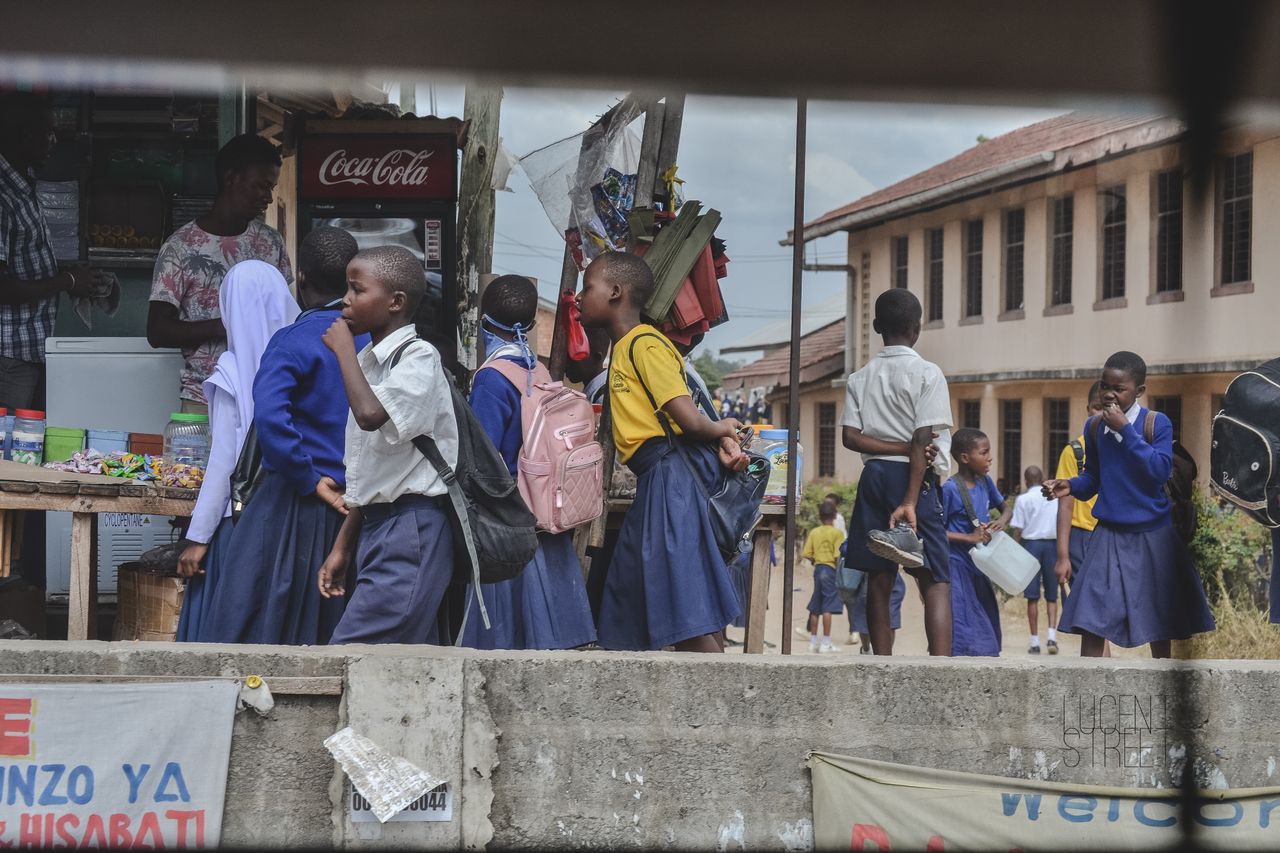
The back-to-school season can be exciting for children, but for parents, it can also come with significant financial pressure. School fees, uniforms, books, stationery, transport, meals and other requirements can quickly add up. Without proper planning, these expenses can strain your monthly income and disrupt other financial goals.
With a clear back-to-school budget, parents can prepare for school expenses while maintaining better control of their finances. Here are practical budgeting tips to help you get ready for the new school term.
1. Start Planning Early
One of the best ways to manage back-to-school expenses is to avoid last-minute preparation. Start listing expected school costs as early as possible.
Check school fee requirements, uniform needs, stationery lists, transport costs and other term-specific expenses. Having a complete picture of what you need allows you to estimate the total amount required and plan your finances accordingly.
Early planning also gives you more time to save and compare prices.
2. Create a Back-to-School Budget
Once you know what your child needs, create a specific budget for the new term.
Separate expenses into categories such as:
- School fees
- Uniforms and shoes
- Books and stationery
- Transport
- Meals
- Co-curricular activities
- Other school requirements
Assign an estimated amount to each category and compare the total with your available income and savings.
A written budget can help you prioritise essential expenses and reduce unnecessary spending.
3. Prioritise Needs Over Wants
Children may want new bags, shoes, accessories or other items even when existing ones are still usable. Before purchasing something new, check what can be reused from the previous term.
If a uniform is still in good condition or stationery remains unused, consider using it again. Redirecting money towards essential school expenses can make your back-to-school budget more manageable.
4. Compare Prices Before Buying
Back-to-school shopping does not have to mean buying everything from the first shop you visit. Compare prices from different stores and suppliers before making major purchases.
Look out for genuine discounts and consider buying frequently used items in reasonable quantities where doing so offers value.
However, avoid buying items simply because they are discounted. A lower price does not necessarily mean you are saving money if the item is not needed.
5. Separate School Expenses From Everyday Spending
Keeping school money separate from your regular household spending can make it easier to stay on track.
If possible, set aside money specifically for school-related expenses. This can help prevent funds intended for fees, uniforms or books from being used for unrelated purchases.
You can also keep a record of payments and purchases throughout the back-to-school period to monitor how much of your budget remains.
6. Plan for Unexpected Expenses
Even with careful preparation, additional school expenses can arise. A forgotten item, unexpected activity or transport change can require extra money.
Where possible, include a small buffer in your budget for unexpected costs. This can reduce the need to disrupt other financial commitments when something comes up.
7. Consider Financing Carefully
Some parents may face a temporary gap between their available income and essential school expenses. In such situations, financing may provide an option for eligible customers.
Hela Pesa offers digital credit solutions to eligible customers who may need additional financial support. However, borrowing for school expenses should be approached responsibly.
Before taking financing, consider the amount you need, the repayment period, applicable fees and whether the repayments fit comfortably within your income. Borrow only what you can realistically repay.
8. Start Saving for the Next Term
Once the school term begins, start preparing for the next one. Setting aside a small amount regularly can make future school expenses less stressful.
For example, you can create a dedicated school-expense savings target and contribute towards it consistently. Small contributions made over several months can add up and reduce the pressure when the next school term approaches.
Conclusion
Back-to-school expenses can put pressure on a household budget, but early preparation and disciplined spending can make the process easier. By creating a detailed budget, prioritising needs, comparing prices and planning for unexpected expenses, parents can manage school costs more effectively.
Where financing is necessary, understand the terms and repayment obligations before borrowing.
At Hela Pesa, we believe that convenient financial solutions should be supported by responsible financial planning. Whether you are preparing for school expenses or managing other household financial needs, making informed decisions can help you stay in control of your finances.
Hela Pesa products are subject to eligibility and applicable terms and conditions. Borrow responsibly and only take financing you can comfortably repay.