
The rapid growth of digital financial services has transformed how Kenyans manage their money. From mobile money and digital banking to online shopping and digital lending, financial transactions can now be completed within seconds using a smartphone.
But as more people move their financial lives online, cybercriminals are also adapting. Online fraud, phishing, identity theft, SIM-swap fraud and account takeovers are changing how consumers think about digital money and making cybersecurity an essential part of financial management.
Recent data highlights the scale of the challenge. Between February and July 2026, mobile money featured as either the payment method or destination in 51 of 102 computer-fraud cases reviewed by Kenya’s National Computer and Cybercrimes Coordination Committee (NC4). Mobile money fraud alone accounted for 19 of those cases. (Citizen Digital)
Why Cybercrime Is Targeting Digital Finance
The same convenience that makes digital financial services attractive to consumers can also create opportunities for criminals.
Cybercriminals may use social engineering, fake websites, phishing messages or impersonation to trick individuals into revealing sensitive information. Instead of attempting to break into sophisticated financial systems directly, criminals may target the person using the system.
This is particularly concerning as digital financial services become increasingly integrated into everyday life. A compromised phone number, password or account can potentially provide access to sensitive personal and financial information.
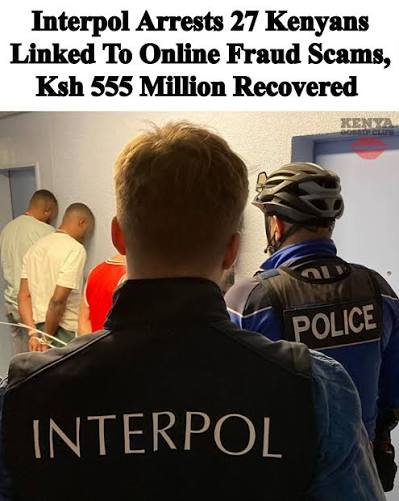
The threat is also becoming more sophisticated. INTERPOL reported in August 2026 that artificial intelligence was linked to 55% of reported cybercrime across Africa, enabling criminals to make attacks faster, more scalable and harder to detect.
How Cybercrime Is Changing Consumer Behaviour
Growing awareness of online fraud is changing how Kenyans handle money.
Consumers are becoming more cautious about clicking links, sharing personal information and responding to unsolicited messages. Many are also paying greater attention to the authenticity of phone calls, social-media accounts and websites claiming to represent financial institutions.
This shift is important because cybersecurity is no longer solely the responsibility of banks, fintech companies or telecommunications providers. Consumers also play an important role in protecting their accounts.
Simple habits can make a significant difference. Customers should use strong, unique passwords where applicable, enable multi-factor authentication when available and avoid sharing PINs, passwords or one-time passwords.
The Importance of Trust in Digital Finance
As digital financial services grow, trust becomes one of the most important factors influencing customer adoption.
People need to know that their personal information is being handled responsibly and that financial platforms have appropriate security measures in place.
For fintech companies such as Hela Pesa, this means digital convenience must be supported by customer education, responsible data handling and secure systems.
Hela Pesa provides digital financial solutions that allow eligible customers to access and manage financial services through digital channels. As customers increasingly interact with financial services online, understanding how to protect personal and financial information is an important part of the overall customer experience.
Five Ways to Protect Your Money Online
You don’t need to be a cybersecurity expert to improve your digital financial security.
1. Never share your PIN or OTP.
Legitimate financial institutions should not ask you to disclose confidential security credentials.
2. Be cautious with unexpected links.
A message claiming you’ve won money, received a loan or need to “verify” your account may be designed to steal your information.
3. Verify before sending money.
If someone contacts you claiming to represent a financial institution, independently confirm their identity through official channels.
4. Protect your phone and accounts.
Use device locks, strong passwords and available security features such as multi-factor authentication.
5. Report suspicious activity quickly.
If you notice an unusual transaction or believe your account has been compromised, contact your financial service provider immediately and report the incident through the appropriate authorities.
Building a Safer Digital Financial Future
Digital finance has made managing money faster and more convenient, but convenience must be matched with awareness.
The rise of cybercrime means that financial literacy today should include more than budgeting, saving and responsible borrowing. It should also include understanding digital security and recognising common fraud tactics.
As Kenya’s digital financial ecosystem continues to grow, financial institutions, fintech companies, regulators and consumers all have a role to play in creating a safer environment.
At Hela Pesa, we believe that empowering customers means giving them not only access to financial solutions, but also the knowledge they need to use digital financial services responsibly and securely.
When it comes to your money online, staying informed is one of your strongest forms of protection.