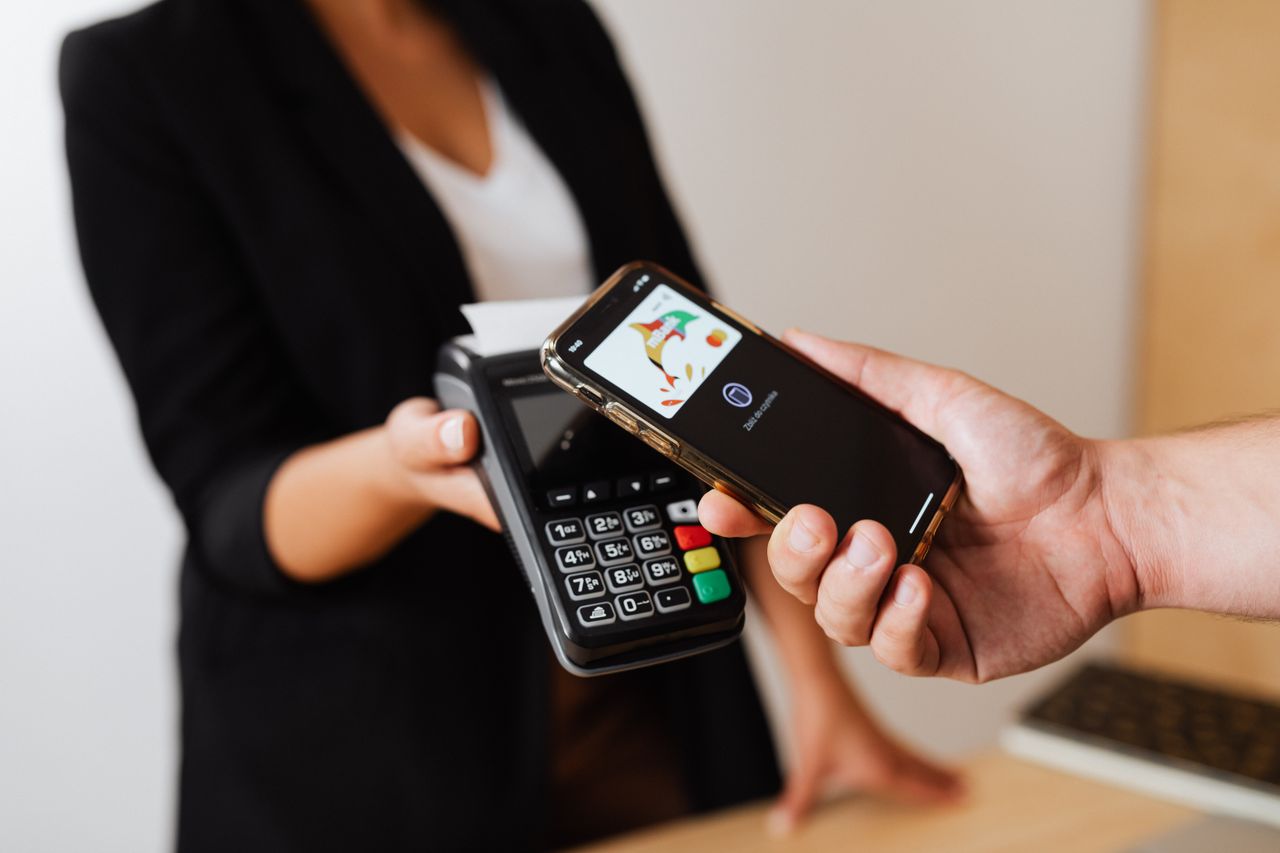
For years, access to financial services in Kenya was closely linked to having a bank account, visiting a physical branch, or meeting strict requirements for accessing credit. Today, mobile money has changed that reality. With a mobile phone, millions of Kenyans can send and receive money, pay bills, save, access credit and conduct business without needing to visit a bank.
The growth of mobile money has therefore become one of the most significant drivers of financial inclusion in Kenya, bringing formal financial services closer to people who were previously underserved.
Making Financial Services More Accessible
One of the biggest ways mobile money is changing financial inclusion is by removing barriers to accessing financial services. Traditional banking can be challenging for people living far from bank branches or those who may not meet conventional account-opening requirements.
Mobile money platforms provide a more convenient alternative. Users can transact from wherever they are, whether they are in an urban centre, a rural community or running a small business. This convenience has helped integrate more people into Kenya’s formal financial ecosystem.
Supporting Small Businesses and Entrepreneurs
Mobile money has also transformed how small businesses operate. Entrepreneurs can receive customer payments, pay suppliers, manage expenses and transfer funds without relying entirely on cash.
For small businesses, digital transactions can also create a financial record that may become useful when seeking formal financial services. As financial institutions increasingly use digital transaction histories and other forms of data to understand customers, mobile money can contribute to creating pathways toward credit and other financial products.
This is particularly important for micro and small businesses that may struggle to provide traditional documentation required for conventional financing.
Expanding Access to Digital Credit
Mobile money has also contributed to the growth of digital lending in Kenya. Customers can increasingly access financial products through their mobile phones, making borrowing faster and more convenient.
Digital credit can be particularly useful when customers face short-term financial needs such as unexpected expenses, school-related costs, medical bills or household emergencies.
However, accessibility also comes with responsibility. Consumers should understand the interest, fees, repayment period and total cost of any loan before accepting it. Responsible borrowing remains essential to ensuring that increased access to credit translates into meaningful financial inclusion rather than over-indebtedness.
Encouraging a Cashless Economy
Mobile money has played a major role in reducing reliance on cash. From paying utility bills and purchasing goods to sending money to family members, digital transactions have become part of everyday life.
For consumers, this can provide greater convenience and security. For businesses, digital payments can simplify collections and record-keeping. The broader shift toward cashless transactions is also encouraging financial institutions and fintech companies to develop products designed around customers’ changing needs.
Promoting Financial Empowerment
Financial inclusion is not simply about having access to an account or payment platform. It is also about having the tools and knowledge to make better financial decisions.
Mobile money has created opportunities for Kenyans to interact with financial services more frequently and conveniently. When combined with financial education, digital platforms can help consumers develop better habits around budgeting, saving, borrowing and managing their money.
The Future of Financial Inclusion in Kenya
As technology continues to evolve, mobile money is likely to become increasingly connected to other financial services, including digital credit, savings, insurance, investment products and business financing.
For companies such as Hela Pesa, this digital transformation creates an opportunity to provide convenient financial solutions to customers who need accessible credit while encouraging responsible financial management.
Ultimately, mobile money has changed the meaning of financial inclusion in Kenya. It has moved financial services from bank branches into people’s hands, making transactions and financial products more accessible, convenient and increasingly digital.
The next stage will be ensuring that this accessibility is matched by financial literacy, responsible lending, strong consumer protection and secure digital platforms. When these elements work together, mobile money can continue playing a powerful role in building a more inclusive Kenyan financial system.