
For many salaried government employees in Kenya, accessing financial services has traditionally involved visiting a bank branch, completing extensive paperwork or waiting through lengthy approval processes. Fintech is changing this experience by making selected financial services more accessible, convenient and suited to the demands of modern working life.
From mobile payments and digital banking to digital credit and online financial platforms, financial technology is helping government employees manage expenses, respond to emergencies and make more informed financial decisions without disrupting their work schedules.
Making Financial Services More Accessible
One of fintech’s most important contributions is reducing the barriers associated with traditional financial services. Physical branches, paperwork and time-consuming processes can be difficult to navigate, particularly for employees with demanding schedules or limited access to nearby financial institutions.
<blockquote class=”twitter-tweet”><p lang=”en” dir=”ltr”>1/8<br>Financial access is no longer just about having a bank branch nearby.<br>Today, technology is changing how Kenyans access financial services—from payments and savings to credit and other digital solutions.<br><br>Here’s why fintech matters. 🧵</p>— Hela Pesa (@Hela_pesa) <a href=”https://x.com/Hela_pesa/status/2097258139431379353?ref_src=twsrc%5Etfw”>September 8, 2026</a></blockquote> <script async src=”https://platform.x.com/widgets.js” charset=”utf-8″></script>
According to an article by World Bank, Fintech and the Future of Finance, digital platforms have allowed customers to access information and eligible services remotely using mobile phones and internet-enabled devices. For salaried government employees, this can mean greater convenience when reviewing financial options, submitting applications or managing repayments.
Mobile technology has therefore become an important tool in expanding access to formal financial services across Kenya.

Expanding Access to Digital Credit
Access to appropriate credit can help salaried employees manage urgent expenses, meet planned financial commitments or address unexpected needs. However, borrowing should always be approached carefully, with attention to affordability, repayment obligations and the total cost of the facility.
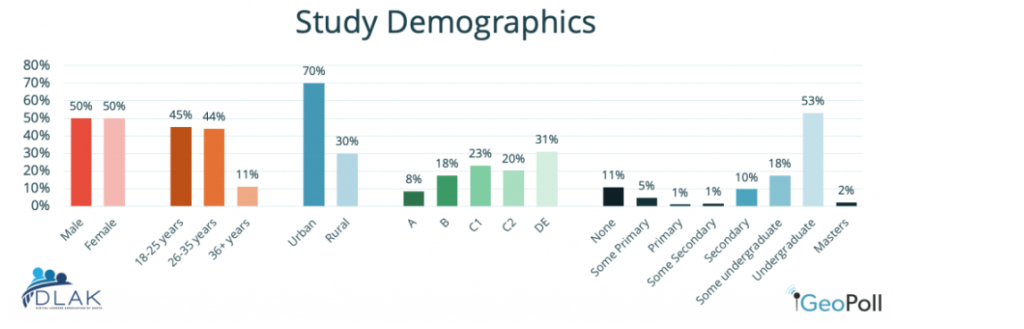
According to Geopoll, the proliferation of mobile-based banking and lending platforms has provided unbanked populations with access to financial services and increased financial inclusion by over 50%. Digital lending platforms have simplified parts of the borrowing process by allowing eligible customers to access information and apply through digital channels. This can reduce the need for repeated branch visits and make the experience more convenient for employees who may not have time to follow lengthy traditional processes.
As one of Kenya’s leading digital credit providers, Hela Pesa offers salary-based financial solutions through a digital approach. Its services are designed to bring eligible customers closer to convenient credit options while supporting a more transparent and informed borrowing experience.
The value of digital credit should not be measured only by how quickly funds can be accessed. Responsible providers must also help customers understand eligibility requirements, repayment terms and whether borrowing is appropriate for their circumstances.
Supporting Government Employees’ Financial Needs
Salaried government employees often have predictable income but may still face financial pressure from school fees, medical expenses, household needs, emergencies or other planned commitments. Access to suitable financial services can help them manage these obligations more effectively.
Fintech platforms can support this process by offering convenient access to financial information and products that reflect the needs of salaried customers. Digital tools may also make it easier to track applications, review repayment details and plan around regular income.
However, access should always be matched with responsible financial planning. A predictable salary does not mean every loan is affordable. Employees should consider existing commitments and ensure that any repayment fits comfortably within their monthly budget.
Improving the Customer Experience
Technology is also changing expectations around financial service delivery. Customers increasingly want services that are accessible, responsive and easy to understand.
Digital platforms can provide faster communication, self-service options and convenient access to important information. For government employees, these features can reduce the time and effort required to manage financial matters during a busy working day.
At the same time, convenience must not come at the expense of clarity. Customers should receive clear information about fees, repayment schedules, data privacy and the terms of any financial product before making a decision.
Trust remains central to the relationship between customers and digital credit providers.
The Importance of Responsible Fintech
Greater access to financial services must be accompanied by responsible practices. Digital platforms should make borrowing more convenient without encouraging customers to take on debt beyond their means.
Financial education is therefore an important part of the fintech ecosystem. Salaried employees should understand how to assess affordability, manage existing credit, plan repayments and distinguish between essential borrowing and discretionary spending.
Providers such as Hela Pesa have an opportunity to combine digital convenience with responsible financial solutions. This includes presenting relevant information clearly and encouraging customers to make decisions based on their financial circumstances rather than urgency or pressure.
Looking Ahead
The future of financial inclusion in Kenya will continue to be shaped by technology. As mobile payments, digital platforms and online credit services become more integrated into everyday life, fintech can help remove barriers that have historically limited access to financial services.
For salaried government employees, the benefits may include greater convenience, faster access to information and more flexible ways to manage financial needs. However, closing the financial access gap is not simply about placing services online. It is about creating solutions that are accessible, transparent, secure, affordable and genuinely useful.
Hela Pesa’s role as one of Kenya’s leading digital credit providers reflects the growing importance of technology in delivering salary-based financial solutions. For customers, the key is to combine this access with careful planning, a clear understanding of repayment obligations and informed decision-making.
Fintech can make financial services easier to access. Financial empowerment comes from using that access responsibly.